
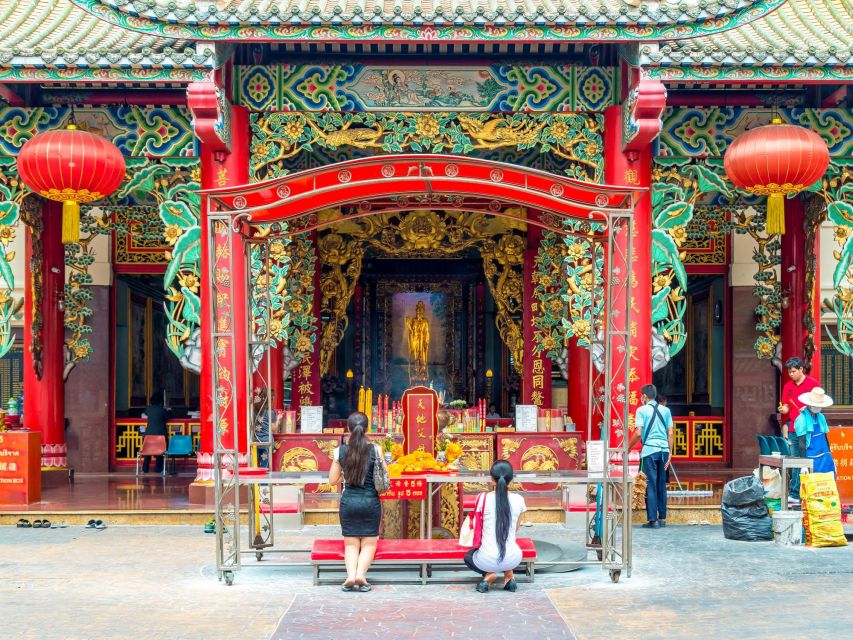
Review · WALKING TOURS
Bangkok: Discover a Taste of Chinatown – 2 Hr Walking Tour
Chinatown at night is a food test. This 2-hour walking tour through Yaowarat focuses on eating first, learning as you go, and keeping things flexible so you can follow what smells best. I like that it’s guided by a local foodie who steers you to specific, well-loved stalls and helps you understand what you’re actually ordering.
Two things I really like: you’ll target signature spots like Guay Jub Ouan Pochana for MICHELIN Bib Gourmand style rice noodle soup and Pa Tong Go Savoey for crispy dough sticks, and you get a small-group pace (limited to 9) that makes asking questions feel easy. You’ll also walk with a GSTC-certified approach to responsible touring.
One consideration: food tasting costs are not included, so you’ll want some extra cash ready and a stomach that can handle street-level chaos. If you have mobility, respiratory, or heart concerns, this route may not be a great match.
In This Review
- Key takeaways before you go
- Yaowarat after dark: why this 2-hour Chinatown walk works
- Meeting at Wat Mangkon MRT, and what the first 10 minutes need
- The flexible food game plan: how the tour decides where you eat
- Guay Jub Ouan Pochana: rice noodle soup that sets the tone
- Pa Tong Go Savoey: crispy dough sticks and sweet-salty momentum
- HKN Hong Kong Noodle and HAGOW Yaowarat dim sum: the flavor variety you want
- Temple stops and prayer etiquette: when the route includes Buddhist sites
- Budgeting for tastings: what the $64 covers, and what it doesn’t
- Safety and comfort on Yaowarat sidewalks
- Responsible touring with GSTC certification: what you’re really paying for
- Who should book this Chinatown taste walk
- Should you book this tour, or DIY Chinatown instead?
- FAQ
- How long is the walking tour?
- Where do I meet the guide?
- Is the tour a fixed route?
- How many people are in the group?
- What languages are available?
- What is included in the tour price?
- What is not included?
- What should I bring for the evening?
- Is the tour wheelchair accessible?
- Who is the tour not suitable for?
Key takeaways before you go
- Flexibility without a fixed itinerary means you eat what you feel like, not what a schedule demands.
- Named stall stops include classics like Guay Jub Ouan Pochana and Pa Tong Go Savoey, plus noodles and dim sum spots such as HKN Hong Kong Noodle and HAGOW Yaowarat.
- Small group (up to 9) helps you taste more variety and still move at a comfortable walking pace.
- Local guide energy often turns into extra cultural context, including temple visits in some runs.
- Prepare for street conditions with comfortable shoes, insect repellent, and cash for tastings.
Yaowarat after dark: why this 2-hour Chinatown walk works
Yaowarat is one of those Bangkok neighborhoods where the best plans are the ones that respond to the moment. This tour leans into that. You’re not stuck in a rigid checklist. Instead, you’re guided through Chinatown with room to slow down for a stall you’re craving, or to swap something you don’t feel like eating.
I also like the time framing. Two hours sounds short until you’re standing in Chinatown with your nose leading the way. The tour gives you enough structure to hit major food styles and a few less obvious places, without turning the whole evening into a stamina contest.
Finally, it’s designed around practical learning. Your guide isn’t just pointing at menus, they explain what matters about each dish style, how people actually eat it, and how to order without getting lost. That’s a big deal in a food street where a single ingredient can change the whole experience.
More Walking Tours in Bangkok
- Bangkok: City Highlights Temple and Market Walking Tour
★ 4.5 · 3,990 reviews - Bangkok: Grand Palace and Wat Phra Kaew Guided Walking Tour
★ 4.4 · 2,417 reviews - Bangkok: Wat Pho and Wat Arun Guided Walking Tour
★ 4.6 · 1,720 reviews
Meeting at Wat Mangkon MRT, and what the first 10 minutes need
You’ll meet outside Exit 3 of Wat Mangkon MRT station. Your guide holds a TripGuru sign. Plan to arrive about 10 minutes early because the group is small and they’ll want to get everyone together before walking starts.
This matters more than it sounds. Chinatown is full of quick turns, narrow sidewalks, and busy crossings. If you’re late, the guide can’t magically pause traffic for your arrival. Show up early with your basics ready.
What to bring is spelled out for a reason. Wear comfortable shoes. Bring an umbrella and/or a hat. Add sunscreen, insect repellent, and camera. Bring cash because you’ll be buying food tastings on your own. Also consider a scarf or sarong, especially if your route includes temple areas.
The flexible food game plan: how the tour decides where you eat
The heart of this experience is flexible tasting, with no fixed itinerary. That means the guide can respond to things like weather, stall availability, and what the group is most interested in that night. It also means you are not over-committed to eating a long list you did not choose.
This is a smart way to tour for value. If you’re hungry for savory, you can aim more of your tastings toward noodles, roast meats, and dumplings. If you prefer sweet, you can spend more time on dessert-style snacks. Either way, you still get direction so you’re not wandering randomly.
One more practical plus: small group size helps you actually have conversations. Guides can ask what you want, manage pacing, and keep everyone together without turning it into herding.
Guay Jub Ouan Pochana: rice noodle soup that sets the tone
One of the tour’s key anchor stops is Guay Jub Ouan Pochana, known for MICHELIN Bib Gourmand style rice noodle soup. This is the kind of dish that teaches you a lot fast. Rice noodles are a common Thai-Chinese overlap, but the flavor comes from the balance of broth, seasoning, and how the noodles are served.
What makes this stop worth your attention is not just the name. It’s that it gives you a baseline for the rest of Chinatown. After you taste a properly made bowl here, you’ll start noticing differences elsewhere, like how other stalls build fragrance, or whether the soup leans more salty, aromatic, or peppery.
If you’re worried about ordering, that’s where the guide helps. Your guide can steer you toward the stall’s best-known style so you’re not stuck translating menu choices while everyone else is eating.
Same stretch of coast, a different sort of day:
- Bangkok: Damnoen Saduak Market and Maeklong Railway Market
★ 4.5 · 26,723 reviews - The Old Siam: Damnoen Saduak and Maeklong Railway Market
★ 4.5 · 10,992 reviews - From Bangkok: Ayutthaya Temples Guided Tour with Lunch
★ 4.7 · 10,535 reviews - Bangkok: Train Market & Floating Market with Boat Ride
★ 4.7 · 9,547 reviews
Pa Tong Go Savoey: crispy dough sticks and sweet-salty momentum
Next up, you’ll likely run into Pa Tong Go Savoey, famous for crispy dough sticks. This is a Chinatown classic because it’s portable, crunchy, and easy to share, which fits a walking tour perfectly.
Dough sticks can be deceptively tricky to enjoy if you don’t know how to eat them. Crispy snacks often lose texture if they sit too long, so you want them as part of the flow, not at the end when you’re already full. That’s another reason this tour’s structure works: the guide manages timing so you get texture, not just flavor.
If you like contrast, this stop is your relief between heavier noodle and dim sum bites. If you don’t like overly sweet sauces, you can still enjoy the crispness and savory sides, and your guide can help you navigate choices based on your preferences.
HKN Hong Kong Noodle and HAGOW Yaowarat dim sum: the flavor variety you want
Chinatown food is not one cuisine. It’s a mixture of styles that evolved through different Chinese community influences, and you feel that in the details.
Two standout names tied to the tour are:
- HKN Hong Kong Noodle for noodle variety
- HAGOW Yaowarat for authentic dim sum
Why these stops matter is variety. Noodles let you taste broth styles and seasoning profiles. Dim sum is where you get texture and bite-sized complexity: dumplings and small plates often show better technique than dishes that drown everything in sauce.
Also, dim sum is a good place to slow down and compare. It’s easier to try multiple items than with big bowls of soup. This is where the small-group format becomes useful, because you can usually sample more without making the meal feel chaotic.
Temple stops and prayer etiquette: when the route includes Buddhist sites
Some evenings may include Buddhist temple visits during the walk. In past experiences with this tour, guides have shown guests how people typically pray in different temple spaces, and even explained what you’re seeing in plain language. There are also cases where a guide brought the group into a temple-related area to observe a ceremony or learn about monk accommodation.
I’m careful here because this is not guaranteed for every run, and the tour notes that the route can change based on weather and availability. Still, it’s an important part of why this is more than a food crawl. Food streets are where culture shows up in everyday life. Temple visits remind you that the neighborhood isn’t only about eating, it’s also about local customs and beliefs.
If your route includes temple areas, dress and behavior matter. That’s why scarf and sarong are recommended, and why you should listen to your guide about what is expected around prayer spaces.
Budgeting for tastings: what the $64 covers, and what it doesn’t
The tour price is $64 per person for the guided walking experience. Food tasting expenses are not included, so you’ll need cash ready to pay for what you sample.
This is normal for street-food tours, and it can still be good value if you manage it smartly. With a guided plan, you’re less likely to spend money on random items that aren’t great. One solo guest reported spending around $25 CAD on tastings after the tour fee, which gives you a real-world anchor for budgeting, even though your total will vary based on appetite and what you choose.
My advice: set a rough cap before you start. If you know you’ll want two savory bites plus a sweet snack, you can pace yourself. The tour’s flexibility helps, but it also means you could accidentally overspend if you follow every smell like a cartoon character.
If you have dietary needs or allergies, tell your guide early. The tour is described as catering to different tastes and dietary needs, and some guides have been able to tailor choices for specific restrictions. Just don’t wait until you’re staring at a menu with food already in motion.
Safety and comfort on Yaowarat sidewalks
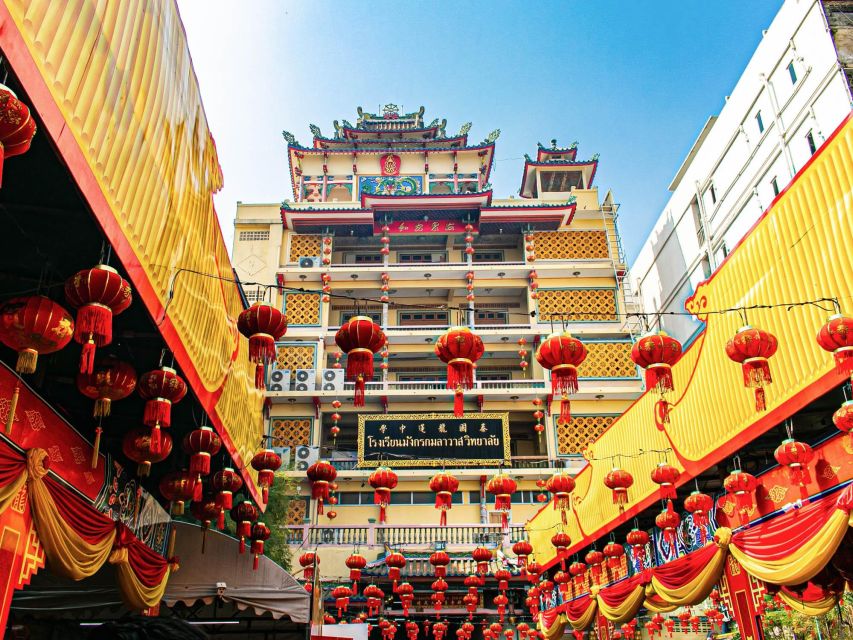
This is a walking tour, so comfort is not optional. The tour is not suitable for wheelchair access, and it also is not recommended for people with mobility impairments, heart problems, respiratory issues, or pregnancy.
Even if you are fine on your feet, Yaowarat can be intense. Expect crowds, quick turns, and uneven foot traffic. A strong guide matters. In similar group experiences, guides have kept the group together and helped guests feel safe walking through busy areas.
What you can do to help yourself:
- Wear shoes you can walk in for a real 2-hour stretch.
- Bring insect repellent, especially if you’re sensitive to bites.
- Keep sunglasses on, and use an umbrella if rain hits.
- Have cash in hand so you’re not fumbling at the stall.
Also, take breaks when offered. With street food, you don’t need to sprint between stops.
Responsible touring with GSTC certification: what you’re really paying for
This tour is GSTC-certified, and it also includes insurance and carbon emissions offset credits. Those may sound like paperwork until you realize what they do for you on the ground: it signals a provider that follows standards for responsible operations and basic traveler protections.
Value here is not just the certificate. It’s the combination of small group size, a guided focus, and a route that respects the local environment by working within the neighborhood rather than treating it like a theme park. Chinatown is a living district. You’ll get a better experience when the tour is structured to support that reality.
Who should book this Chinatown taste walk
Book this tour if you want:
- A first-time-friendly introduction to Chinatown food with the help of a local
- A mix of classic staples and less obvious stalls, without having to research everything yourself
- Flexibility, so you can eat what you actually crave that evening
- Cultural context, especially if your guide includes temple stops
Skip it if:
- You need wheelchair access or have serious mobility limitations
- You have respiratory issues, heart problems, or similar medical considerations
- You are not comfortable with night walking in a crowded area
It also helps if you enjoy conversations. Many guests say the guide makes the experience better through stories, humor, and practical tips for navigating the neighborhood.
Should you book this tour, or DIY Chinatown instead?
I’d book this tour if you want an efficient, confidence-building way to eat well in Yaowarat without spending the whole night guessing. The named food stops, the flexible approach, and the small-group pace are exactly what you want when you only have a limited window in Bangkok.
I’d consider DIY if you already know Chinatown food well, you’re comfortable choosing stalls blindly, and you can handle street conditions without a guide. But if you’re aiming for variety plus learning plus less risk of ordering the wrong thing, this is a solid way to spend $64 and two hours wisely.
If you do book, come prepared with comfortable shoes, cash for tastings, and a quick note about any dietary restrictions. Then let the guide do the job you didn’t come to Bangkok to do: figuring out which stall is actually worth your bite.
FAQ
How long is the walking tour?
The tour duration is 2 hours.
Where do I meet the guide?
Meet outside Exit 3 of Wat Mangkon MRT station. The guide will be holding a TripGuru sign.
Is the tour a fixed route?
No. The itinerary is flexible with no fixed schedule, so you can taste what you want at your own pace.
How many people are in the group?
The tour is limited to a small group, with a maximum of 9 participants.
What languages are available?
The tour provides an English live tour guide. A guide is described as English and Thai speaking.
What is included in the tour price?
Included are the tour guide, walking tour, insurance, and carbon emissions offset credits.
What is not included?
Not included are hotel pick up and drop off, all food tasting expenses, and personal expenses.
What should I bring for the evening?
Bring comfortable shoes, sunglasses, a hat, an umbrella, a camera, sunscreen, insect repellent, cash, and also a scarf and sarong are recommended.
Is the tour wheelchair accessible?
No, it is not suitable for wheelchair access.
Who is the tour not suitable for?
It is not suitable for pregnant women, people with mobility impairments, people with heart problems, or people with respiratory issues.
Newest Bangkok reviews on the site
- Bangkok Dinner Cruise with Intl Buffet, Live Music & Hotel Pickup★ 4.5 · 12 reviews
- Half-Day Tour : PRIVATE Grand Palace & Temples★ 5.0 · 14 reviews
- Maeklong Railway and Damnoen Saduak Floating Market Tour★ 5.0 · 11 reviews
- The Luxury White Cruise Experience★ 3.5 · 34 reviews
- Luxury Dinner Cruise with Guide and Transfer (Opt. Executive Van)★ 5.0 · 9 reviews
- Bangkok Luggage Storage★ 4.5 · 37 reviews
- Bangkok Luggage Delivery from Hotel to Airport★ 5.0 · 25 reviews
- Baiyoke Sky Dinner Experience with Observation Deck Access★ 3.5 · 57 reviews
Walking Tours, compared.
City Highlights Temple and Market Walking Tour
Read our review →
Grand Palace and Wat Phra Kaew Guided Walking Tour
Read our review →
3 Hour Old City and Temples Guided Walking Tour
Read our review →
Beach walk with elephants, rain & care. 2.5 hours
Read our review →
Bukit Elephant Park Sanctuary Walk and Feed Tour
Read our review →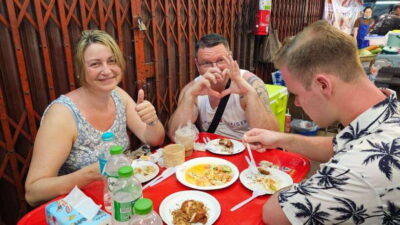
Bangkok Authentic Tasting Thai-Chinatown Walking Food Tour
Read our review →
Browse the lists this tour appears in