
Review · RIVER KWAI TOURS
Bangkok: Kanchanaburi, River Kwai & Death Railway Tour
Some places ask you to pay attention. This one starts with quiet remembrance, then moves to train tracks and temple stairs. You’ll visit the Kanchanaburi War Cemetery and the JEATH Museum, where the human scale of World War II hits harder than any screen. One thing to plan for: a big chunk of your day is road time, so this tour suits people who can handle long van rides.
What I really like is how the day balances solemn history with clear, photo-friendly stops. The Bridge Over the River Kwai and the nearby rail viewpoints at Tham Krasae Station give you context and views without turning it into a theme park. The main drawback is timing: with a 10-hour schedule and multiple stops, a couple of locations can feel brief, especially if you want to linger.
In This Review
- Key things to love on this Kanchanaburi, River Kwai, and Death Railway tour
- A tough subject, handled with care: how the day begins in Kanchanaburi
- JEATH War Museum: why it works after the cemetery
- Bridge Over the River Kwai: the WWII lesson you can see
- Tham Krasae Station: the railway view stop that actually surprises
- Lunch and coffee breaks: what you should know before you go
- Wat Tham Suea (Tiger Cave Temple): the climb, the tiger paw prints, the big Buddha
- Transport, group size, and the day’s rhythm from Bangkok
- Low-impact travel pieces that actually matter here
- Price and value: what $102 includes, and what you’ll pay extra
- Who this tour is best for (and who might want a different day)
- Should you book this Bangkok to River Kwai and Death Railway tour?
Key things to love on this Kanchanaburi, River Kwai, and Death Railway tour
- War remembrance first, at the meticulously kept Kanchanaburi War Cemetery
- JEATH Museum context, with artifacts and replicas connected to the Siam-Burma Railway
- River Kwai bridge photos, plus a real sense of place for your WWII lesson
- Tham Krasae rail stop, with trains passing by and cliffside scenery
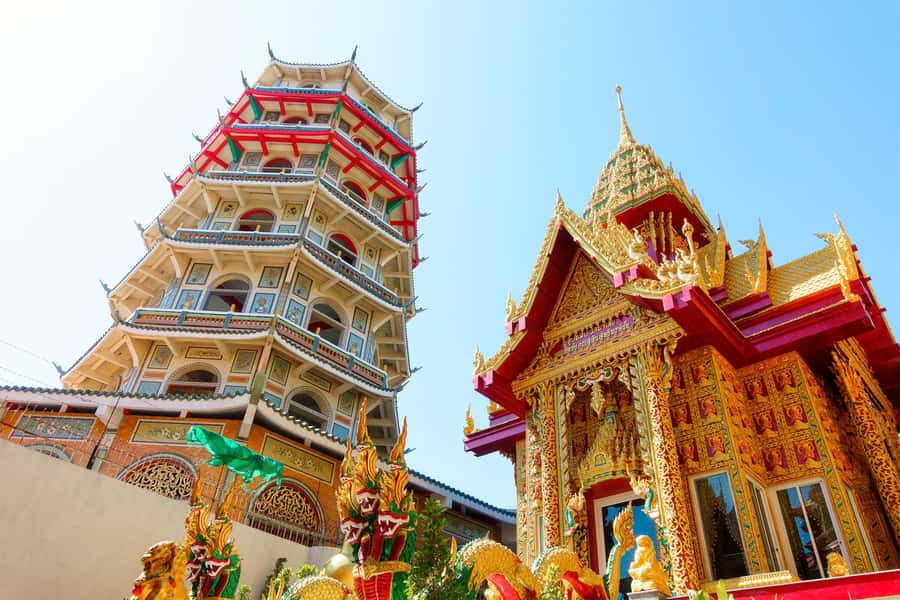
- Tiger Cave Temple (Wat Tham Suea), including tiger paw prints and an 18-meter Buddha statue
- Small group energy, capped at 9 people, with a guide who keeps the day moving
A tough subject, handled with care: how the day begins in Kanchanaburi
This is one of those Bangkok-area days that starts early, then asks you to slow down. You’re picked up in an air-conditioned van and driven toward Kanchanaburi, with time to catch up on sleep or just reset before the emotional stops begin.
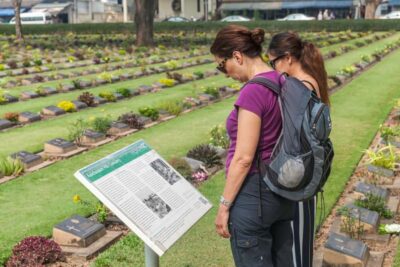
Your first official moment is at the Kanchanaburi War Cemetery, where you walk quiet paths and see well-kept graves for prisoners of war and civilians who died while working on the Death Railway under the Japanese Empire. The cemetery is not rushed. You get about 30 minutes here, and that’s enough time to take in the rows, read the information panels, and reflect without feeling like you’re being shepherded.
The practical part: wear comfortable shoes. You’ll be on your feet, and later you’ll do a steep walk at Wat Tham Suea too. Also, if you’re heat-sensitive, plan to be proactive with water and sunscreen. Daytime temperatures in the region can be brutal.
More River Kwai and Kanchanaburi trips:
- From Bangkok: Erawan Park & Kanchanaburi Small-Group Tour
★ 4.5 · 1,582 reviews - From Bangkok: Death Railway & Hellfire Pass Tour with Lunch
★ 4.6 · 931 reviews - From Bangkok: Historical Day Tour to River Kwai
★ 4.6 · 868 reviews
JEATH War Museum: why it works after the cemetery
Next comes the JEATH War Museum, and I like the order. Seeing the cemetery first gives you a human anchor. Then the museum helps you place that human cost into a wider story.
JEATH stands for the nationalities connected to the railway: Japanese, English, Australian, American, Thai, and Hollander. Inside, you’ll find exhibits that include weapons, tools, uniforms, medals, and replicas showing prisoner of war living conditions during World War II. It’s not abstract. It’s the kind of presentation that turns terms like “forced labor” into something you can picture.
You’ll have about 30 minutes, which is short, but focused. If you’re the type who reads every label, you might have to choose what matters most to you, then come back mentally later. This is where your guide’s explanations can make the difference, especially if you ask questions along the way.
One more note that can matter: there are multiple JEATH-related places people talk about in this area. This tour includes entrance to the museum you’re assigned, so if you care a lot about comparing sites, ask your guide directly during pickup what the plan is for that day’s museum stop.
Bridge Over the River Kwai: the WWII lesson you can see
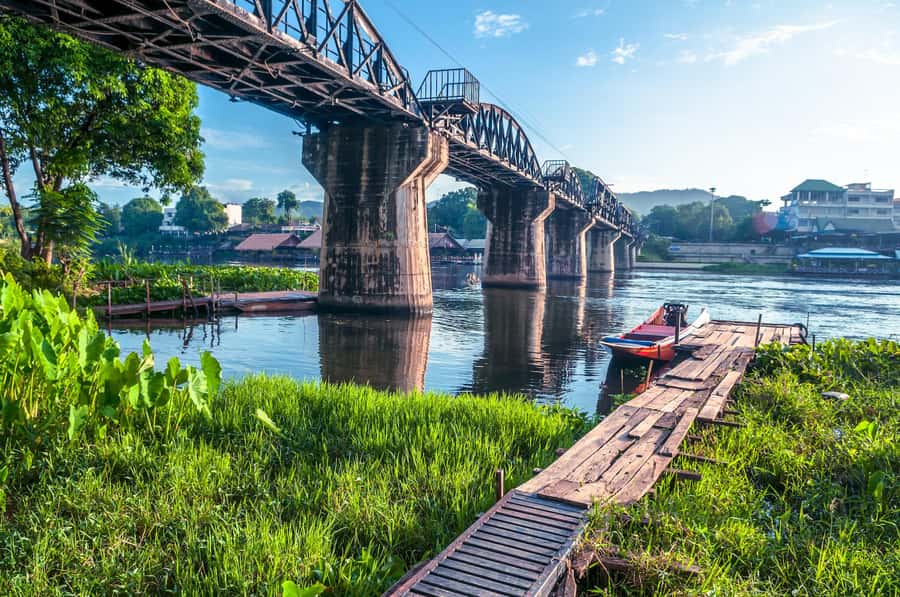
After museum time, you get a shorter breather, then the day hits a familiar, almost movie-famous spot. The Bridge Over the River Kwai is where your earlier classroom history suddenly becomes real geography.
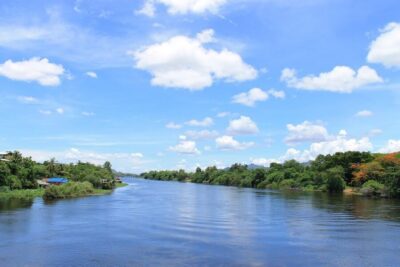
You’ll spend about 1.5 hours sightseeing here. That time is important, because you’ll want to get viewpoints, walk around for perspective, and take photos when the light feels right. If you’re doing this for history, you’ll also want your guide to connect what you’re seeing to how the railway was used and why the bridge became such a symbol.
It’s also a good place to reset your emotions. Cemetery and museum are heavy. The bridge is still serious, but it lets you switch into “I understand the place now” mode. Just remember: don’t treat the subject like a postcard. Look closely, read what’s provided, and keep the tone respectful.
Tham Krasae Station: the railway view stop that actually surprises
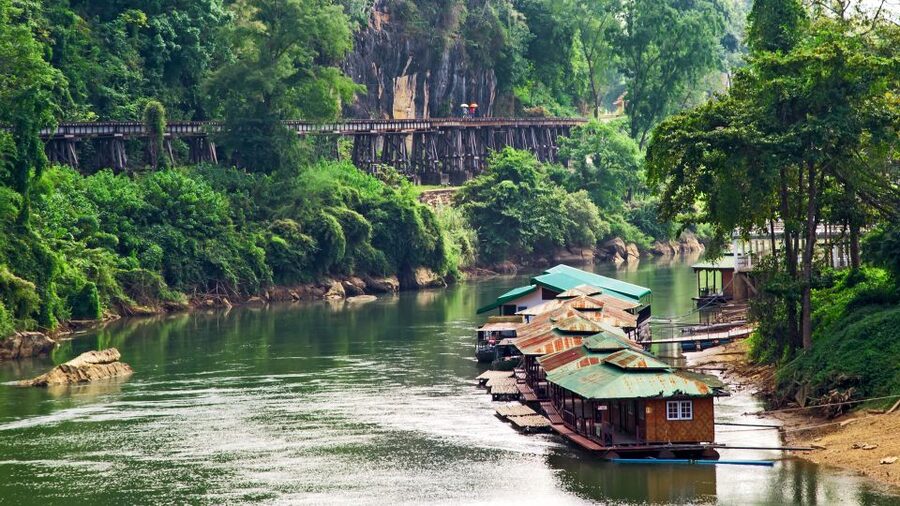
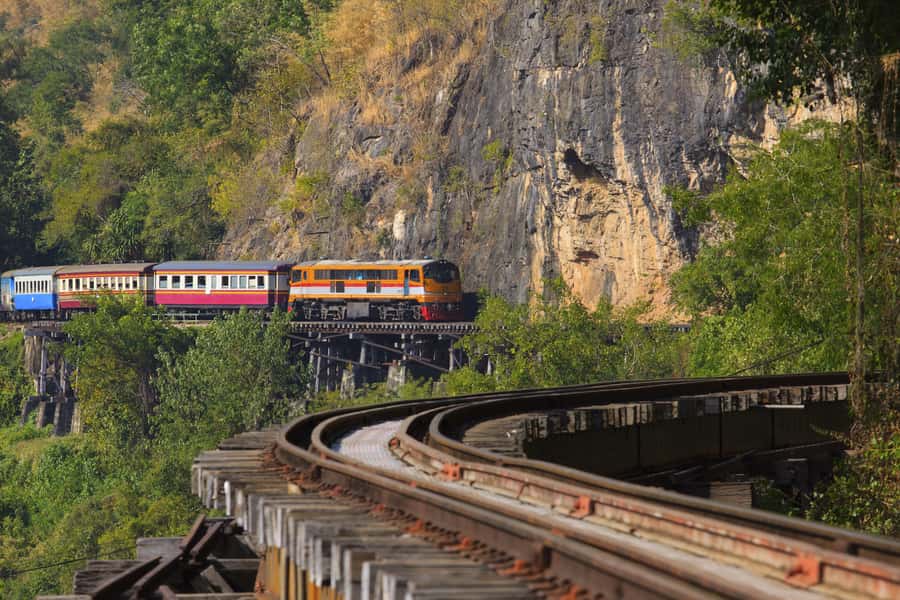
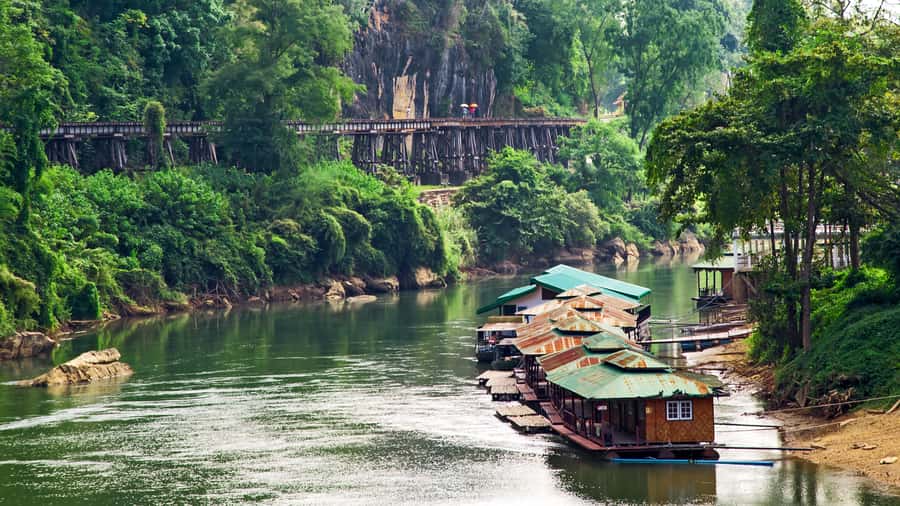
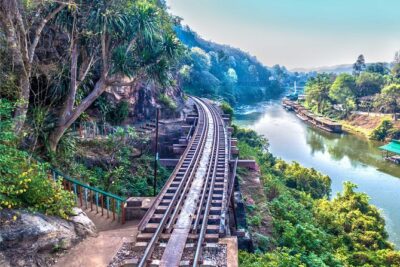
A key part of this tour is the Tham Krasae Station stop, and it’s more than just a quick photo stop. You’ll spend around 30 minutes here at a cliffside section of track where the railway snakes around above the scenery.
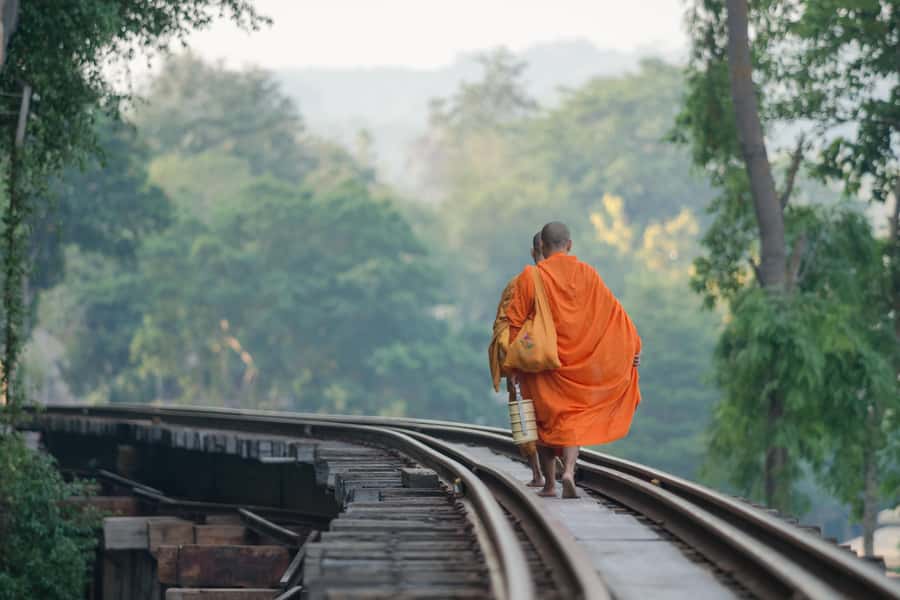
This is the moment that often feels more alive than you’d expect, because you may see trains passing by. Even if you’re not a rail nerd, it adds motion to the story. The whole Death Railway theme can feel static, but the tracks are still functional today, so you’re seeing continuity across decades.
The time here is short, so if you want the best photos, arrive ready. Bring your camera, and consider a quick phone check for low battery. The heat can drain devices, and with a steep schedule, you won’t have time to troubleshoot later.
A few more Bangkok days to weigh up
- Bangkok: Damnoen Saduak Market and Maeklong Railway Market
★ 4.5 · 26,723 reviews - The Old Siam: Damnoen Saduak and Maeklong Railway Market
★ 4.5 · 10,992 reviews - Bangkok: Train Market & Floating Market with Boat Ride
★ 4.7 · 9,547 reviews - Half-Day Railway Market and Floating Market Tour in Thailand
★ 4.5 · 3,924 reviews
Lunch and coffee breaks: what you should know before you go
There’s a lunch stop at a local restaurant, with about 1 hour on the clock. Lunch is not included in the listed price, so you’ll pay there. I like that this tour gives you a real place to eat instead of forcing a fast convenience stop. Still, go in hungry, because the day has a lot of walking and museum time.
Then you’ll get a coffee break at a local café for about 30 minutes. This is your chance to cool down, refill your energy, and use your cash for whatever you choose.
If you’re the kind of person who gets “hangry” on schedule, pack a small snack in your bag before pickup. The stops are well spaced, but a 10-hour day can still feel like it runs on tight rails.
Wat Tham Suea (Tiger Cave Temple): the climb, the tiger paw prints, the big Buddha
After history stops, the tour turns toward a different kind of intensity: stairs. You’ll head to Wat Tham Suea, also known as the Tiger Cave Temple, with about 1 hour here.
There are two things you should not miss. First, the tiger paw prints on the cave walls. This is one of those details that’s easy to overlook if you’re just scanning for the main statue. Spend a minute looking closely at the patterns, then move toward the climb.
Second, the Buddha statue at the top. It’s about 18 meters tall and gleams in the light. The hike to reach it is steep, so pace yourself. This is where you’ll feel the combination of heat and effort, especially if you’ve been on the road for hours already.
What makes this stop especially rewarding is the view from the upper area. You get a sense of the surrounding hills and the temple’s dramatic setting. Even if you’re not a temple person, the mix of icon detail, cave setting, and sheer scale can be a great reset after the heavier content earlier.
Practical tip: follow the dress code. You should wear clothing that covers up appropriately for entering temples. Avoid short skirts and sleeveless shirts. Comfortable clothes matter too, because you’ll be moving.
Transport, group size, and the day’s rhythm from Bangkok
This tour runs about 10 hours total. The road time is a major part of that: roughly 2.5 hours driving from Bangkok to Kanchanaburi, then about 3 hours returning. That means you’ll spend about half the day in transit.
The upside is you’re in an air-conditioned van with pickup from hotels or registered accommodations. You also get a glass bottle of drinking water included, which is genuinely useful on a long day with a lot of walking.
Group size is limited to 9 participants, which usually keeps things from feeling chaotic. You’ll also travel with an English-speaking guide. In past groups, I’ve seen guides like Fern or Jeerawat praised for being engaged and helpful, and another guide named Nat was highlighted for answering questions and even suggesting food that’s less touristy. I’d take that as a hint: ask questions. This itinerary is packed enough that a good guide can turn it from seeing stops to understanding them.
One drawback to keep in mind is return-drive fatigue. If you hate long drives, you may feel it more on the way back, especially after Wat Tham Suea. Plan to go into dinner mode when you get back to Bangkok, not “one more thing” mode.
Low-impact travel pieces that actually matter here
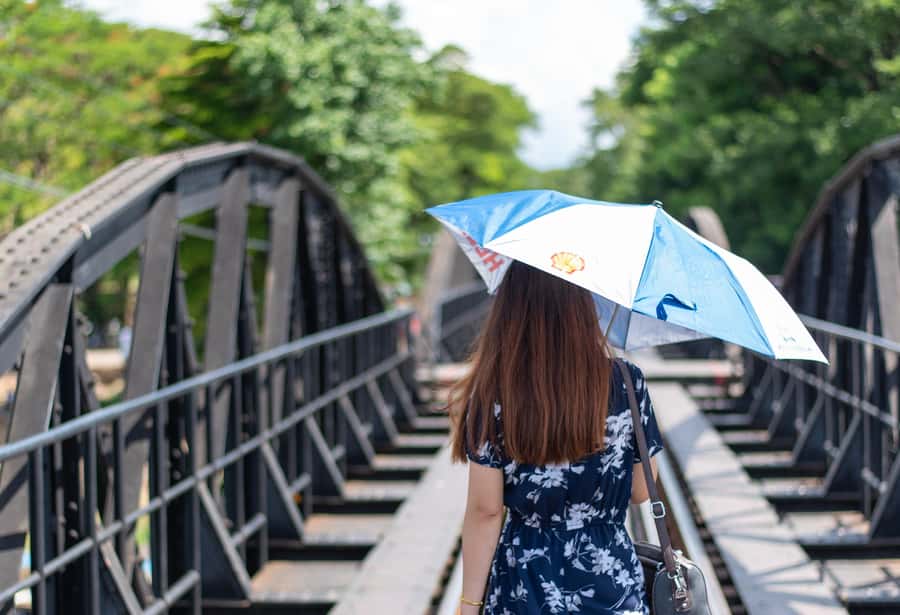
The tour includes sustainability elements, and they fit well with a day that touches major cultural and historical sites.
You get water in glass bottles, which is a small thing but better than lots of single-use plastic. The tour also includes carbon emissions offset credits for every tour, which is their way of trying to balance the footprint of a long road day.
Is this a substitute for being respectful on site? No. But it does make the day feel more thoughtfully designed, and it’s easy to appreciate when you’re spending a full day moving between places.
Price and value: what $102 includes, and what you’ll pay extra
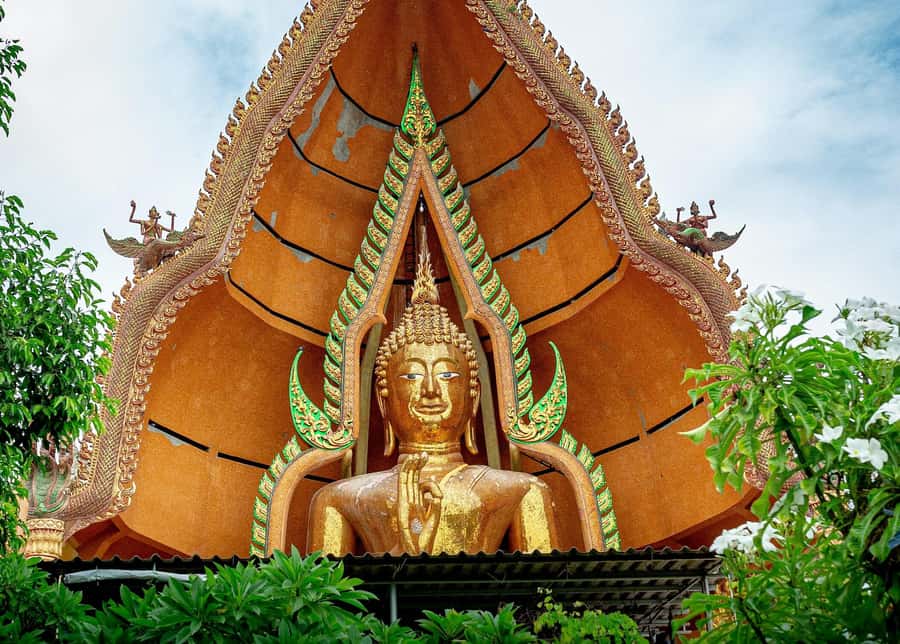
At about $102 per person for a 10-hour day, the value comes from the combination, not one single item. You get an English-speaking guide, air-conditioned transport, and entrance to the JEATH Museum. You also get a glass bottle of drinking water and carbon offset credits.
What you should budget for separately is lunch. Lunch and personal expenses are listed as not included. That means your final cost will depend on what you choose to eat and drink during those meal and coffee breaks.
If you’re traveling with just one person or want more flexibility, a private option may matter, since hotel pickup and drop-off is listed as included for private selection. That extra cost can be worth it if your group is small and you care about pacing.
Who this tour is best for (and who might want a different day)
This day is built for people who want WWII-era context tied directly to real places. If you love history, hate rushing through museums, and don’t mind a steep climb at a temple, this tour will click.
It can be less ideal for people who want a lighter, casual day, because the theme is heavy and the schedule is tight. It can also be a long day if you’re prone to motion sickness or simply don’t handle hours in a van well.
If you’re a first-time visitor to Bangkok, this is a strong “one day you’ll remember” outing. It gives you a clear storyline: remembrance, explanation, a famous bridge, rail views, then temple highlights to finish.
Should you book this Bangkok to River Kwai and Death Railway tour?
If you want the most meaningful version of a day trip, I’d book it. The combination of Kanchanaburi War Cemetery, the JEATH War Museum, Bridge Over the River Kwai, and Wat Tham Suea gives you both perspective and payoff. You’ll come away with images you can’t unsee, plus a better sense of how the railway shaped lives and landscapes.
Just go in with clear expectations: expect a packed 10-hour schedule, warm to hot weather, and a noticeable amount of drive time. Bring sunscreen, wear temple-appropriate clothes, and don’t treat it like a sightseeing checklist. If you do that, the day feels both respectful and satisfying.
Newest Bangkok reviews on the site
- Bangkok Dinner Cruise with Intl Buffet, Live Music & Hotel Pickup★ 4.5 · 12 reviews
- Half-Day Tour : PRIVATE Grand Palace & Temples★ 5.0 · 14 reviews
- Maeklong Railway and Damnoen Saduak Floating Market Tour★ 5.0 · 11 reviews
- The Luxury White Cruise Experience★ 3.5 · 34 reviews
- Luxury Dinner Cruise with Guide and Transfer (Opt. Executive Van)★ 5.0 · 9 reviews
- Baiyoke Sky Dinner Experience with Observation Deck Access★ 3.5 · 57 reviews
- Bangkok Luggage Storage★ 4.5 · 37 reviews
- Bangkok Luggage Delivery from Hotel to Airport★ 5.0 · 25 reviews
River Kwai Tours, compared.
Erawan Waterfalls and Bridge Over River Kwai Tour from Bangkok
Read our review →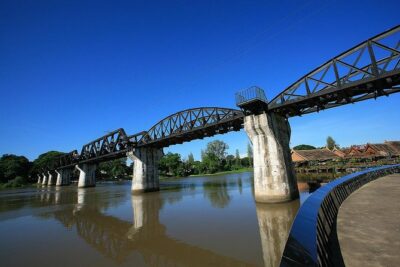
Bridge on the River Kwai and Thailand-Burma Railway Guided Tour
Read our review →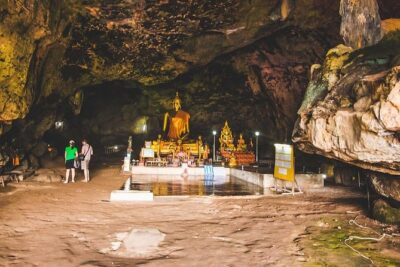
Erawan Waterfall and Elephant Care: Private Tour to Kanchanabur
Read our review →Browse the lists this tour appears in