
Review · HIKING & TREKKING
Chiang Mai: 3-Day Karen Hill Tribe Immersion with Trekking
You hike, cook, and eat with families.
This Karen hill tribe immersion around Doi Inthanon goes beyond photos, with community-owned trails and camps and hands-on time with hosts you can actually talk to.
What I like most is how practical it feels. You get real village moments, not a quick stop-and-go, and the trekking is built around waterfall swimming and forest-guided learning. The one catch is effort: Day 1 can be steep, and camps are basic, so you need a moderate fitness level and a tolerant mindset for simple sleeping and cold showers.
In This Review
- Key highlights you will actually feel
- Why this Doi Inthanon trek feels personal, not staged
- Day 1: Chiang Mai morning pickup, market stop, and your first steep forest push
- What to watch for on Day 1
- Day 2: Wildlife forest to village lunch, then deeper hills and a real homestay night
- A practical reality: bring patience for basic conditions
- Day 3: Cloud forest paths, up to five waterfalls, and a final meal by the water
- Waterfall time is not just fun, it is part of the trek rhythm
- Food, cooking, and the plant-learning that makes the hike smarter
- Price and value: what $158 really buys you in real life
- Gear checklist and what to expect from camps and showers
- Cultural visit etiquette: how to be respectful without overthinking it
- Who should book this trek (and who should skip it)
- Should you book the Karen hill tribe 3-day trek from Chiang Mai?
- FAQ
- What is included in the 3-day, 2-night trek package?
- Are drinks included?
- How difficult is the trekking?
- Will I swim at waterfalls during the trek?
- What kind of accommodations and connectivity should I expect?
- Is this trek suitable for kids or limited mobility?
Key highlights you will actually feel
- Community-owned trails, camps, and waterfall access means you are walking on land that hosts truly manage
- Small group size (up to 15) keeps the hikes conversational and the village visits less rushed
- Forest plant lessons and wildlife spotting turn the trek into learning, not just exercise
- Up to five swimming-friendly waterfalls gives you built-in breaks that feel like rewards
- Village homestays with cooking and clothing lessons show daily life up close
- Unplugged camping (limited signal, no big infrastructure) makes the whole trip quieter
Why this Doi Inthanon trek feels personal, not staged
The big idea here is simple: you are not visiting someone’s culture like a museum exhibit. You are walking through Karen hill tribe ancestral land, sharing meals, and spending evenings with families who run the experience as a community.
That community control matters. It shows up in the pace, in the way guides talk about local plants and farming, and in the fact that the trails, campsites, and even waterfall spots are community owned. Instead of feeling like you are following a scripted route, you feel like you are being brought into a place where people live year-round.
I also like that the guide is part translator and part local interpreter. In the reviews, guides are repeatedly praised for stopping to point out fruits, herbs, and animals you would miss on your own. Names come up too: one participant mentioned Jungle Boy for frequent jungle spotting, and another said Pepe and Bobo were great guides who made everyone feel safe in unfamiliar terrain. That combination, local knowledge plus steady guidance, is what turns a tough hike into a meaningful one.
More Hiking Tours in Chiang Mai
- 3-in-1: Doi Inthanon Tour, Elephant Sanctuary, and Trekking Trail
★ 5.0 · 1,087 reviews - Chiang Mai: Doi Inthanon Trip with Pha Dok Siew Guided Trek
★ 4.6 · 910 reviews - Chiang Mai: 2-Day Jungle Trek with Elephant Farm & Raft Ride
★ 4.7 · 881 reviews
Day 1: Chiang Mai morning pickup, market stop, and your first steep forest push
Your day starts with a hotel pickup in Chiang Mai city. Depending on your area, pickup tends to be early, with central pickup around 7:00 to 7:10 AM, and later pickups for mid-range and outer areas. You will also do a quick market stop before heading up into the mountains.
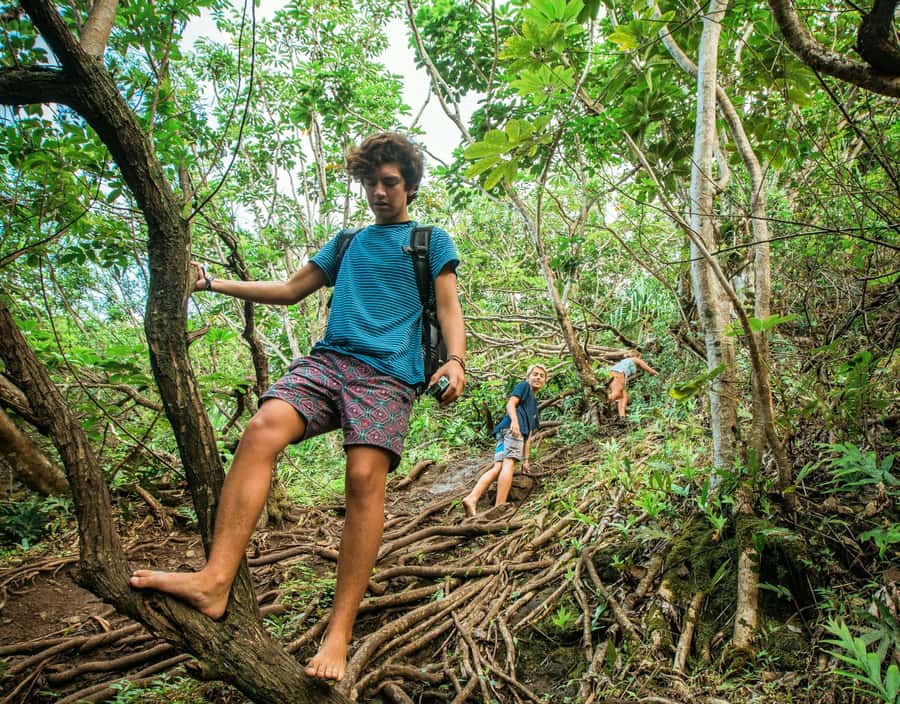
From there, you move to a mountain village tied to your host family. The trekking begins on private farmland and then shifts onto dense forest trails, with bamboo groves and rice paddies along the way. This is not just scenery time. Your guide explains uses of native plants and shares Karen traditions as you walk, which gives the forest a purpose beyond views.
The lunch stop is one of those details that makes the trip feel grounded. You eat a jungle lunch by a waterfall, wrapped in banana leaves. It is simple food in a very specific place, and it helps you recharge without breaking the rhythm of hiking.
After lunch, you continue to a forest camp near a remote waterfall. Then comes the evening pattern you will repeat in a different form later. You help cook dinner using hand-picked herbs, then hang around a campfire while the sky clears into stars. One review noted that this kind of guided teaching in the forest is exactly what people miss when they hike alone, so if you like learning, Day 1 sets the tone well.
What to watch for on Day 1
Day 1 is commonly the hardest. One review reported that participants averaged about 11 km per day, with Day 1 mostly climbing a very steep mountain. If you are worried about climbs, take the slow start seriously, and plan to use any rest stops even when you feel fine.
Day 2: Wildlife forest to village lunch, then deeper hills and a real homestay night
Day 2 starts with breakfast and then transitions into wildlife-rich forest. Expect a steady trek through terrain where gibbons, macaques, and Asiatic black bears are part of the local ecosystem. You do not control what you see, but the forest is active, and the guide’s job is to help you notice what is happening.
You hike about 3 hours to a Karen village. Lunch happens there, with cultural exchange time built in. This is your first longer village interaction of the trip, so it is a good moment to ask respectful questions about daily life, farming, and clothing. The rules of modest dress and photo etiquette matter here, and you will get guidance on what is appropriate.
After lunch, the trek goes deeper. You are looking at around 4 hours into the hills to reach a second village for overnight. This stay is described as a full cultural immersion: you learn traditional clothing, cooking techniques, and daily life with your hosts. In at least one account, the guide’s own parents or siblings may be part of the homestay, which can make the evening conversation feel extra natural.
That second night includes another fireside evening where stories and laughter happen. In one review, the dinner time became a highlight because people from different countries had a chance to trade culture and travel stories together. Even if you do not talk much, the vibe tends to be relaxed, not performative.
A few more Chiang Mai days to weigh up
- Chiang Mai: Doi Inthanon Park with Kew Mae Pan Hike Day Trip
★ 4.7 · 841 reviews - Chiang Mai: Doi Inthanon Park and Pha Dok Siew Trail Trek
★ 4.6 · 752 reviews - Chiang Mai – Doi Suthep Temple & Wat Pha Lat Hike
★ 4.6 · 740 reviews - Chiang Mai – Doi Suthep Temple & Wat Pha Lat Hike
★ 5.0 · 657 reviews
A practical reality: bring patience for basic conditions
The camps are basic but comfortable enough for a trekking trip, with bedding provided. There is no expectation of hotel-style comfort. One review said the beds were not super comfortable, while another said the bed mats were comfortable and that mosquito nets were provided. Expect variation, pack for the environment, and keep expectations aligned with off-grid living.
Day 3: Cloud forest paths, up to five waterfalls, and a final meal by the water
Day 3 is longer. Plan for 6 to 7 hours of trekking across mixed terrain. You will move through gentle farmland and rugged paths, and the route can pass through cloud forest and local farms.
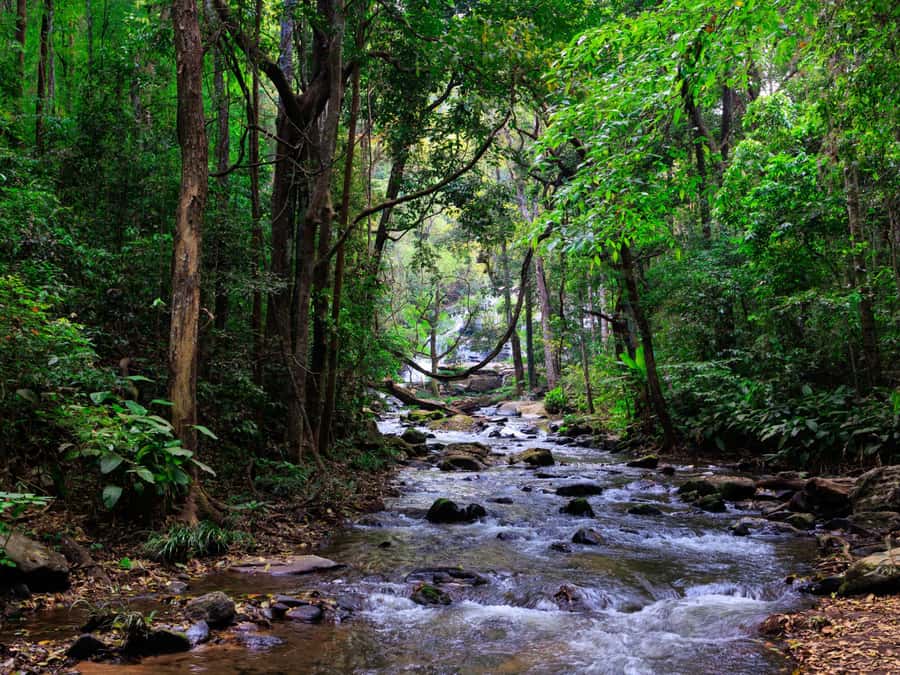
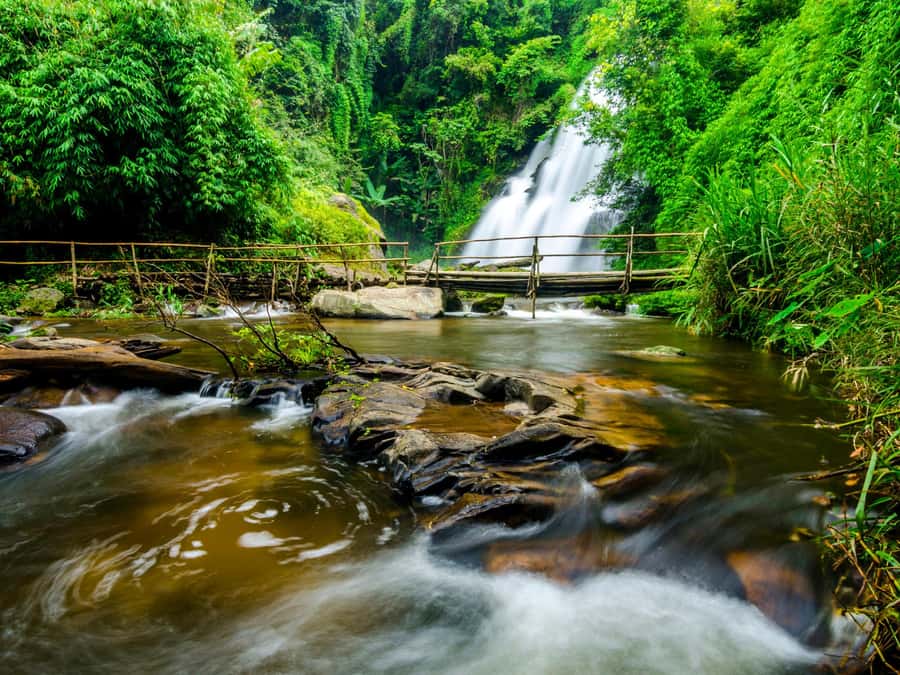
This is also the day built around water. You may visit up to five natural waterfalls along the way, and they are suitable for swimming. That means you will likely have chances to cool off even if you are tired, and it turns the day into something more than walking to another viewpoint.
The final meal is served peacefully by the water before pickup back to Chiang Mai. That last meal matters more than you might think. After two days of moving, eating, and adjusting to the pace, you get a calmer ending that does not feel like you are being yanked back into city life immediately.
Waterfall time is not just fun, it is part of the trek rhythm
These stops are intentionally spaced so you can reset. Wear swimwear and keep a towel handy, because drying off and changing clothes can be the difference between feeling comfortable later and feeling cold and grumpy.
Food, cooking, and the plant-learning that makes the hike smarter
Meals on this trek are included, and you get 7 freshly prepared servings over the 3 days, from Day 1 lunch through Day 3 lunch. Drinks are not included, so if you like something beyond water, plan to buy it separately.
Food is described as simple but delicious, and it tends to be tied to the place you are in. Several people praised it as plentiful, not just enough to survive. Since you also help with cooking one evening using herbs hand-picked during the day, you get a clearer sense of what you are eating and why.
The plant and herb learning is a major reason the trek stays interesting even when you are hiking. One review specifically mentioned the guide making frequent stops to show fruits, herbs, and animals in the jungle. That kind of attention helps you understand the environment instead of just passing through it.
Price and value: what $158 really buys you in real life
At $158 per person for 3 days and 2 nights, the value depends on what you want from Chiang Mai. If you want an easy sightseeing circuit, this is not it. But if you want guided time in Karen community land, with included meals, a local English-speaking guide, and hands-on cooking, the price starts to make sense.
Here is what is included that usually costs extra in private tours:
- Hotel pickup and drop-off in Chiang Mai city
- A guided trekking experience with 2 overnight stays
- 7 meals
- English-speaking local Karen guide services
- Cultural activities and hands-on cooking sessions
- Accident insurance coverage during the trek
What is not included:
- Drinks
In other words, you are paying mostly for guidance, community access, meals, and the labor and care that goes into keeping the trek running. The small group size, up to 15 people, also supports that value. When the group is smaller, village time and guide attention tend to feel better.
One note that can change your budget slightly: one review mentioned bringing cash because villagers only accept cash for small things like water. That is not listed as a core requirement, but it is smart advice. Carry a small amount so you do not get stuck at a moment when you want a simple purchase.
Gear checklist and what to expect from camps and showers
You should pack like you are hiking and swimming, not like you are doing a day trip. The tour’s recommended packing list is practical:
- Sunglasses and a hat
- Swimwear, towel, sandals
- Change of clothes and extra socks
- Hiking shoes and a daypack
- Sunscreen, water, insect repellent
- Long-sleeved shirt and long pants for forest time
- A jacket (especially for cooler mornings or wet season)
- Toiletries and any personal medication
Also remember what is not allowed: smoking, intoxication, and alcohol and drugs. Keeping that in mind helps the trip stay calm and respectful.
Camps are basic, with bedding provided, and the experience is designed to be unplugged. The tour info states there is no electricity and no internet, with limited mobile signal. At the same time, one review said there was electricity at both places. I would not rely on that. Pack assuming you will charge nothing and adjust expectations accordingly.
Shower comfort is another variable. A review warned showers are cold. Another mentioned mosquito nets. So plan for cold water and mosquito prevention, not for warm hot showers.
Cultural visit etiquette: how to be respectful without overthinking it
This trek is community-based and uses privately owned Karen land. You are expected to dress modestly in villages and ask before taking photos of people. That is the core etiquette.
Beyond that, treat conversations as a two-way street. The best moments tend to happen when you show interest without turning people into a performance. Ask about daily life, cooking methods, or traditional clothing techniques. Listen more than you talk. If you do want to capture photos, ask first and respect no.
One reason this trek can feel powerful is that the cultural exchanges are built into the route, not stuck into a five-minute photo stop. When you get an evening by the fire, you have time to ask follow-up questions instead of rushing.
Who should book this trek (and who should skip it)
This is a moderate fitness adventure. You should expect 5 to 7 hours of trekking per day on uneven jungle terrain.
It is not suitable for:
- Children under 12
- People with back problems
- People with mobility impairments
- People with heart problems
So who is it best for?
- You like hiking with meaning, not just distance
- You want village interaction and hands-on activities like cooking
- You are comfortable with basic sleeping setups and the idea of cold showers
- You pack for rain and insects, and you can handle limited phone signal
If you hate steep climbs, Day 1 might test you. If you want maximum comfort, this will feel too rough.
Should you book the Karen hill tribe 3-day trek from Chiang Mai?
Yes, if your goal is to experience Doi Inthanon in a way that is guided, human, and grounded in community life. The combination of village homestays, cultural exchange, and waterfall swimming is rare for a trek in this region, and the price includes the meals, guiding, and community access that usually make these experiences expensive.
I would not book it if you need hotel-level comfort, easy flat walking, or warm showers every day. Also be honest about your fitness. One participant measured roughly 11 km per day on average and called out steep climbing on Day 1.
If you do book, go in with the right mindset: pack smart, keep your questions respectful, and accept that the best part is often the off-grid quiet moments, plus the fireside conversations after a long walk.
FAQ
What is included in the 3-day, 2-night trek package?
You get hotel pickup and drop-off in Chiang Mai city, the guided trekking experience, 2 overnight stays in village camps, 7 prepared meals, an English-speaking local Karen guide, cultural activities and hands-on cooking sessions, and accident insurance coverage during the trek.
Are drinks included?
No. Drinks are not included, so plan on buying them separately.
How difficult is the trekking?
A moderate fitness level is required. Expect around 5 to 7 hours of trekking per day on uneven jungle terrain. One review also described Day 1 as especially steep.
Will I swim at waterfalls during the trek?
Yes. The final day includes visiting up to five natural waterfalls along the route, and they are suitable for swimming. You should bring swimwear, a towel, and a change of clothes.
What kind of accommodations and connectivity should I expect?
Camps are basic but comfortable, with bedding provided. There is no electricity or internet, and mobile signal is limited. Bring patience for a truly off-grid feel.
Is this trek suitable for kids or limited mobility?
No. It is not suitable for children under 12, and it is also not recommended for people with back problems, mobility impairments, or heart problems.
Newest Chiang Mai reviews on the site
- Tour with Hike in Kiew Mae Pan Natural Trail from Chiang Mai★ 4.8 · 26 reviews
- Chiang Mai: 22 km XC Mountain Biking from Sticky Waterfall★ 4.7 · 13 reviews
- Sticky Waterfall Half-day with Private Car★ 4.9 · 37 reviews
- Sticky waterfalls- Elephants- Bamboo or White water rafting.★ 5.0 · 9 reviews
- Red, Blue, White Temples & Hot Spring Trip from Chiang Mai★ 4.4 · 143 reviews
- Private Tour Pha Chor Canyon & Doi Inthanon National Park★ 5.0 · 23 reviews
- Private Tour Doi Inthanon, Trekking Kew Mae Pan Nature Trail★ 5.0 · 11 reviews
- Private Doi Inthanon, Nature Trail, Wat Phra That Doi Kham★ 5.0 · 6 reviews
Hiking & Trekking, compared.
3-in-1: Doi Inthanon Tour, Elephant Sanctuary, and Trekking Trail
Read our review →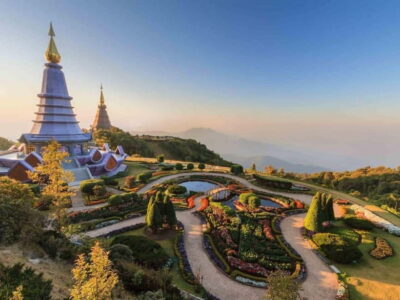
Doi Inthanon Trip with Pha Dok Siew Guided Trek
Read our review →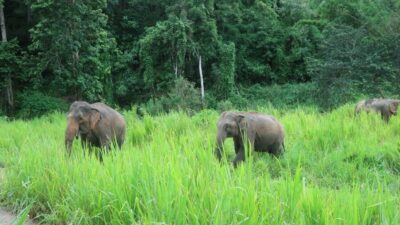
2-Day Jungle Trek with Elephant Farm & Raft Ride
Read our review →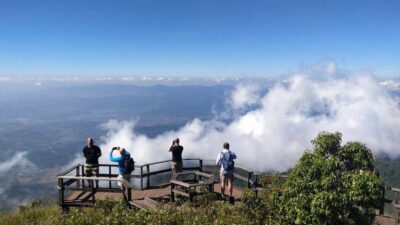
Doi Inthanon Park with Kew Mae Pan Hike Day Trip
Read our review →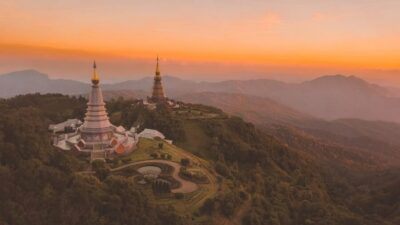

Browse the lists this tour appears in