
Review · 3-DAY EXPERIENCES
Chiang Mai: 3 Day Meditation, Yoga & Cultural Retreat
Quiet meditation beats Chiang Mai chaos for three days. I like the way this retreat pairs guided meditation with evening yoga in a calm countryside setting, plus it adds real-world Thai cultural context so the practice feels usable. You’ll also eat home-cooked, vegetarian Thai meals that make the whole experience feel more like being cared for than being processed.
The main thing to note is that this is not a sightseeing binge. It’s a quiet, family-run retreat with long rest gaps, and it does not include big add-ons like waterfalls, the night market, or an elephant sanctuary.
In This Review
- Key Takeaways Before You Go
- Chiang Mai Retreat, in a Quiet Rural Setting
- The 3-Day Schedule: What Fills Your Time
- Day 1: Arrival, Nature Time, and Your First Practice Blocks
- Day 2: Two Meditation Times, Two Yoga Sessions, and a Real Break
- Day 3: Final Morning Practice and Check-Out
- Meditation and Yoga: Why the Combination Works Here
- Buddhist Culture Lessons You Can Use at Home
- Rice Fields, Temples, and a Local Farmer’s Market
- Meals and Accommodation: Vegetarian Thai Food With Care
- The Price Tag: Is $514 Good Value?
- Who This Retreat Fits Best (And Who Might Skip)
- Practical Considerations for a Smoother Experience
- Should You Book Chiang Mai’s 3-Day Meditation, Yoga & Cultural Retreat?
- FAQ
- How long is the retreat and what are the daily check-in and check-out times?
- What’s included in the retreat?
- Is this a small group experience?
- What language are the classes taught in?
- Are the meals included vegetarian?
- What is not included in the retreat?
- What is the cancellation policy?
Key Takeaways Before You Go
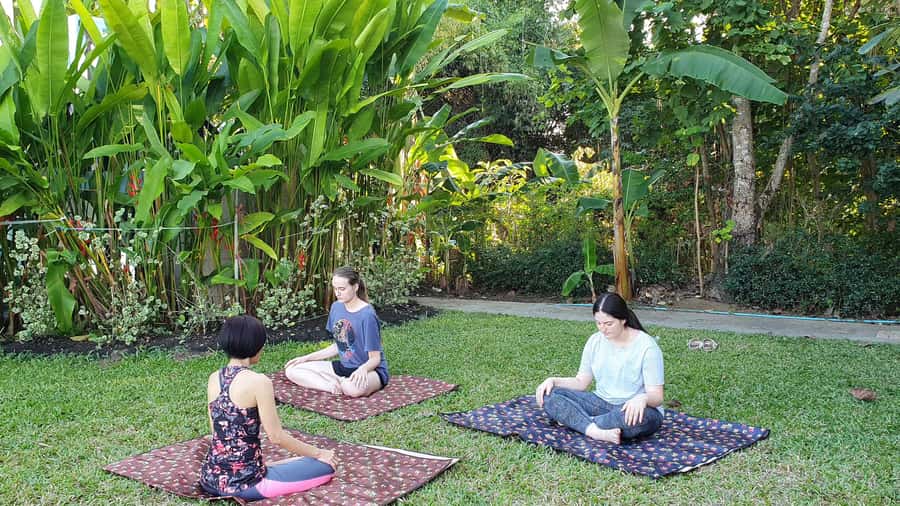
- Small-group feel (up to 6), which makes it easier to get individual guidance in both meditation and yoga.
- A nature setting with a flowing stream and rice fields, so the mind gets less visual noise to fight.
- Meditation + yoga on a clear daily rhythm, with morning sessions and an evening yoga cap.
- Thai cultural teaching, not just studio practice, including temple visits and local market time.
- Vegetarian Thai meals built around authenticity, with home-style care and attention to presentation.
- Optional reflection time, which helps you tune the retreat to your energy level.
Chiang Mai Retreat, in a Quiet Rural Setting
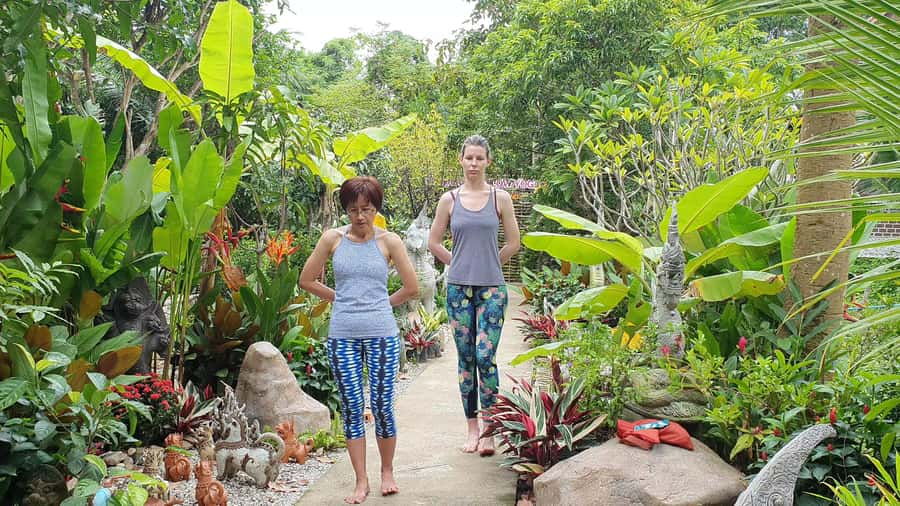
This retreat is built around one simple idea: if you want your mind to settle, you need fewer distractions than Chiang Mai’s usual traffic and noise. The setting is in Chiang Mai Province, surrounded by rice fields and a naturally flowing stream, with nature sounds doing some of the work for you. It’s the kind of place where even your walking pace slows down without you forcing it.
You also should know the vibe is calm and practical, not resort-luxe. Based on how people describe the stay, it feels like a family home that prioritizes safety, comfort, and routine. That matters because you will spend a lot of the day in stillness, so you want an environment that supports it.
One more plus for real travelers: the retreat is organized enough that you do not have to plan your days. You’ll be picked up and dropped off from your hotel in the city or the airport, then guided through the whole flow. When you’re trying to learn meditation and yoga, that kind of logistical simplicity is value.
A few more Chiang Mai days to weigh up
- Half-Day Thai Cooking Class at Organic Farm in Chiang Mai
★ 5.0 · 19,087 reviews - Chiang Mai: Elephant Sanctuary, Waterfall & Bamboo Rafting
★ 4.9 · 9,160 reviews - Chiang Mai: Doi Inthanon National Park Eco-Friendly Tour
★ 4.6 · 6,667 reviews
The 3-Day Schedule: What Fills Your Time
The daily structure is consistent, with the same big themes repeating so your practice has momentum. Each day includes meditation, yoga, meals, and time to rest. It’s not a workout bootcamp, but it’s also not just sitting around either, so expect a balanced mix.
Day 1: Arrival, Nature Time, and Your First Practice Blocks
Check-in starts at 14:00. From 14:30 to 16:00 you get relaxing time in nature, which is more important than it sounds. When you’re fresh off travel, you need that gap before sitting in meditation, otherwise your body stays in “arrival mode.”
At 16:00 you begin mindfulness and meditation. Then at 17:00, you shift into evening yoga from 17:00 to 18:00. This order makes sense: the meditation sets your attention, and the yoga gives your body something clear and supportive to do after.
Day 2: Two Meditation Times, Two Yoga Sessions, and a Real Break
Day 2 starts with a healthy breakfast from 08:00 to 08:30. Then you get morning mindfulness and meditation from 09:00 to 10:00, followed by morning yoga from 10:00 to 11:00.
Lunch comes at 12:30 to 13:30, and then there’s free time to rest, explore, or simply take a breath. That free block is a quiet gift, especially if you want your retreat to stay personal. In many retreats, downtime is either missing or filled with extra activities, but here it’s intentionally open.
In the late afternoon there’s another mindfulness and meditation block from 16:00 to 17:00 that is optional. Optional is key, because it helps you avoid burning out on day two, when reflection can get intense even if you feel fine.
You finish with evening yoga from 17:00 to 18:00. The day has enough structure to guide you, but enough gaps for your mind to catch up.
Same stretch of coast, a different sort of day:
- Chiang Mai: Elephant Sanctuary & Waterfall Group Tour
★ 4.9 · 5,780 reviews - Chiang Mai: Chiang Rai Temples, Karen Tribe and Hot Springs
★ 4.7 · 5,401 reviews - Chiang Mai: Cooking Class, Market & Thai Herbs Garden Tour
★ 4.9 · 4,824 reviews - Chiang Mai: Authentic Cooking Class with Market & Farm Visit
★ 4.9 · 4,546 reviews
Day 3: Final Morning Practice and Check-Out
Day 3 keeps the early rhythm. Breakfast is 08:00 to 08:30, then mindfulness and meditation from 09:00 to 10:00, followed by morning yoga from 10:00 to 11:00. Lunch is 12:30 to 13:30, and check-out is at 14:00.
This last day is where your practice usually clicks or gets clarifies. Even if you’re a beginner, the repeat pattern helps you notice what your attention does when you’re tired, distracted, or calmer than you expected.
Meditation and Yoga: Why the Combination Works Here
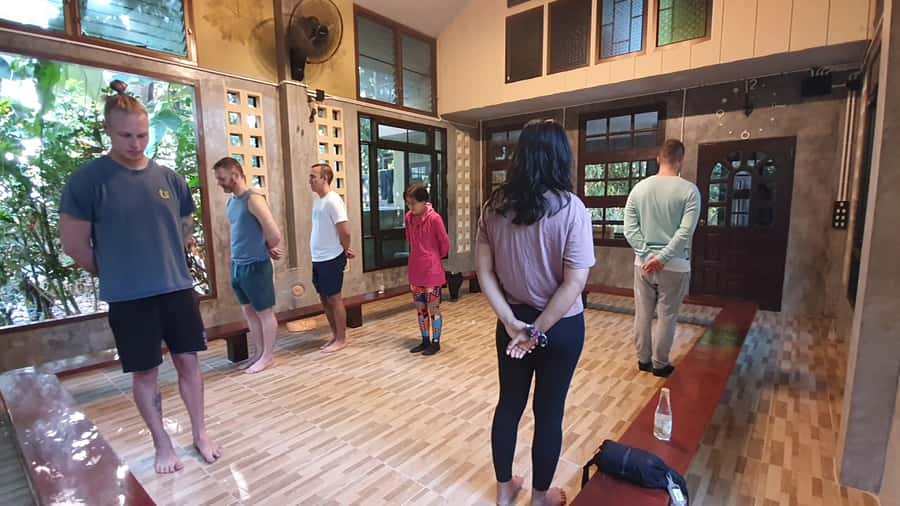
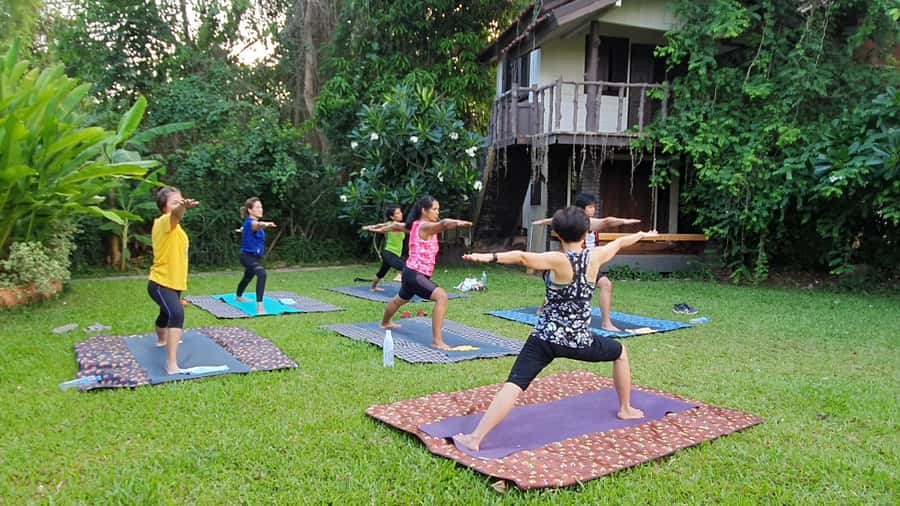
What I like about this retreat is the way it treats meditation and yoga as partners, not separate tracks. Meditation trains attention and awareness, yoga helps you notice the body without forcing it, and then the environment supports both. In a place with stream sounds and rice fields, your senses get less busy, which makes it easier to stay present.
People also describe the teaching as careful and attentive to your level. Sequences are chosen in a way that supports you without pushing you into pain, even when yoga feels challenging. That’s a big deal if you’re returning from travel stiffness or if you’re new to yoga. You want intensity that teaches, not intensity that injures.
There’s also a strong cultural layer to how meditation is approached. One of the most praised parts of the experience is how the teacher explains the practice with patience, including the meaning behind Buddhist concepts and the way prayer works in a real temple context. That’s useful because meditation can feel abstract if you only get techniques. When you understand the why, you’re more likely to stick with it after the retreat ends.
Buddhist Culture Lessons You Can Use at Home
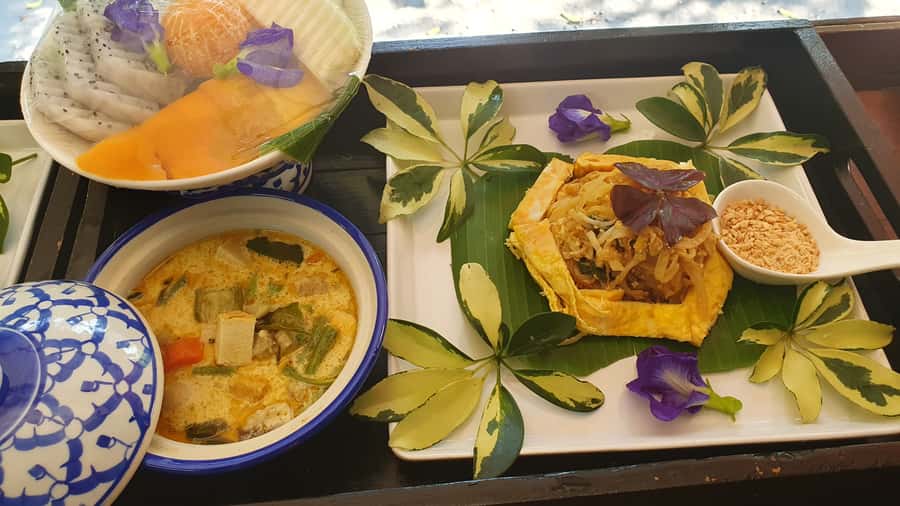
This retreat doesn’t treat culture like background decor. It’s part of the learning. You’ll get meditation and yoga practices connected to Buddhist culture, and you’ll also explore local temples as part of the cultural program.
From the way the host teaches, expect explanations that go beyond do this, sit here, breathe now. People highlight that the teacher can connect yoga and meditation to the deeper purpose of dealing with challenges, integration, and healing. That framing is practical. It helps you see meditation as a way to meet difficult feelings, not just a way to get calm.
Temple visits are especially valuable because they give context. In past retreats, the teacher has explained prayer and why people pray, not just what the motions are. If you’re someone who wants meaning, those teaching moments make the day feel more grounded and less like a generic spirituality class.
One more thing: the retreat includes time for conversation and reflection in addition to formal practice. That matters because meditation questions often show up after you sit for a while. If you can ask and get a real answer, you leave with tools, not just memories.
Rice Fields, Temples, and a Local Farmer’s Market
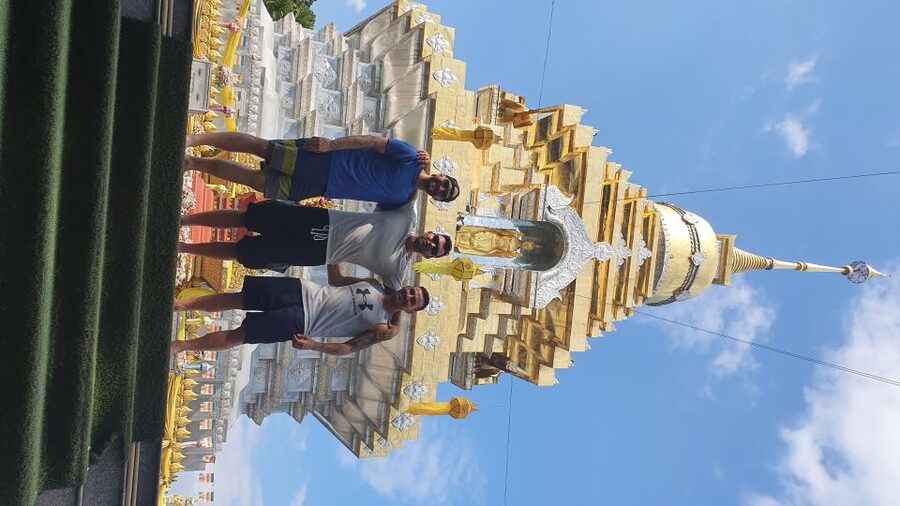
A big part of the experience is the outside world around the retreat, not only the timetable. The program includes exploring rice fields, visiting local temples, and spending time at a farmer’s market. There’s also the natural setting with a naturally flowing stream, which acts like a constant soundtrack for much of your quiet time.
Here’s what I think makes these stops more than just checkboxes. Rice fields and rural surroundings show a different rhythm of life than city Chiang Mai. You start to feel the connection between land, work, and daily practice, which makes mindfulness less like a concept and more like a habit.
Temple visits, on the other hand, show the living structure of Buddhist life. Even if you do not memorize every detail, you’ll walk away with a clearer idea of how people relate to prayer, community, and intention. The benefit is not religious conversion. It’s understanding the cultural logic behind the practices you’re learning.
Market time adds another layer. You get a taste of local daily life and see ingredients that show up in Thai vegetarian cooking. And if you are paying attention, you’ll begin noticing how food culture and mindfulness culture share the same values: attention, care, and respect for what is served.
Meals and Accommodation: Vegetarian Thai Food With Care
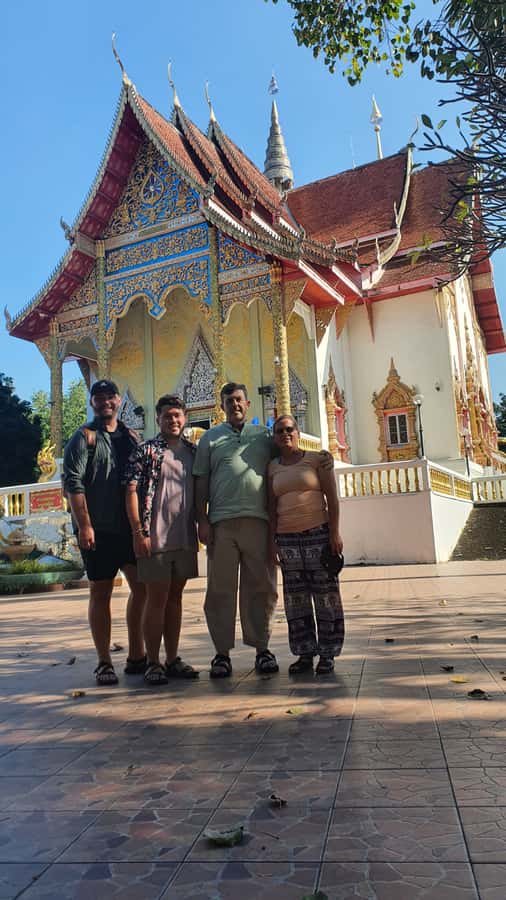
Let’s talk about food, because this is a key reason the retreat earns such strong praise. Breakfast and lunch are included, and they are vegetarian Thai authentic dishes. People describe the cooking as home-style, lovingly prepared, and often beautifully presented.
That combination of Thai flavor and vegetarian structure makes it easier for many people to settle in quickly. On a meditation retreat, you do not want your meals to feel heavy or stressful. You also want variety, and a Thai menu can do that without turning meal times into a guessing game.
Another practical win: meals are included in the retreat flow. In Chiang Mai, it’s easy to get tempted by street food and night market snacks, especially on a short trip. Here, your body is supported by consistent nutrition and simple routine, so your energy stays steadier across all the practice blocks.
Accommodation is described as a family place rather than a luxury resort. That doesn’t automatically mean basic. In fact, reviews emphasize comfort and safety. It usually means you should expect a quiet, lived-in setting, with the focus on the practices and the care around them.
The Price Tag: Is $514 Good Value?
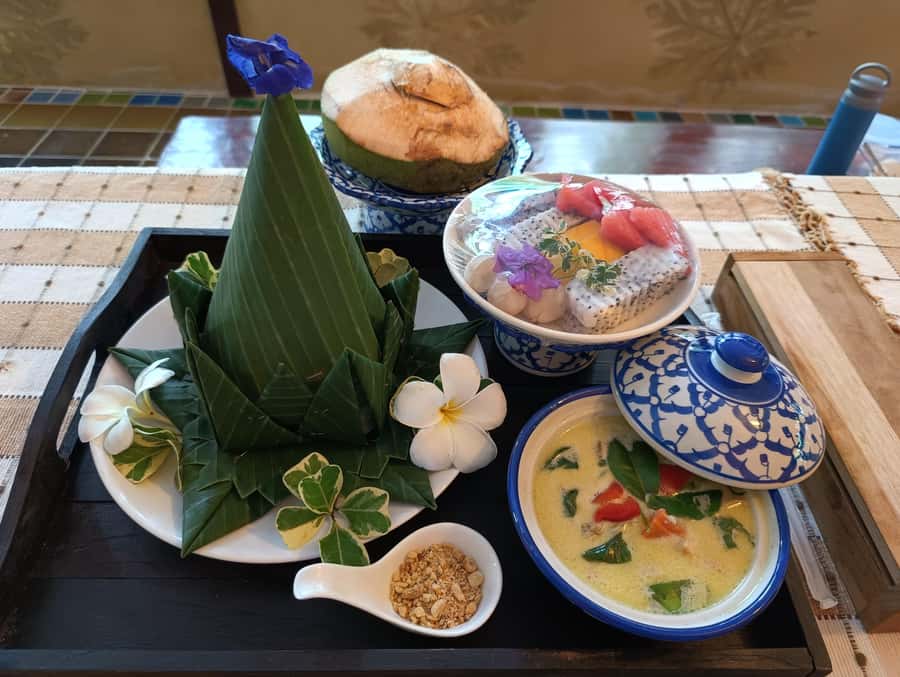
At $514 per person, you should evaluate the retreat as a package, not as a single class. What you’re paying for includes two nights of accommodation, included breakfasts and lunches with vegetarian Thai dishes, daily yoga sessions, daily mindfulness and meditation practices tied to Buddhist culture, and cultural outings such as rice fields, local temples, and a farmer’s market.
You also get free Wi-Fi and hotel or airport pickup and drop-off. In real travel terms, those items add up fast, especially in a place like Chiang Mai where transport and separate tours can get expensive and time-consuming.
Where the value really shows up is in the small-group size of up to 6 participants. Smaller groups usually mean more attention and fewer awkward gaps when you have questions. And if your group is on the smaller side, people have shared that they sometimes receive more personal guidance, including effectively having private-style attention during parts of the retreat.
The one caution on value is the overall style. It is not positioned as a high-end resort experience, and the program is intentionally simple and quiet. If you want constant entertainment or big sightseeing every day, you might feel the offering is more basic than you expected. If you want learning, quiet, and practice that you can carry home, the price starts to look fair.
Who This Retreat Fits Best (And Who Might Skip)
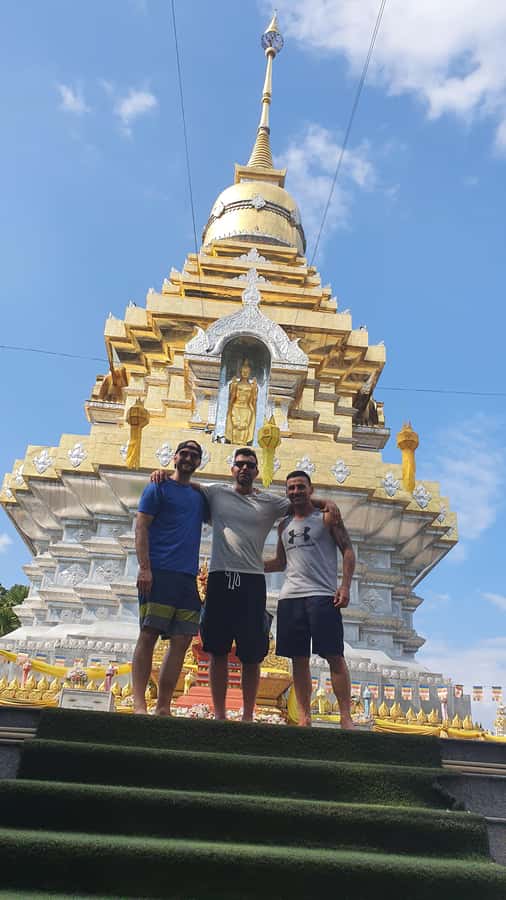
This retreat is a strong fit for you if you want to learn meditation and yoga in a structured way. It’s also a good match if you care about Buddhist culture and want the practice explained with patience, not treated like a vague belief system. Beginners often like it because the teaching is supportive and the pace is designed to help you stay safe and feel comfortable.
You’ll also likely enjoy it if you want a calmer Chiang Mai trip. With optional sessions and built-in rest time, the program gives your nervous system space to adjust. If your goal is healing through routine and reflection, the combination of nature, mindfulness, and guided yoga works well.
What might not fit? If you want classic Chiang Mai highlights like waterfalls, the night market, or an elephant sanctuary, those are not included. This retreat is designed for inward work and cultural learning, not a box-checking day tour.
Also consider your expectations about comfort level. It is family-run and quiet. That can be wonderful, but it’s not the same as a resort with constant amenities. If you need a luxury environment to relax, you might want to compare alternatives.
Practical Considerations for a Smoother Experience
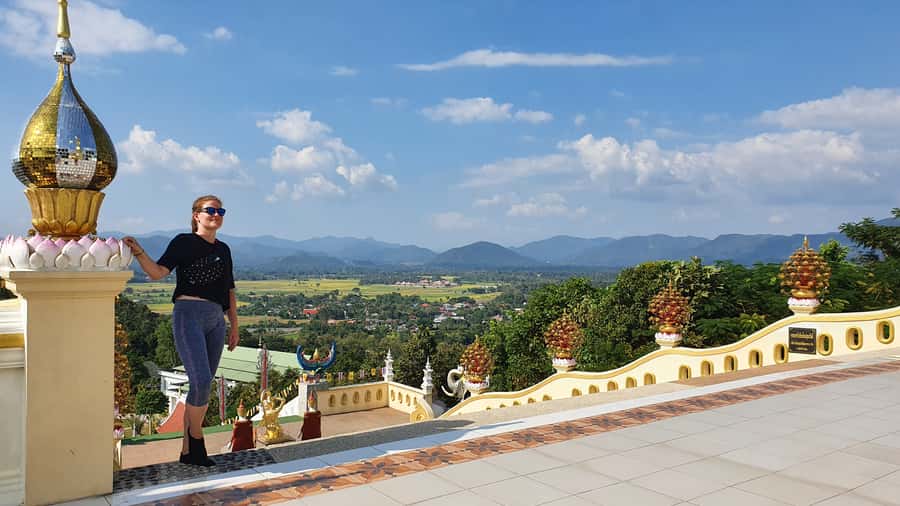
There’s one practical rhythm to this retreat that you’ll want to respect. The day has multiple teaching blocks and then rest time, so your energy matters. If you show up depleted from travel, prioritize the first day’s nature downtime instead of trying to “push through” right away.
Plan your mindset too. Meditation can feel challenging at first, especially when your attention notices feelings you usually avoid. The teaching approach here seems built for that. People describe being guided into meeting parts of themselves they often sidestep, and leaving with gratitude for what the practice reveals.
Finally, remember the group size. With up to 6 participants, the retreat can feel quiet and personal. If you prefer a more social travel vibe, you might find it calmer than you expect. But for many people, that’s the point.
Should You Book Chiang Mai’s 3-Day Meditation, Yoga & Cultural Retreat?
I’d tell you to book this retreat if you want an organized, beginner-friendly way to practice meditation and yoga with real Buddhist cultural context. The small-group size, nature setting by a stream and rice fields, and the consistently praised home-cooked vegetarian Thai meals make it feel like a complete experience, not just a couple of classes.
Skip it if you’re chasing big sightseeing highlights. Waterfalls, night market time, and elephant sanctuary visits are not part of the program. Also, if you expect luxury resort comforts, this is better described as a quiet family place where the focus stays on practice and care.
If your travel style leans toward calm learning, reflection, and returning home with a routine you can actually repeat, this retreat is a strong choice for Chiang Mai.
FAQ
How long is the retreat and what are the daily check-in and check-out times?
Check-in is at 14:00 on day 1, and check-out is at 14:00 on day 3. The retreat follows daily guided sessions for meditation and yoga, with meals included on each day.
What’s included in the retreat?
You get daily yoga practices, daily mindfulness and meditation practices connected to Buddhist culture, accommodation for 2 nights, breakfast and lunch with full vegetarian Thai authentic dishes, and time for cultural exploration such as rice fields, local temples, and a farmer’s market. Pickup and drop-off from your city hotel or the airport, plus free Wi-Fi, are also included.
Is this a small group experience?
Yes. The group is limited to 6 participants.
What language are the classes taught in?
The instructor teaches in English.
Are the meals included vegetarian?
Yes. Breakfasts and lunches are included and are full vegetarian Thai authentic dishes, described as home-cooked.
What is not included in the retreat?
Waterfalls, the night market, and an elephant sanctuary are not included.
What is the cancellation policy?
Free cancellation is available up to 24 hours in advance for a full refund.
Newest Chiang Mai reviews on the site
- Tour with Hike in Kiew Mae Pan Natural Trail from Chiang Mai★ 4.8 · 26 reviews
- Chiang Mai: 22 km XC Mountain Biking from Sticky Waterfall★ 4.7 · 13 reviews
- Sticky Waterfall Half-day with Private Car★ 4.9 · 37 reviews
- Sticky waterfalls- Elephants- Bamboo or White water rafting.★ 5.0 · 9 reviews
- Red, Blue, White Temples & Hot Spring Trip from Chiang Mai★ 4.4 · 143 reviews
- Private Tour Pha Chor Canyon & Doi Inthanon National Park★ 5.0 · 23 reviews
- Private Tour Doi Inthanon, Trekking Kew Mae Pan Nature Trail★ 5.0 · 11 reviews
- Private Doi Inthanon, Nature Trail, Wat Phra That Doi Kham★ 5.0 · 6 reviews
3-Day Experiences, compared.

Open Water Course – Become certified diver in 3 days
Read our review →

3-Day River Kwai, Floating Market and Erawan Waterfalls
Read our review →



Koh Chang: 3-Day PADI Open Water Scuba Dive Course
Read our review →
Khao Sok 3 Day 2 Night Adventure Escape with 7 Meals
Read our review →Browse the lists this tour appears in