
Review · TEMPLE TOURS
Chiang Mai: Elephants, Sticky Waterfalls, Market and Temple
One day in Chiang Mai can feel like four.
This tour strings together Northern Thai culture with real countryside roads, wet waterfall fun, colorful temple beauty, and close-up elephant time in a sanctuary setting.
I especially like the hands-on elephant care activities, including making herbal vitamin balls and helping with feeding. I also like how Wat Ban Den is both Lanna architecture and a living place of worship, not just a photo stop. One thing to consider: the sticky waterfalls can be slippery and busy in peak season, so you’ll want the right gear and a towel ready.
If you like a day that moves but stays organized, this hits the sweet spot. Just remember the elephant portion involves getting wet, warm outfits, and structured interaction, so it may not match everyone’s ideal idea of an ethical encounter.
In This Review
- Key highlights I’d plan around
- A full-day Chiang Mai mix that actually makes sense
- Pickup, van time, and how the day runs (10:45 to late afternoon)
- ตลาดเจดีย์แม่ครัว market stop: bugs, food culture, and rural life
- Bua Thong sticky waterfalls: spider climbing, real water, real work
- What to bring for the waterfall
- Wat Ban Den Temple: Lanna architecture in white, green-blue, and pink
- Countryside roads: rice fields, villages, and a slower view
- Elephant Welfare Sanctuary: Mahout uniform, vitamin balls, feeding, bathing
- A balanced note on ethics
- Lunch and small comfort perks that keep the day fun
- Price and value: what you pay for, and why it works
- Who this tour is best for (and who should reconsider)
- Practical tips so you enjoy the sticky and the sacred
- Should you book this Chiang Mai day?
- FAQ
- What time does pickup start, and how long is the tour?
- Is hotel pickup and drop-off included?
- What elephant activities are included?
- What should I bring for Bua Thong sticky waterfalls and the temple?
- Is lunch included, and is water provided?
- Who is this tour not suitable for?
Key highlights I’d plan around
- Market snacks and insect-food culture at ตลาดเจดีย์แม่ครัว, plus lifestyle context from your guide
- Bua Thong sticky waterfall climbing where you can go up and down the rocks like a spider
- Wat Ban Den’s Lanna color mix in white, green-blue, and pink, with a calmer feel than the big-name temples
- Elephant Mahout-style participation with uniforms, vitamin ball prep, feeding bananas and sugarcane, and bathing
- Small group van day limited to 9 people, with English support and included water and snacks
A full-day Chiang Mai mix that actually makes sense
Chiang Mai has plenty of temple tours. It also has elephant experiences. The difference here is that you get a full arc of the region in one day, starting with daily food culture at a local market, then shifting to nature at Bua Thong, then to temple art and daily spiritual life, and finally to elephant care in the countryside.
You also get time on the road through villages, paddy rice fields, and orchard areas. That part matters, because it’s the context that makes the rest of the day feel less like checkboxes and more like the way people actually live here.
More Market Tours in Chiang Mai
- Chiang Mai: Cooking Class, Market & Thai Herbs Garden Tour
★ 4.9 · 4,824 reviews - Chiang Mai: Authentic Cooking Class with Market & Farm Visit
★ 4.9 · 4,546 reviews - Chiang Mai: Cooking Class with Market and Pickup
★ 4.9 · 1,365 reviews
Pickup, van time, and how the day runs (10:45 to late afternoon)
Pickup starts at 10:45 am from your selected meeting point or hotel lobby options. A van handles transport between stops, and the group stays small, capped at 9 participants. This is one of those formats where you avoid the hassle of planning multiple rides, but you still get guided time at each main site.
The pacing is built for a long day, around 450 to 510 minutes total. You’ll likely have short guided segments, plus time where you can move at your own speed at the market and during the waterfall and temple parts. If you dislike rushed days, this structure is usually a better fit than the super-compact half-day tours.
ตลาดเจดีย์แม่ครัว market stop: bugs, food culture, and rural life
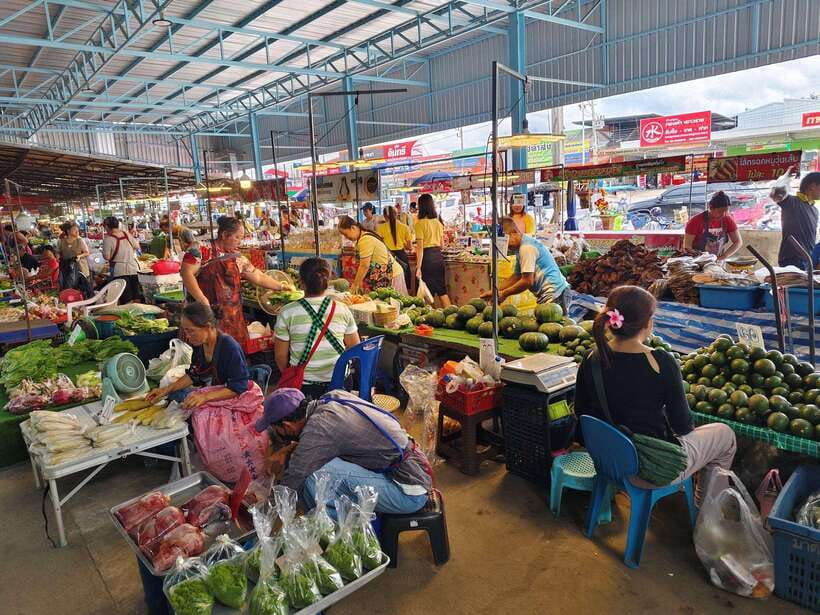
The morning begins with a visit to the ตลาดเจดีย์แม่ครัว market. Expect an eye-opening sensory start. This is not a mall-style market. It’s a place where you can see the kinds of ingredients people buy and how rural food culture shows up on real stalls.
One highlight for me is the way the guide frames what you’re seeing. You get explanation about food and everyday lifestyles, and you’ll see items like insects, worms, and other bug-based foods. Even if you don’t try everything, it helps you understand the logic behind local cooking, not just the shock value.
You’ll also get snacks during the day, and this market time gives you a good chance to settle your energy level before the waterfall. Bring cash if you want to buy extras, since that’s specifically listed.
Bua Thong sticky waterfalls: spider climbing, real water, real work
Next up is Bua Thong Sticky Waterfalls, guided and timed at about 100 minutes. Here’s the unique part: the rocks have a sticky surface, so you can climb up and down like a spider, rather than just watching from below.
This is fun, but it’s also physical. You’ll be climbing wet surfaces, stepping carefully, and getting splashed. Peak season can mean crowds, which can make the lines and the traffic on the rocks slower. I’d treat the waterfall as your main activity for the day, not as a quick photo break.
More Shopping Tours in Chiang Mai
- Chiang Mai: Evening Cooking Class and Local Market Visit
★ 4.9 · 648 reviews - Chiang Mai: Evening Local Street Food Market Tour
★ 4.8 · 604 reviews - Chiang Mai: Kalare Night Bazaar Boxing Stadium Muay Thai
★ 4.7 · 507 reviews - Evening Cooking Class in Organic Farm with Local Market Tour
★ 5.0 · 394 reviews
What to bring for the waterfall
This stop is why you pack smart:
- Change of clothes and a towel are non-negotiable
- Comfortable shoes with grip matter a lot
- Sunscreen and insect repellent help because you’re outdoors
If you want an extra layer of comfort, I’d consider water shoes or anything you can easily rinse. The goal is simple: protect your feet and reduce the stress when the water starts flying.
Wat Ban Den Temple: Lanna architecture in white, green-blue, and pink
After the waterfall, you switch gears to a temple visit at Wat Ban Den (often written Wat Banden or Ban Den). Your guided time is about 40 minutes, and this is one of the best parts of the day for people who want more than basic temple boxes.
What makes Wat Ban Den special is the color palette. You’ll see a mix of white, green-blue, and pink tones, with Lanna architecture style that feels both artistic and peaceful. It’s also described as a place locals come to worship, not just to take selfies and move on.
A practical tip from the field: plan for temple footwear rules. One guide-led suggestion people share is bringing socks so removing shoes doesn’t turn into a foot-burn situation. If you forget, you can still manage, but socks are an easy comfort win.
Countryside roads: rice fields, villages, and a slower view
Between the temple and the elephant sanctuary, you drive countryside roads for about 2 hours, plus additional van time for transfers. You’re looking at villages, paddy rice fields, and orchard areas along the route.
This segment matters because it’s where Chiang Mai stops feeling like a set of attractions and starts feeling like a living place. If you’re the type who likes seeing how people grow food and move through daily life, this road time is genuinely worthwhile.
Elephant Welfare Sanctuary: Mahout uniform, vitamin balls, feeding, bathing
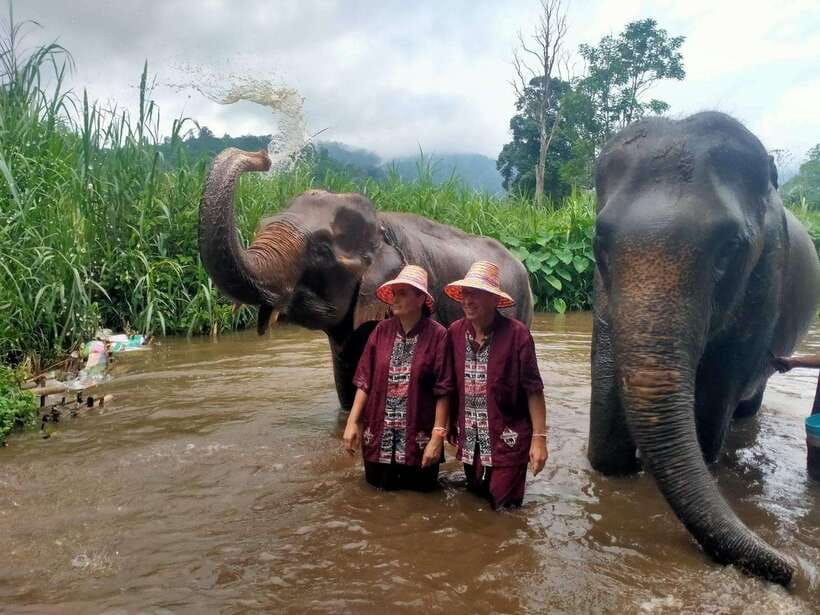
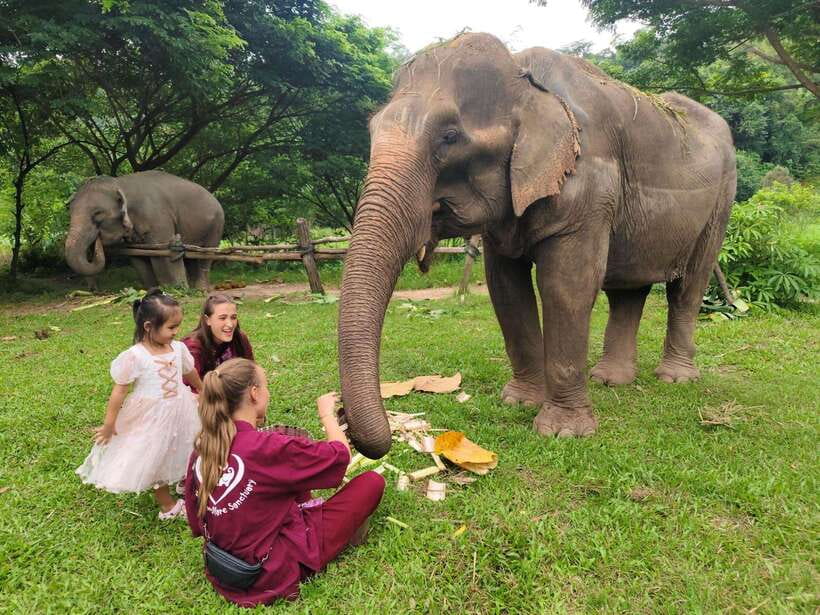
The elephant part is the emotional centerpiece. You go to an Elephant Welfare Sanctuary where you put on Mahout uniforms, then join activities designed around daily care.
You’ll start with making herbal elephants’ vitamin and medicine balls. The purpose is practical: elephants can have digestion issues after eating, so these are part of their care routine. Then you move into feeding and interaction.
Here’s what’s included and what you should expect:
- Feeding with bananas and sugarcane
- Walking with the elephants and observing them
- Taking photos during the activities
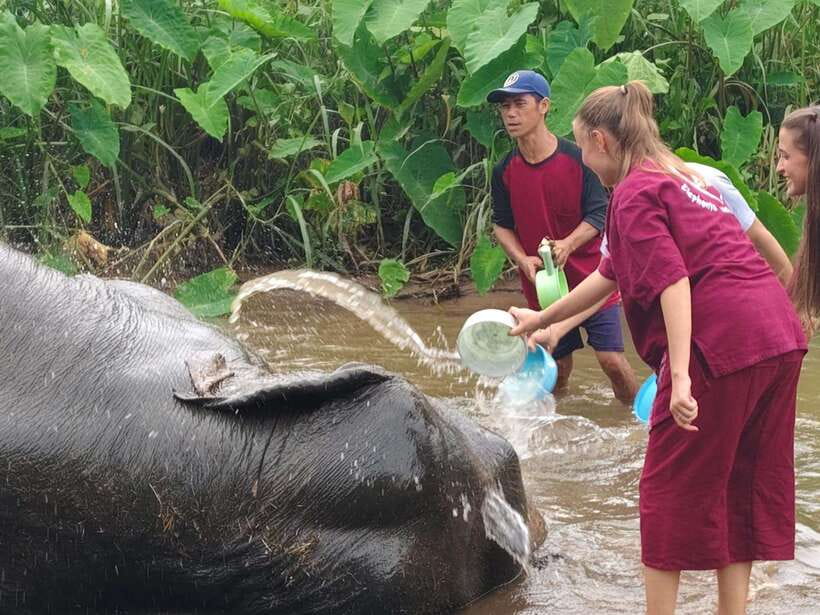
- Bathing them in the water, which means you will get wet
- Help and instruction from sanctuary caretakers
Your guide stays with you, and some people also mention sanctuary staff by name, like Cookie Monster, who helps make the experience feel friendly and clear.
A balanced note on ethics
This is the one section where I’d encourage you to think for yourself. Some people love the closeness, including touching and getting in the water. Others have raised concern that certain interactions can look training-like or structured. What I take from that is not to panic, but to observe how the sanctuary staff behave and what the elephants’ body language looks like during the activities.
You can still enjoy the experience while staying mindful.
Lunch and small comfort perks that keep the day fun
Lunch is served at a local area, included in the price. It’s your reset point, and it also helps you avoid the awkward problem of finding food while your day schedule is moving.
You also get drinking water and snacks. In Thailand heat, this makes a real difference. It keeps you from turning the later stops into a scramble, especially before the sticky waterfall and after the elephant portion.
Price and value: what you pay for, and why it works
At about $70 per person, the value comes from the combination. A market tour alone usually costs less, a temple stop usually costs less, and waterfall tickets alone are cheaper than elephant access. The price gets justified by stacking multiple major experiences plus transport, guides, admissions, and included meals and water.
You’re also not just buying a “look at elephants” moment. You’re paying for guided context (market, temple, countryside), plus specific elephant care participation like vitamin ball prep and bathing.
That said, it is still a full-day format. If your priority is only a temple or only a waterfall, you might find this more than you need. If you want one organized day that gives you the best of Chiang Mai in a single push, it’s a solid deal.
Who this tour is best for (and who should reconsider)
This works really well for:
- People who like a small group day with an organized schedule
- First-timers who want multiple Chiang Mai highlights in one go
- Active travelers who don’t mind climbing wet rocks
- Anyone curious about Northern Thai food culture and Lanna temple art
It may not be the right fit for:
- Pregnant women
- People with mobility constraints such as wheelchair users
- Anyone who finds wet, uneven surfaces stressful
Also, the activity listing says it’s not suitable for people outside certain age ranges, including people over 75.
Practical tips so you enjoy the sticky and the sacred
Here’s what I’d do to maximize comfort and minimize surprises:
- Pack change of clothes and a towel for the sticky waterfall and elephant bathing
- Bring sunscreen and insect repellent since you’re outdoors for long stretches
- Wear comfortable clothes you don’t mind getting wet
- Keep cash on hand for any extra market buys
- If you’re sensitive to heat on temple floors, add socks to your day bag
- Avoid smoking indoors and don’t bring food into the vehicle, since those rules are specified
For photos, it helps to be clear about what you want. Some people end up with lots of photos taken during the day. If sharing those photos matters to you, it’s worth asking your guide up front how and when they’ll be delivered.
Should you book this Chiang Mai day?
I’d book it if you want one organized day that covers market culture, Bua Thong sticky waterfalls, Wat Ban Den, and elephant care without juggling separate tickets and transfers. The small group setup, the included water and snacks, and the hands-on elephant activities make it feel like more than a typical sightseeing circuit.
I’d hesitate only if you strongly prefer low-contact animal ethics, or if climbing wet rocks sounds like your idea of stress. If you’re in the “I want variety and I can handle a full day” camp, this tour is a very practical way to experience Chiang Mai beyond the city center.
FAQ
What time does pickup start, and how long is the tour?
Pickup starts at 10:45 am, and the full experience runs about 450 to 510 minutes.
Is hotel pickup and drop-off included?
Yes. Round-trip transfer is included to and from your hotel or Airbnb or guesthouse locations, using the listed pickup and drop-off options.
What elephant activities are included?
The package includes elephant care-taker uniforms (Mahout outfits), making herbal vitamin and medicine balls, feeding elephants with bananas and sugarcane, walking with them, taking photos, bathing them, and observing them.
What should I bring for Bua Thong sticky waterfalls and the temple?
Bring comfortable shoes, a sun hat, change of clothes, a towel, sunscreen, insect repellent, and camera. For the temple, people may need to remove shoes, so socks can help with comfort.
Is lunch included, and is water provided?
Lunch is included, and drinking water and snacks are also included during the tour.
Who is this tour not suitable for?
The activity listing states it is not suitable for wheelchair users, people over 75, and it excludes certain age groups, plus pregnant women.
More Temple Visits around Chiang Mai
- Chiang Rai Temples: Private Tour from Chiang Mai
★ 5.0 · 1,267 reviews - From Chiang Mai: White Temple & Golden Triangle Day Trip
★ 4.6 · 1,193 reviews - From Chiang Mai: Chiang Rai’s Temples Exploration Day Trip
★ 4.5 · 871 reviews - Chiang Mai – Doi Suthep Temple & Wat Pha Lat Hike
★ 4.6 · 740 reviews
More Temple Tours in Chiang Mai
- Chiang Mai: Chiang Rai Temples, Karen Tribe and Hot Springs
★ 4.7 · 5,401 reviews - Chiang Rai White Temple and Blue Temple Day Tour
★ 4.6 · 3,366 reviews - Chiang Mai: White, Red/Black & Blue Temples Tour with Lunch
★ 4.2 · 2,017 reviews - Chiang Mai: 3 Hour Old City and Temples Guided Walking Tour
★ 4.6 · 1,568 reviews
Newest Chiang Mai reviews on the site
- Tour with Hike in Kiew Mae Pan Natural Trail from Chiang Mai★ 4.8 · 26 reviews
- Chiang Mai: 22 km XC Mountain Biking from Sticky Waterfall★ 4.7 · 13 reviews
- Sticky Waterfall Half-day with Private Car★ 4.9 · 37 reviews
- Sticky waterfalls- Elephants- Bamboo or White water rafting.★ 5.0 · 9 reviews
- Red, Blue, White Temples & Hot Spring Trip from Chiang Mai★ 4.4 · 143 reviews
- Private Tour Pha Chor Canyon & Doi Inthanon National Park★ 5.0 · 23 reviews
- Private Tour Doi Inthanon, Trekking Kew Mae Pan Nature Trail★ 5.0 · 11 reviews
- Private Doi Inthanon, Nature Trail, Wat Phra That Doi Kham★ 5.0 · 6 reviews
Temple Tours, compared.
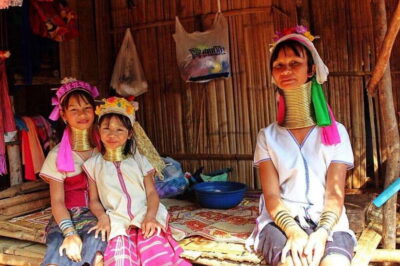
Chiang Rai Temples, Karen Tribe and Hot Springs
Read our review →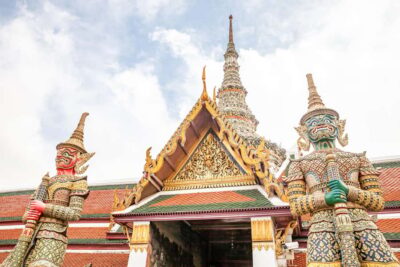
City Highlights Temple and Market Walking Tour
Read our review →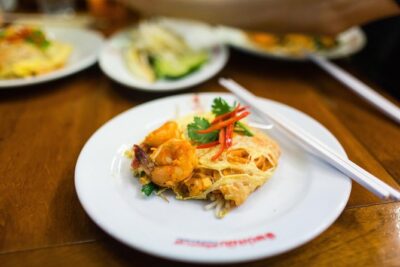
Bangkok by Night: Temples, Markets and Food Tuk-Tuk Tour
Read our review →
Tiger Cave Temple, Emerald Pool and Hot Springs Tour
Read our review →
Chiang Rai White Temple and Blue Temple Day Tour
Read our review →
Tiger Cave, Hot Springs and Emerald Pool Jungle Tour
Read our review →
Markets, Temples and Food Night Tour by Tuk Tuk
Read our review →Browse the lists this tour appears in