
Review · FOOD & DRINK
Chiang Mai: Local Food and Markets Guided Walking Tour
If you want flavor fast, this tour is your shortcut. You’ll walk through street-food lanes, hit classic markets, and learn what makes Chiang Mai’s food scene tick, from Chinese roots to local favorites like Hakka-style noodles.
What I really like is the mix of hands-on tastings and street-level context. The guide names the dishes, explains how people actually eat them, and helps you order without feeling lost. I also like the low-impact, GSTC-certified approach, with carbon emissions offset credits built into the experience.
The main consideration: food is not included in the price. You’ll pay for tastings at each stop (even though the options are clearly set), so come with cash and a decent appetite.
In This Review
- Key things worth knowing before you go
- Walking into Chiang Mai’s food world, one stall at a time
- Getting started at Khua Khaek bridge and what to bring
- Lung Khajohn Wat Ket and Khao Kriab Pak Moh: sweet, peanut-filled comfort
- Ton Lamyai Flower Market: a colorful pause before the crunch
- Go Neng and pa thong ko: the dinosaur-shaped snack
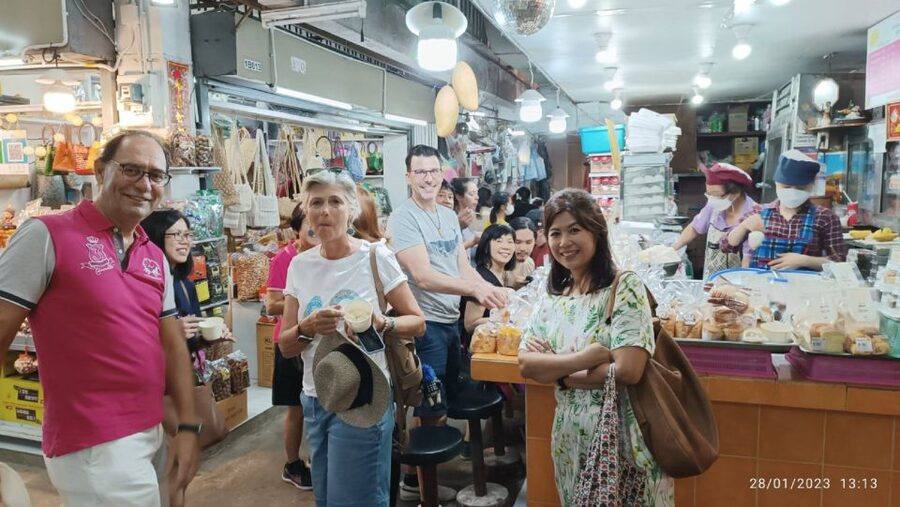
- Warorot Market: where shopping and snack energy collide
- Mango sticky rice: the sweet finish you’ll look for
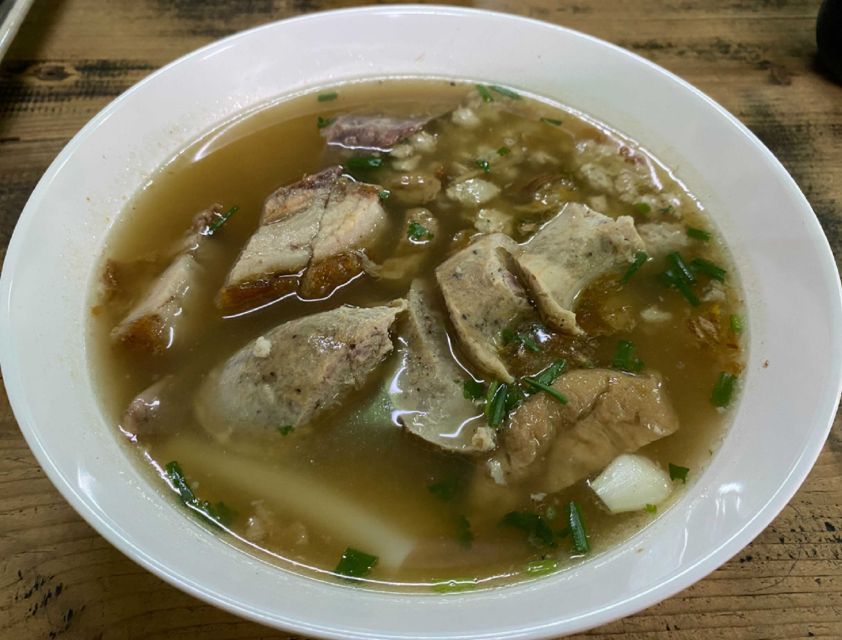
- Thana Ocha and Hakka-style noodles: the savory payoff
- What you’ll actually taste, and how to decide at each stop
- Price and value: $48 for guidance, pacing, and access
- Timing choices, traffic, and why the afternoon can feel rushed
- Who this tour is best for, and who should skip it
- Guide quality: what consistently wins praise
- Practical tips to make your snack walk smoother
- Should you book the Chiang Mai Local Food and Markets Guided Walking Tour?
- FAQ
- Where is the meeting point?
- How long is the Chiang Mai food and markets guided walking tour?
- Is hotel pickup and drop-off included?
- What food is included in the tour price?
- What tasting options might I try?
- Is there a vegan option?
- What languages are spoken on the tour?
- What should I bring with me?
- Is the tour GSTC-certified and does it have a sustainability component?
- Is the tour suitable for everyone?
Key things worth knowing before you go
- Meet at Khua Khaek bridge: easy to find, and your guide will hold a TripGuru sign.
- Tastings are the point: you’ll sample several snacks, including Hakka-style dishes and sweet mango sticky rice.
- Early start helps: mornings are less crowded, and the pacing works better before some stalls close.
- Comfort shoes matter: you’ll walk a fair bit, and you’ll bounce between markets and food stops.
- No vegan option: plan around what’s on offer, not what you wish they served.
- English and friendly guides: guides like Nom, Koi, Patty, Pim, and Nana are repeatedly praised for clear explanations and warm service.
Walking into Chiang Mai’s food world, one stall at a time
Chiang Mai food can feel like a maze when you first arrive. This walking tour solves that problem in a very practical way: you follow a guide, stop where the locals stop, and you get small bites that let you sample variety without committing to a single big meal.
You also get stories, not just snacks. Expect explanations that connect dishes to the city’s mix of influences. Chiang Mai has long ties to Chinese communities, and you can taste that in what shows up on menus and at market stalls. The guide helps you understand why certain dishes look the way they do, and how you should eat them so it makes sense.
Duration is about 150 minutes, with a walking pace that stays active. One review mentioned the route felt like about 2.5 miles, which lines up with what you’d expect from a market-focused walk plus short hops between stops. If you want a slow stroll, this is not that kind of tour.
More Food Tours in Chiang Mai
- Small-Group Chiang Mai Evening Street Food Tour
★ 4.5 · 826 reviews - Chiang Mai: Evening Local Street Food Market Tour
★ 4.8 · 604 reviews - Northern Flavours Chiang Mai Food Tour with 15+ Tastings
★ 5.0 · 513 reviews
Getting started at Khua Khaek bridge and what to bring
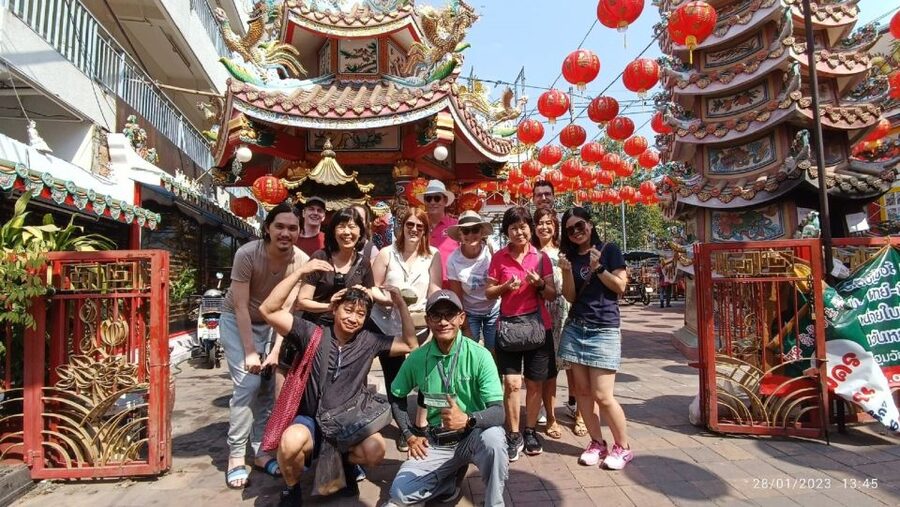
Your meeting point is Chansom Memorial Bridge (Khua Khaek), opposite Ton Lamyai Flower Market. Your guide holds a TripGuru sign. Show up about 10 minutes early, because the guide can only wait up to 10 minutes after the scheduled pickup time. Morning traffic can stretch travel time, so build in extra buffer.
This is a market day, which means you need the basics:
- Comfortable shoes (you’ll be on your feet)
- Cash for food and tastings
- Sunscreen, sunglasses, and a hat
- Insect repellent
- Camera if you like street scenes and food close-ups
Also, the tour runs with English and Thai guides. Most reviews praise the English level, but if you want extra clarity on spice levels or ingredients, this is a good time to ask.
Lung Khajohn Wat Ket and Khao Kriab Pak Moh: sweet, peanut-filled comfort
The tour begins with a snack stop at Lung Khajohn Wat Ket. This is where you try Khao Kriab Pak Moh, sweet steamed rice skin dumplings often filled with peanuts.
Why I like this first: it’s a gentle warm-up. After a short walk, you get something soft and lightly sweet that anchors the rest of the day. It also sets up the theme of the tour, which is food you might not order confidently on your own. Dumplings like this are the kind of dish where the shape and texture matter as much as the flavor.
A drawback to keep in mind: it’s sweet. If you already like to eat light in the morning, you might not love starting off with dessert-like flavors. But if you’re doing this at lunchtime, the sweet start can feel like a fun palate reset before savory stops.
Ton Lamyai Flower Market: a colorful pause before the crunch
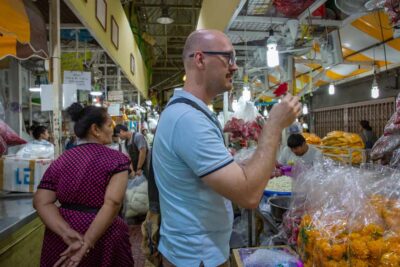
Between food bites, you pass through Ton Lamyai Flower Market. Even if you’re not a flower person, this is a quick breather from food smells and a visual change of pace.
The value here is simple. You’re in a market district, and flowers remind you that this area isn’t only about snacks. It’s also about daily life and local trade. Plus, if you’re the type who likes taking photos, this stop gives you color without slowing the schedule too much.
The trade-off is time. If you want more time shopping or lingering, you won’t get that. This is a guided walk with tastings, so the flower market is more of a guided pass-through than a long browse.
More Walking Tours in Chiang Mai
- Chiang Mai: 3 Hour Old City and Temples Guided Walking Tour
★ 4.6 · 1,568 reviews - Chiang Mai: Historic Temples and City Guided Walking Tour
★ 4.7 · 650 reviews - Chiang Mai: Temple And City Walking Tour Part I
★ 4.7 · 244 reviews - Chiang Mai Untouched Elephant: Nature Walk & Waterfall Trek
★ 4.7 · 77 reviews
Go Neng and pa thong ko: the dinosaur-shaped snack
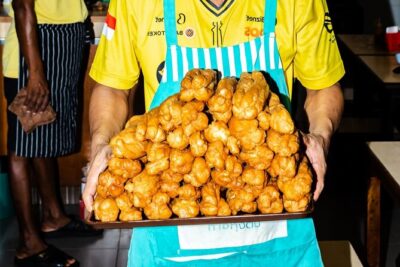
Next up is Go Neng for Pa Thong Ko, a Chinese-influenced deep-fried dough snack. The most common description is that the pieces look oddly shaped, sometimes compared to dinosaurs.
This is one of the stops that earns repeat mentions because it’s fun to eat and easy to understand once you’ve seen the shapes. It’s also a classic street snack, which means you’ll learn what local people are actually grabbing when they want something quick.
One consideration: fried dough is fried dough. If you’re sensitive to oily foods or you’re already full from a big meal, this part can feel heavy. A couple of reviews warned to avoid a big breakfast if you’re doing the midday slots, and that advice is spot on.
Warorot Market: where shopping and snack energy collide
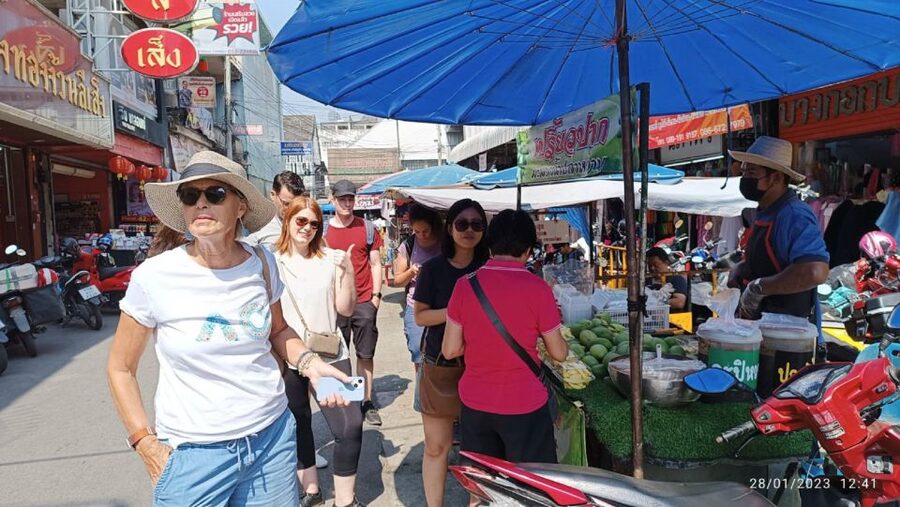
After the early bites, you hit Warorot Market, a major market where you can find snacks, produce, and even clothing. This is where the tour’s shopping and eating overlap the most.
Warorot is special because it’s not just about eating. It’s a real market with lots of day-to-day activity, which makes the food feel grounded. You’re not just sampling dishes, you’re watching the local rhythm that feeds those dishes.
Mango sticky rice: the sweet finish you’ll look for
Within Warorot, you hunt down the stall for mango sticky rice. This is one of the most famous Thai sweets, and you’ll see it at other places in Chiang Mai, but having it as a guided stop helps for two reasons:
- You go to a specific place the guide recommends.
- The timing often makes it land perfectly between savory tastings.
If you love sweet flavors, you’ll probably want to pace yourself here. Mango sticky rice can be filling, and it’s also the “dessert in the middle” moment some people don’t anticipate until they’re already eating it.
Thana Ocha and Hakka-style noodles: the savory payoff
The final stop is Thana Ocha, where you try Hakka-style noodles with a mix of toppings like Hakka stuffed tofu, fish sausage, and wontons.
This is your savory payoff. The tour builds from smaller snacks into a more satisfying noodle dish, so you end full instead of just “snacky.”
Why this ending works:
- Noodles feel like a real meal, not a snack break.
- The toppings let you taste more than one texture and flavor in a single stop.
- It highlights the city’s food blend, including Chinese community influences and local Thai adaptations.
If you’re cautious about specific ingredients, you may want to ask what’s inside the tofu or wontons, especially if you’re not sure about fish products. This tour is also not suitable for vegans, so keep that in mind when thinking about the final dish.
What you’ll actually taste, and how to decide at each stop
The tour lists possible tastings you can choose from at your own expense, including:
- Hakka-style noodle
- Sticky rice with mango
- Pa Thong Ko (deep-fried dough sticks)
- Khao Kriab Pak Moh (steamed rice skin dumplings)
In practice, you’ll likely follow the guide’s recommended sequence, but you may have options depending on availability that day. One reason guides get such high marks in reviews is that they handle the “which stall, which dish” decisions for you.
My advice: tell the guide what you like and what you don’t. If you hate overly sweet food, mention it before the first stop. If you’re nervous about fried snacks, ask how to handle portion size. Most guides can adjust a little while still giving you the core lineup.
Price and value: $48 for guidance, pacing, and access
At $48 per person for about 150 minutes, you’re paying mostly for three things:
- A guide who knows where to go and what to order
- A structured route that keeps you from wandering aimlessly
- Low-impact credits tied to the tour
The big “value math” detail is that food and tastings are not included. That means the total cost depends on how many tasting items you choose, and how hungry you are. Several reviews mention you’ll be taking out your wallet at multiple stops, which is normal for this kind of tour, but it can feel annoying if you prefer one all-in price.
So, how do you judge if it’s worth it? If you’re doing Chiang Mai for the first time, this price makes sense because you’re buying shortcuts. You’re also buying confidence. Without a guide, you might skip dishes that look unfamiliar, or you might end up in more touristy areas.
If you’re already a street food expert who knows exactly where you want to eat, you could do it on your own. But if you want guidance, the route, and the explanations, this is a fair deal.
Timing choices, traffic, and why the afternoon can feel rushed
You can choose from multiple start time options. Morning slots often work best because markets open up and stalls are less crowded. A review that mentioned doing it right as markets opened called out that the experience felt smoother without the heavy crowds.
Also, there’s a time reality: some restaurants close earlier than you might expect in a market district. One piece of tour guidance notes that if you choose the later 2:30 pm slot, the guide may take you to alternative street food stalls to keep you on track. One review also cautioned that 2:30 pm can feel rushed because many places close around 4 pm.
My practical take: if you want the most relaxed pacing, choose an earlier slot. If you can only do afternoon, go in knowing you may see substitutes.
Who this tour is best for, and who should skip it
This walking tour is a good match if you:
- Want an organized way to sample Chiang Mai street food
- Like market energy and don’t mind a fast pace
- Appreciate clear English explanations while you eat
- Want both savory and sweet stops, not just one or the other
It’s not suitable for:
- People with mobility impairments
- Pregnant women
- People with heart problems or respiratory issues
- Vegans (no vegan option is available)
If you’re sensitive to fried foods or you get overwhelmed by lots of smell and noise, consider eating lightly beforehand and drinking water during breaks. The guide can help you choose, but you’re still walking through active markets.
Guide quality: what consistently wins praise
The most praised aspect across reviews is the guides themselves. Names that come up include Nom, Koi, Patty, Pim, Banana, Sunny, Nana, Watsana Chaiya, and Lana. Common praise themes are:
- Guides are friendly and attentive
- English is often excellent
- Guides explain dishes and customs, not just locations
- Guides adjust when a place is busy or closed
That last point is quietly important. Markets change fast. If a stall is crowded or not operating, the guide’s ability to reroute while keeping the food theme intact is what keeps the tour from falling apart.
Practical tips to make your snack walk smoother
A few things will make your tour feel easier and more fun:
- Eat a light breakfast or skip it if you’re doing a lunchtime slot. Fried snacks stack fast.
- Bring cash and expect to pay for tastings at stalls.
- Wear shoes with grip. Market sidewalks and uneven paths can be annoying in flip-flops.
- Take photos, but keep your camera ready for the food you can’t get as easily elsewhere.
- Ask about ingredients if you have dietary concerns around seafood or pork. This tour is not vegan, but you can still clarify what’s in your bowl.
And if your guide recommends you try something specific, listen. Several reviews mention that when the guide steers the order, the food quality and value improve.
Should you book the Chiang Mai Local Food and Markets Guided Walking Tour?
Book it if you want a short, organized way to experience Chiang Mai’s food culture without guessing where to go. The $48 price is solid for the guide, the route, and the low-impact credits, as long as you’re comfortable paying for tastings separately.
Skip it or rethink it if:
- You need a vegan option
- You have mobility or health constraints that make walking and markets difficult
- You hate paying for food separately from the tour cost
- You prefer a slow, museum-style pace
If you’re flexible, bring comfortable shoes, show up ready to eat, and let your guide do the hard part, you’ll leave with a real feel for what Chiang Mai people actually snack on and serve, from sweet dumplings to Hakka noodle comfort.
FAQ
Where is the meeting point?
You meet at Chansom Memorial Bridge, locally known as Khua Khaek, opposite Ton Lamyai Flower Market. Your guide will hold a TripGuru sign.
How long is the Chiang Mai food and markets guided walking tour?
The duration is 150 minutes.
Is hotel pickup and drop-off included?
No. Hotel pickup and drop-off are not included.
What food is included in the tour price?
Food and tasting expenses are not included in the tour price. You pay for tastings at the stops.
What tasting options might I try?
Possible tasting choices include Hakka-style noodles, sticky rice with mango, Pa Thong Ko (deep-fried dough sticks), and Khao Kriab Pak Moh (steamed rice skin dumplings).
Is there a vegan option?
No vegan option is available.
What languages are spoken on the tour?
The live guide speaks English and Thai.
What should I bring with me?
Bring comfortable shoes, sunglasses, a hat, a camera, sunscreen, insect repellent, and cash.
Is the tour GSTC-certified and does it have a sustainability component?
Yes. It is described as GSTC-certified and includes carbon emissions offset credits.
Is the tour suitable for everyone?
No. It is not suitable for pregnant women, people with mobility impairments, people with heart problems, or people with respiratory issues.
More Food & Drink in Chiang Mai
- The 10 Tastings of Chiang Mai With Locals: Private Street Food Tour
★ 5.0 · 216 reviews - Taste of Chiang Mai: Michelin Guide & Street Food Tour
★ 4.9 · 159 reviews - Chiang Mai: Food Tour by Songtheaw Truck with 15+ Tastings
★ 4.9 · 157 reviews - Chiang Mai Pub Crawl: 4 Venues, Beer Buffet & VIP Entry
★ 4.5 · 107 reviews
Newest Chiang Mai reviews on the site
- Tour with Hike in Kiew Mae Pan Natural Trail from Chiang Mai★ 4.8 · 26 reviews
- Chiang Mai: 22 km XC Mountain Biking from Sticky Waterfall★ 4.7 · 13 reviews
- Sticky Waterfall Half-day with Private Car★ 4.9 · 37 reviews
- Sticky waterfalls- Elephants- Bamboo or White water rafting.★ 5.0 · 9 reviews
- Red, Blue, White Temples & Hot Spring Trip from Chiang Mai★ 4.4 · 143 reviews
- Private Tour Pha Chor Canyon & Doi Inthanon National Park★ 5.0 · 23 reviews
- Private Tour Doi Inthanon, Trekking Kew Mae Pan Nature Trail★ 5.0 · 11 reviews
- Private Doi Inthanon, Nature Trail, Wat Phra That Doi Kham★ 5.0 · 6 reviews
Food & Drink, compared.
White Orchid Chao Phraya Dinner Cruise free Beer
Read our review →
Bangkok by Night: Temples, Markets and Food Tuk-Tuk Tour
Read our review →
Markets, Temples and Food Night Tour by Tuk Tuk
Read our review →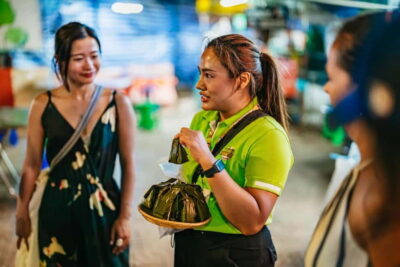
Southern Flavors Phuket Food Tour with 15+ Tastings
Read our review →Bangkok Backstreets Food Tour with 15+ Tastings
Read our review →Browse the lists this tour appears in