Review · SCUBA DIVING
Ko Tao: Open Water Scuba Diving 4-Day Course
Koh Tao can turn you into an open-water student fast. This 4-day course runs from an afternoon start and builds your confidence step by step, first in a swimming pool and then in the clear Ko Tao underwater world. You come out certified up to 18 meters anywhere in the world.
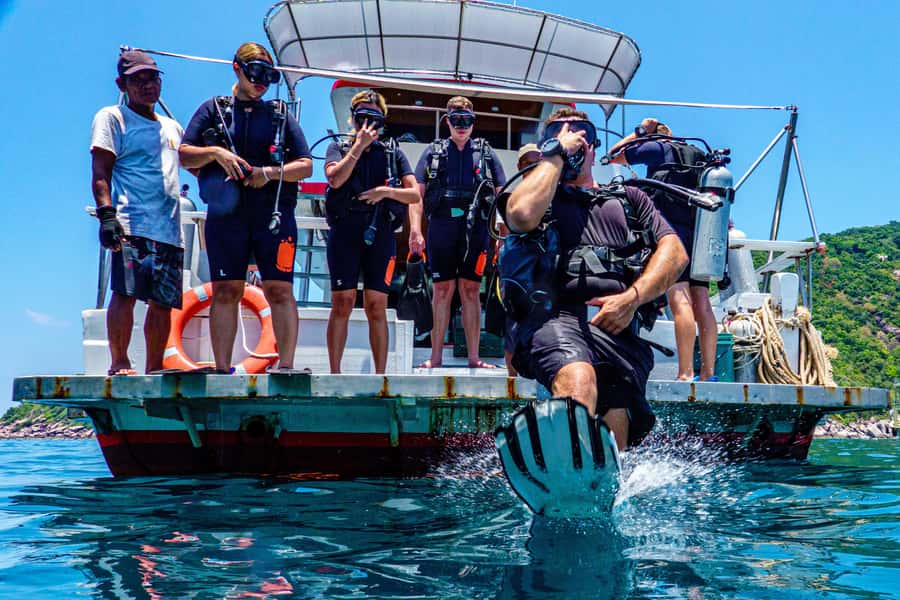
What I like most is how the training balances safety skills with real water time. You practice core tasks like clearing your mask and retrieving your regulator, then you apply them on the boat for your first open-water sessions. I also love the way the island’s marine life shows up during the course, from stingrays and pufferfish to moray eels and bright reef fish.
A possible drawback to consider is the pace and the early mornings. One day starts at 7:45 AM, and with a total duration of 84 hours, you need a bit of stamina (and a plan for sea comfort) to enjoy every session.
In This Review
- Key highlights to watch for
- Course at a glance: how the 4 days really run
- Day 1, orientation at 4:00 PM, then you ease in
- Day 2, 10:00 AM classroom then pool skills at noon
- Day 3, 9:30 AM classroom then your first open-water sessions to 12 m
- Final day starts at 7:45 AM, then deeper sites up to 18 m
- What you’ll see around Ko Tao, beyond the checklist
- Instructors at LBD Diving Koh Tao: why their teaching style matters
- Price and value: what $353 covers and why it feels fair
- Who this course suits best on Koh Tao
- Practical things I’d do before you go
- Should you book? A decision checklist
- FAQ
- How long is the Open Water scuba course on Ko Tao?
- When does the course orientation start?
- What time does the classroom start on the next day?
- When do you practice skills in the pool?
- What are the key times for the middle day?
- What is the maximum depth on the first open-water day?
- How early does the final day start?
- What is the maximum depth by the end of the course?
- Is the equipment included?
- What languages are the instructors?
Key highlights to watch for
- Pool-first learning so you can practice the basics without pressure
- Structured theory in class with body effects, navigation basics, and safety skills
- Step-by-step depth progression to a 12 m max first day, then 18 m for certification
- Ko Tao wildlife sightings like stingrays, pufferfish, moray eels, and sometimes whale sharks
- Patient instruction track record with instructors named Adrian, Juan, Joe, Az, Armand, and Elena in recent course experiences
Course at a glance: how the 4 days really run
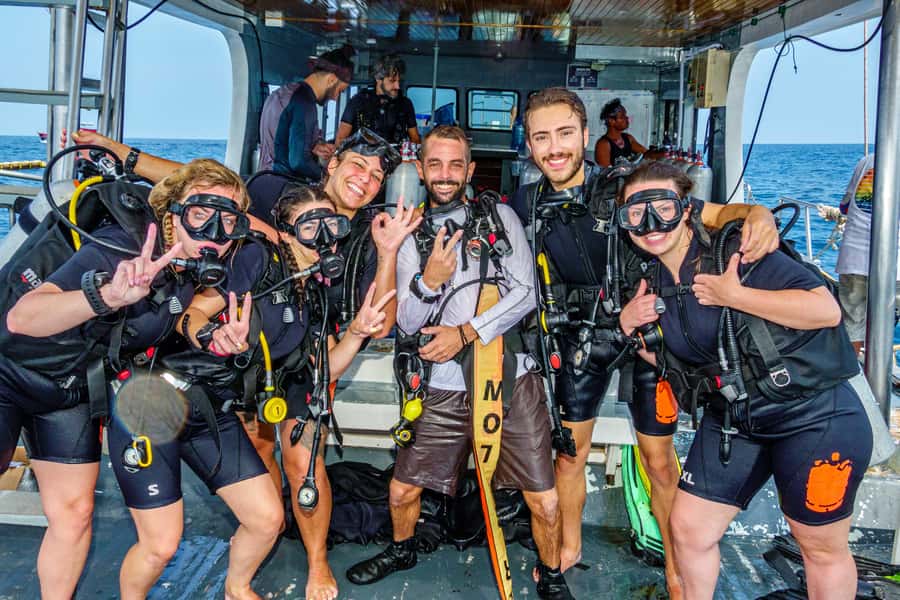
This is not a one-and-done try session. It is a full Open Water scuba course spread across 84 hours, so you learn the why, practice the how, and then prove you can handle it in open water. The format is a blend of classroom learning, controlled pool skill work, and boat-based underwater sessions around Ko Tao.
You can also think of it as a confidence ladder. First you build comfort with gear and breathing. Then you add coordination and underwater decision-making. Finally, you use that foundation during deeper sites so your certification up to 18 meters feels earned, not guessed.
One more practical note: the instruction is led by instructors who speak Spanish, English, and Catalan. That matters because scuba learning is easier when you can ask questions and understand safety explanations fast.
More Diving Trips in Koh Tao
- Ko Tao: Try Scuba Diving 1-Day Experience
★ 4.8 · 452 reviews - Koh Tao: PADI Try Diving Experience
★ 5.0 · 33 reviews - La Bombona Diving Koh Tao Open Water Course
★ 5.0 · 172 reviews
Day 1, orientation at 4:00 PM, then you ease in
The course begins with an afternoon orientation at 4:00 PM. This is the warm-up phase where you get a sense of what comes next and how the days will flow.
Even though you do not spend the full day underwater on day 1, orientation still matters. It sets expectations so your first real training blocks feel structured rather than confusing. If you’re arriving on Koh Tao from somewhere else, this timing can also help you avoid a rushed start.
If you want to make day 1 easier on yourself, I’d treat it like a calm arrival day. Eat well, hydrate, and get a good night’s sleep, because the next day is when the course shifts into training mode.
Day 2, 10:00 AM classroom then pool skills at noon
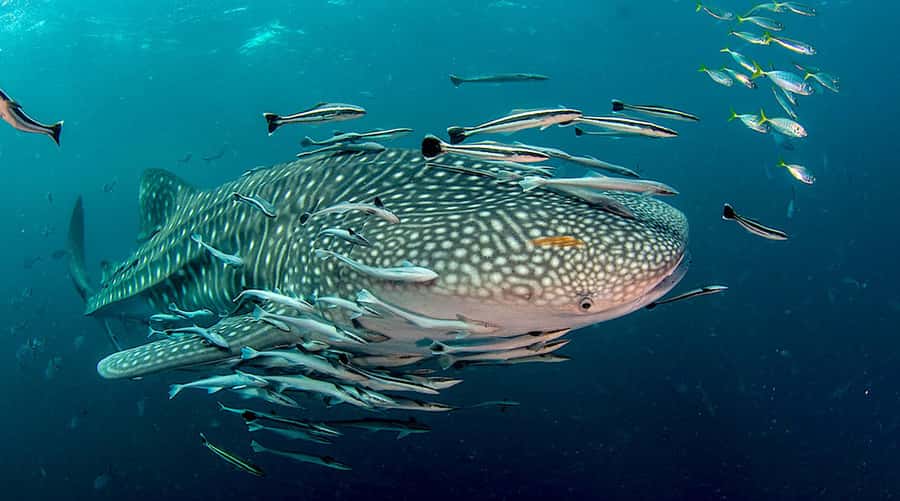
Day 2 starts at 10:00 AM with a classroom session. Here you learn the diving basics you will need to use later, including how to manage your equipment and what the key safety ideas look like in real situations.
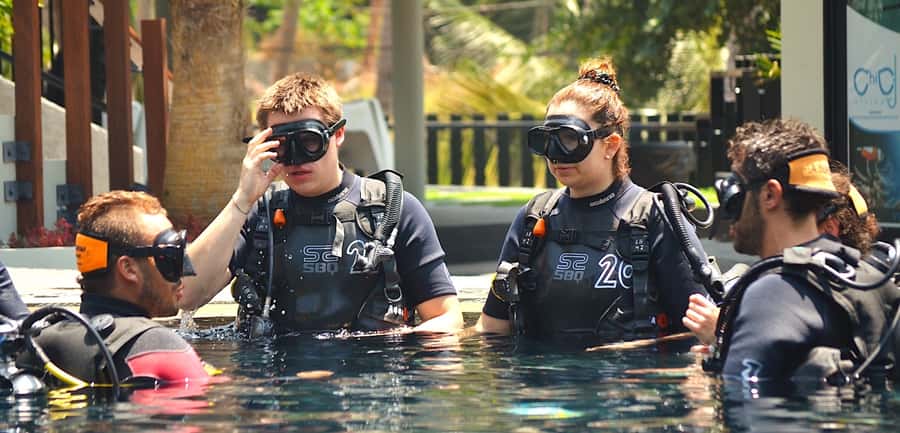
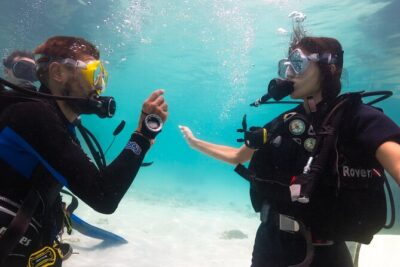
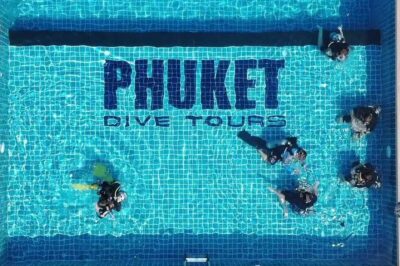
At 12:00 PM, you move into the swimming pool. This is where the training becomes real fast. Your experienced instructor teaches and checks the skills you must be able to do calmly, not just correctly once.
You specifically practice essentials like:
- Clearing your mask
- Retrieving your regulator
- What to do in the unlikely event of an emergency
I really like this order. Pool work lets you make small mistakes safely and quickly learn how to correct them. And because the skills are repeated, your hands learn the motions, which helps when the ocean adds variables like current, depth, and limited visibility.
If you feel nervous around water or equipment, this pool-first approach is a big reason people choose Koh Tao for certification. You get comfortable before the boat and open water start asking more of you.
Day 3, 9:30 AM classroom then your first open-water sessions to 12 m
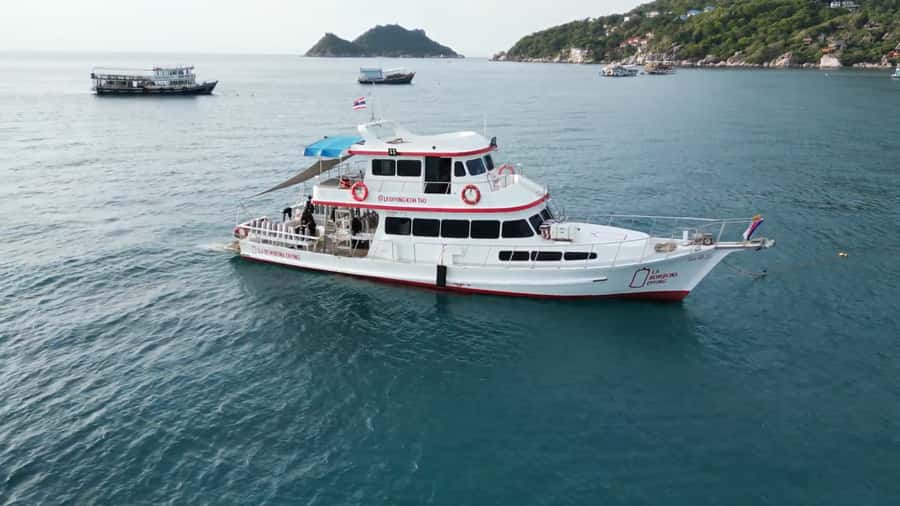
The next day begins at 9:30 AM with another classroom block. This part adds the deeper thinking behind safe scuba. You learn how diving affects the human body, plus basic navigation and additional safety skills.
At some point in the afternoon, you head out on the boat for your first open-water sessions. You complete two open-water dives with a maximum depth of 12 meters.
This is a smart progression, because 12 meters is deep enough to feel the real underwater environment while still staying within the early learning window. You get to practice skills you worked on in the pool, but now you are dealing with open-water factors like buoyancy control and managing your breathing at depth.
And the scenery is not just background. You look out for stingrays, pufferfish, moray eels, and an amazing range of reef fish. Even if you already know you want marine life, seeing how animals appear in a real training setting makes the course feel more alive and less like homework.
More dive trips out of Ko Tao:
- Full-Day Beginner Scuba Course with Private Tuition, Racha Yai
★ 5.0 · 368 reviews - Phuket: Scuba Diving Maithon Or Racha Islands For All Levels
★ 4.8 · 245 reviews - Phuket: Discover Scuba Diving to Racha Yai Island
★ 4.9 · 173 reviews - Scuba Diving Day Trip at Koh Chang – 2 Dives
★ 5.0 · 150 reviews
Final day starts at 7:45 AM, then deeper sites up to 18 m
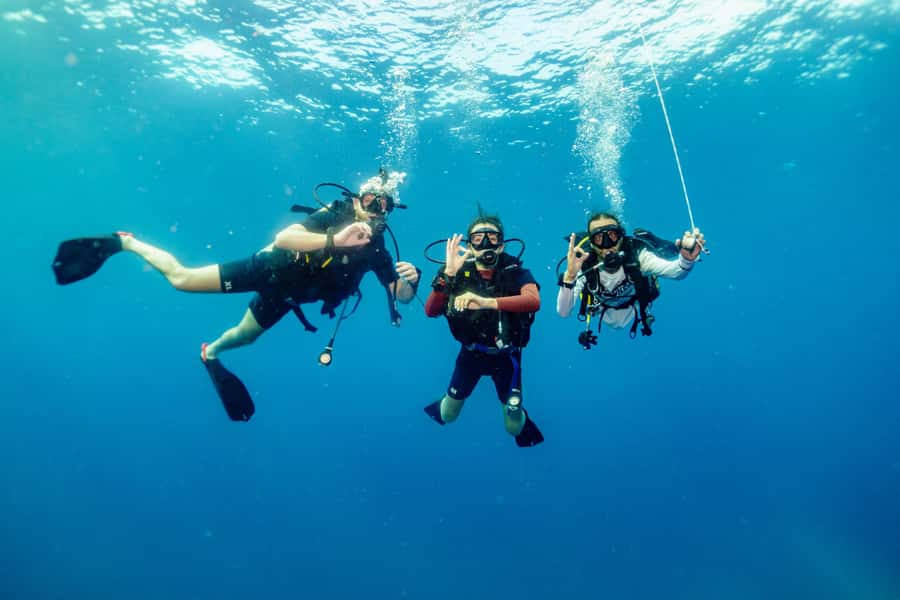
Your last day starts early at 7:45 AM. You get two more sessions at more advanced sites around Ko Tao, with the course pushing you to a maximum depth of 18 meters.
This is where your skills and calm habits get tested under slightly more demanding conditions. You are still learning, but now you are applying everything with more independence. The goal is not just reaching a number on the gauge. It is showing you can manage your equipment, your breathing, and your safety awareness in deeper water.
If you’re hoping for bigger marine encounters, this day is often where that happens. The course includes a chance to see larger animals like barracuda and queen fish, and you might even be lucky enough to spot whale sharks.
Even if you do not see whale sharks, you’re still building the experience you’ll use on future trips. The course ends with you being able to call yourself open water certified, with certification up to 18 meters anywhere in the world.
That last part is key for value. This is training that travels with you, not just a day you remember.
What you’ll see around Ko Tao, beyond the checklist
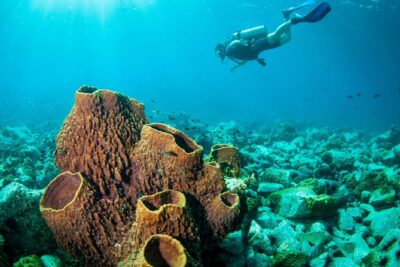
Ko Tao’s underwater reputation is earned. During your training, the course directly connects you to the marine life you came for.
Across the sessions, the course highlights include:
- Reef fish you can actually identify by color and behavior
- Stingrays gliding over the sand or reef edges
- Pufferfish and moray eels that tend to appear when you slow down
- Deeper-water possibilities like barracuda and queen fish
- Whale shark sightings if conditions and luck line up
I also like how the wildlife list matches the way Open Water learning works. Early sessions teach you to control buoyancy and stay aware. Then your deeper sessions give you a chance to look around more intentionally, so you can enjoy what you’re seeing instead of only worrying about your gear.
For photography lovers, the practical tip is simple: keep your focus on your breathing and buoyancy first. When those are stable, you’ll naturally look longer at the animals and get better moments.
Instructors at LBD Diving Koh Tao: why their teaching style matters
A big theme in the course experiences is instruction that reduces panic and builds confidence. People consistently mention instructors who are patient, clear, and encouraging.
Names that come up include Adrian, Juan, Joe, Az, Armand, and Elena. You also see different teaching styles paired with the same goal: make the process feel safe and manageable.
Here’s what that means for you as a student. The strongest instructors help you understand what you’re doing, not just repeat it. When you know why you clear your mask a certain way, you are less likely to freeze if something feels off.
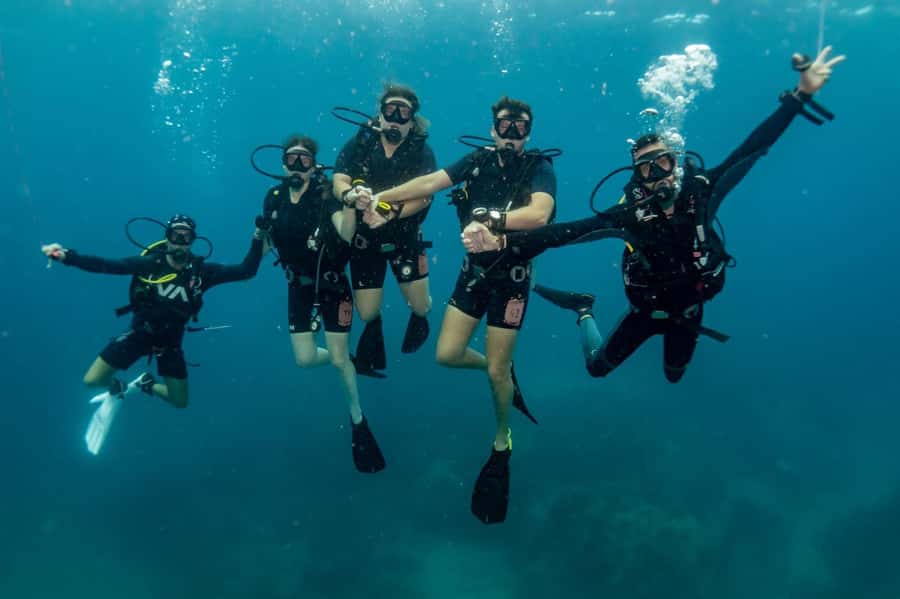
You’ll also benefit from the small-group feel that some students describe. One course experience notes a group of 4, and that kind of ratio can make skill checks smoother and questions easier to answer.
If you learn better with calm correction, this course’s instruction style is a great fit. It is also a good choice if you want to feel supported while you work through nerves.
Price and value: what $353 covers and why it feels fair
At $353 per person, this course sits in the mid-range for Open Water training. The real value comes from what’s included and how much training time you actually get.
Included in the price:
- Experienced instructor
- All equipment
- Celebration drink
- T-shirt
For many first-timers, equipment costs and rental hassles can quietly add up. Getting equipment handled for you removes a common source of stress, and it lets you focus on learning.
Also, the structure matters. You spend time in the classroom, in the pool, and out on the boat. That mix costs more than a short add-on, and it is why this option often compares favorably to lighter try sessions.
One more angle: certification to 18 meters gives you a future benefit. You are not just buying an experience, you’re buying permission and training to continue in other places.
Who this course suits best on Koh Tao
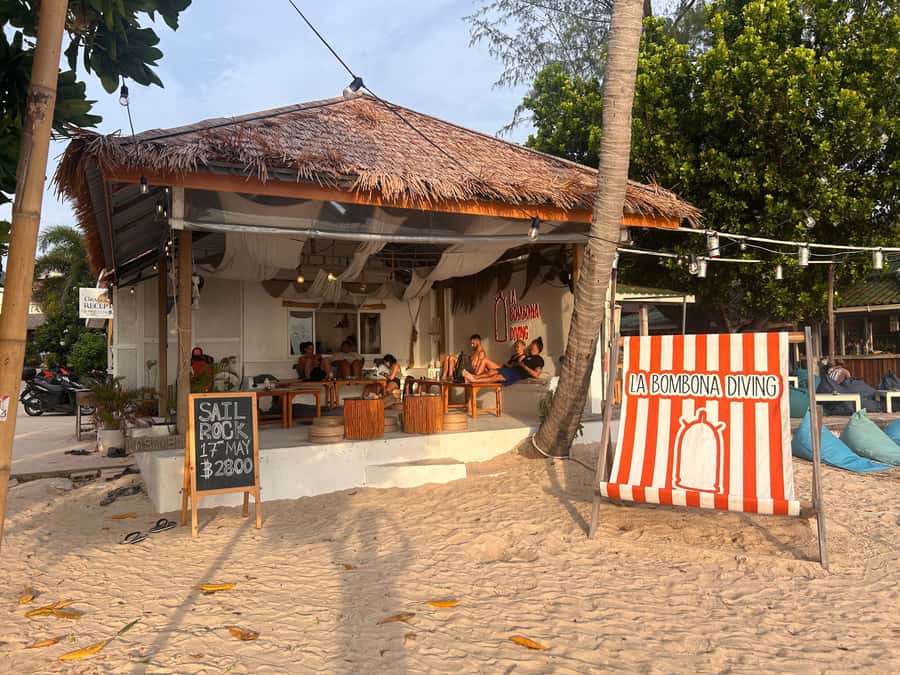
This Open Water scuba course is a strong match if you want a real certification pathway and you like clear structure.
It also tends to fit well if:
- You’re starting from zero and need pool confidence
- You want detailed safety skills, not just a fun outing
- You enjoy seeing marine life while you learn rather than waiting until after certification
If you already have a strong comfort level in water, you might still like this course because it builds safety habits properly. But if you’re extremely pressed for time, you may find a multi-day course harder than a short try session.
And if you are sensitive to motion or have a history of getting sick on boats, plan to be gentle with yourself on boat days. The schedule includes boat sessions in the afternoon on day 3, so it helps to be prepared.
Practical things I’d do before you go
Since you’re learning skills that depend on comfort and calm, you’ll have a smoother time if you show up rested and ready.
A few practical habits that help during any Open Water training:
- Get enough sleep the night before early starts like 7:45 AM
- Eat a simple meal before pool and boat sessions
- If you wear prescription gear, confirm what you need for underwater use beforehand
- Bring a mindset that says practice first, speed later
Also remember that the success of the course depends on your ability to follow instructions and stay calm during safety checks. This is not a test of bravery. It is a training program, and good instructors guide you through it step by step.
Should you book? A decision checklist
Book this course if you want:
- A pool-first start with core skill practice
- Classroom learning that includes body effects and safety thinking
- Open-water sessions with a clear progression from 12 m to 18 m
- A realistic chance at Ko Tao marine encounters, including possible whale sharks
- Included gear and a total training commitment that supports real certification
Consider alternatives if:
- You know you cannot handle multi-day training schedules
- You have difficulty with boat days and do not have a plan to manage that
- You only want a taste of underwater life, not an Open Water certification path
If your goal is to become certified and actually enjoy future underwater trips, this course’s structure makes sense. It mixes safety, skill, and real Ko Tao sightings, and the teaching approach seems built around keeping you confident.
FAQ
How long is the Open Water scuba course on Ko Tao?
The course duration is listed as 84 hours.
When does the course orientation start?
Orientation begins at 4:00 PM.
What time does the classroom start on the next day?
The following day begins with a classroom session at 10:00 AM.
When do you practice skills in the pool?
On the next day, you move to the swimming pool at 12:00 PM.
What are the key times for the middle day?
The next day begins with a classroom session at 9:30 AM, followed by afternoon boat time for the first open-water sessions.
What is the maximum depth on the first open-water day?
The first open-water sessions have a maximum depth of 12 meters.
How early does the final day start?
The final day starts at 7:45 AM.
What is the maximum depth by the end of the course?
By the end, you reach a maximum depth of 18 meters, for certification.
Is the equipment included?
Yes. The course includes all equipment, plus an experienced instructor, a celebration drink, and a t-shirt.
What languages are the instructors?
Instructors offer instruction in Spanish, English, and Catalan.
Newest Ko Tao reviews on the site
- Koh Tao: Visit to Koh Nang Yuan with Hotel Transfers★ 4.4 · 12 reviews
- Koh Tao: Yoga Class In Paradise – All Levels Welcome!★ 4.8 · 30 reviews
- Koh Tao: PADI Try Diving Experience★ 5.0 · 33 reviews
- Koh Tao: Snorkeling and Sunset Tour★ 4.8 · 118 reviews
- Koh Tao: Road Trip To 8 Famous Places★ 4.2 · 110 reviews
- Koh Tao: Private Longtail Snorkel Tour with Nang Yuan Visit★ 4.6 · 94 reviews
- Koh Tao: PADI Premium Open Water Diver Course★ 5.0 · 54 reviews
- Koh Tao: Premium Snorkel Tour to Koh Nangyuan Bays by Oxygen★ 4.8 · 146 reviews
Scuba Diving, compared.
Full-Day Beginner Scuba Course with Private Tuition, Racha Yai
Read our review →
Scuba Diving Maithon Or Racha Islands For All Levels
Read our review →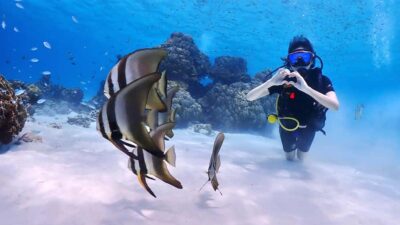
Kata Beach Diving for Beginners Pool Training and 1 Beach Dive
Read our review →
Browse the lists this tour appears in