
Review · KO LANTA TOURS
Koh Lanta: Evening Course at Lanta Thai Cookery School
Thai flavor starts with a garden walk and ends on your plate. I love the hands-on setup, where you cook your own dishes with steady help from instructors like San and Prim, plus Thai Chef Aon and Chien at the school. You also get a real “from Thailand” souvenir, a cooking book and a certificate, not just a quick tasting.
My other favorite part is the way the class teaches fundamentals you can actually repeat at home, including building curries from hand-made pastes and adjusting spice to your comfort. The setting helps too, a teak-wood house inland from Phra Ae Beach (Long Beach), with many ingredients sourced from the school’s on-site organic garden.
One consideration: group size can affect the pace. The class is designed for small groups, but when the group runs larger, the evening can feel busy and a bit rushed near the end.
In This Review
- Key highlights you will care about
- Where the class happens: teak-wood calm near Long Beach
- Getting there smoothly: songtaew pickup along Koh Lanta’s main road
- The menu choice system: how you land on your 4 dishes
- Garden tour: the quickest path to understanding Thai flavors
- Welcome drink and chef-led instruction in plain language
- Hands-on cooking: you cook individually, not as a spectator
- What you will likely cook, and what each dish teaches you
- Tom Kha: learning coconut soup balance
- Som Tam (papaya salad): mastering acidity and crunch
- Massaman curry: learning paste and slow comfort
- Larb: aromatic salad techniques from Isan
- Stir fried sweet and sour: learning the sauce timing
- Spring rolls and sauce: shaping plus flavor layering
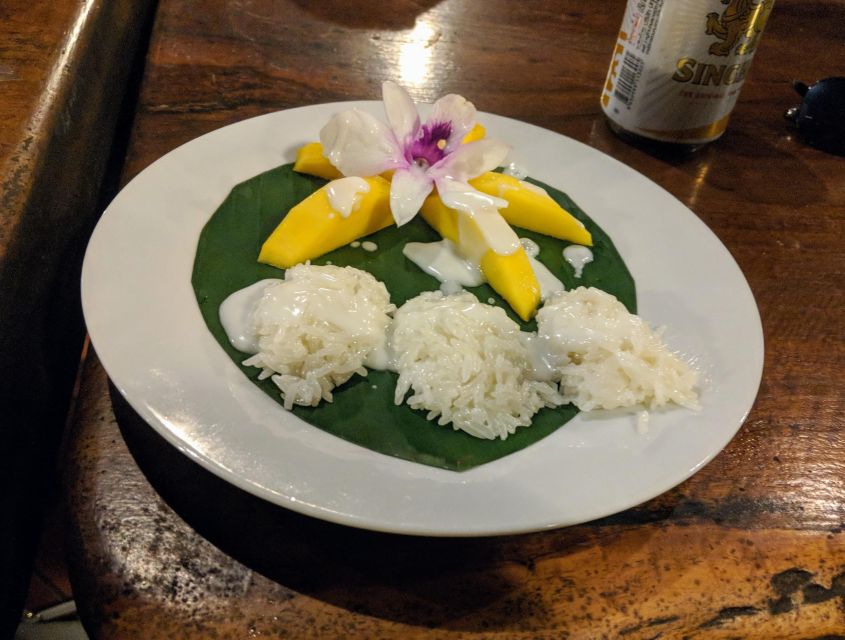
- Sticky rice with ripe mango: ending sweet, not just full
- The feast timing: you eat what you make
- Take-home leftovers, recipes, and a certificate
- Price and value: what $64 buys you on Koh Lanta
- Who this course suits best (and who should think twice)
- Should you book Koh Lanta’s evening Thai cookery class?
- FAQ
- What dishes do you cook in the Koh Lanta evening course?
- How does the pickup work from Koh Lanta?
- Can I request vegetarian, vegan, or a specific spice level?
- Is the cooking hands-on for everyone?
- What is included in the price?
- Is it suitable for children?
Key highlights you will care about
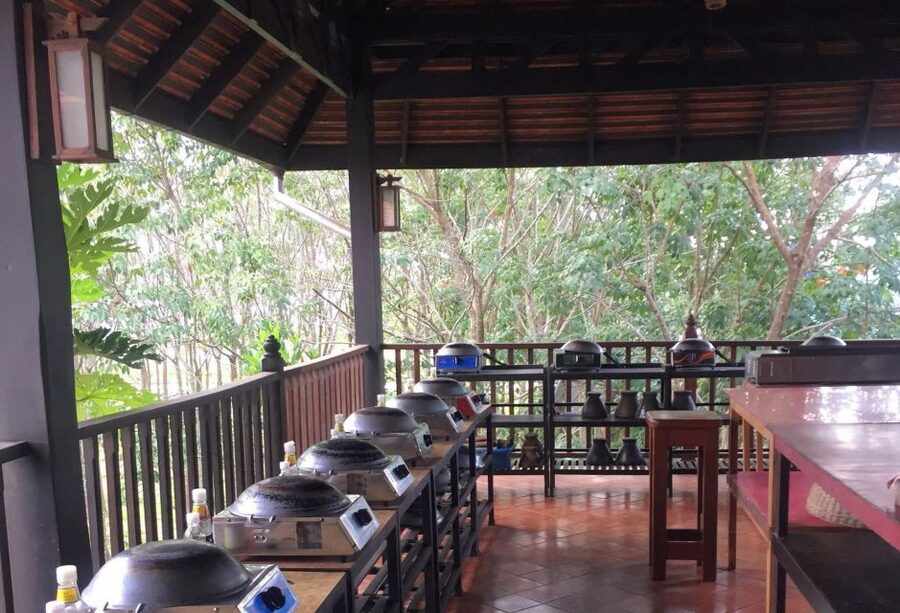
- Small group focus (up to 12 students), with individualized hands-on cooking at your own station
- Garden tour first, so spices and herbs make sense before you start chopping
- Choose 4 dishes from a rotating set, mixing salads, soups, stir fries, noodles, and curries
- Thai Chef coaching with English support, plus past classes led by instructors such as San, Prim, Brim, and Sun
- Take-home perks: cooking book, food leftovers to share, and a completion certificate
Where the class happens: teak-wood calm near Long Beach
This is an evening course, but it does not feel like a frantic tourist show. The cookery school runs in a spacious teak-wood house a bit inland, in the south of Phra Ae Beach, also known as Long Beach. That location matters. You get a more relaxed atmosphere than you would right on the sand, while still being close enough to enjoy Koh Lanta’s beach day before you head inland.
What I like here is the practical focus. You are not just learning recipes, you are learning how Thai ingredients behave. When the school is sourcing many vegetables and spices from its on-site organic garden, the flavors you taste are the same flavors you are preparing. That makes the instructions feel less like theory.
A few more Ko Lanta days to weigh up
- Koh Lanta: Adventure Sea Tour to Koh Rok and Koh Haa
★ 4.7 · 828 reviews - Ko Lanta: Half-Day Mangrove Kayaking Tour with Lunch
★ 4.7 · 806 reviews - Koh Lanta: 4 Islands and Emerald Cave Tour by Longtail Boat
★ 4.5 · 507 reviews
Getting there smoothly: songtaew pickup along Koh Lanta’s main road
Your evening starts with a convenient pickup. You board a songtaew from your hotel on Koh Lanta along the main road between Saladan and Kantiang Bay. The pickup is in the afternoon, and the exact time is confirmed by email after booking.
Why this helps: Koh Lanta has a stretched-out layout, and the main road route makes it simple to meet the group without extra scrambling. You are also not left figuring out where the school is. The round-trip transfer is included, which keeps the real cost close to what you paid for the class itself.
Important practical note: luggage or large bags are not allowed. Bring what you need for 4 hours, and keep it light.
The menu choice system: how you land on your 4 dishes
The class runs for 4 hours, and the big fun part is the menu decision. The school presents a selection of dishes (from a larger set of options), and your group collaboratively chooses 4 dishes. The menu can change for each course, so you should treat the final lineup as flexible.
The dish list includes a nice spread of Thai favorites, and that mix is exactly what helps you learn more than one flavor profile. Options include:
- Tom Kha (coconut soup with chicken, seafood, prawns, or vegetarian)
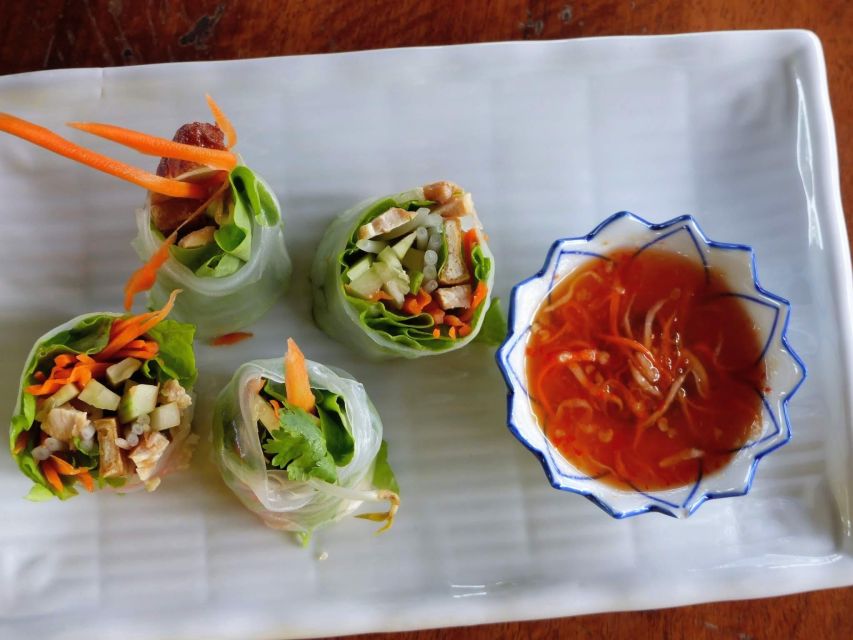
- Vegetarian spring rolls, including making a tasty Thai sauce
- Golden Bag Thung Thong (chicken and prawn), including preparation of the Thai sauce
- Papaya salad (Som Tam)
- Mixed vegetables with oyster sauce
- Seafood in a special tamarind sauce
- Massaman curry (beef or chicken), including preparation of the paste
- Larb (chicken or seafood), a spicy salad from Isan
- Stir fried chicken or seafood sweet and sour
- Sticky rice with ripe mango
One smart detail: all dishes can be vegetarian, vegan, non spicy, or as spicy as you like. If you know you get knocked out by heat, tell them early. If you love spice, you can still go for it, and the class is built to accommodate.
Garden tour: the quickest path to understanding Thai flavors
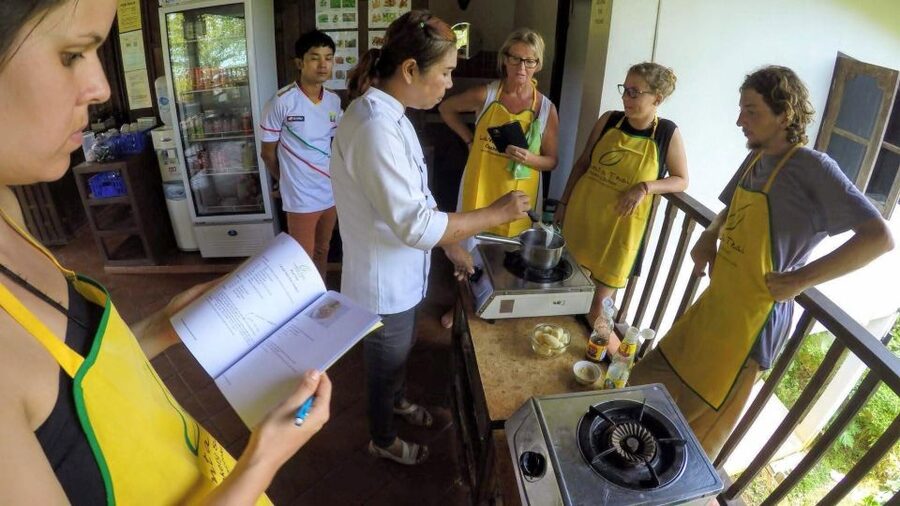
Before the cooking starts, you take a tour in the garden to see herbs, spices, and vegetables. This is not an extra side quest. It is the part that makes the rest click.
When you can connect a leaf, a bulb, or a spice paste to the dish you will cook, you are more likely to remember what to buy later and how it should taste. It also keeps the class grounded. Thai cooking is built on balance, acidity, salt, sweetness, and aromatics. Seeing where ingredients come from helps you understand why Thai food tastes layered, not just spicy.
Same stretch of coast, a different sort of day:
- Ko Lanta: Mangrove Kayaking, Ko Talabeng, & Skull Island
★ 4.9 · 494 reviews - From Koh Lanta: Koh Haa & Koh Rok Snorkel Tour by Speedboat
★ 4.7 · 403 reviews - Ko Lanta Yai: Half-Day Ethical Elephant Sanctuary Tour
★ 4.8 · 338 reviews - Ko Lanta: 4 Islands Snorkeling Tour by Longtail Boat
★ 4.1 · 297 reviews
Welcome drink and chef-led instruction in plain language
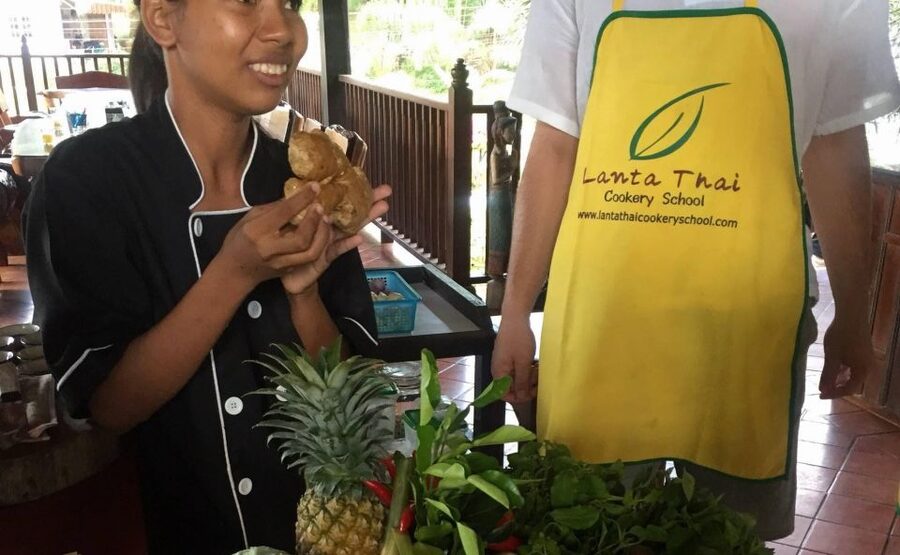
The evening begins with a welcome drink, then you get cooking instructions from the Thai chef with many years of experience. The class also runs with English and Thai support, which is a big deal if you want to ask follow-up questions rather than guessing.
What I like about the teaching approach based on what people consistently highlight: it is friendly, patient, and practical. In past classes, instructors such as San, Prim, Brim, and Sun have led groups with clear step-by-step guidance. That type of teaching matters most when you are cooking for the first time, especially with Thai paste work and balancing sauces.
Hands-on cooking: you cook individually, not as a spectator
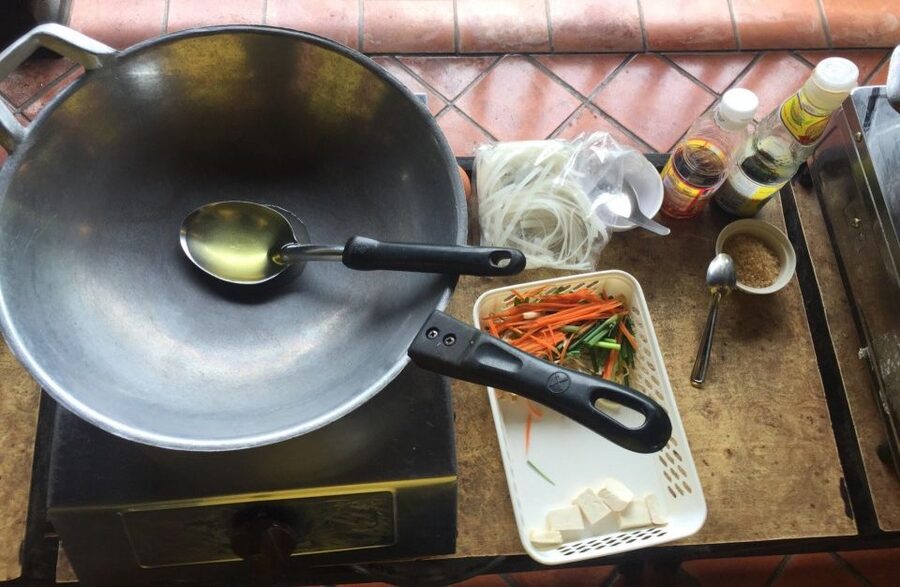
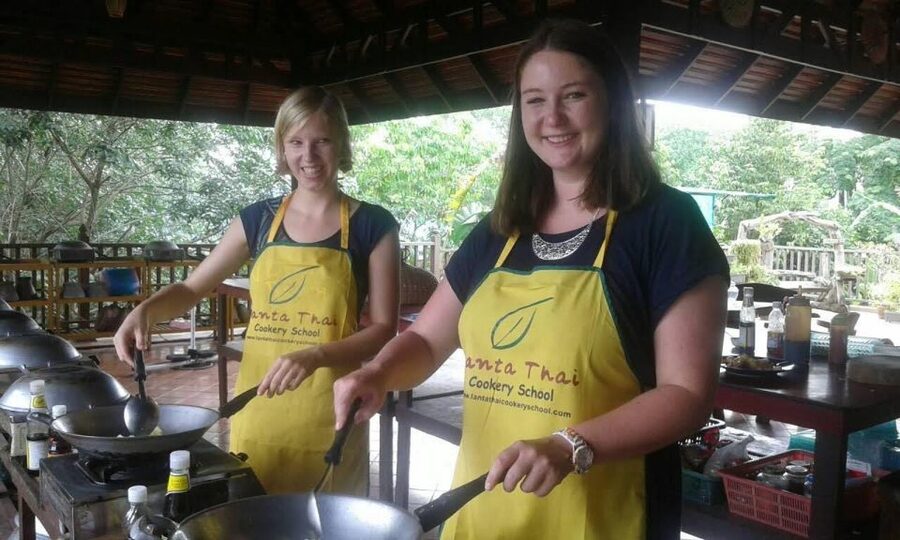
Here is a key ingredient to the whole experience: all preparing and cooking is done individually. You are not standing in a line watching one person cook while the rest wait their turn.
That means:
- You get hands-on time for chopping, mixing, shaping, and stirring.
- You learn processes you can replicate later, not just outcomes.
- You can move at your own pace while the chef checks in.
This is also why the class works well as a “gourmet souvenir.” You leave knowing how to make a Thai meal structure, not only how to order it.
What you will likely cook, and what each dish teaches you
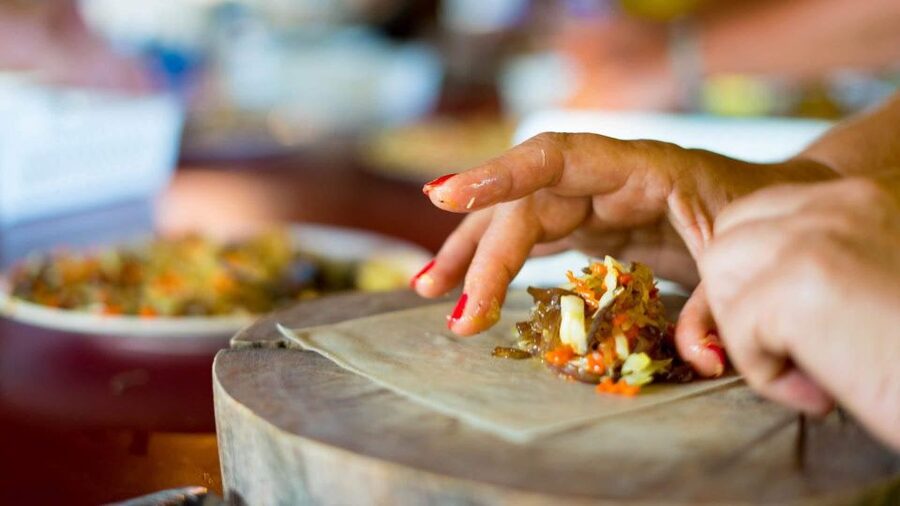
Because you choose 4 dishes, you might not make the same exact set as the person next to you. Still, the range tells you what skills you will practice.
Tom Kha: learning coconut soup balance
Tom Kha is a coconut-based soup with a tangy, aromatic profile. You may choose it with options such as chicken, seafood, prawns, or vegetarian. This dish teaches how Thai soups taste both creamy and bright, and how to season without overdoing salt or heat.
Som Tam (papaya salad): mastering acidity and crunch
Papaya salad is all about texture plus punchy seasoning. It is a great learning dish because it is not just about heat, it is about sourness and balance. You can also request it non spicy or as spicy as you like.
Massaman curry: learning paste and slow comfort
Massaman curry stands out because the class includes preparation of the paste. That is where Thai cooking becomes real, because the paste carries the flavor base.
If you want a curry you can reproduce at home, massaman is a smart choice. It is also a good option if you want something less “fiery” than some other Thai dishes, depending on how you request spice.
Larb: aromatic salad techniques from Isan
Larb is a spicy salad from the Isan region. It is usually chicken or seafood. This teaches you how Thai salads can still be deep and satisfying, with an herbal, savory edge. If you enjoy mixing flavors at the final stage, you will like this one.
Stir fried sweet and sour: learning the sauce timing
Sweet and sour is deceptively tricky. The learning point is sauce timing, getting the right gloss and balance without making it watery. It is also an approachable dish for home cooking because you can scale it for different proteins or veggies.
Spring rolls and sauce: shaping plus flavor layering
Vegetarian spring rolls are included with Thai sauce prep. Spring rolls teach technique: rolling, sealing, and sauce building. For a lot of people, this becomes one of the dishes they feel most confident cooking again later.
Sticky rice with ripe mango: ending sweet, not just full
This is the classic finish. Sticky rice with ripe mango is simple in concept, but it helps you understand Thai desserts are often about the right texture and freshness, not heavy sweetness.
The feast timing: you eat what you make
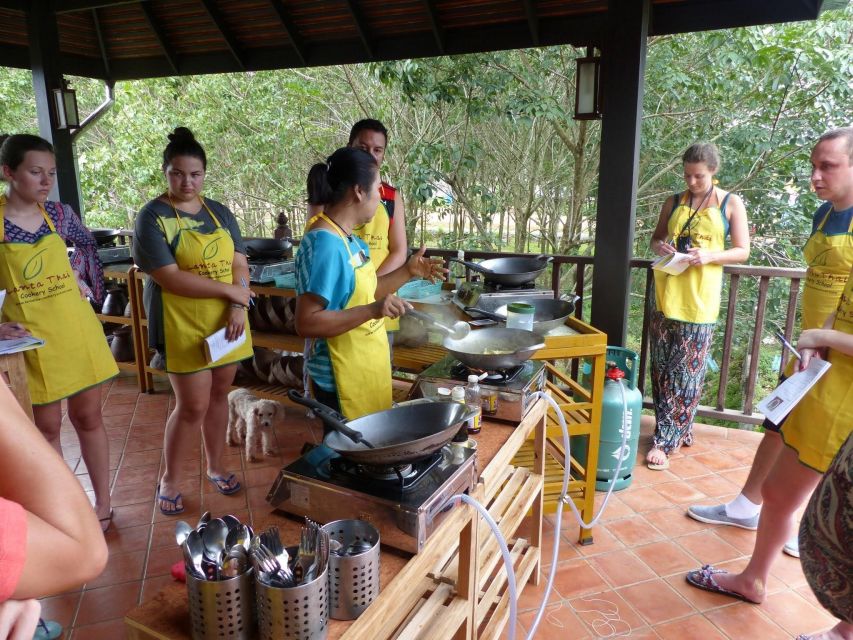
At the end of the class, you enjoy a feast of your own making. The structure is designed so your cooking efforts become your meal, not a demo followed by a separate restaurant dinner.
In practice, the flow can vary with the group pace. If your class stays small and calm, you will likely feel the evening move step by step, with less waiting around. If the group feels larger, the later stages can feel a bit quicker, and you may notice less breathing room between dishes.
Take-home leftovers, recipes, and a certificate
This part is more valuable than it sounds. Included in the price are:
- a cooking book
- a cooking certificate
- drinking water, coffee, tea, fruits, and rice
- the ability to take back your leftovers to share with friends or family
Why I like the leftovers option: it makes the class easier to fit into a travel day. You do not need to find another meal right away, and you can share what you made, which is a nice “host the friends” move back home.
Price and value: what $64 buys you on Koh Lanta
At $64 per person for a 4-hour evening class, the price looks reasonable when you break down what is included.
You are paying for:
- round-trip hotel transfer
- ingredients and instruction for 4 dishes
- drinks and basic refreshments
- a cooking book and a certificate
- a small-group, hands-on format
Most cooking classes charge for the teaching, but here you also get the “support items” that help you reproduce dishes later. The recipe book plus individual cooking time is what makes the value feel real. If you only want a quick tasting, you can find cheaper. If you want a skill you can use at home, this is priced like a practical workshop, not a show.
Who this course suits best (and who should think twice)
This is a strong match if:
- you want to cook real Thai dishes, not just watch someone else cook
- you like hands-on learning and clear step-by-step guidance
- you are traveling as a couple, small group, or family that enjoys cooking together
- you want to adjust spice level and keep dishes vegetarian or vegan
It may be less ideal if:
- you are very sensitive to a busy kitchen pace, especially if multiple groups run in the same area
- you want a super slow, unhurried experience, since cooking three to four dishes takes momentum
- you are bringing lots of luggage, because large bags are not allowed
Should you book Koh Lanta’s evening Thai cookery class?
I think you should book it if you want a memorable Koh Lanta activity that turns into something useful at home. The combination of garden tour, individualized cooking, and a take-home cooking book is a winning mix, especially for first-time Thai cooks.
If you are the type who gets overwhelmed in crowded settings, pay attention to group size when you book and be ready for a lively kitchen. Either way, this is one of the best “skill plus culture” evenings on the island because you leave fed, with recipes you can actually follow.
FAQ
What dishes do you cook in the Koh Lanta evening course?
You cook 4 dishes chosen by your group from the available selection for that course. The menu rotates, and options can include dishes like Tom Kha, papaya salad (Som Tam), Massaman curry, Larb, spring rolls, stir fries, tamarind seafood, and sticky rice with mango.
How does the pickup work from Koh Lanta?
The class includes hotel round-trip transfer by songtaew. Pickup is along the main road on Koh Lanta between Saladan and Kantiang Bay, and the exact pickup time is confirmed by email after booking.
Can I request vegetarian, vegan, or a specific spice level?
Yes. All dishes can be made vegetarian, vegan, non spicy, or as spicy as you like. Let the school know your preferences when booking.
Is the cooking hands-on for everyone?
Yes. All preparing and cooking is done individually, with guidance from the chef during the 4-hour session.
What is included in the price?
Included are the round-trip hotel transfer, drinking water, coffee, tea, fruits and rice, a cooking book, leftovers to take home, and a cooking certificate.
Is it suitable for children?
Children under 2 years are not suitable. Children can choose only 2 dishes for the class.
Newest Ko Lanta reviews on the site
- Krabi: Koh Lanta Boxing Stadium Muay Thai Ticket★ 4.5 · 54 reviews
- Koh Lanta: Romantic Sunrise Private Gondola Tour★ 5.0 · 60 reviews
- Koh Lanta: Ultimate Kradan Island Escape by Longtail Boat★ 4.5 · 19 reviews
- Koh Lanta: Phi Phi Islands Tour w/ Maya Bay, Snorkel & Lunch★ 4.3 · 247 reviews
- Koh Lanta: Lunch Course at Lanta Thai Cookery School★ 4.9 · 139 reviews
- Koh Lanta Cultural Tuk-Tuk Tour: Old Town, Batik & Mangroves★ 4.7 · 64 reviews
- Koh Lanta: Emerald Cave, Ko Kradan & 4 Islands by Speedboat★ 4.5 · 13 reviews
- Koh Lanta: 4 Islands Tour by Speedboat with Snorkeling★ 3.9 · 21 reviews
Ko Lanta Tours, compared.



4 Islands and Emerald Cave Tour by Longtail Boat
Read our review →


Ko Lanta Yai: Half-Day Ethical Elephant Sanctuary Tour
Read our review →

Phi Phi Islands Tour w/ Maya Bay, Snorkel & Lunch
Read our review →Browse the lists this tour appears in