
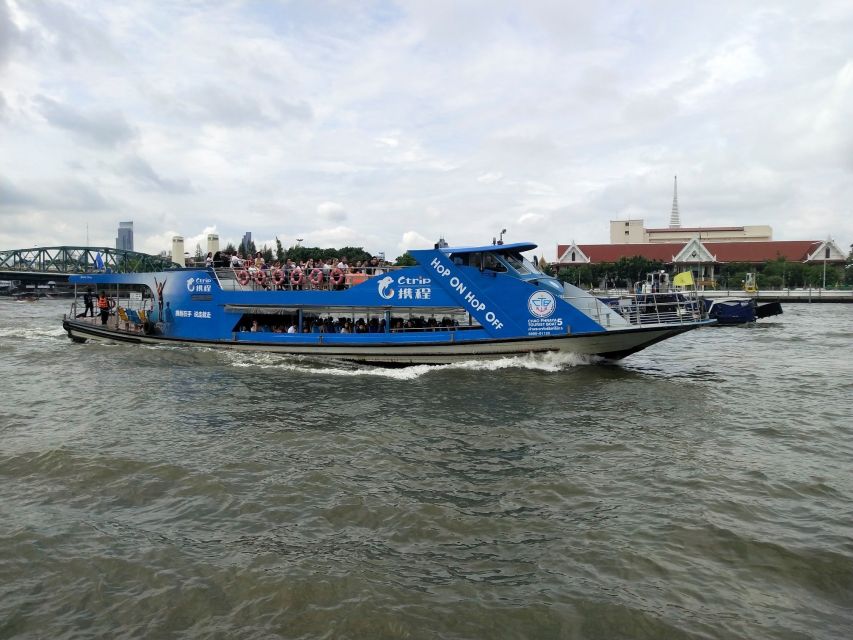
Review · FOOD & DRINK
Local Life, Culture & Food Walking Tour at Chinatown
Chinatown in Bangkok can feel like one big blur. This small-group walk turns it into meaningful stops and tasty Thai-Chinese stories. I especially like the temple and shrine moments that show how faith fits daily life, and the street food tastings that feel genuinely local instead of staged. One thing to plan for: you will be walking a fair bit on uneven sidewalks and backstreet lanes.
You’ll start at a landmark that locals actually use, then glide into lanes where the texture of Chinatown shows up fast, from incense smoke to old shop-houses. Food is part of the point here, with bites like crispy pork belly, handmade dumplings, and herbal tea. The main consideration is logistics, bring comfortable shoes and leave big luggage at home.
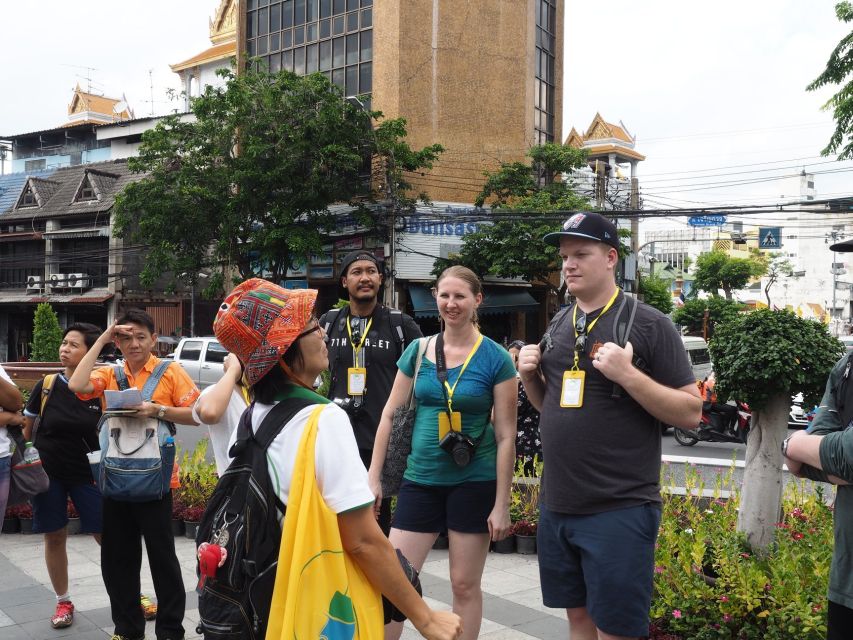
If you want a Chinatown tour that pays attention to details, not just photos, this is a strong choice. The guides run in English and German, and they keep groups small so you can ask questions without feeling rushed.
Key things I’d plan around
- Small group size for real Q and A, not a lecture line
- Odeon Circle orientation, a fast way to understand Chinatown’s shape
- Thai-Chinese street food tastings, including dumplings and crispy pork belly
- Temples, shrines, and old shophouses, where history is visible in daily rituals
- Talad Noi focus, the older Chinese-Thai community vibe near the river
In This Review
- Entering Chinatown the right way: MRT Wat Mangkon and Odeon Circle
- Odeon Circle stories, old architecture, and what you’re really looking at
- Market lanes and herbal shops: what you’ll smell, see, and try
- Temples and shrines: incense, gold, and everyday faith
- Old shophouses and hidden community spaces you won’t route on your own
- Talad Noi: the oldest Chinese-Thai community vibe and Chao Phraya links
- Food value for $75: tastings, access, and a guide who talks
- Guides make the difference: why names like Sunee, JoJo, and Kaew matter
- Practical tips so the walk feels easy, not tiring
- Who should book this Chinatown walking tour, and who might skip it
- Should you book it?
- FAQ
- Where is the meeting point?
- How does the tour end?
- Is transportation included?
- What should I bring?
- Are luggage or large bags allowed?
- What languages are available?
- Is the tour suitable for wheelchair users?
Entering Chinatown the right way: MRT Wat Mangkon and Odeon Circle
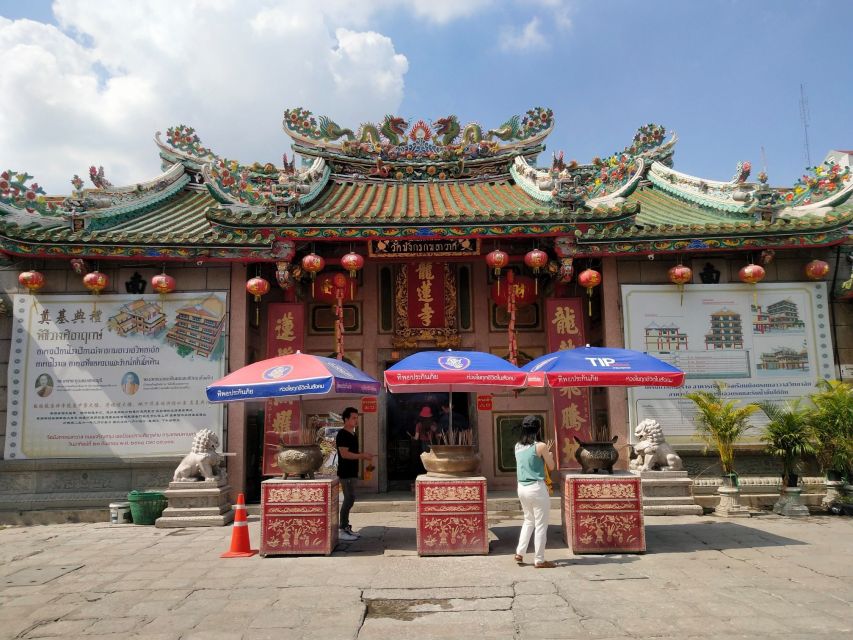
Most Chinatown tours start late, wander wide, and leave you with a pile of photos. This one starts with an easy first step: you meet at MRT Wat Mangkon station, Exit 1, at the Plaeng Nam intersection. You’ll want to arrive about 10 minutes early so you can get the briefing and settle before the walk really starts.
From there, the tour frames Chinatown from a big, clear anchor: Odeon Circle, the grand entrance point of the neighborhood. That matters because it gives you a mental map before you get sent into tight alleys. When you understand the “why” behind the area, the rest of the walk feels less chaotic and more personal.
If you’re the type who likes to ask questions on the spot, this tour’s small-group format helps a lot. You’re not yelling over a crowd. You can actually talk to your guide about what you’re seeing as you pass it.
Odeon Circle stories, old architecture, and what you’re really looking at
Odeon Circle isn’t just a photo stop. Your guide uses it to explain Chinatown’s past and the role of Chinese immigrants in shaping the community. That early context is practical. It changes how you read the street layout, the storefront style, and even why certain buildings cluster where they do.
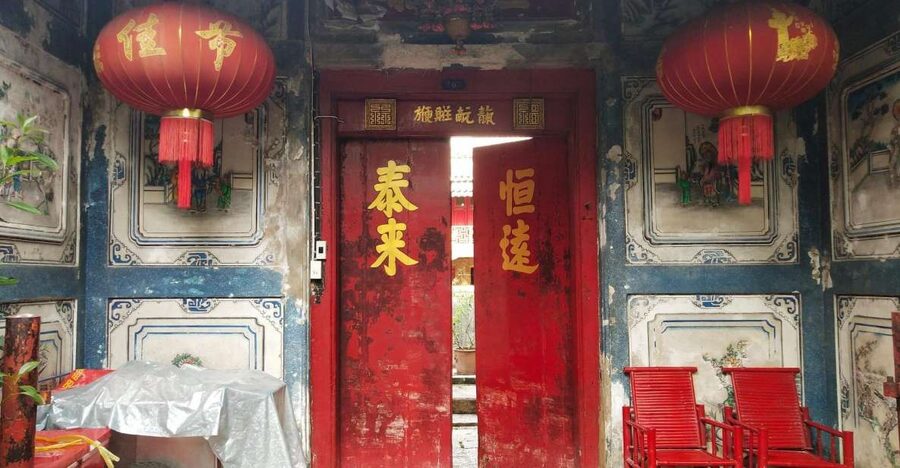
As you move onward, you’ll also see the old Chinese-Thai architecture in a way most visitors miss. Pay attention to the shophouses, because they are not just decorative. They show how families ran businesses, lived above or beside work, and kept traditions going long after the first settlers arrived.
One small drawback: because you’re walking through active neighborhoods and narrow lanes, you won’t always be able to stop for long. But that’s also part of the charm. You’re watching the neighborhood operate, not just touring set pieces.
More Food Tours in Bangkok
- Bangkok: White Orchid Chao Phraya Dinner Cruise free Beer
★ 4.4 · 4,573 reviews - Bangkok by Night: Temples, Markets and Food Tuk-Tuk Tour
★ 5.0 · 3,752 reviews - Bangkok: Backstreets Food Tour with 15+ Tastings
★ 4.9 · 2,880 reviews
Market lanes and herbal shops: what you’ll smell, see, and try
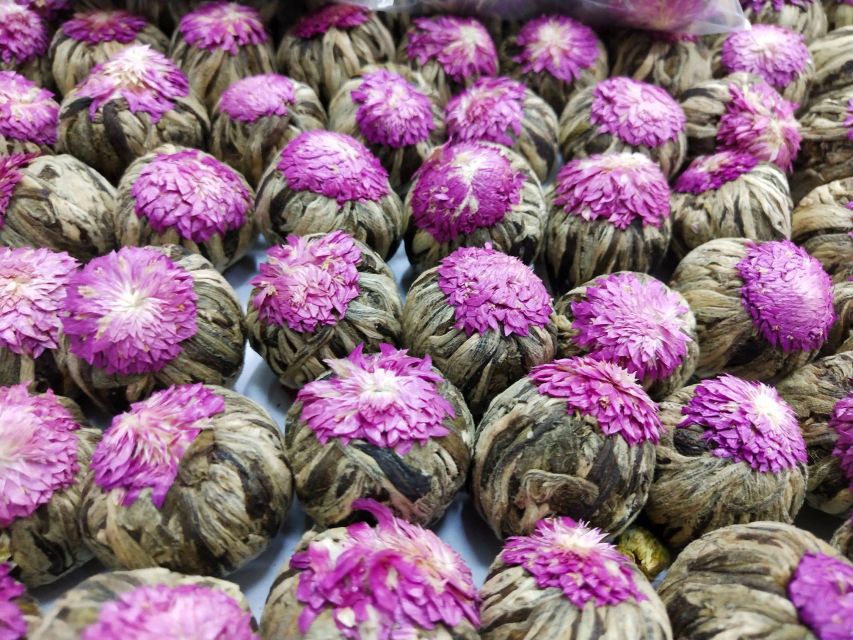
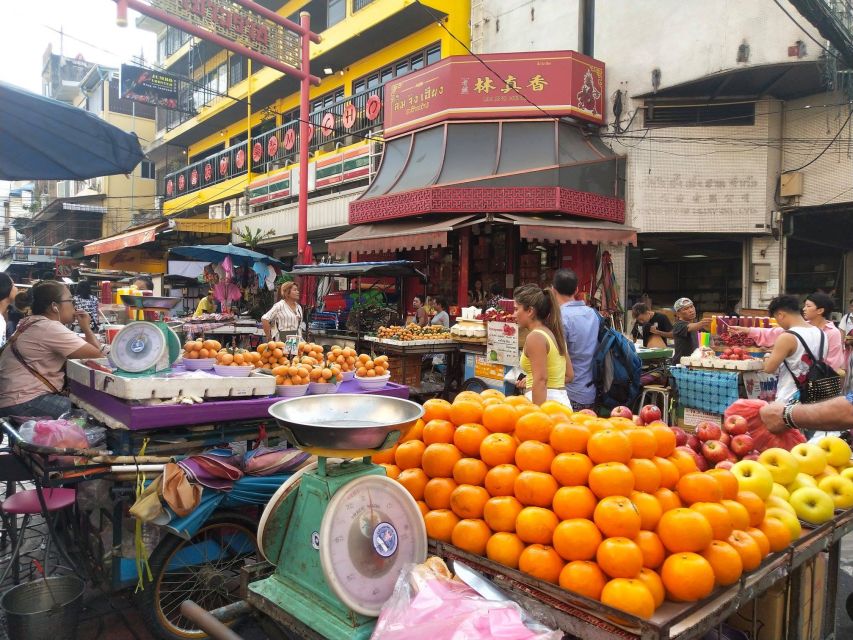
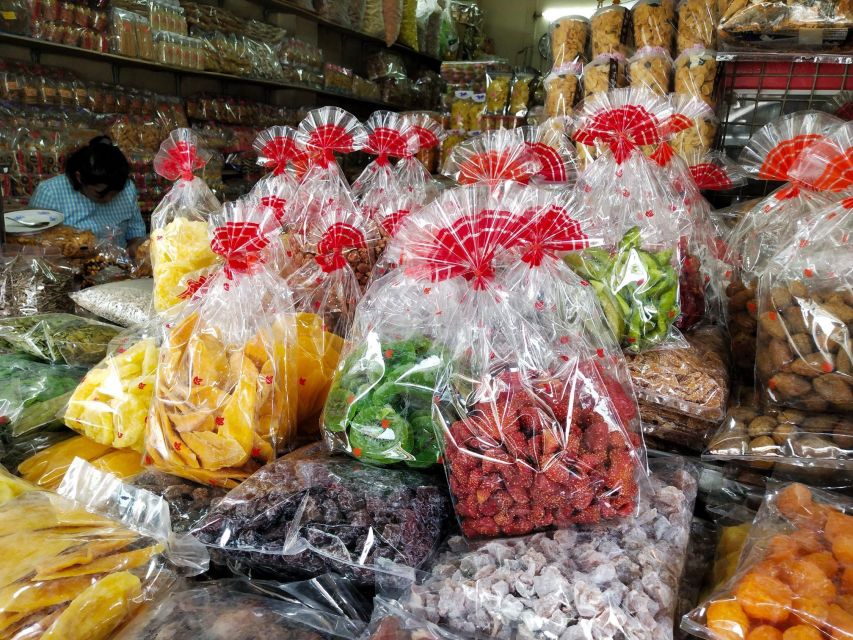
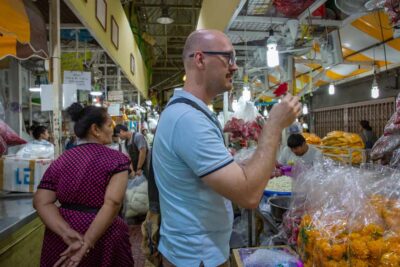
This is where the senses kick in fast. The walk includes lively markets filled with everyday goods, colorful trinkets, and storefronts tied to health and folk practice. You might see herbal remedies and the kinds of ingredients you would never search for on your own unless you already knew what to look for.
Market stops are more than shopping. They’re where you learn how Chinatown and Thai life overlap. The guide’s job is to point out what looks similar on the surface but works differently in local tradition, like the way people choose remedies, the way shops display products, and the reason certain items are common in the neighborhood.
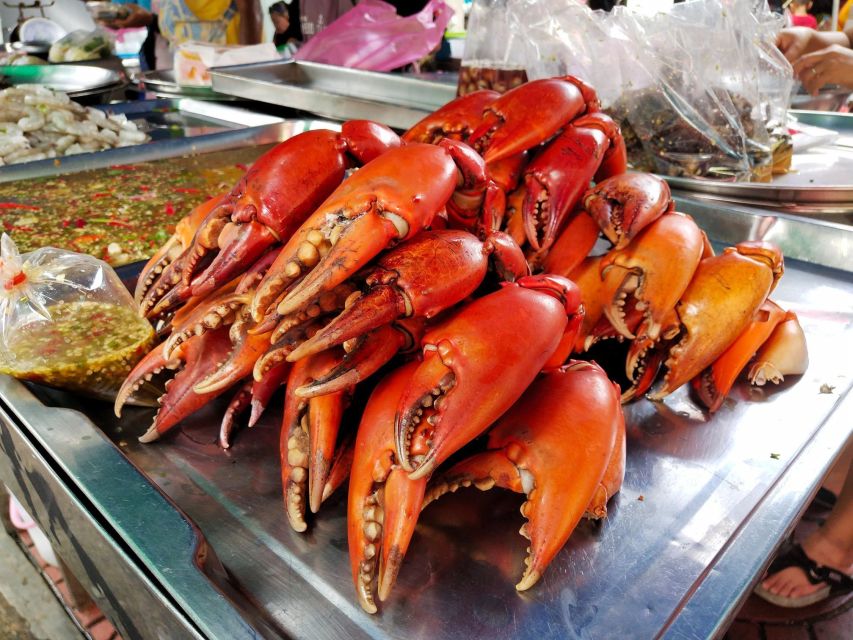
And then comes the best part: the food tastings. You’ll try Thai-Chinese street food the way local people eat it, with examples that include:
- Crispy pork belly
- Handmade dumplings
- Herbal teas
This is a smart way to do Chinatown food. Instead of paying for a full meal before you even understand what you like, you sample and calibrate. If you have dietary restrictions or allergies, tell the operator in advance. That’s your best move to keep the food part enjoyable rather than stressful.
Temples and shrines: incense, gold, and everyday faith
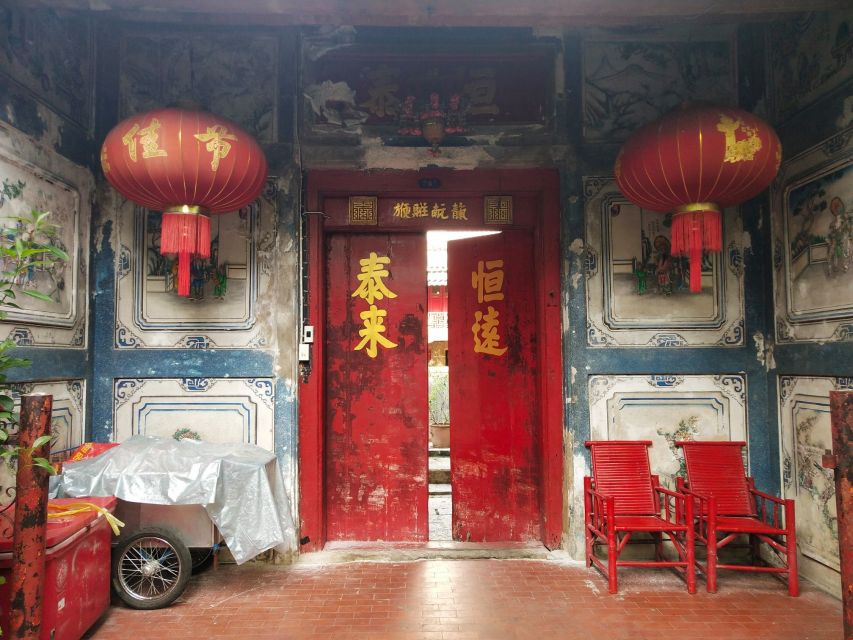
Chinatown has places that feel quietly alive. You’ll visit historic temples, shrines, and gold-adorned spots where locals offer incense and pay respects. The guide explains the traditions and how they’ve been preserved over generations.
Here’s why that matters for your trip. These are not just architecture stops. They show how belief systems stay woven into daily routines. You’ll notice incense smoke, prayer gestures, and the kind of calm that appears when people come to do something personal, not perform for tourists.
You should also be ready for small contrasts in what you see. Some shrines and temples look formal and ornate. Others feel intimate, like a community corner that grew naturally around worship. If you respect the quiet moments, your visit will feel more meaningful.
Old shophouses and hidden community spaces you won’t route on your own
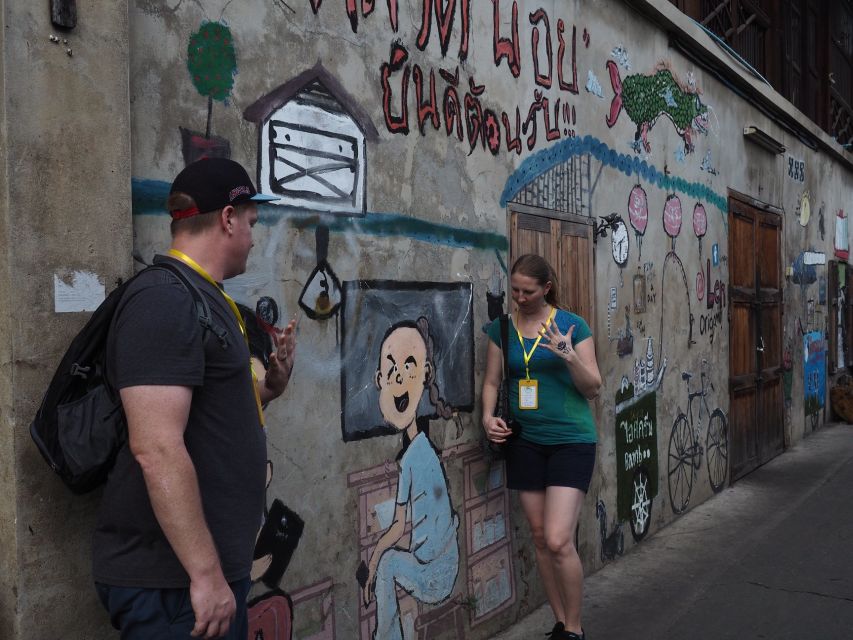
The walk takes you off the main tourist streets and into narrow alleys and backstreets, where everyday life unfolds. This is the part that makes a guided walk worth it. On your own, you might pass these lanes without noticing the cues. With a guide, you start to see patterns, like where community spaces connect, how small businesses cluster, and where shrines sit in plain sight.
You’ll also pause to admire old shophouses with individual stories and legacies. Again, this is not just “look at this building.” It’s learning how those structures were built to serve both street-level commerce and family life.
The tour also mentions hidden temples and community spaces that few visitors find. Practically, that means you’ll likely end up in areas where the vibe is local first, tourist last. It’s often hotter and more crowded in these lanes, but it’s also where the character is strongest.
More Walking Tours in Bangkok
- Bangkok: City Highlights Temple and Market Walking Tour
★ 4.5 · 3,990 reviews - Bangkok: Grand Palace and Wat Phra Kaew Guided Walking Tour
★ 4.4 · 2,417 reviews - Bangkok: Wat Pho and Wat Arun Guided Walking Tour
★ 4.6 · 1,720 reviews - Bangkok Authentic Tasting Thai-Chinatown Walking Food Tour
★ 4.9 · 852 reviews
Talad Noi: the oldest Chinese-Thai community vibe and Chao Phraya links
A major highlight is Talad Noi, described as the oldest Chinese-Thai community in Bangkok. You’ll feel the centuries of history as you walk. Your guide shares stories about early settlers and how the community formed around the Chao Phraya River.
This part of the tour helps you connect the dots. If earlier stops explained Chinatown’s entrance and architecture, Talad Noi shows the human side of it, how a neighborhood becomes a home over generations. Listening to those stories while you’re walking makes the history feel less like dates and more like real people adapting and building a culture in place.
If you like grounded context, this is a great section. If you only want famous sights, you might find it slower. But for most people, Talad Noi is where the walk starts to feel personal.
Food value for $75: tastings, access, and a guide who talks
At $75 per person, you’re paying for more than a stroll. You’re getting:
- A local guide leading the route through historic and everyday areas
- Temple and shrine visits
- Market and backstreet exploration
- Insider stories
- Thai-Chinese street food tastings
- Photo opportunities during the walk
You’re also not spending your time guessing which stalls are worth it. That’s the hidden value. In Chinatown, food choices can be overwhelming, and “best” depends on what you feel like trying. Tastings reduce that uncertainty, and your guide can steer you toward what fits the theme of the day.
One more practical note: additional food or drinks beyond the tastings are not included. So if you love to snack, bring a little extra budget. But you should also be satisfied with what’s provided, since the tastings are built into the experience.
Guides make the difference: why names like Sunee, JoJo, and Kaew matter
The quality here seems to hinge on the guide. The experience highlights guides such as Sunee, JoJo, and Ms. Kaew, and multiple accounts point to guides who answer questions patiently, adjust the pace to your interests, and share personal stories that make the area feel familiar.
What you should watch for when you’re on the tour is how the guide connects the dots. A great guide doesn’t just say what something is. They explain why it exists, how people use it, and what it means to the community today. Based on the guide reputation tied to this tour, that’s exactly the style you should expect.
Practical tips so the walk feels easy, not tiring
This isn’t a sit-down tour. It’s a walking day in active streets. Here’s what helps most:
- Wear comfortable shoes. You’ll cover ground on sidewalks and lanes that may be uneven.
- Keep clothing casual and plan for rain or shine. Bring an umbrella or raincoat if the weather looks questionable.
- Don’t bring luggage or large bags. The tour notes those are not allowed.
- If you have dietary restrictions or allergies, let the operator know ahead of time.
- The tour is not suitable for wheelchair users.
If you do those things, the walk tends to feel like a smooth neighborhood circuit rather than a chore.
Who should book this Chinatown walking tour, and who might skip it
This tour fits well if you want:
- A small-group experience where you can ask questions
- Thai-Chinese food tastings rather than full meals
- A focus on temples, shrines, and historic shophouses
- Real neighborhood stories, including Talad Noi context
Consider skipping if you:
- Can’t handle walking through narrow backstreets for a prolonged time
- Need a fully accessible route (it is not suitable for wheelchair users)
- Prefer very few stops and mostly major landmarks only
If you love markets, incense-and-street-life atmosphere, and food you can eat while you learn, you’re in the right place.
Should you book it?
I’d book this Chinatown walking tour if you want Bangkok that feels local fast. The $75 price makes sense when you factor in a guided route through historic sites, market-side context, and multiple Thai-Chinese tastings. The small-group format is a real advantage, especially if you like explanations and conversations, not just sightseeing.
Skip it if you want a purely top-sights checklist or you struggle with longer walking in tight areas. Otherwise, this is a strong way to understand Chinatown’s everyday culture, one incense stop and one dumpling bite at a time.
FAQ
Where is the meeting point?
The tour starts at MRT Wat Mangkon station exit 1, at the Plaeng Nam intersection (3 Plaeng Nam Rd, Khwaeng Samphanthawong, Khet Samphanthawong, Bangkok 10100).
How does the tour end?
The activity ends back at the meeting point.
Is transportation included?
No. Transportation to and from the meeting point is not included.
What should I bring?
Bring comfortable shoes. The tour runs in rain or shine, so bring an umbrella or raincoat if needed.
Are luggage or large bags allowed?
No. Luggage or large bags are not allowed.
What languages are available?
The tour is offered in English and German.
Is the tour suitable for wheelchair users?
No. It is not suitable for wheelchair users.
More Food & Drink in Bangkok
- Bangkok Midnight Food Tuk Tuk Tour
★ 5.0 · 2,542 reviews - Bangkok: Markets, Temples and Food Night Tour by Tuk Tuk
★ 4.9 · 2,371 reviews - Bangkok: Midnight Food Tour by Tuk-Tuk
★ 4.9 · 2,054 reviews - Bangkok Backstreets Food Tour with 15+ Tastings
★ 5.0 · 1,926 reviews
Newest Bangkok reviews on the site
- From Bangkok/Pattaya: Private Customized Pattaya Day Trip★ 4.2 · 13 reviews
- No Diet Club – Local food tour in Bangkok with many tastings★ 4.9 · 18 reviews
- From Bangkok: Mahasawat Canal and farm with Lunch★ 4.9 · 8 reviews
- Thai Spices Hands On by Mahanakorn Thai Cooking class★ 5.0 · 7 reviews
- Mahanakhon SkyWalk Entry Ticket★ 4.3 · 20 reviews
- Mahachai & Maeklong Railway Market Day Tour From Bangkok★ 4.7 · 14 reviews
- Mad Monkey Bangkok City Session – Walking Tour★ 3.7 · 6 reviews
- Khao Yai National Park: Waterfalls – Heaw narok & Heaw Suwat★ 5.0 · 25 reviews
Food & Drink, compared.
White Orchid Chao Phraya Dinner Cruise free Beer
Read our review →
Bangkok by Night: Temples, Markets and Food Tuk-Tuk Tour
Read our review →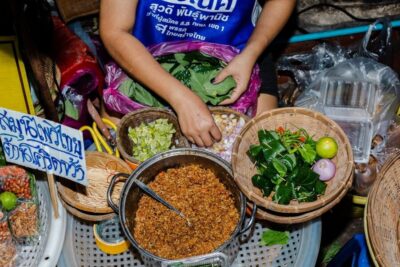
Markets, Temples and Food Night Tour by Tuk Tuk
Read our review →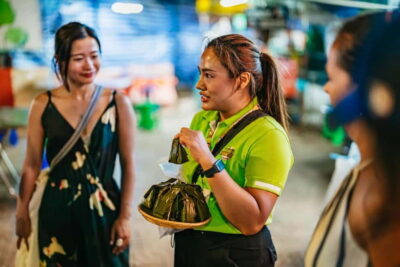
Southern Flavors Phuket Food Tour with 15+ Tastings
Read our review →Bangkok Backstreets Food Tour with 15+ Tastings
Read our review →Browse the lists this tour appears in