
Review · KOH TAO TOURS
Open Water Course
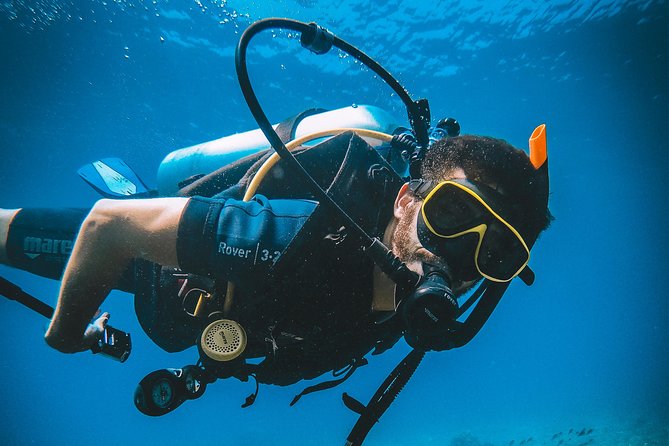
Koh Tao is one big training ground for new divers. This Open Water course at DPM turns that reputation into a structured, safety-first program, with instruction in your language and small groups that keep you moving at your pace.
I really like how the course mixes classroom lessons with real water practice across five supervised underwater sessions, so you are not guessing when it matters. I also appreciate the emphasis on quality training, with instructors trained through their SSI Instructor Trainer Center. One consideration: the schedule is weather-dependent, so you want a bit of flexibility in your travel plan for day-by-day timing.
In This Review
- Key points to know before you go
- Why Koh Tao works for Open Water training
- DPM setup: small groups and real safety focus
- The 2.5-day schedule that actually teaches the skills
- Day 1: classroom prep, then your first water session
- Day 2: two open-water sessions after more classroom work
- Day 3: final sessions and a short exam by midday
- What you’ll see: Nang Yuan Island and the first real coral moment
- Your certification: what Open Water means (and what it lets you do)
- Price and value: what $376 buys you on Koh Tao
- Logistics that matter: meeting point, mobile ticket, and staying nearby
- Who this Open Water course fits best
- Practical tips so you enjoy the process more
- If weather shifts, how the course handles it
- Should you book this Open Water course at DPM in Koh Tao?
- FAQ
- How long is the Open Water course in Koh Tao?
- How many underwater sessions are included?
- Do I need any previous experience?
- What group size should I expect?
- What certification do I earn?
- Where does the course start and end?
- Is this a private activity?
- What if the course is affected by poor weather?
Key points to know before you go
- Max 4 students per instructor keeps the coaching personal
- Five underwater sessions plus an exam, not just a quick intro
- Classroom first, then water helps nerves settle faster
- International Open Water certification valid for life, good to 18 meters
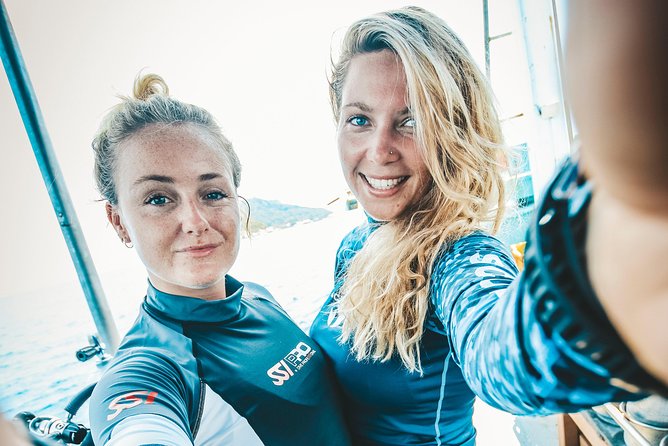
- Instructors you might meet include Natasha, Jess, Tyler, Jony, Pat, Joaco, Jessy, and Malena
- Nang Yuan Island is part of the training lineup, weather permitting
Why Koh Tao works for Open Water training
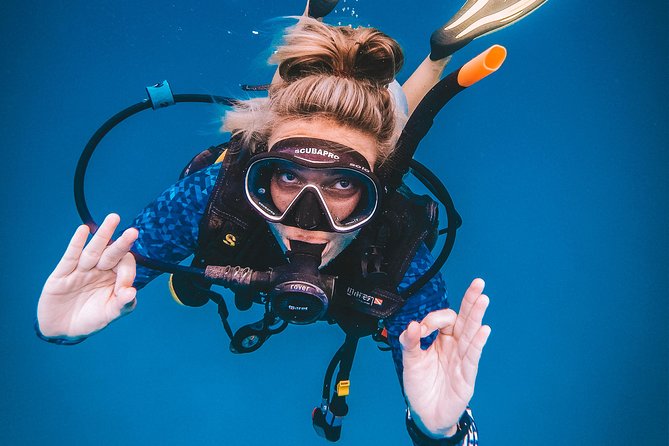
Koh Tao has become a starting point for many first-time underwater students for a simple reason: it is built for this. You will be surrounded by dive schools, dive sites, and people who have done this exact step before. That matters because Open Water is mostly about confidence and control, not about rushing to see everything at once.
What I like about Koh Tao for this course is the practical rhythm. You learn the skills in a controlled way, then you apply them the same day. The island is also known for clear water, coral, and colorful fish, so when you finally get your breathing pattern and buoyancy under control, the setting makes it feel like a real reward, not just a lesson.
A few more Koh Tao days to weigh up
- Koh Tao: Islands Snorkeling Highlights Day Tour & Lunch
★ 4.7 · 3,742 reviews - Full day snorkeling adventure around Koh Tao
★ 5.0 · 2,300 reviews - Open Water Course – Become certified diver in 3 days
★ 5.0 · 1,137 reviews
DPM setup: small groups and real safety focus
The course keeps group size tight: up to 4 students per instructor. That is a big deal when you are learning skills that depend on comfort and repetition. In a larger group, you can feel like you are waiting your turn. Here, you are more likely to get fast feedback and corrections.
You are also not left on your own. The program runs with an instructor-led format and is always supported by an assistant team. That support shows up in the way the training is paced, especially on the days you feel most nervous, like your first water session.
Another plus: DPM instructors are trained through their own Professional Department, described as an SSI Instructor Trainer Center. In plain terms, it suggests you are not only getting teachers with experience, but teachers with a defined training standard.
If you have worries before you start, you will fit right in. One of the most consistent themes from the school’s reputation is attentiveness, even when people are unsure about ear equalization or feel uneasy about the equipment.
The 2.5-day schedule that actually teaches the skills
This course runs about 2 days and 12 hours and is typically spread across 3 days of training blocks, with a short exam on the final day. The structure is designed so the next step builds on the last one, instead of throwing you in.
Day 1: classroom prep, then your first water session
Day 1 starts with a morning theory class. This is where you learn the basics of what to expect underwater, how equipment works, and how to handle standard situations.
In the afternoon, you move into your first water session. This is where the idea clicks: what you memorized in the classroom becomes muscle memory. If you were nervous, this day is often when nerves turn into focus, because you get supervised, hands-on practice.
Same stretch of coast, a different sort of day:
- Koh Tao: Koh Nangyuan & Hidden Bays Snorkeling Tour w/ Lunch
★ 4.6 · 912 reviews - Ko Tao: Tao-Nangyuan Snorkeling Day Trip with Meals & Sunset
★ 4.6 · 711 reviews - Koh Tao: Snorkeling Trip to Nang Yuan Island & Hidden Bays
★ 4.8 · 646 reviews - Ko Tao: Try Scuba Diving 1-Day Experience
★ 4.8 · 452 reviews
Day 2: two open-water sessions after more classroom work
After more classroom sessions, you get two open-water underwater sessions. These are the skills days, where you apply what you learned across different conditions and refine technique.
This is also the day where group dynamics help. Even if you arrive solo, you are likely to meet other students in the course timeline, so the experience does not feel isolating.
Day 3: final sessions and a short exam by midday
On the last day, you complete the final two underwater sessions, usually in the morning. Then you finish around midday with a short exam.
That exam finish time is useful for planning your remaining Koh Tao hours. It also means you can think of the course as a set timeline, not an open-ended “maybe we finish today.”
What you’ll see: Nang Yuan Island and the first real coral moment
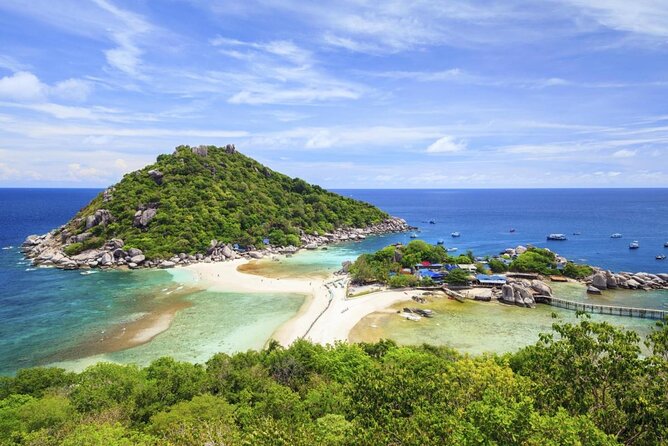
One clearly listed stop is Nang Yuan Island, which is known for scenic, tropical conditions. In practice, what matters for you as a student is not just the scenery. It is that you get to experience the underwater world while still focused on training goals.
The course overview promises you can expect clear water, coral reefs, and tropical fish, and that lines up with what first-time students hope for. When you are learning buoyancy and breathing, seeing coral and fish helps your brain stay engaged. It is easier to practice when it feels like a real place, not a training pool.
There may be additional underwater locations depending on conditions. But Nang Yuan Island is part of the plan, and it gives your course a memorable “training landmark” moment.
Your certification: what Open Water means (and what it lets you do)
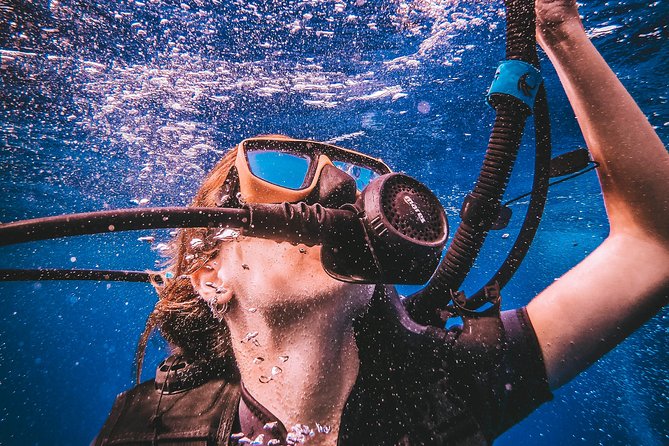
You will earn an Open Water Diver certification. The key benefit is what it unlocks: you can dive underwater up to 18 meters. It is also described as having international and lifetime validity, which is exactly what you want if you are traveling for the long haul.
This certification is worth thinking about as a long-term passport. Many people come to Koh Tao thinking they want a fun few days. Then they realize they are choosing a credential that can shape future trips. That is why this course format is valuable. You get enough practice to earn the card, not just the first taste.
Also, because Koh Tao is a common place to start, you will find plenty of future opportunities to keep learning after you pass the basics.
Price and value: what $376 buys you on Koh Tao
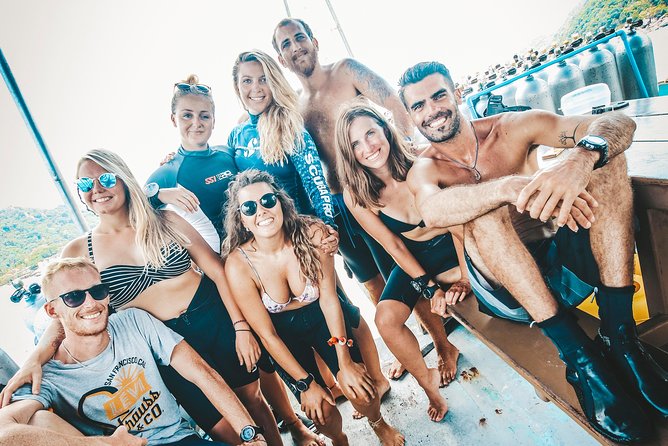
The price is $376 for the course. I look at value here in a few layers:
- You are paying for more than theory. You get a morning classroom, water practice on day 1, then two underwater sessions on day 2, then two more on day 3, plus a short exam.
- You get tight instructor attention with a max group size of 4 students per instructor.
- The setting is a dive-training destination, which means the program can be run efficiently and you are not far from where you need to be.
If you think about cost per day, it lands around the range of what many travelers spend on several full-day activities in Thailand. The main difference is that you are walking away with a lasting certification, valid internationally and for life, not just a one-off experience.
Logistics that matter: meeting point, mobile ticket, and staying nearby
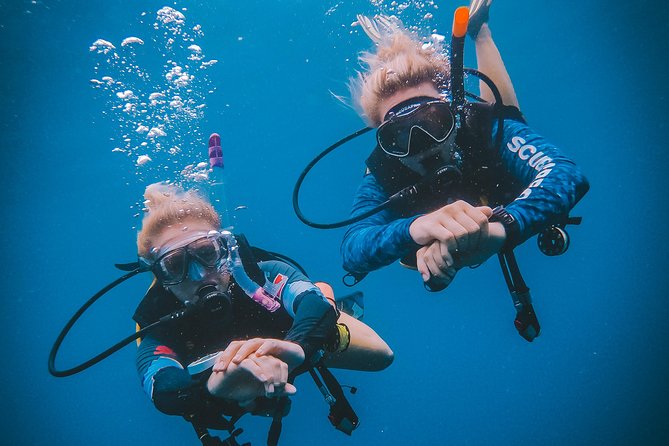
The course starts at DPM Koh Tao in Tambon Village, Koh Tao, Surat Thani 84360, and ends back at the meeting point. It is also described as near public transportation, so you are not forced into expensive transfers just to start class.
You also receive a mobile ticket, which is a small convenience but helps on a trip where you might juggle multiple bookings.
If you want your days to feel smoother, consider staying close to the school. People often choose the school’s hostel option in order to cut down on travel time between sessions. That can help if your schedule runs morning to midday on day 3.
Who this Open Water course fits best
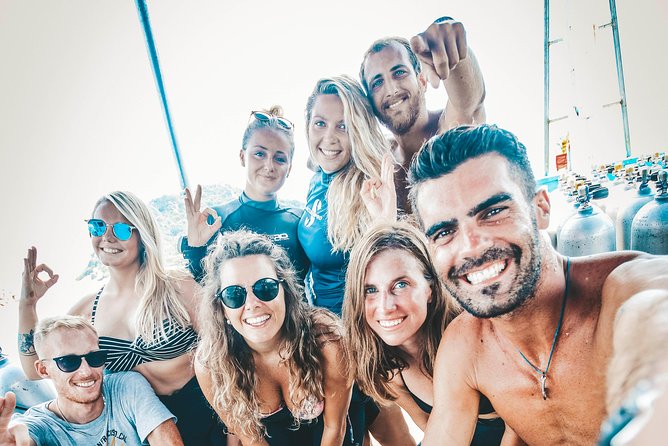
This course is built for no previous experience. If you are brand new, the classroom-to-water sequence is the right pace. If you are anxious, the small group size and instructor attention are exactly the kind of structure that makes you feel safer.
It also fits solo travelers. You can meet other students in your course window, and the format makes it easy to talk with people without forcing awkward group plans. One of the practical joys people note is that it feels social without feeling chaotic.
Age is not a barrier. The school’s reputation includes people in their 50s getting comfortable with the training, which is reassuring if you are worried about feeling out of place.
Practical tips so you enjoy the process more
I cannot promise you will feel calm on day 1. But you can set yourself up to do well.
- Tell your instructor what worries you before you start. If ear pressure is your concern, bring it up early. The school’s approach is described as attentive, and that matters.
- Plan your mindset for repetition. Open Water is step-by-step. If you treat each skill as a small win, the whole course feels easier.
- Bring the right basics for warm-water training. The course is in Koh Tao, so you can expect tropical conditions, but you still want to feel comfortable in your gear and between sessions.
- Build in a little buffer time around the course, especially if you want to explore after you finish.
If weather shifts, how the course handles it
This experience requires good weather. If it gets canceled due to poor weather, you will be offered a different date or a full refund.
That is your best clue for how to plan. If you book it as part of a tight itinerary where every hour is already locked, you may feel stressed. If you keep a bit of breathing room, the weather policy becomes a manageable inconvenience instead of a trip-breaker.
Should you book this Open Water course at DPM in Koh Tao?
I would book if you want a structured path to certification, with small groups, instructor-led coaching, and enough supervised water practice to feel prepared. The course length is a sweet spot too. You are not stuck for a huge number of days, but you also get five underwater sessions plus an exam.
Book if you value language support. Learning the details in your language can make the whole experience less intimidating. Also, if you are the type who needs reassurance, this school’s reputation includes instructors known for supportive, patient teaching, including names like Natasha, Jess, Tyler, Jony, Pat, Joaco, Jessy, and Malena.
Skip it only if you cannot handle weather-related schedule changes. The good news is you get options if weather cancels the course, but the risk is still real.
If you want one honest framing: this course is not just about seeing coral. It is about getting the skills to keep learning safely anywhere in the world, with a certification that lasts a lifetime.
FAQ
How long is the Open Water course in Koh Tao?
The course runs about 2 days and 12 hours (approximately), and it is described as a 2.5-day experience with classroom time plus a total of 5 underwater sessions.
How many underwater sessions are included?
The program includes a total of 5 underwater sessions.
Do I need any previous experience?
No previous experience is needed. The course is designed for beginners.
What group size should I expect?
The course runs in small groups with a maximum of 4 students per instructor, and you are accompanied by an assistant throughout.
What certification do I earn?
You earn an Open Water Diver certification. It allows diving up to 18 meters and is described as international with lifetime validity.
Where does the course start and end?
It starts at DPM Koh Tao in Tambon Village, Koh Tao, Surat Thani 84360, and it ends back at the same meeting point.
Is this a private activity?
Yes, it is a private tour or activity, and only your group participates.
What if the course is affected by poor weather?
This experience requires good weather. If it is canceled due to poor weather, you will be offered a different date or a full refund. If you cancel yourself, it is non-refundable and cannot be changed for any reason.
Newest Koh Tao reviews on the site
- Basic Diver ( One Day Experience)★ 5.0 · 205 reviews
- La Bombona Diving Koh Tao Try Dive★ 4.5 · 14 reviews
- CocoTipAdventures and Snorkel with Meals-BBQs-Cocktail-Sunset★ 5.0 · 46 reviews
- Full Day Treasure Hunt on Koh Tao★ 5.0 · 86 reviews
- Snorkel Tour to Koh Nangyuan and the hidden bays of Koh Tao onboard the Oxygen★ 5.0 · 190 reviews
- Snorkel Trip to Koh Nangyuan and Bays of Koh Tao By The Oxygen★ 5.0 · 30 reviews
- Koh Tao Snorkeling Tour to Hidden Bays and Koh Nang Yuan★ 4.5 · 58 reviews
- Koh Tao : Private Road Trip To 8 Famous Places★ 4.5 · 16 reviews
Koh Tao Tours, compared.
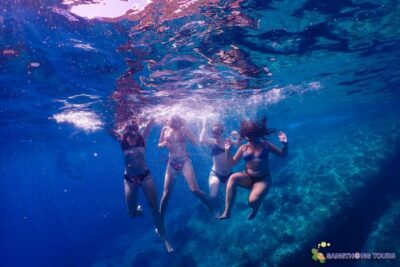
Islands Snorkeling Highlights Day Tour & Lunch
Read our review →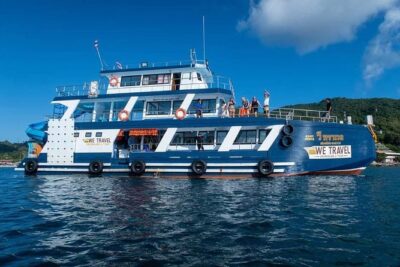
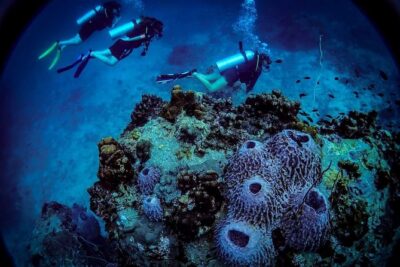
Open Water Course – Become certified diver in 3 days
Read our review →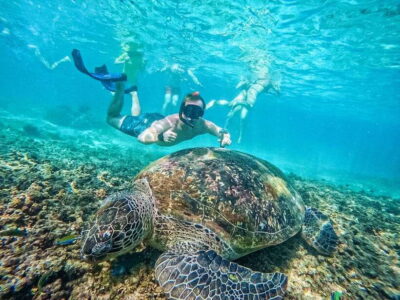
Koh Nangyuan & Hidden Bays Snorkeling Tour w/ Lunch
Read our review →
Tao-Nangyuan Snorkeling Day Trip with Meals & Sunset
Read our review →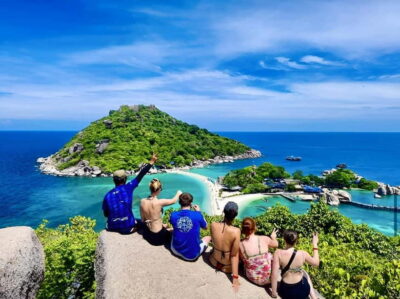
Snorkeling Trip to Nang Yuan Island & Hidden Bays
Read our review →
Koh Nangyuan and the Hidden Bays Trip by the Oxygen
Read our review →Browse the lists this tour appears in