
Review · PHUKET TOURS
Phuket: Turtles, Rafting & Elephants Private Ethical Tour
One ethical day, three wild hearts. This Phuket private tour strings together sea turtle rescue, bamboo rafting, and a temple stop, then finishes with an observation-only elephant sanctuary visit. The best part is the pace and care, with guides such as Kim, Zico, Shane, and Boom known for clear explanations and smooth timing.
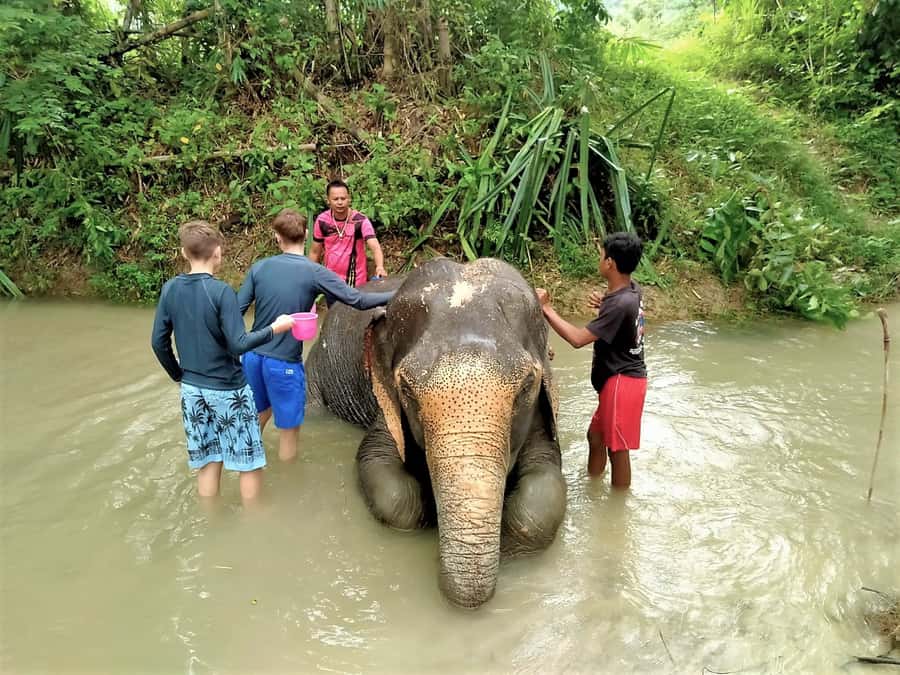
I especially like the observation-only elephant rules. No riding, no bathing, and no physical contact, just a respectful walk behind elephants so you can watch them set the direction. I also like how the day starts at the Sea Turtle Conservation Center, where you learn what rehabilitation really looks like.
The main thing to consider is that wildlife behavior is elephant-led, so you do not get a guaranteed schedule for mud baths or play. Add in the fact that it runs rain or shine, and that river conditions in Feb to May can affect rafting and waterfall stops, and you’ll want to pack for “flexible day” thinking.
In This Review
- Key highlights to focus on
- Phuket’s ethical combo day: turtles, rafting, temple, elephants
- The drive out of Phuket: why the long ride is part of the point
- Sea Turtle Conservation Center: what you learn before you get wet
- Wang Kiang Koo bamboo rafting: slow water, real paddlers, jungle views
- Ton Pling Waterfall and swim time: the part that makes you change clothes
- Lunch at a southern Thai spot: where the timing actually pays off
- Wat Lak Kaen temple visit: relic story, temple etiquette, and photo time
- Ethical elephant sanctuary: how to watch without interfering
- Herbal elephant time plus Ya Dom inhalers and Khanom Krok
- Police Boat 813 tsunami memorial: a quiet, important photo stop
- Price and value for a $418 private group of up to 3
- Who should book this tour, and who should skip it
- Should you book the Phuket turtles, rafting, and ethical elephants private tour?
- FAQ
- How long is the Phuket Turtles, Rafting & Elephants Private Ethical Tour?
- What does it cost and how many people are included?
- Where are the pickup and drop-off locations?
- What languages is the guide available in?
- What are the elephant rules during the sanctuary visit?
- Is there swimming during the day?
- What should I bring for the tour?
- Does the tour run rain or shine?
- What happens if water levels are low in certain months?
Key highlights to focus on
- Sea turtle conservation first, with rescue and rehabilitation stages explained clearly
- Bamboo rafting at Wang Kiang Koo, led by local paddlers through a jungle stream
- Wat Lak Kaen temple visit, including the Buddha holy relic story and a chance to dress properly
- Ethical elephant sanctuary, observation-only, with no touching, no riding, and no physical contact
- Elephant-led bathing and mud play, with viewing from a platform and no fixed timetable
- Thai herbal and snack making, including Ya Dom inhalers and Khanom Krok
Phuket’s ethical combo day: turtles, rafting, temple, elephants
This is the kind of day trip that feels like it was built for people who care about how experiences are done, not just what photos you can get. You’re in a private group, so the day runs around your schedule and questions, not around a big bus herd.
I like that it blends four different “southern Thailand” modes into one 8-hour loop: conservation learning, water time, cultural context, and an elephant encounter with strict welfare guidelines. Guides named Kim, Zico, Shane, and Boom show up repeatedly in feedback, and that matters because this is not a throw-you-in-van-and-figure-it-out day.
The day can be long, and you will be traveling between sites. Still, it earns that time by stacking meaningful stops instead of repeating the same tourist basics.
A few more Phuket City days to weigh up
- Phuket: Paradise Trip ATV Jungle Adventure
★ 4.8 · 3,250 reviews - Phuket: Full Day City Tour with Night Market
★ 4.5 · 2,888 reviews - Phuket: Guided Tour of Phuket City with Hotel Transfers
★ 4.7 · 2,527 reviews
The drive out of Phuket: why the long ride is part of the point
A lot of Phuket tours feel like they stay close to town. This one pulls you into Phang Nga Province territory, which is where the jungle, waterfalls, and the conservation sites cluster.
Expect hotel pickup in one of the Phuket areas used for this tour, with pick-up options in Mai Khao and the Thai Mueang District area. The travel time to the first main stop is about 1.5 hours by van, then you keep moving between sites after that.
Why it’s worth it: your day is not just “one attraction.” It’s a sequence. Turtle care, rainforest rafting, and an ethical elephant sanctuary don’t happen next door to most Phuket hotels. That distance is the price you pay for seeing the real operating backdrop behind the experiences.
Sea Turtle Conservation Center: what you learn before you get wet
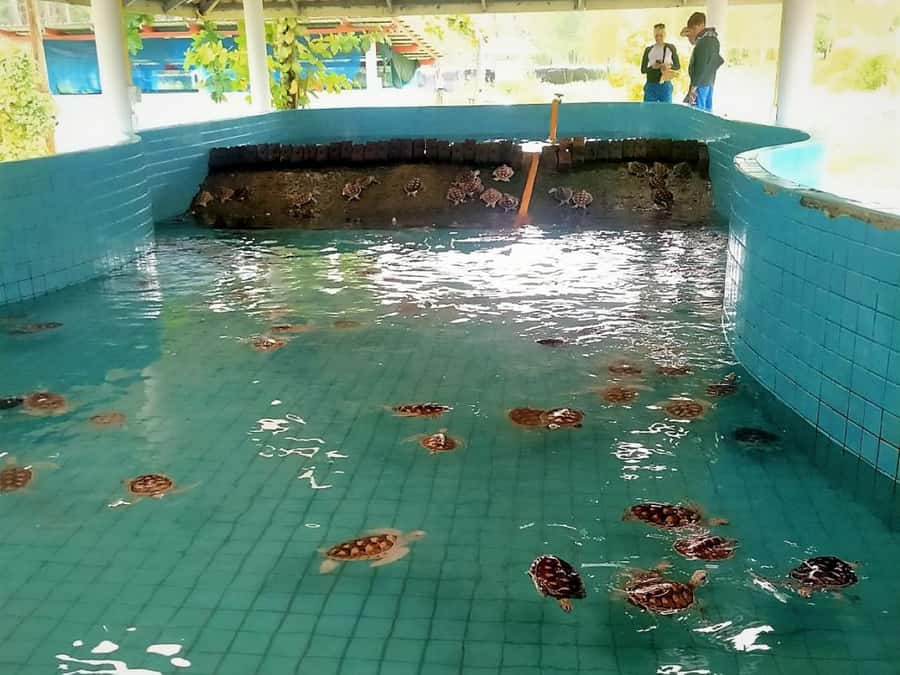
Your day begins at the Sea Turtle Conservation Center, and that sets the tone. You’re not just looking at animals. You’re learning about endangered sea turtle species and the conservation work happening around rescue efforts and marine protection.
What I’d focus on here is the “rescue and rehabilitation” angle. The center lets you observe turtles at different stages of recovery, so you can connect what you see with why protection programs matter in Thailand’s marine environment.
This stop is a good emotional warm-up too. When you start with conservation care, the rest of the day feels more grounded, especially once you get to elephants, which also come from rescue backgrounds in this type of sanctuary setting.
Practical note: plan to keep your day-bag simple. You’ll want space for water activities later, and you do not need to carry extra bulk from stop to stop.
Wang Kiang Koo bamboo rafting: slow water, real paddlers, jungle views
After the turtle center, you head toward Wang Kiang Koo Waterfall for bamboo rafting. The rafting itself is about 50 minutes, and the whole point is the calm rhythm: a bamboo raft drifting through a lush jungle stream while local paddlers guide you.
There are a few details worth knowing before you get on the raft:
- You’re in moving water, but it’s meant to feel peaceful, not like a whitewater challenge.
- You might have chances to cool off depending on water conditions, since rafting sometimes involves a pool stop where swimming can be an option.
- Your success here depends on the season. During Feb to May, the river can have low water levels. The tour provider notes that they may use alternative rafting locations, and in that same low-water period they may skip waterfall visits.
If you’re traveling in those months, don’t treat the rafting and waterfall stops as guaranteed in the exact same way. Still, the tour sets up alternatives to keep the day’s water experience intact.
One more reason this rafting works: it’s not just “get wet and move on.” You’re getting guided observation of a natural setting, which is harder to fake than most sightseeing.
Same stretch of coast, a different sort of day:
- Phuket: Lily Elephant Half day Trip on the Beach with lunch
★ 4.8 · 1,420 reviews - Phuket: Elephant Experience with Lunch or Dinner and Pickup
★ 4.7 · 1,387 reviews - Phuket: Phi Phi Islands and Maya Bay Day Trip with Lunch
★ 4.2 · 940 reviews - Phuket: Bukit Elephant Park Sanctuary Walk and Feed Tour
★ 4.9 · 926 reviews
Ton Pling Waterfall and swim time: the part that makes you change clothes
Ton Pling Waterfall is built into the day with swimming time. This is where your towel and change of clothes earn their keep fast.
One thing I like about including a waterfall swim break is that it gives your body a reset after the turtle center and the driving. It also makes the day feel like a full southern Thailand outing, not a string of indoor visits.
Real talk: bring at least 2 sets of change of clothes. You’ll likely get wet more than once, especially if you decide to swim or if water conditions make the rafting experience involve extra cooling off.
Some trip feedback also mentions fun moments like rope swinging during the water stops. That’s not something you should plan around like a main activity, but it does fit the “play in nature” vibe of the day.
Lunch at a southern Thai spot: where the timing actually pays off
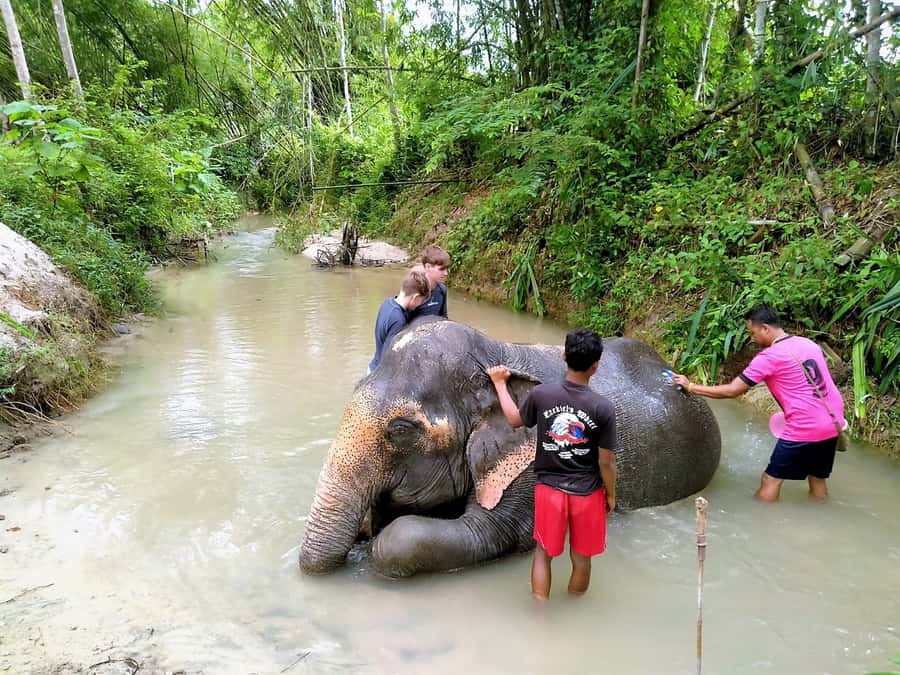
Lunch comes as a southern Thai set meal at a local restaurant (WonderlanD Bar & Restaurant is named). The lunch time is about 1.5 hours, which is long enough to eat without feeling rushed.
I’ve learned to judge Thailand tours by lunch quality, and this one gets strong marks. People describe it as delicious, plentiful, and a standout meal compared to other stops in the country. There’s also at least one example of the kitchen handling fish-focused preferences by adjusting what’s on the plates.
What you should expect:
- A set menu, not an all-you-can-order free-for-all.
- Enough food that you won’t be hungry right after the temple and before the elephant portion.
- Drinks like water and cola are included.
If you have serious dietary restrictions, you should mention them before the day starts. The tour data does not list specific allergy handling, so don’t assume.
Wat Lak Kaen temple visit: relic story, temple etiquette, and photo time
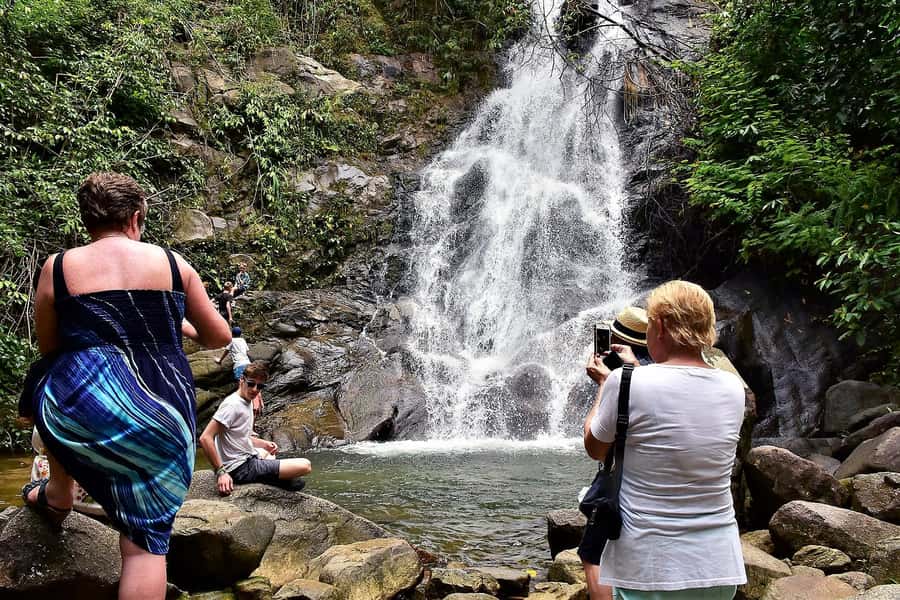
Next up is Wat Lak Kaen, one of the region’s oldest and most significant temples. You’ll have a photo stop, plus time to visit and see the site.
Here’s what makes this stop feel more than just a quick temple checkbox: you hear the story of the Buddha’s holy relic and learn about spiritual traditions tied to the area. That context helps you look at the details with understanding instead of just spotting structures for pictures.
Dress matters. You’ll be told to dress appropriately for temple visits. In practice, that means keep your shoulders and legs in mind. You’ll also want a sarong handy, since it’s listed as a recommended item to bring.
Ethical elephant sanctuary: how to watch without interfering
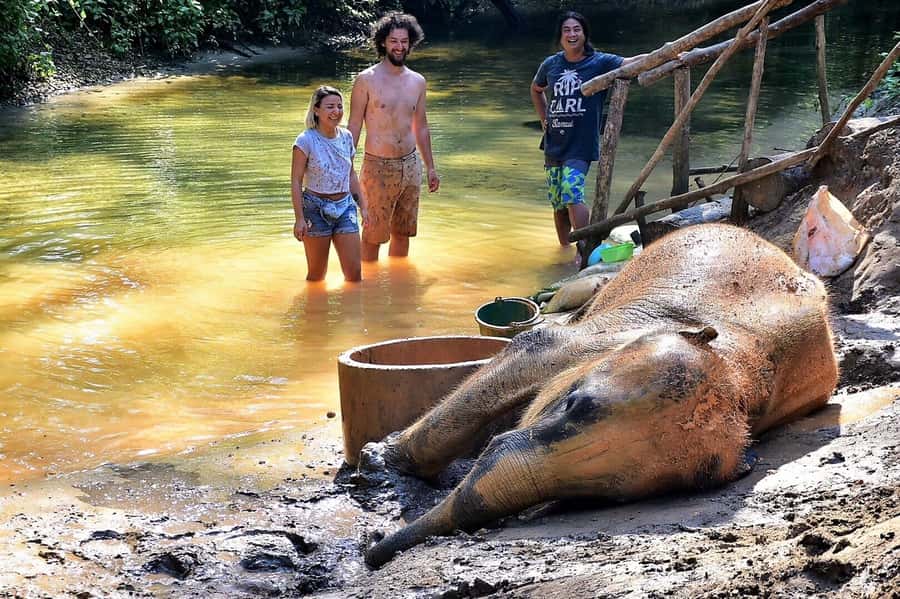
This is the heart of the tour, and it’s also the part where you need the right expectations.
You go to an ethical elephant sanctuary with rescued domestic elephants cared for by experienced mahouts. The rules are strict and they matter:
- No riding
- No bathing by you
- No physical contact
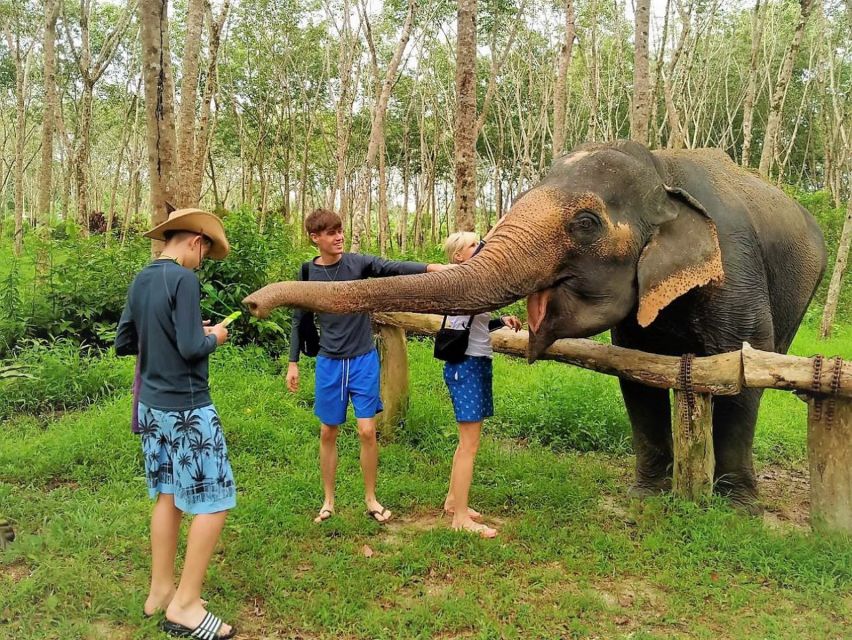
Instead, you join a guided observation walk. You follow behind the elephants at a respectful distance. You do not touch, lead, or control them. The elephants decide the pace and direction, and the mahouts oversee the interaction area.
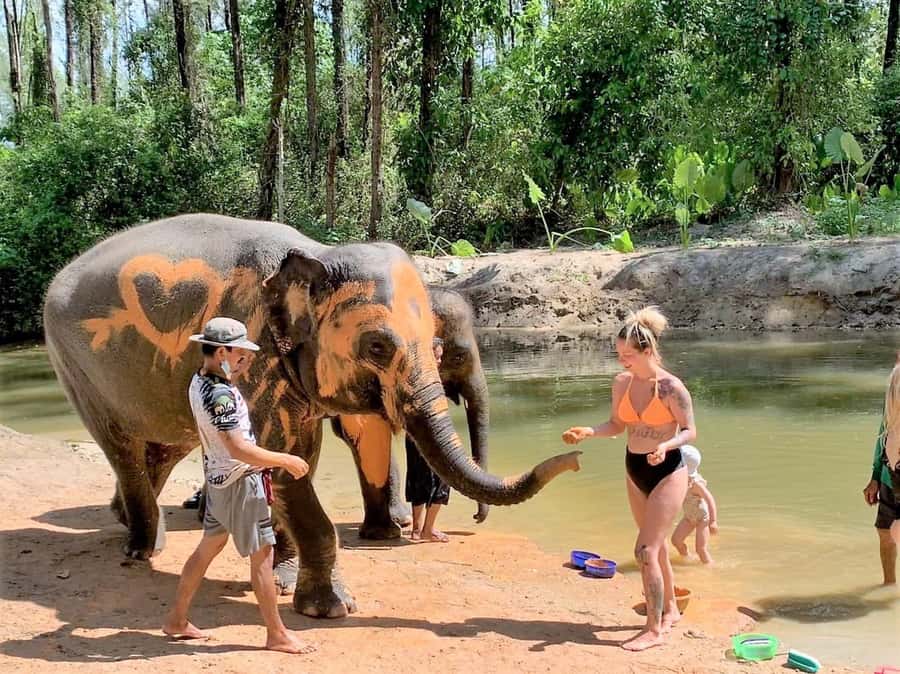
What makes this experience feel different from the common elephant attraction model is the “elephant-led” framing. The tour includes a designated viewing platform near a natural creek where you can observe elephants if they choose to bathe or play in mud. There is no fixed schedule and no expectation, which is actually the ethical point: you’re watching their routines, not manufacturing a performance.
Some trip feedback also mentions there are clean showers available afterward, which is a huge quality-of-life detail after the day’s water and mud potential.
Elephant personality is another reason this stop sticks. One named example from feedback is Sandy, a 65-year-old rescued elephant who becomes part of the day through the observation walk and the natural mud-bath behavior.
One more consideration: elephant behavior can’t be guaranteed. That’s not a sales line, it’s a reality you should plan around. You’ll get the opportunity to observe, but don’t count on specific behaviors happening on your exact timeline.
Herbal elephant time plus Ya Dom inhalers and Khanom Krok
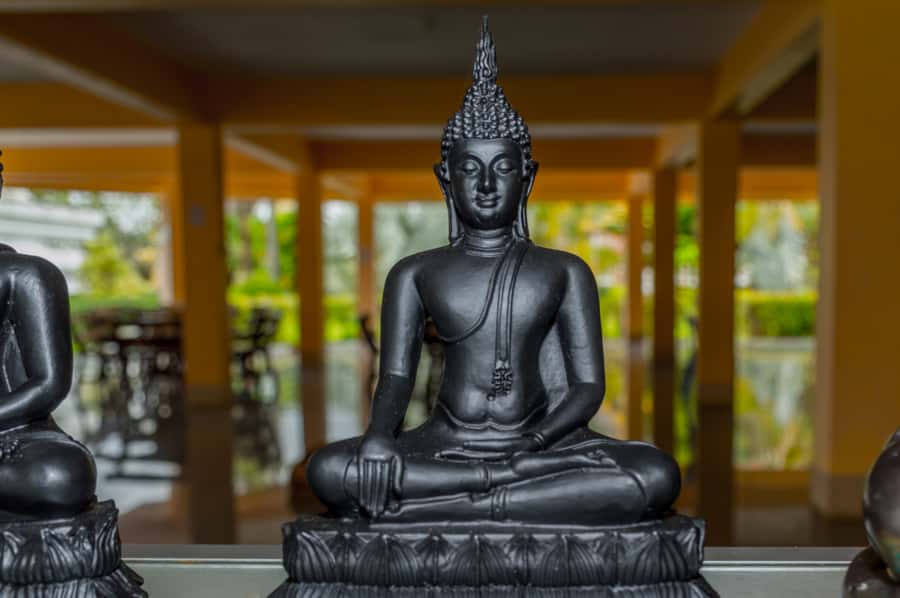
After the observation walk, the tour shifts from watching to participating in human cultural learning that connects to the elephants’ daily care.
You’ll take part in preparing a traditional herbal supplement for the elephants. The tour notes this is offered by caretakers following welfare-based practices. The point is not feeding or “doing a trick.” It’s learning what caretakers do for elephant welfare and being part of that learning moment under staff direction.
Then you get two very Thailand-specific culture stops:
1) A Thai herbal inhaler workshop, called Ya Dom
2) Khanom Krok making, one of Thailand’s beloved coconut street snacks
I like this pair because it keeps the day balanced. You’ve just been in conservation learning mode and elephant observation mode. These workshops bring you back to sensory, hands-on culture that does not depend on animal behavior at all.
If you want good souvenirs that are not mass-produced, homemade Khanom Krok and the Ya Dom inhaler workshop experience can be more meaningful than a quick shop stop.
Police Boat 813 tsunami memorial: a quiet, important photo stop
Before you return toward Phuket, the day includes a stop at Police Boat 813 in Phang Nga. It’s described as a powerful tsunami memorial symbolizing resilience and remembrance, with photo and sightseeing time on the way.
This is one of those stops that adds gravity to the day. It also helps explain the region’s story beyond nature and wildlife.
One practical note from feedback: some photos at this memorial can be graphic. If you’re traveling with kids or anyone sensitive to strong imagery, keep that in mind and decide whether to stay close to the boat area rather than linger on the most intense display photos.
Price and value for a $418 private group of up to 3
At $418 per group up to 3 people, this is not a budget half-day. It’s a full-day private experience with multiple stops and included entries and activities.
Here’s where the value comes from:
- Private hotel pickup and drop-off, plus private air-conditioned vehicle
- English or German-speaking guide
- Sea turtle conservation center visit
- Bamboo rafting (including the rafting time)
- Temple visit
- Ethical elephant sanctuary experience with an observation walk
- Herbal supplement preparation for elephants
- Ya Dom workshop and Khanom Krok making
- Police Boat 813 memorial stop
- Drinks like water and cola
- Basic accident insurance
In other words, you’re paying for transportation, guidance, access, and multiple specialized activities on one schedule. If you split the group cost across up to three people, it can feel reasonable for what you get, especially because the elephant portion is observation-only and the conservation and temple parts are integrated, not tacked on.
Who should book this tour, and who should skip it
I think this is a strong fit if you want:
- An ethical elephant experience with clear welfare rules (no riding, no bathing, no touching)
- A conservation-minded start at a sea turtle center
- A full day that mixes nature, water activities, and Thai culture
- A private format so you can ask questions and keep the day comfortable
It’s not suitable for everyone. The tour is listed as not suitable for pregnant women and for people with mobility impairments. The day includes water activities and movement between sites.
Also, if you hate the idea of “no guarantee” around animal behavior, you might feel frustrated here. The point is to observe, not to perform or control.
Should you book the Phuket turtles, rafting, and ethical elephants private tour?
Book it if you want a rare combination: sea turtle conservation learning plus an observation-only elephant sanctuary plus a real water-and-raft day, all in one organized loop. The tour’s biggest strength is the ethics and the variety, and the strongest praise across feedback is the guide experience and the lunch quality.
Pass or choose something else if:
- You need strict accessibility support
- You prefer scheduled animal interactions with guaranteed outcomes
- You’re traveling in Feb to May and cannot handle possible changes to rafting and skipped waterfall stops due to low water
If your travel style is “meaningful first, photos second,” this is exactly the kind of day that earns its place on a Phuket itinerary.
FAQ
How long is the Phuket Turtles, Rafting & Elephants Private Ethical Tour?
The tour duration is 8 hours.
What does it cost and how many people are included?
It costs $418 per group up to 3.
Where are the pickup and drop-off locations?
Pickup and drop-off are offered in Phuket, with pickup/drop-off options that include Mai Khao and the Thai Mueang District.
What languages is the guide available in?
The guide is available in English or German.
What are the elephant rules during the sanctuary visit?
The experience is observation-only. There is no riding, no bathing, and no physical contact. You also do not lead or control the elephants.
Is there swimming during the day?
Yes. The schedule includes Ton Pling Waterfall with swimming time, and you may also cool off in natural waters during the raft and water stops.
What should I bring for the tour?
Bring change of clothes, a towel, cash, and a passport copy accepted. A sarong is also recommended.
Does the tour run rain or shine?
Yes. The tour takes place rain or shine.
What happens if water levels are low in certain months?
During Feb to May, low water levels can affect the rafting river. Alternative locations are prepared, and waterfall visits may be skipped during this period.
Newest Phuket City reviews on the site
- Old Phuket Farm Ticket – Countryside Local Life Culture★ 4.9 · 88 reviews
- Muay Thai Boxing Class for Beginners★ 4.9 · 17 reviews
- Phuket: Coral Island Day Trip and Sunset Dinner by Catamaran★ 4.1 · 16 reviews
- From Phuket: Similan Islands Day Trip★ 4.2 · 26 reviews
- From Phuket: Lazy Snorkel & Explore at Bamboo & Phi Phi★ 4.3 · 8 reviews
- From Phuket: Krabi Transfer with Phi Phi Longtail Boat Tour★ 4.7 · 25 reviews
- From Phuket: ATV Scenic Routes with Karon and Patong Views★ 4.6 · 238 reviews
- From Phuket: Cheow Lan Lake Overnight Resort Stay with Meals★ 5.0 · 7 reviews
Phuket Tours, compared.
Maya, Phi Phi, and Bamboo Island with Buffet Lunch
Read our review →
Phang Nga Bay Sea Cave Canoeing & James Bond Island by Big Boat
Read our review →
Elephant Jungle Sanctuary Ethical Feeding Experience
Read our review →
Similan Islands Early-Bird Tour From Phuket and Khao Lak!
Read our review →
Phi Phi Islands Adventure Day Trip w/ Seaview Lunch by V. Marine
Read our review →
Phi Phi Islands and Maya Bay Day Trip with Lunch
Read our review →Browse the lists this tour appears in