
Review · COOKING CLASSES
Thai and Akha Cooking Class in Chiang Mai
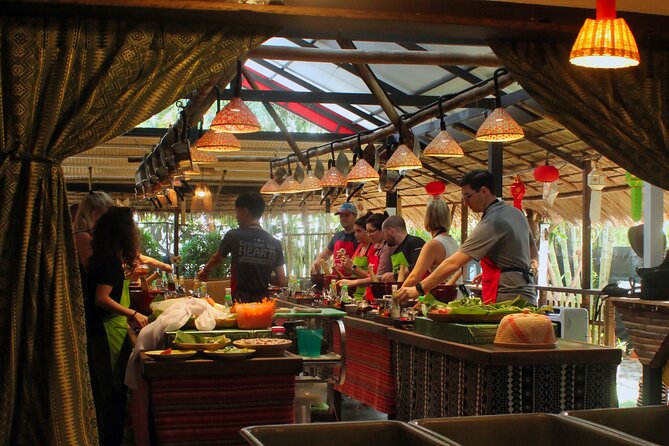
Cooking Thai and Akha food is a mini trip. In Chiang Mai, a small group and an Akha instructor guide you through a market stop (morning only) and a hands-on menu that ends with you eating what you make.
I love the market tour and ingredient shopping, because you taste and sniff your way through produce before you start chopping. I also love the menu variety, from Akha signatures like Akha salad and sapi thuong tomato dipping sauce to Thai-style curry and desserts, plus a full-color cookbook you can actually use at home.
The main catch is time: the day runs about 6 hours, so if you want something quick and light, this may feel like a long stretch.
In This Review
- Key highlights worth planning for
- Why Thai and Akha together works so well in Chiang Mai
- Morning market shopping: a real sense of ingredients before you cook
- Inside the school kitchen: how a small group keeps you on track
- The Thai and Akha menu: what you will cook, step by step
- Appetizers and soups that teach core flavor
- Curry paste and curry: where the technique shows
- Akha signatures you might not see elsewhere
- Desserts that finish the day correctly
- The meal at the end: why eating your results matters
- Tips that actually help you cook at home
- Price and logistics: is $42 worth a 6-hour day?
- Who this Chiang Mai cooking class is best for
- Should you book Thai and Akha Cooking Class in Chiang Mai?
- FAQ
- What is the duration of the Thai and Akha cooking class?
- Do I get hotel pickup and drop-off?
- Is there a market visit, and is it offered all day?
- How many dishes will we cook?
- What is included in the price?
- Are alcoholic drinks included?
- How big is the group?
- Where is the meeting point, and when does it end?
Key highlights worth planning for
Small-group cooking with individual stations so you get real help, not just a demo.
Morning market tour (morning session only) where you shop for fresh ingredients tied to your dishes.
Akha-focused dishes and ingredients that go beyond the usual Chiang Mai cooking class routine.
A big, structured menu that typically means plenty of food across appetizers, curry, soups, and desserts.
Full-color souvenir cookbook plus coffee included, with alcohol available to purchase.
Hotel pickup and drop-off in the central area, making the logistics easy.
Why Thai and Akha together works so well in Chiang Mai
This cooking class is built around a simple idea: you learn Thai food by understanding the northern mix of flavors, ingredients, and techniques that Akha cooks use too. So you are not just copying one famous dish like pad thai and calling it a day. You are learning systems, like how curry paste flavor builds, how salads get balance, and how sauces pull everything together.
I also like the pacing. You start with context (market shopping in the morning), then you move into hands-on cooking in a kitchen that is set up for actual work. By the end, you are sitting down for the meal you made, which helps your brain lock in the steps and proportions.
The vibe is practical and fun. Instructors like On and Niti are known for clear, step-by-step guidance and humor, not stiff lectures. You get the sense that they want you to succeed, even if your knives are a little rusty.
More Cooking Classes in Chiang Mai
- Half-Day Thai Cooking Class at Organic Farm in Chiang Mai
★ 5.0 · 19,087 reviews - Chiang Mai: Cooking Class, Market & Thai Herbs Garden Tour
★ 4.9 · 4,824 reviews - Chiang Mai: Authentic Cooking Class with Market & Farm Visit
★ 4.9 · 4,546 reviews
Morning market shopping: a real sense of ingredients before you cook
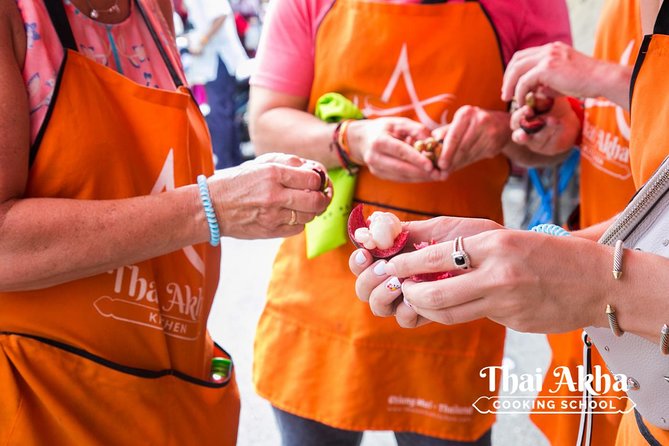
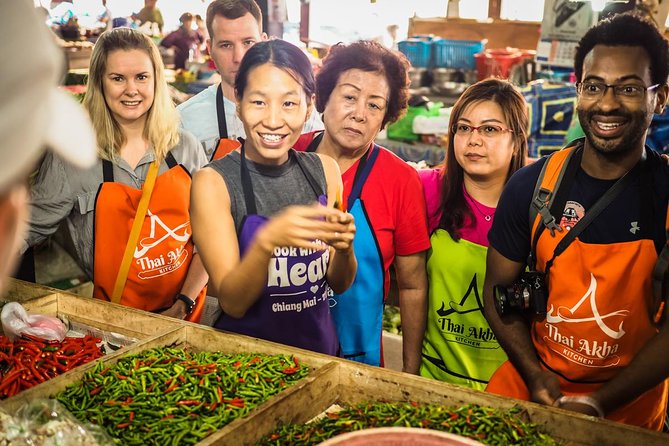
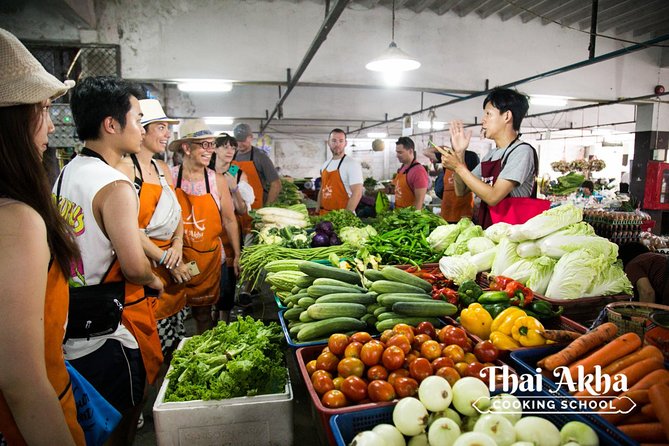
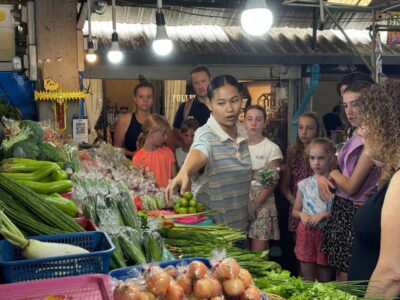
If you book the morning session, your day begins with hotel pickup and then a trip to a local Chiang Mai market. This is not a quick walk-by photo stop. It is shopping time tied directly to the dishes you will cook later, and you get to smell, see, and taste common produce, herbs, and fruit that show up in Thai and Akha flavors.
What makes this part valuable is how it trains your palate. Instead of learning recipes as isolated instructions, you connect flavors to ingredients. You also start picking up the way Thai markets think, meaning freshness, ripeness, aroma, and the right ingredient for the right function in the dish.
You might find it especially useful if you plan to cook at home. When you understand what basil, herbs, or crunchy vegetables should taste like at their best, you can make better substitutions later instead of guessing.
And yes, come hungry. The class explicitly asks you to arrive with an empty stomach, because you will eat everything you make.
Inside the school kitchen: how a small group keeps you on track
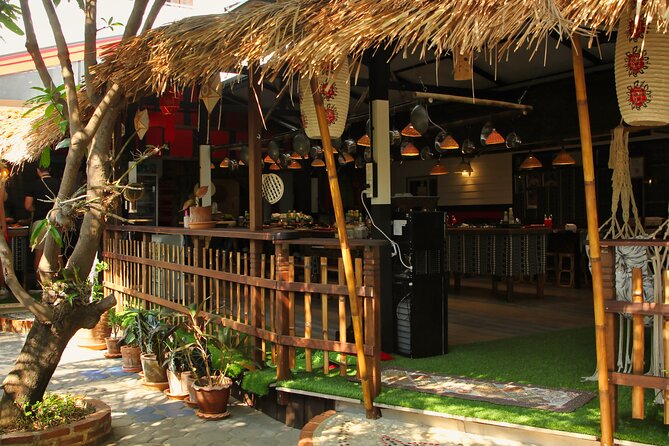
Once you get to the cooking school, the setup makes a big difference. You work from an individual cooking station, which helps if you learn by doing rather than watching. The group size is capped at 12, and that small limit is what makes the hands-on part feel personal.
Another thing I appreciate is the organization. Cooking stations are described as clean, well lit, and well stocked but not cluttered, which sounds small until you have ever tried cooking in a cramped space. Here, you can focus on chopping, mixing, and tasting, instead of hunting for tools or equipment.
Instructors and staff are also part of the system. In reviews, On is singled out for making the steps easy to follow, often with humor that keeps the group from getting tense. Eveline is also mentioned as an assistant who helps keep people moving and dishes straight.
If you like clear structure, you will probably enjoy how the menu is taught in stages. You build skills as you go, so by the time you are working on curry paste, you already know what to look for when you taste and adjust.
The Thai and Akha menu: what you will cook, step by step
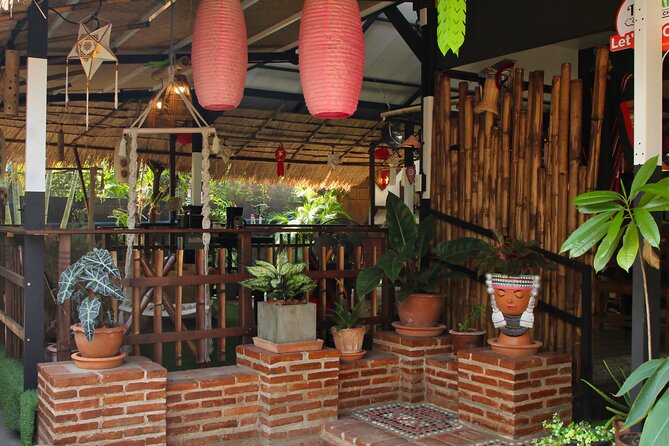
The class is designed around a full, varied menu. Depending on your exact session flow, you will typically prepare a large set of dishes across appetizers, soups, curries, and desserts, plus special Akha-style plates.
Here is the menu map in plain terms:
Same stretch of coast, a different sort of day:
- Chiang Mai: Elephant Sanctuary, Waterfall & Bamboo Rafting
★ 4.9 · 9,160 reviews - Chiang Mai: Doi Inthanon National Park Eco-Friendly Tour
★ 4.6 · 6,667 reviews - Chiang Mai: Elephant Sanctuary & Waterfall Group Tour
★ 4.9 · 5,780 reviews - Chiang Mai: Chiang Rai Temples, Karen Tribe and Hot Springs
★ 4.7 · 5,401 reviews
Appetizers and soups that teach core flavor
You will cook two appetizers and a soup as part of the main structure. These early dishes are not filler. They help you learn how herbs, sour elements, aromatics, and saltiness work together before you move into heavier cooking like curry.
For Akha, you may see dishes such as Akha salad and Akha soup included in the special set. These can feel different from standard Thai salads because of the mix of textures and the balance of sour, salty, and herb flavors.
Curry paste and curry: where the technique shows
You will also prepare curry paste and curry. This is one of the highest value parts of the day, because curry paste is where many home cooks lose consistency. The class focuses on professional tips and tricks for getting the curry right, which usually means learning what textures and aromas should look like as you pound or mix.
You will then apply that paste in the curry itself. That is the learning moment, because you can taste the paste, understand its base flavor, then see how heat and additional ingredients shift the final dish.
Akha signatures you might not see elsewhere
A standout is the inclusion of Akha-style flavors like sapi thuong, a tomato dipping sauce. You may also make other special Akha-style dishes, depending on the session menu and pacing.
One useful mindset: Akha dishes are often built for balance and direct flavor impact, not just complexity. When you learn the sauce or salad logic, you can use the ideas later even if you do not copy the exact dish at home.
Desserts that finish the day correctly
You will make two desserts. Dessert is where many cooking classes quietly drop the ball because it feels like an add-on. Here it is part of the structured menu, so you end the day with a full arc and a clearer understanding of how Thai-style sweets taste and work.
Across reviews, the total number of dishes people mention can land around 9 to 11, including choice or variation by course. Either way, the overall promise is the same: you cook a lot, eat a lot, and learn a lot.
The meal at the end: why eating your results matters
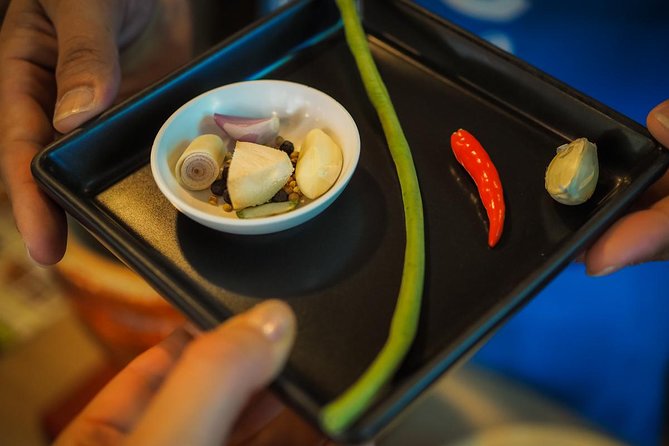
After the cooking is done, you sit down and eat your home-cooked meal featuring everything you just made. This matters more than it sounds.
When you taste your own dishes immediately, you connect the final flavor to the step you just did. It also shows you where your adjustments need to happen. Maybe your balance is slightly off, or your sauce needs more acidity, or your curry thickness is not quite right. Then the next dish gives you another chance to correct it.
Coffee is included, and alcoholic drinks are available to purchase if you want to linger. The class is also described as friendly and engaging, so it often feels like a shared meal with guided help rather than a strict classroom.
Tips that actually help you cook at home
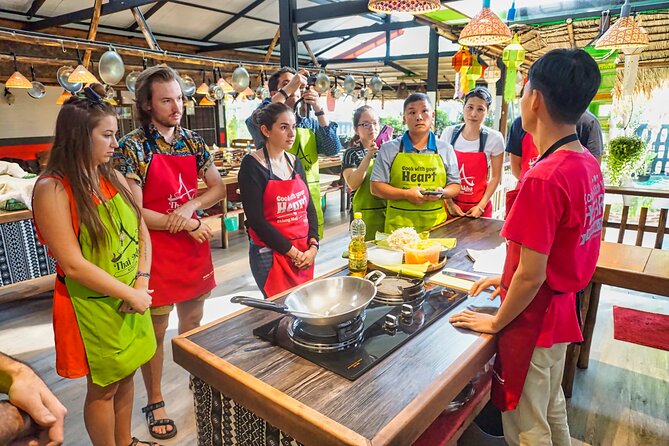
Most cooking classes leave you with recipes. This one aims to give you the tools behind the recipes. You get a full-color souvenir cookbook from the session, which is great for rebuilding dishes later without guessing.
What I find especially useful is when instructors suggest substitution ideas. In reviews, On is mentioned offering alternatives like using cucumber instead of green papaya in certain dishes. That kind of swap matters, because the hard part at home is often ingredient availability, not technique.
You also pick up “how it should taste” instincts. Market shopping before cooking helps, but the real shift happens during tasting and adjusting. Curry paste should smell a certain way. A salad should feel balanced in sour and salty. A dipping sauce should have a clear tomato sweetness and acidity. When you learn those cues, you stop feeling stuck with exact measurements.
One more practical bonus: you receive cookbooks along with recipe materials such as a spice packet in many sessions. That gives you ingredients to keep your flavor profile closer to what you learned.
Price and logistics: is $42 worth a 6-hour day?
At $42 per person for about 6 hours, the value depends on one thing: how much you want to learn beyond eating. If you treat this like a snack tour, it may feel steep. If you treat it like a hands-on workshop, it is one of the better deals in Chiang Mai.
Here is why the price can make sense:
- You get hotel pickup and drop-off in the central area (within 3 km), which saves time and hassle.
- You work at your own station and cook a full menu, not just watch.
- You get Akha Hill Tribe coffee included, plus a full-color cookbook as a take-home reference.
- The morning market tour is included for morning sessions only, adding a second learning layer.
The alcohol part is straightforward: drinks are available for purchase, so your total cost can rise if you add cocktails or beer. But if you stick with coffee, you can keep it simple.
One logistical note to keep in mind: pickup is limited to the city area radius. If you are staying farther out, you might need to plan your own route to the meeting point area.
Who this Chiang Mai cooking class is best for
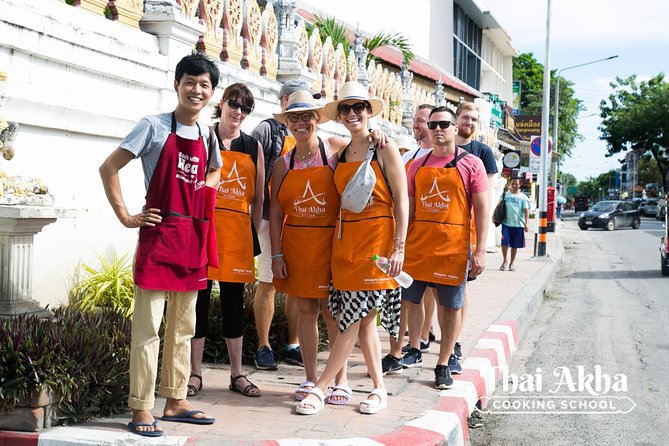
This is best for you if you want a serious hands-on Thai cooking experience with an extra layer of northern culture. It suits:
- Food lovers who like learning technique, not just eating new dishes.
- People traveling with a family or friend group who still want real instruction. Reviews mention that different ages can enjoy it.
- Anyone curious about Akha food and ingredients but unsure where to start.
It might be less ideal if:
- You want a short, casual class with minimal effort. This is a busy day and you are asked to come hungry.
- You are extremely sensitive to smells from herbs and spices. The market part plus kitchen cooking means you will be surrounded by aroma.
Should you book Thai and Akha Cooking Class in Chiang Mai?
If your goal is to leave with both skills and a cookbook you will use, I think you should book it. The combination of small-group attention, a structured full menu, and Akha-specific dishes like sapi thuong makes it more than a standard Thai cooking demo.
My quick decision rule: book this if you are happy to spend 6 hours cooking and eating, and you want market-to-pan learning. Skip it if you only want a quick taste of Thai food and nothing more.
If you do book, come ready to work. Arrive with an empty stomach, be open to tasting new ingredients, and take notes on what you like. That is how a cooking class turns into dinner at home.
FAQ
What is the duration of the Thai and Akha cooking class?
The class runs for about 6 hours.
Do I get hotel pickup and drop-off?
Yes. Pickup and drop-off are offered for hotels within 3 km of the city area in central Chiang Mai.
Is there a market visit, and is it offered all day?
There is a local market tour only for the morning session. Afternoon sessions do not include the market stop.
How many dishes will we cook?
The session includes preparing two appetizers, a soup, a curry paste and curry, and two desserts, plus several special Akha-style dishes.
What is included in the price?
Included are the local market tour (morning only), individual cooking station, Akha Hill Tribe coffee, a full color cookbook, and hotel pickup and drop-off (within the central area limit).
Are alcoholic drinks included?
No. Alcoholic drinks are available to purchase.
How big is the group?
The experience has a maximum of 12 travelers.
Where is the meeting point, and when does it end?
The start point is 14/10 Soi Rat Chiang Saen 2 Ko., Tambon Hai Ya, Amphoe Mueang Chiang Mai, Chang Wat Chiang Mai 50000, Thailand, and it ends back at the meeting point.
More Workshops in Chiang Mai
- Chiang Mai: Cooking Class with Market and Pickup
★ 4.9 · 1,365 reviews - Chiang Mai: Cooking Class with Organic Farm at Mama Noi
★ 4.9 · 1,151 reviews - Chiang Mai: Evening Cooking Class and Local Market Visit
★ 4.9 · 648 reviews - Cooking Class with Organic Farm in Chiang Mai at Mama Noi
★ 5.0 · 502 reviews
Newest Chiang Mai reviews on the site
- Tour with Hike in Kiew Mae Pan Natural Trail from Chiang Mai★ 4.8 · 26 reviews
- Chiang Mai: 22 km XC Mountain Biking from Sticky Waterfall★ 4.7 · 13 reviews
- Sticky Waterfall Half-day with Private Car★ 4.9 · 37 reviews
- Sticky waterfalls- Elephants- Bamboo or White water rafting.★ 5.0 · 9 reviews
- Red, Blue, White Temples & Hot Spring Trip from Chiang Mai★ 4.4 · 143 reviews
- Private Tour Doi Inthanon, Trekking Kew Mae Pan Nature Trail★ 5.0 · 11 reviews
- Private Tour Pha Chor Canyon & Doi Inthanon National Park★ 5.0 · 23 reviews
- Private Doi Inthanon, Nature Trail, Wat Phra That Doi Kham★ 5.0 · 6 reviews
Cooking Classes, compared.
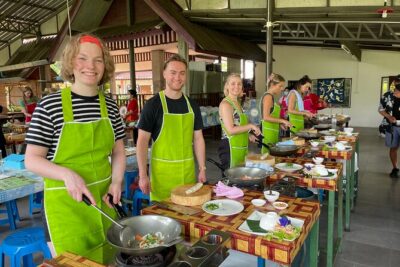
Half-Day Thai Cooking Class at Organic Farm in Chiang Mai
Read our review →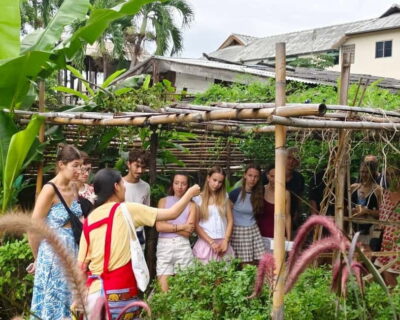
Cooking Class, Market & Thai Herbs Garden Tour
Read our review →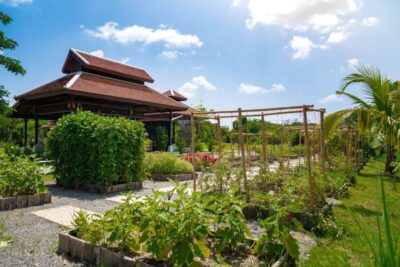
Authentic Cooking Class with Market & Farm Visit
Read our review →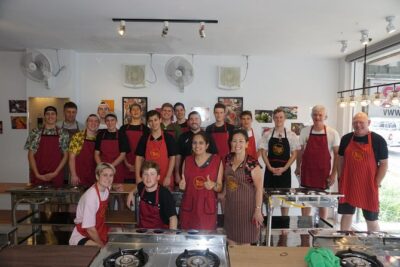
Phuket Thai Cooking Class with Market Tour Option
Read our review →
Tingly Thai Cooking School Half-Day Cooking Class
Read our review →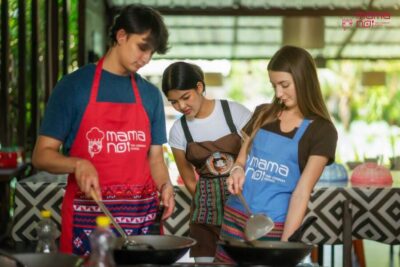
Browse the lists this tour appears in