
Review · DOI SUTHEP TOURS
4-Hour Doi Suthep & Hmong Hill Tribe Village from Chiang Mai
Wat Doi Suthep and Hmong life, in four hours. This tour strings together a sacred temple climb with a practical look at Hmong village life, plus big viewpoint rewards over Chiang Mai. You’ll also get a guided walk at both stops, so you’re not just staring at buildings and souvenirs. Doi Suthep and the Hmong Hill Tribe Village give you two very different slices of northern Thailand in one morning or afternoon.
I especially love the mix of Wat Phra That Doi Suthep history and the payoff at the top, where you can see Chiang Mai and the surrounding area from the temple terrace. I also love the hands-on feeling of the Doi Pui stop, with a museum first and then time to wander the village and market with your guide explaining what you’re seeing, even if that guide is someone like Pae or Poonkie.
One thing to consider: this is a walking day, and Doi Suthep involves a climb of 309 steps unless you use the included cable car. If you’re dealing with back problems, mobility limits, or heart issues, this tour may not be a good fit even though the cable car helps.
In This Review
- Key things you should know before you go
- Four hours that actually feels like more: Temple first, village next
- How the pickup and mountain ride set the tone
- Doi Pui and the Hmong Hill Tribe Village museum: where context beats guessing
- Wat Phra That Doi Suthep: 309 steps, the relic, and the real reason to go
- Chiang Mai viewpoints: when the terrace delivers (and when it doesn’t)
- What I like about this tour’s pricing and included costs
- Pacing, walking demands, and who should rethink it
- What to wear and bring so the day goes smoothly
- Choosing the best time slot: morning vs afternoon
- Should you book this Doi Suthep and Hmong village tour?
- FAQ
- How long is the Doi Suthep & Hmong Hill Tribe Village tour?
- What time does pickup happen in the morning and afternoon?
- How much does it cost?
- What is included in the tour price?
- Do I have to climb 309 steps to reach Wat Phra That Doi Suthep?
- What should I wear to enter the temples?
- Is this tour wheelchair accessible or suitable for mobility issues?
Key things you should know before you go
- Small-group comfort in a 9-seat air-conditioned minivan, with hotel pickup in central Chiang Mai
- Wat Phra That Doi Suthep visit with the famous climb of 309 steps, or the included cable car option
- Doi Pui Hmong Village museum first, so you understand the context before you wander and shop
- City views from the temple terrace that make the uphill effort worth it
- Guides who explain what you’re looking at, including Buddhism symbols and everyday village life
- Weather can affect the view, so you may not get perfect skyline clarity on every day
Four hours that actually feels like more: Temple first, village next
This is a tight half-day, which is exactly why it works. You’ll drive into the mountains, do a guided temple visit with a major viewpoint payoff, and then switch gears to a hill tribe village where the focus is daily life, not just photo stops.
For me, the best part is that you’re not bouncing between random attractions. The day is structured so you go from cultural context at the village area to sacred context at Doi Suthep, with a real guide in between who helps you connect the dots.
You’ll also appreciate the pacing. It’s not an all-day grind, and it’s not a rushed drive-by either, which matters on mountain roads where time can disappear quickly.
More Doi Suthep visits:
- Chiang Mai: Doi Suthep and Wat Umong Enchanting Evening Tour
★ 4.6 · 1,811 reviews - Chiang Mai: Doi Suthep, Wat Umong, and Pha Lat Sunrise Tour
★ 4.7 · 1,425 reviews - Chiang Mai: Wat Pha Lat & Wat Phra That Doi Suthep Tour
★ 4.8 · 1,207 reviews
How the pickup and mountain ride set the tone
You’ll choose either the morning or afternoon slot. Morning pickup is typically around 08:00 to 08:30, and the afternoon pickup runs 01:00 to 01:30.
The drive to Doi Suthep–Pui National Park is long enough to feel like an escape from the city, but short enough that you’re not exhausted before your first stop. You’re traveling in a 9-seat air-conditioned minivan, which keeps things more personal than the big tourist buses.
Your guide is English-speaking, and that matters more than you might think. The mountain route includes plenty of roadside scenery and local context, and your guide can point out what’s relevant so the ride feels like part of the tour rather than dead time.
Doi Pui and the Hmong Hill Tribe Village museum: where context beats guessing
Your first stop is the Doi Pui Hmong Hill Tribe Village area. You’ll start with the museum, which is a smart move because it frames what you’ll see later in the village.
After the museum, you’ll have time to explore the village. This is where the experience shifts from learning to seeing everyday rhythms: homes, crafts, and the market scene. In a few experiences like this, people either love the village or find it too sales-focused. The museum first helps you stay grounded, so shopping is optional and understanding is built in.
Also, the guide makes a difference here. Several guides get strong mentions for explaining village life and Thai culture in a way that feels clear, not like a lecture. Names that come up include Kai and Tui, and there are also plenty of stories praising guides such as Pae and Poonkie for making questions easy to answer.
Practical tip: plan for snacks and small purchases. You might see things like dried fruit and sweet treats, and you may be tempted by local food stalls. I’d treat this as a chance to taste a few things, not a must-buy market.
Wat Phra That Doi Suthep: 309 steps, the relic, and the real reason to go
Then you go down the mountain briefly by van, and it’s time for the main event: Wat Phra That Doi Suthep.
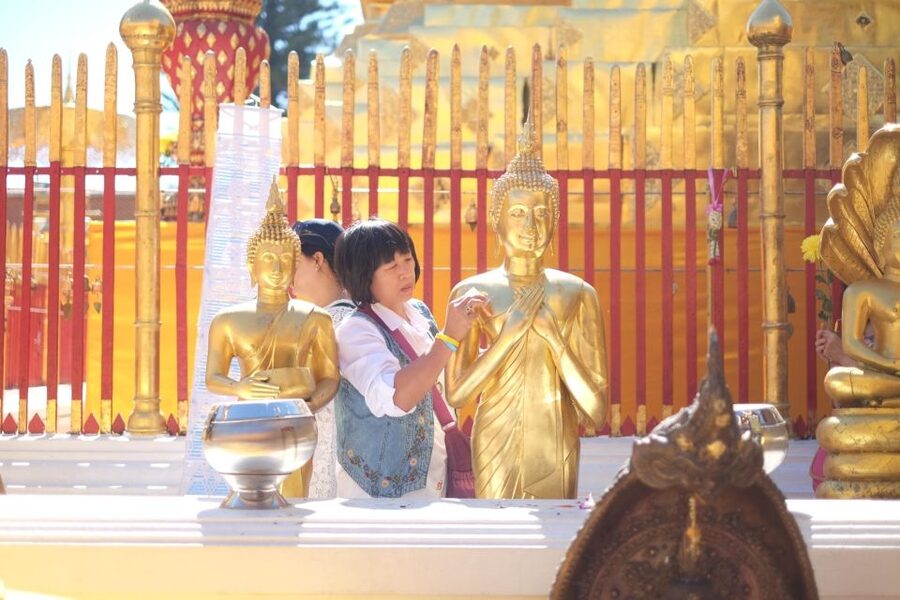
The temple visit is guided, and you’re there for more than architecture. The site includes a holy relic of the Buddha, which is a big part of why pilgrims come here. Your guide’s job is to help you read the place, not just point at it.
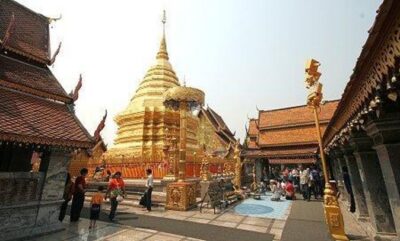
The temple climb is the headline. You can climb 309 steps to reach the hilltop stupa, or you can use the included cable car. If you choose the stairs, it’s a steady effort, and the reward is the gradual change in perspective as you rise above the city noise.
If you choose the cable car, you still get the sacred feel of arriving at the temple grounds, but with less physical strain. Either way, you should still expect walking within the temple area.
One more real-world note: temple maintenance happens. You might see restoration work or scaffolding in view, depending on timing, so don’t expect every corner to look like a postcard.
A few more Chiang Mai days to weigh up
- Half-Day Thai Cooking Class at Organic Farm in Chiang Mai
★ 5.0 · 19,087 reviews - Chiang Mai: Elephant Sanctuary, Waterfall & Bamboo Rafting
★ 4.9 · 9,160 reviews - Chiang Mai: Doi Inthanon National Park Eco-Friendly Tour
★ 4.6 · 6,667 reviews - Chiang Mai: Elephant Sanctuary & Waterfall Group Tour
★ 4.9 · 5,780 reviews
Chiang Mai viewpoints: when the terrace delivers (and when it doesn’t)
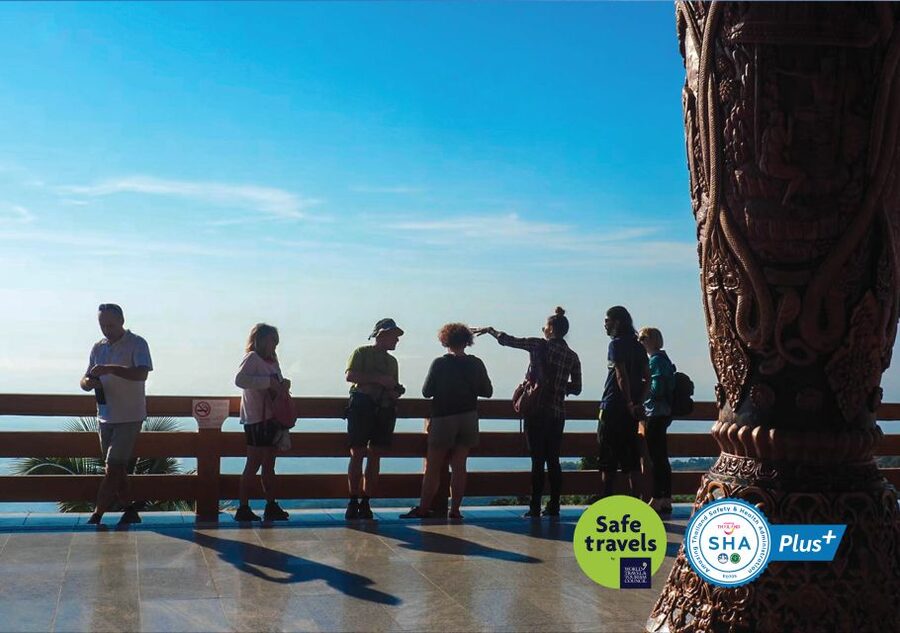
The reason people make the climb is what you see after it. From the temple terrace, you get sweeping views of Chiang Mai City and the surrounding area.
This is also where timing and weather quietly matter. If there’s haze, smoke, or fog, the skyline can soften. On clearer days, the view can feel like the city suddenly makes sense, spread out below the temple hill.
Your guide can help with photo placement, and you’ll likely get directions on where to stand for the best angles. Guides are frequently praised for taking pictures when asked, too, which is a small but real quality-of-life detail if you’re traveling as a couple or solo.
Temple etiquette matters here because you’ll be close to worshippers and religious spaces. Dress properly, slow down, and keep your body language respectful, especially in more sacred-looking areas.
What I like about this tour’s pricing and included costs
At $36 per person for a 4-hour tour, this is priced like a value play, not a premium splurge. What helps is that a lot of the usual add-ons are wrapped into the package.
You’re getting:
- transportation in a 9-seat air-conditioned minivan
- an English-speaking guide
- entry fees for the Doi Pui hill tribe museum, Doi Suthep temple, and the cable car
- drinking water and a refreshing towel
- travel accident insurance
That combination is important. If you were to arrange this yourself, the biggest costs are usually transport, guidance, and entry fees. Here, you pay a single upfront amount and spend your time actually doing the visits rather than coordinating tickets and schedules.
Personal expenses are not included, so if you plan to buy souvenirs, snacks, or drinks beyond the provided water, you’ll want cash or card ready.
Pacing, walking demands, and who should rethink it
This is not a sit-in-your-seat tour. You’ll walk at both the village stop and the temple, and the big physical challenge is Doi Suthep’s steps.
The tour also isn’t suitable for everyone. It’s listed as not ideal for people with back problems, mobility impairments, heart problems, or wheelchair users. Even with the cable car, the broader area still requires walking on uneven ground and navigating temple paths.
If you’re healthy and comfortable walking, the pace is generally manageable for a half-day. People also tend to like that the schedule returns you to the city by noon or early evening, so you can still eat dinner or do one more activity the same day.
One more pacing detail that I’d plan around: the village portion includes market and shop time. That’s fun, but if you’re hoping for a quiet nature walk only, you may feel the presence of sales stalls. The museum helps, but the village is still a real community with visitors and commerce.
What to wear and bring so the day goes smoothly
Don’t show up underdressed. The dress code is casual, but shoulders and knees must be covered for temple entry.
Bring:
- comfortable shoes you can walk in for uneven surfaces
- long pants
- a long-sleeved shirt
Not allowed:
- shorts
- sleeveless shirts
- pets
You’ll get water and a refreshing towel, which is genuinely helpful up the mountain. Still, think like you’re going somewhere warm. You’ll likely work up a sweat during temple walking or if you take the stairs.
Choosing the best time slot: morning vs afternoon
You’ve got two departure windows: a morning slot and an afternoon slot. The tour length stays around 4 hours, with pickup followed by temple and village stops and then a return drop-off at your hotel.
If you want the clearest chance at a crisp viewpoint, you might prefer the slot earlier in the day, simply because mountain conditions can change fast. If you’re more into a relaxed start and don’t mind softer light, the afternoon option can feel easier.
Because your view depends on haze or fog conditions, your best approach is to pick the slot that best matches your overall Chiang Mai schedule, then treat the viewpoint as a bonus if visibility is great.
Should you book this Doi Suthep and Hmong village tour?
Book it if you want a focused half-day that blends Wat Phra That Doi Suthep with real cultural context at the Hmong village. The included cable car option is a big help, and the small-group size in a 9-seat minivan makes the guide’s explanations feel personal.
Skip it or switch plans if stairs and walking will be tough for you, because this isn’t a low-mobility-friendly experience. Also, if you dislike any kind of market environment, know the village stop includes market and shopping areas, even though the museum adds useful context.
If you do go, go prepared: dress for temples, wear solid shoes, and keep a little room in your day for surprises like restoration scaffolding or view conditions that change with the weather.
FAQ
How long is the Doi Suthep & Hmong Hill Tribe Village tour?
It lasts about 4 hours.
What time does pickup happen in the morning and afternoon?
Morning pickup is typically between 08:00 and 08:30. Afternoon pickup is typically between 01:00 and 01:30.
How much does it cost?
The price is $36 per person.
What is included in the tour price?
Transportation in a 9-seat air-conditioned minivan, an English-speaking tour guide, entry fees for the Doi Pui hill tribe museum, Doi Suthep Temple, and the cable car, drinking water and a refreshing towel, and travel accident insurance.
Do I have to climb 309 steps to reach Wat Phra That Doi Suthep?
No. You can climb the 309 steps or take the included cable car.
What should I wear to enter the temples?
Casual clothing is fine, but you must cover shoulders and knees. Long pants and a long-sleeved shirt are recommended.
Is this tour wheelchair accessible or suitable for mobility issues?
No. It is not suitable for wheelchair users and also not recommended for people with mobility impairments or back problems.
Newest Chiang Mai reviews on the site
- Tour with Hike in Kiew Mae Pan Natural Trail from Chiang Mai★ 4.8 · 26 reviews
- Chiang Mai: 22 km XC Mountain Biking from Sticky Waterfall★ 4.7 · 13 reviews
- Sticky Waterfall Half-day with Private Car★ 4.9 · 37 reviews
- Sticky waterfalls- Elephants- Bamboo or White water rafting.★ 5.0 · 9 reviews
- Red, Blue, White Temples & Hot Spring Trip from Chiang Mai★ 4.4 · 143 reviews
- Private Tour Pha Chor Canyon & Doi Inthanon National Park★ 5.0 · 23 reviews
- Private Tour Doi Inthanon, Trekking Kew Mae Pan Nature Trail★ 5.0 · 11 reviews
- Private Doi Inthanon, Nature Trail, Wat Phra That Doi Kham★ 5.0 · 6 reviews
Doi Suthep Tours, compared.
Doi Suthep and Wat Umong Enchanting Evening Tour
Read our review →
Doi Suthep, Wat Umong, and Pha Lat Sunrise Tour
Read our review →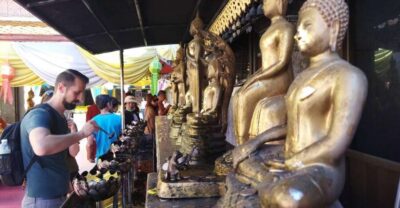
Wat Phra That Doi Suthep spiritual Sunrise Tour with an Ex-monk
Read our review →

Spiritual Sunrise Wat Doi Suthep, Pha Lat, Alms & Meditation
Read our review →
Elephant Sanctuary, Monk Trail & Doi Suthep Tour
Read our review →Browse the lists this tour appears in