
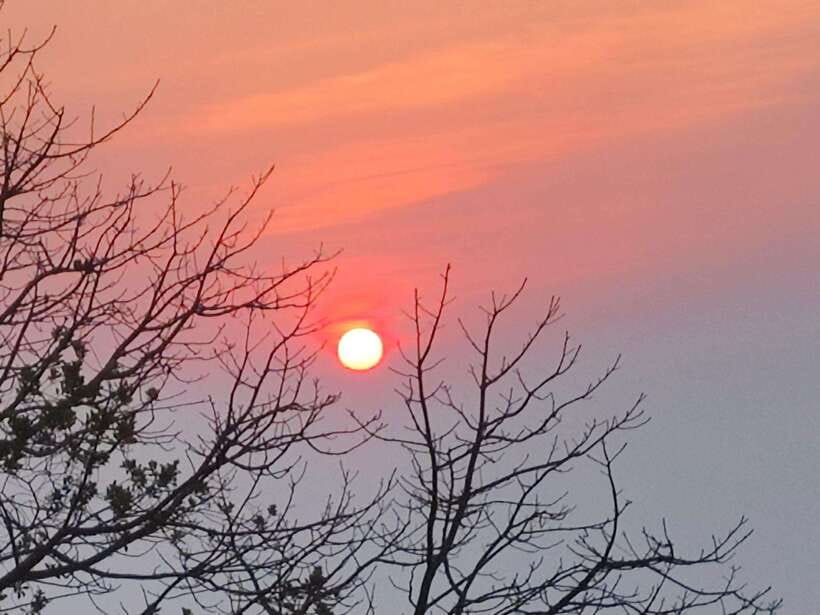
Review · DOI SUTHEP TOURS
Spiritual Sunrise Wat Doi Suthep, Pha Lat, Alms & Meditation
Dawn on Doi Suthep changes your whole day. This is a sunrise temple and Buddhist practice morning in Chiang Mai, centered on monks, chanting, simple meditation, and the respectful Thai-style act of giving alms.
I love the way the tour starts early enough that Wat Phra That Doi Suthep feels quiet and intimate, not like a rushed checklist. I also love the alms giving part, because you are taught how to do it the right way and you get a monk blessing afterward.
The main drawback is practical, not spiritual: you must be ready for an early pickup at 5:00 am and a long stair climb (306 steps, with a tram option). If you have mobility issues or you do not tolerate cold mornings well, plan extra carefully.
In This Review
- Why This Chiang Mai Sunrise Alms Tour Feels Special
- The Early Start: What 5:00 am Looks Like in Chiang Mai
- The Ride Up in a Small Group (And Why It Matters)
- Wat Phra That Doi Suthep: 306 Steps, Chanting, and Sunrise Views
- The climb, the tram choice, and smart pacing
- Chanting and basic meditation with a former monk
- The moment of sunrise over the city
- Alms Giving the Thai Way: Respect, Timing, Blessing
- Breakfast With Local Flavor Before the Jungle Temples
- Wat Pha Lat: A Quiet Jungle Temple With Lanna and Myanmar Touches
- Wat Umong Underground Temple: Tunnels and Rainy-Season Stillness
- Timing and Logistics: Getting Back Without Rushing
- Price and Value: Is $59 Fair for What You Get?
- What to Bring (And What Not to Wear)
- Who This Tour Suits Best, and Who Should Rethink It
- Final Take: Should You Book This Sunrise, Alms, and Meditation Tour?
- FAQ
- What time does pickup start?
- How long is the tour?
- Where are the pickup locations?
- What temples do we visit?
- Do I have to climb 306 steps at Wat Phra That Doi Suthep?
- What is included in the price?
- What should I wear or bring?
- Is this tour suitable for everyone?
Why This Chiang Mai Sunrise Alms Tour Feels Special
- Former monk English guide: expect a guide who has been ordained for many years and can answer real questions about monk life and Buddhist practice.
- Doi Suthep at true dawn: you arrive before the bulk of crowds, so temple bells, chanting, and sunrise happen with space around you.
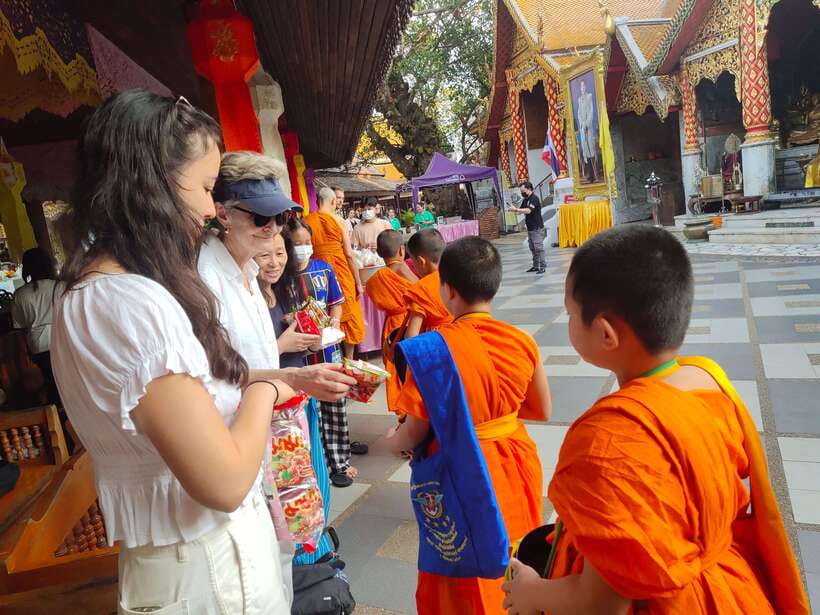
- A structured, respectful alms moment: you receive clear instructions on how to offer, then get a blessing from monks for good fortune and safety.
- Three old temples with very different vibes: gold-and-views at Doi Suthep, jungle quiet at Wat Pha Lat, and calm tunnels at Wat Umong.
- Photos without the chaos: sunrise timing and guidance help you get great shots without sprinting all over the hill.
- Small group size: limited to 9 people, so questions feel easy and the pace stays calm.
The Early Start: What 5:00 am Looks Like in Chiang Mai
This is a half-day that begins in the dark. You get picked up around 5:00 am at one of three meeting points, then you head up into the hills toward Doi Suthep.
The payoff is that you are already in position before most people wake up fully. In January and February, you can also run into chilly mornings, so bring a warm layer even if you expect daytime heat later.
More Doi Suthep visits:
- Chiang Mai: Doi Suthep and Wat Umong Enchanting Evening Tour
★ 4.6 · 1,811 reviews - Chiang Mai: Doi Suthep, Wat Umong, and Pha Lat Sunrise Tour
★ 4.7 · 1,425 reviews - Chiang Mai: Wat Pha Lat & Wat Phra That Doi Suthep Tour
★ 4.8 · 1,207 reviews
The Ride Up in a Small Group (And Why It Matters)
You travel by air-conditioned SUV for 5 to 7 people, or a VIP van for 10 to 14, depending on the group. Either way, the trip is part of the experience because your guide uses the drive time to set context.
This kind of prep helps a lot at temples. When you understand what you are seeing, you stop guessing and start noticing details like posture, chanting rhythm, and temple layout.
Wat Phra That Doi Suthep: 306 Steps, Chanting, and Sunrise Views
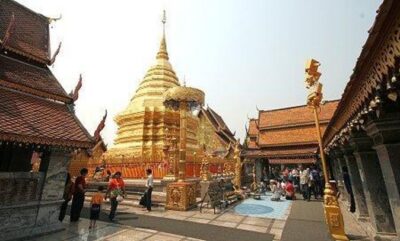
Wat Phra That Doi Suthep is Chiang Mai’s landmark on Doi Suthep Mountain, and it is usually packed later in the day. Here, the plan is different. You get there while it is still quiet and the monks are rousing for morning routine.
The climb, the tram choice, and smart pacing
You walk up 306 steps after arrival. If steps are not your thing, you have the choice to ride up by tram, so you are not forced to suffer to be included.
This is the first place you should judge how the tour fits your body. The morning pace is active, but it is not a race, and your guide can help you decide when to slow down.
A few more Chiang Mai days to weigh up
- Half-Day Thai Cooking Class at Organic Farm in Chiang Mai
★ 5.0 · 19,087 reviews - Chiang Mai: Elephant Sanctuary, Waterfall & Bamboo Rafting
★ 4.9 · 9,160 reviews - Chiang Mai: Doi Inthanon National Park Eco-Friendly Tour
★ 4.6 · 6,667 reviews - Chiang Mai: Elephant Sanctuary & Waterfall Group Tour
★ 4.9 · 5,780 reviews
Chanting and basic meditation with a former monk
Once you reach the temple area, you join morning monks chanting and practice basic meditation. The goal is simple: calm your body and mind and tune in to what is happening around you.
The best part is the way your guide translates practice into normal human terms. Several ex-monks who lead this tour style it as both tradition and daily discipline, not as a performance for tourists.
One note to keep in mind: on special holy days, temple schedules can shift. On those mornings, you might spend less time on planned meditation and more time on observing and participating in what is available.
The moment of sunrise over the city
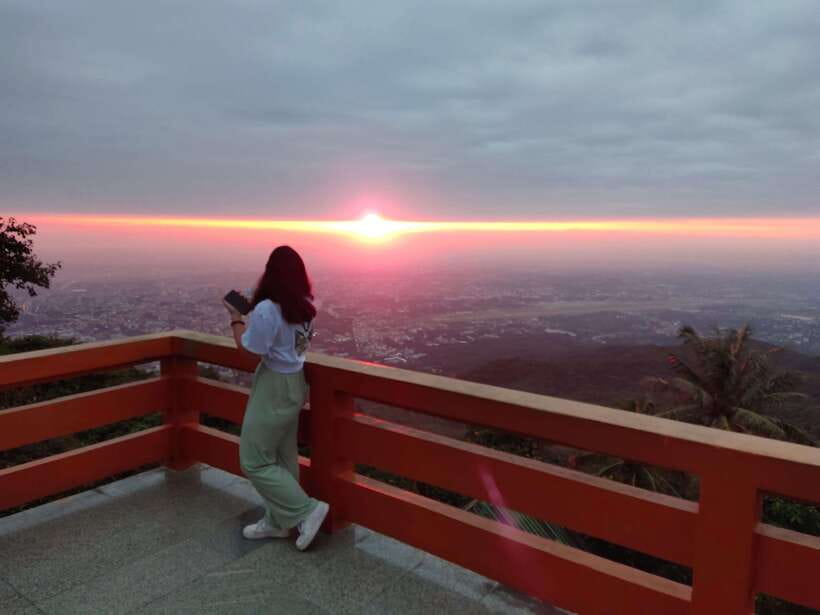
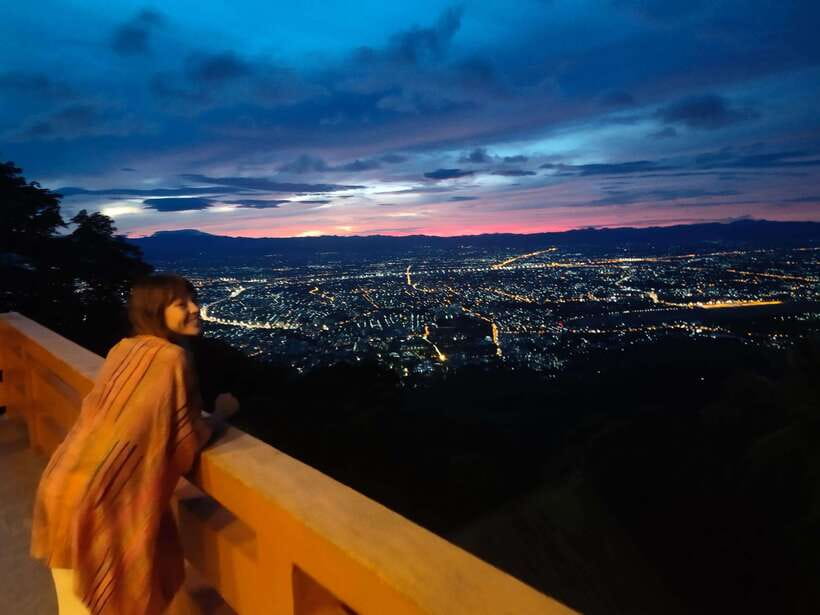
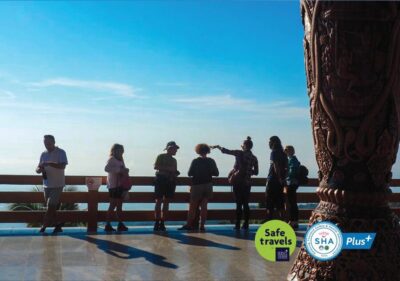
Then comes the main photo payoff. You watch the sunrise with views that stretch across Chiang Mai and out toward the surrounding hills.
This is more than pretty weather. Sunrise changes the mood of the whole place, making chanting and bell sounds feel slower, heavier, and more meaningful. If you want photos, sunrise is also when lighting and atmosphere cooperate instead of fighting you.
Alms Giving the Thai Way: Respect, Timing, Blessing
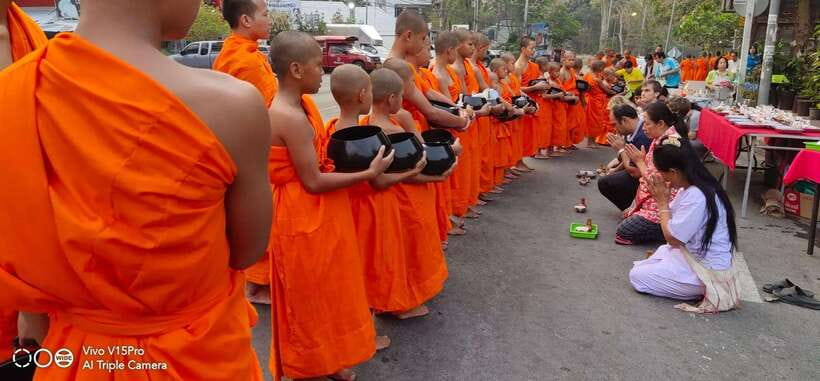
After sunrise, you do an offering alms giving moment to the monks. This is one of the core reasons this tour feels different from a standard temple visit.
You are taught how to offer in a Thai-style way, with the guide explaining what to do and what not to do. The goal is respect, and that guidance matters because a little confusion can make the moment awkward for you and disruptive for others.
After you finish, monks give a blessing. The blessing is described as for prosperity, good luck, and staying safe from dangers. I do not treat that as a magic guarantee, but it is still a powerful cultural moment, and it leaves you with a grounded feeling.
Breakfast With Local Flavor Before the Jungle Temples
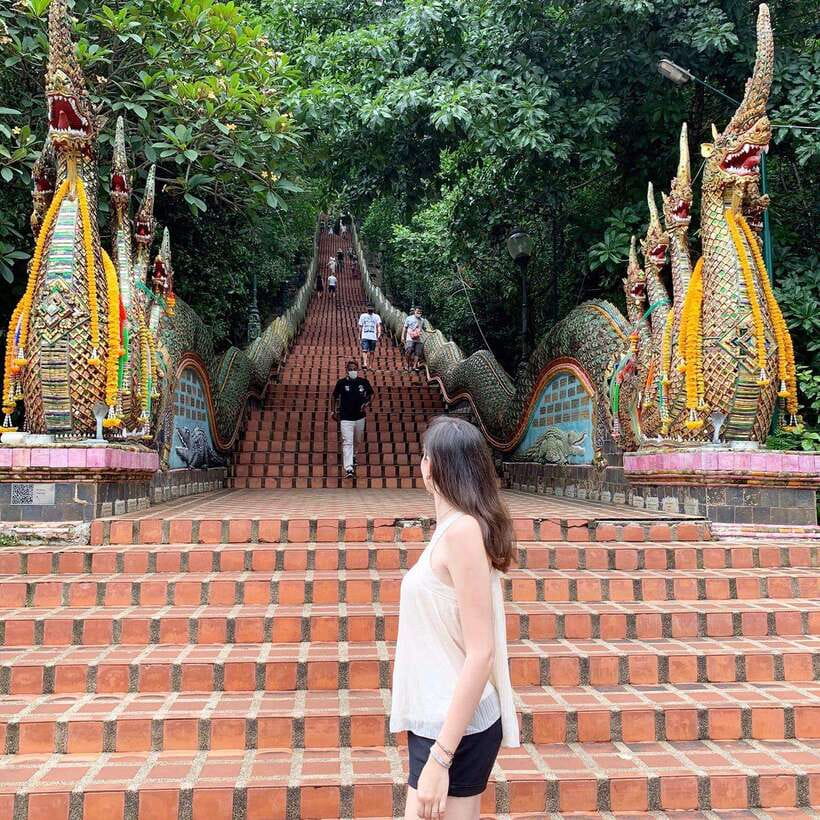
Before you move on, you enjoy a nice local breakfast meal. The tour includes breakfast and also provides food that supports the monks alms offering.
From what you experience on the ground, this timing helps a lot. You get energy while the morning is still fresh, before the second half of the tour shifts into quieter temple sites.
Some meals you might see listed include khao soi, or similar Chiang Mai favorites, plus other Thai dishes depending on the day. The included food is part of the value here, because you are not hunting for breakfast while everyone else is already exploring.
Wat Pha Lat: A Quiet Jungle Temple With Lanna and Myanmar Touches
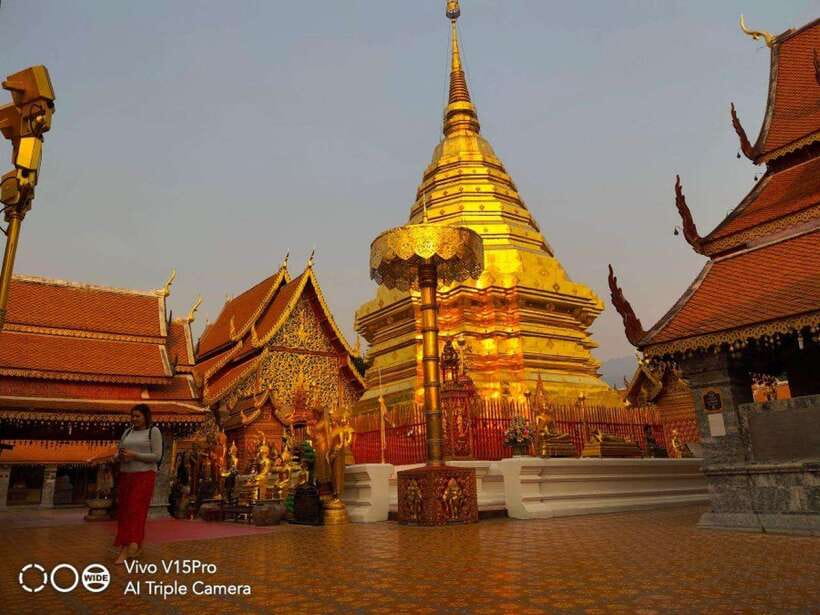
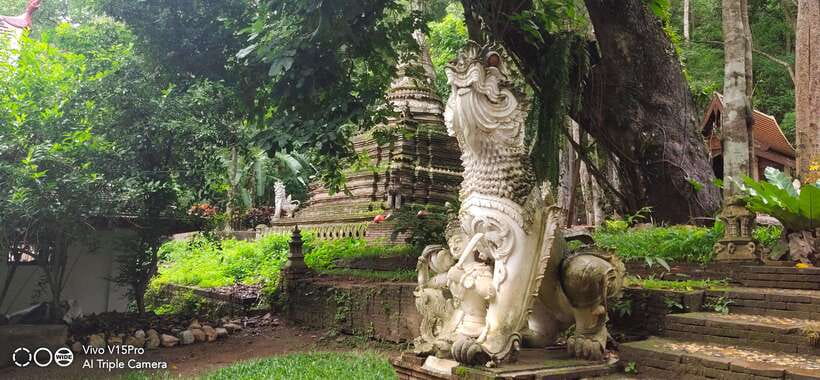
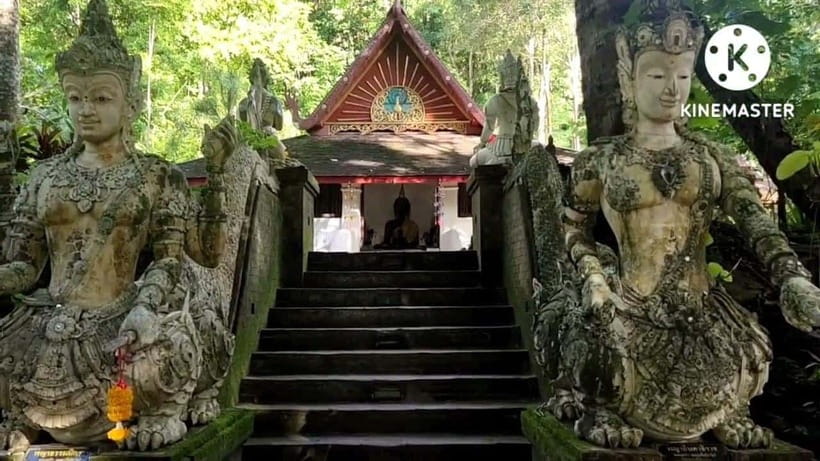
After sunrise and Doi Suthep, the tour heads to Wat Pha Lat. This temple is known for being calmer and more tucked away than the big, famous stops.
You get a guided visit for about an hour. The big reason I think you will like this stop is that it feels like a temple inside a living forest setting, not just a view platform with a few structures.
Wat Pha Lat is described as offering a mix of Lanna and Myanmar architectural influences. That detail matters because you see the region’s cultural connections in the buildings, not just in stories.
If you like photographing textures and quieter scenes, this is where you usually get that. If you want crowd-free time to breathe, it also delivers.
Wat Umong Underground Temple: Tunnels and Rainy-Season Stillness
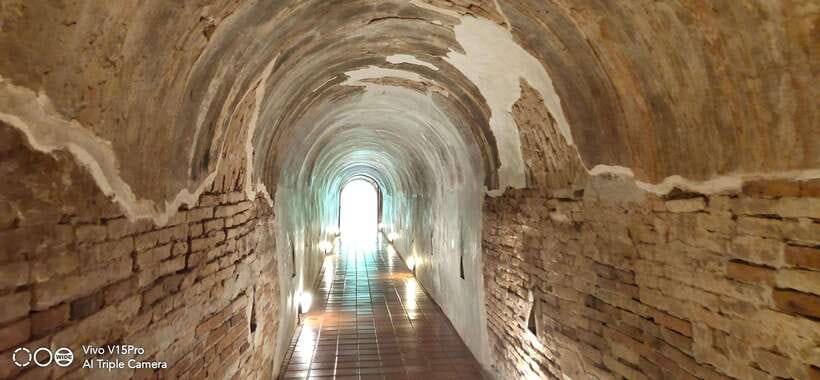
The last temple is Wat Umong, often called the underground temple. You spend about 40 minutes here, with guided time to explain what you are looking at and why it matters.
What makes Wat Umong different is the feel. It is about shade, stone, and calm. In the tunnels, you can understand how monks once used these spaces to shelter during rainy periods.
It is a good counterbalance after Doi Suthep’s stairs and sunrise drama. By the time you arrive, you are usually ready for quieter observation instead of more effort.
Timing and Logistics: Getting Back Without Rushing
The tour runs about 5.5 hours total, finishing around 10:30 am. You do have travel time between stops, including roughly 45 minutes each way across the morning route segments.
That early finish matters if you want to keep exploring later in Chiang Mai. You still get a huge spiritual hit, but you are not losing your whole day to temple circuits.
Also, you get an unlimited bottle of drinking water during the drive. Small thing, but it helps when the morning has stairs, walking, and cold air.
Price and Value: Is $59 Fair for What You Get?
At $59 per person, this is not the cheapest option in Chiang Mai. The value depends on what you want out of the morning.
Here is what you are paying for, in practical terms:
- An ex-monk guide who can explain practice and temple meaning in plain English
- Transport from multiple hotel-meeting points
- Temple admissions for the included sites (no extra ticket surprises mentioned)
- Breakfast
- Food for the alms offering
- All required program elements, including sunrise timing
If your goal is only one famous viewpoint, you might find cheaper temple tours. But if you want three temples plus a structured sunrise and alms experience, the included guide and logistics start to justify the price.
I also like that the group stays small, limited to 9 people. When you are doing hands-on cultural practice, small group size makes a real difference.
What to Bring (And What Not to Wear)
This tour is straightforward, but dress matters for temple respect. Bring a long-sleeved shirt and long pants. Shorts are not allowed.
Bring a camera, and also have cash on hand for personal expenses. Even if your main costs are covered, it is smart to keep flexibility.
In rainy season (July to October), bring an umbrella. In winter (December to February), bring a jacket, since mornings can feel quite cold.
Who This Tour Suits Best, and Who Should Rethink It
This is a great fit if you want a calm, structured start to Chiang Mai with real cultural context, not just sightseeing. It works well for couples and solo travelers because the small group keeps it personal.
It may be a tough fit if you need wheelchair access, because the experience is not suitable for wheelchair users. It is also noted as not suitable for people with diabetes, and it is not designed for babies under 1 year.
If you have limited mobility, the 306 steps with a tram option is a consideration. Still, you should assess how much walking and uneven temple terrain you can handle.
Final Take: Should You Book This Sunrise, Alms, and Meditation Tour?
I think you should book this if you want a meaningful Chiang Mai morning that mixes sunrise views, temple context, and hands-on participation like alms giving. The former monk guide component is the real multiplier here, because you are not just looking, you are understanding.
I would hesitate if you hate early mornings, cannot manage stairs or hills even with a tram option, or you want a slow, flexible schedule with lots of downtime. But if you are ready to trade sleep for a quiet dawn and a respectful cultural ritual, this is one of the best ways to start your trip.
FAQ
What time does pickup start?
Pickup starts at around 5:00 am, with the tour finishing around 10:30 am.
How long is the tour?
The total duration is about 330 minutes, which is roughly 5.5 hours.
Where are the pickup locations?
Pickup options include Hotel M Chiang Mai (opposite Thapae Gate), Wat Chedi Luang (main entrance opposite 7-Eleven), and Chang Phueak Gate on the north side of the Old City.
What temples do we visit?
You visit Wat Phra That Doi Suthep, Wat Pha Lat, and Wat Umong.
Do I have to climb 306 steps at Wat Phra That Doi Suthep?
You can walk the 306 steps, or you have the choice to take the tram up.
What is included in the price?
Included are pickup and drop-off, local dish breakfast, food for alms offering, admission fees for the included temples, an experienced English ex-monk guide, air-conditioned transport, and unlimited bottled water.
What should I wear or bring?
Bring a camera, long sleeves, long pants, and cash. Shorts are not allowed. For rainy season (July to October) bring an umbrella, and for winter (December to February) bring a jacket.
Is this tour suitable for everyone?
It is not suitable for wheelchair users, people with diabetes, or babies under 1 year.
Newest Chiang Mai reviews on the site
- Tour with Hike in Kiew Mae Pan Natural Trail from Chiang Mai★ 4.8 · 26 reviews
- Chiang Mai: 22 km XC Mountain Biking from Sticky Waterfall★ 4.7 · 13 reviews
- Sticky waterfalls- Elephants- Bamboo or White water rafting.★ 5.0 · 9 reviews
- Sticky Waterfall Half-day with Private Car★ 4.9 · 37 reviews
- Red, Blue, White Temples & Hot Spring Trip from Chiang Mai★ 4.4 · 143 reviews
- Private Tour Pha Chor Canyon & Doi Inthanon National Park★ 5.0 · 23 reviews
- Private Tour Doi Inthanon, Trekking Kew Mae Pan Nature Trail★ 5.0 · 11 reviews
- Private Doi Inthanon, Nature Trail, Wat Phra That Doi Kham★ 5.0 · 6 reviews
Doi Suthep Tours, compared.
Doi Suthep and Wat Umong Enchanting Evening Tour
Read our review →
Doi Suthep, Wat Umong, and Pha Lat Sunrise Tour
Read our review →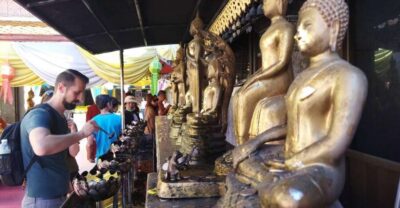
Wat Phra That Doi Suthep spiritual Sunrise Tour with an Ex-monk
Read our review →
4-Hour Doi Suthep & Hmong Hill Tribe Village from Chiang Mai
Read our review →
Elephant Sanctuary, Monk Trail & Doi Suthep Tour
Read our review →Browse the lists this tour appears in