
Review · COOKING CLASSES
Backstreet Bangkok Exploring the Cradle of Thai Cooking
Thai cooking starts on these backstreets. This 5-hour Backstreet Bangkok walk threads Bangkok’s oldest neighborhood into one easy plan, with temple sights and real bite-size sampling so you get the story behind what you taste.
I especially like the way this day uses a licensed guide to connect places to flavors, not just stand around and point. I also love the built-in eating, with dinner, snacks, bottled water, and even alcoholic beverages included.
One practical drawback: there’s no private transportation. You’ll meet near MRT at Sam Yot and return there, so you need to be comfortable with walking and handling your own transit.
In This Review
- Key highlights that make this worth your time
- Where Bangkok’s “Thai cooking roots” really begin
- The 9:00 am meeting, MRT access, and how to handle the pace
- Wat Ratchaburana: a free temple stop that frames the day
- Rattanakosin Island: icons nearby, plus the food and culture link
- Phahurat Market (Little India): shopping lane meets snack lane
- Sampeng Market Chinatown alley: short stop, strong market energy
- Food stalls, a factory, and even a mall stop: why the mix works
- What you eat and how to make the most of it
- Guides matter: the Bangkok roots behind the explanations
- Price and value: why $125 can feel fair here
- Should you book Backstreet Bangkok, or skip it?
- FAQ
- How long is the Backstreet Bangkok tour?
- What does the tour cost?
- Where do I meet, and when does it start?
- What is included in the price?
- Is transportation provided?
- Can I cancel and get a full refund?
Key highlights that make this worth your time
- Wat Ratchaburana Ratchaworawihan, a 15th-century temple, plus a free entry stop that sets the tone
- Rattanakosin Island viewpoints, with iconic nearby landmarks like Wat Phra Kaew and Wat Pho in the mix
- Phahurat Market (Little India) for textiles, jewelry, and food browsing without feeling like a chore
- Sampeng Market Chinatown alley, a short stop that shows how dense old Bangkok markets really are
- A real meal included, so the price lands on tastings instead of just sightseeing
- Small group size (max 7), which usually makes it easier to ask questions and keep your pace under control
Where Bangkok’s “Thai cooking roots” really begin
If you think you already know Thai food, Bangkok has a way of quietly proving you wrong. This tour is built around the oldest neighborhood vibe, where cooking grew up next to temples, markets, and longtime communities. You’re not just trying dishes, you’re seeing the geography that shaped how people shopped, traded, and cooked.
The day starts by grounding you in place with Wat Ratchaburana Ratchaworawihan, a temple associated with the 15th century and known for its impressive architecture. Admission is free, and that matters here because you get a meaningful stop without extra ticket costs. It’s a good reminder that Thai food is cultural, not just culinary.
More Cooking Classes in Bangkok
- Bangkok: Hands-on Thai Cooking Class and Market Tour
★ 4.9 · 1,614 reviews - Bangkok: Tingly Thai Cooking School Half-Day Cooking Class
★ 4.9 · 1,191 reviews - Bangkok: Maliwan Thai Cooking Class with Market Tour
★ 4.9 · 1,133 reviews
The 9:00 am meeting, MRT access, and how to handle the pace
You start at Sam Yot MRT station and the tour ends back at the same meeting point. That saves you from the usual “now how do we get out of here” moment, but it also reinforces that you’re relying on public transit and walking.
The whole outing runs about 5 hours and can feel like a full day if you’re hungry and trying to take pictures every minute. My practical advice is simple: wear comfortable shoes and plan to slow down when the guide is explaining something. When the group stays together, you actually cover more ground without rushing.
Also, this is a small group, capped at 7 travelers. That size is big enough for energy, but small enough that you’re not just another face in the line.
Wat Ratchaburana: a free temple stop that frames the day
Wat Ratchaburana Ratchaworawihan is the first anchor point, and it works because it’s a real “old Bangkok” moment, not a quick photo op. You’ll spend about an hour here, and the setting gives your food stops a stronger backdrop.
I like starting with a temple because it resets your brain. You stop thinking of Bangkok as just streets and start noticing details like how communities organized themselves around important public spaces. From there, markets and food stalls make more sense because you understand the neighborhood rhythm.
One nice bonus: this stop has free admission, which helps keep your day’s total cost under control.
Rattanakosin Island: icons nearby, plus the food and culture link
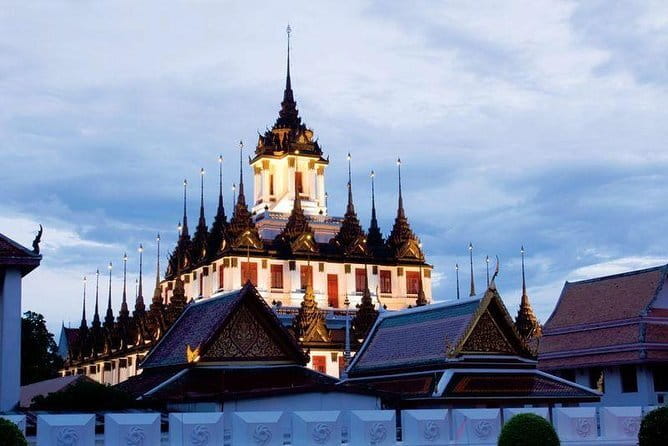
Next you move toward Rattanakosin Island, the historical area that includes landmarks such as the Grand Palace, Wat Phra Kaew, and Wat Pho. You’re not doing museum-style time here, but the stop is still about context, not just convenience.
This part of Bangkok can feel overwhelming if you arrive without a plan. The value of having a guide is that you get to focus on what matters for your questions, like how Bangkok’s royal and religious centers influenced everyday life over time, including what people cooked and what ingredients were in regular circulation.
The tour keeps this stop to around one hour and keeps it steady. That pacing matters because the day’s real payoff is later when you’re eating and comparing flavors.
Same stretch of coast, a different sort of day:
- Bangkok: Damnoen Saduak Market and Maeklong Railway Market
★ 4.5 · 26,723 reviews - The Old Siam: Damnoen Saduak and Maeklong Railway Market
★ 4.5 · 10,992 reviews - From Bangkok: Ayutthaya Temples Guided Tour with Lunch
★ 4.7 · 10,535 reviews - Bangkok: Train Market & Floating Market with Boat Ride
★ 4.7 · 9,547 reviews
Phahurat Market (Little India): shopping lane meets snack lane
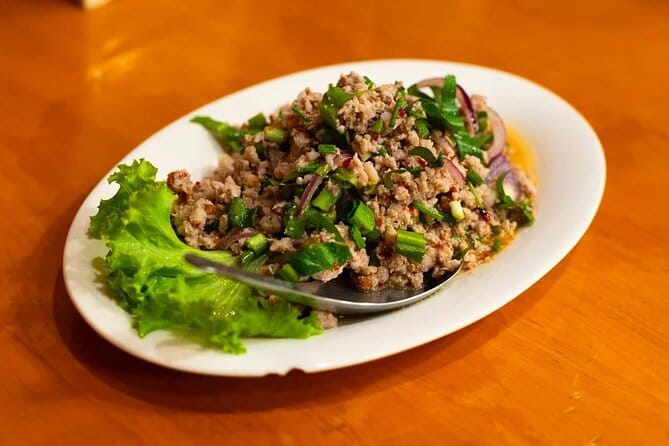
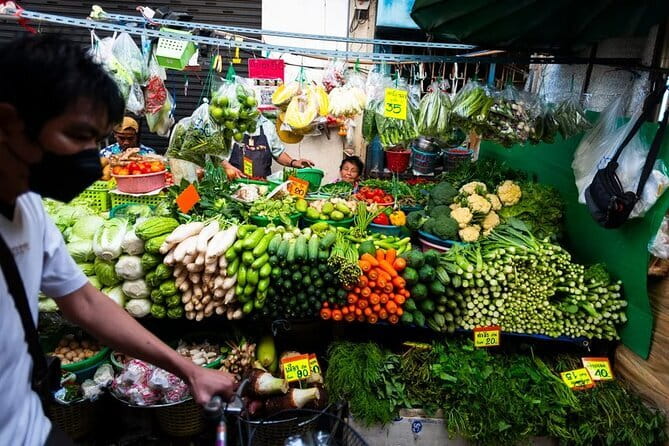
After the big landmark area, the day shifts into neighborhood market mode with Phahurat Market, often called Little India. This stop lasts about one hour, and it’s a smart change of pace because it’s not just about eating. You’ll also have time to browse for textiles, jewelry, and food items.
What I find useful about Phahurat is that it shows Bangkok as a city of communities, not a single culinary style. Indian influence in Thai cooking is not a mystery here, because you can literally see how trade, culture, and spices show up in day-to-day stalls. Even if you don’t buy anything, the atmosphere helps you understand why Thai flavors can feel both familiar and surprising.
If you like taking notes for future meals, this is a good place to pause. Ask what you’re seeing, then taste later with more confidence.
Sampeng Market Chinatown alley: short stop, strong market energy
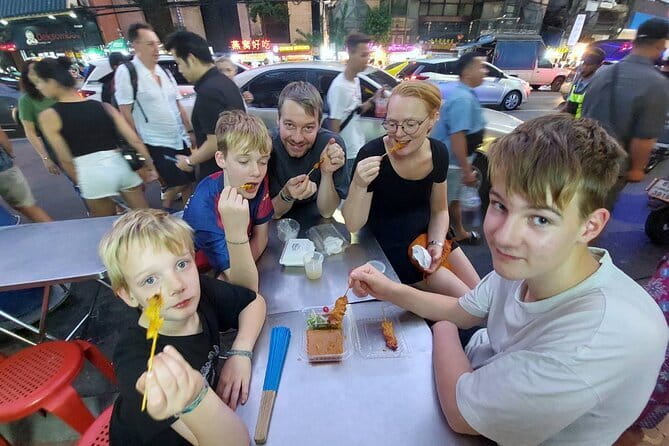
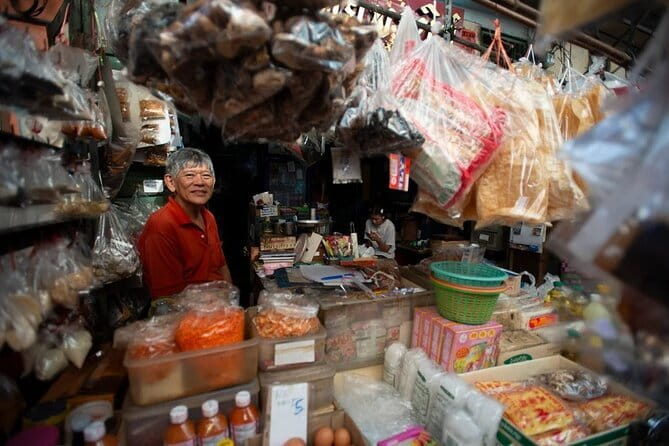
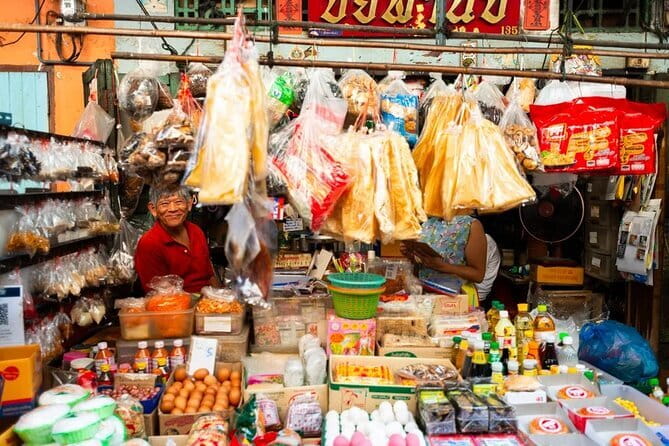
Sampeng Market is a narrow alley in Chinatown, and the tour keeps it to about 30 minutes. Even in that short time, it’s built to show you how intense old markets can be, where you might see everything from textiles to electronics in the same lane.
This stop has “market logic” value. It helps you understand how sellers clustered, how shoppers moved, and why you can get food and non-food goods in the same circulation patterns. That context makes the later food tastings feel connected to the places you’re standing in, not random stops thrown together.
One consideration here: narrow lanes mean slower movement. If you’re the type who hates crowds or gets irritated by tight spaces, go slow, keep your hands free, and don’t try to see everything at once.
Food stalls, a factory, and even a mall stop: why the mix works
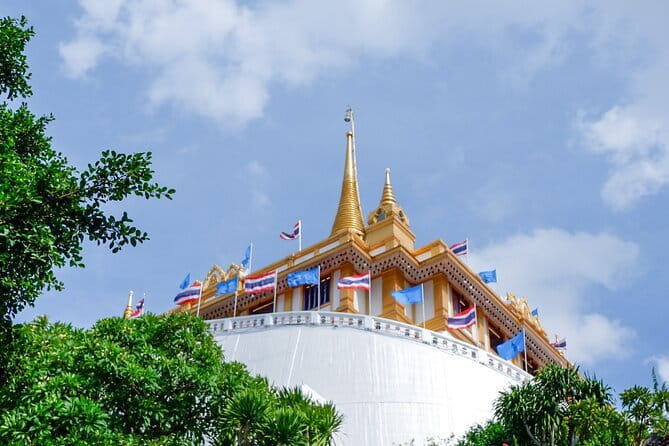
The day is described as more than a street-food loop, and that’s accurate. Expect stops beyond just markets, including food stalls and also places like restaurants, factories, and a mall as part of the overall route. The point is to show how ingredients and cooking habits move through Bangkok, from everyday street trading to more organized retail settings.
This mix is practical for you because it keeps the day from becoming repetitive. One moment you’re tasting something in an alley-side stall environment, and the next you’re stepping into a more structured space where the same food story can look different.
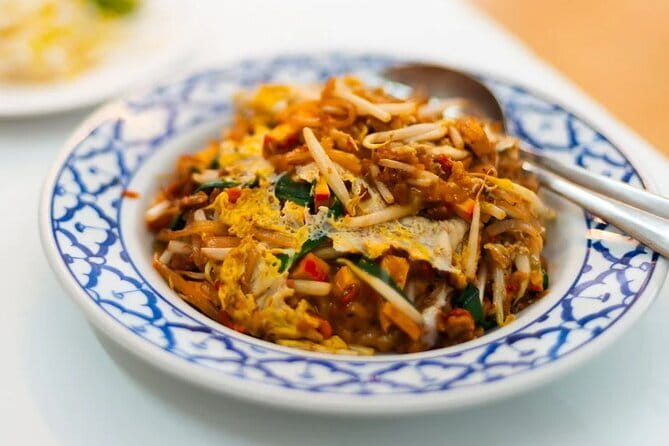
Also, you’re not stuck on an empty stomach while you walk. This tour includes dinner, snacks, and bottled water, plus alcoholic beverages. That’s a big value piece, because it converts the day from sightseeing-only to food-first.
What you eat and how to make the most of it
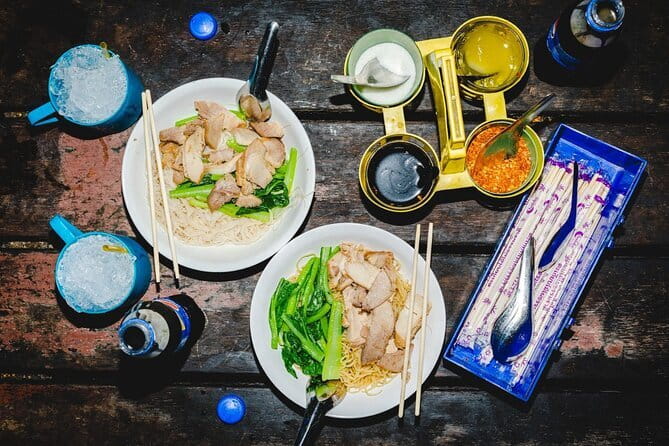
I love that this isn’t just a couple of “tiny tastes” and a goodbye. The experience is built around eating enough that you genuinely feel what Thai cooking tastes like across different influences and styles.
One of the biggest strengths is how the guide manages the food flow. In past departures, guides like Anna and Lek have been described as especially generous with tastings, with a clear goal: get you to try things you might skip on your own. The “eat more” attitude isn’t pushy in spirit, it’s more like encouragement, with a sense of timing so you’re not overwhelmed too early.
My best advice for you: pace yourself. If you let every stop catch you off guard, you’ll feel full before you reach the best comparisons. Drink water between bites, and when you’re offered something new, take a beat and ask what it is and why it’s eaten.
If you do not drink alcohol, know that alcohol is listed as included. You can still enjoy the day, but I’d keep control of your pace, and if you have preferences, communicate them.
Guides matter: the Bangkok roots behind the explanations
This tour is run by Culinary Backstreets Walks, and you’ll have a licensed guide. Where it really becomes special is the guide quality, and the names show up in a way that tells you what to expect.
Some departures have featured guides like Lek, described as someone with long-time Bangkok residency and Thai roots. That matters because you’re not just getting facts, you’re getting a sense of how the city works at street level. Other departures have highlighted Anna for enthusiasm and warmth, with a focus on showing you the right things and encouraging you to try confidently.
In at least one case mentioned with this experience, Annie has joined the guide team alongside Lek. That’s a good sign because it suggests you may get a stronger “two brains on the route” effect, with more explanation and more attention to pacing.
Even if your guide changes, the style stays: practical advice, food context, and a route that makes sense geographically.
Price and value: why $125 can feel fair here
At $125 per person for about 5 hours, this sits in the midrange for Bangkok tours. The key question is what you get, not just what you pay.
Here, the value is stacked: you get a licensed guide, bottled water, snacks, dinner, and alcoholic beverages included. Plus, several cultural stops have free admission, which reduces the “extra costs” problem you often run into in city tours. And because the group max is 7, the experience is less like a rushed conveyor belt and more like a guided walk you can actually ask questions during.
If you were to do something similar on your own, you’d still pay for transit, meals, and time spent finding the right stalls and restaurants. This tour does that work for you, and it also adds context so your tastings become a learning experience.
Should you book Backstreet Bangkok, or skip it?
I’d book this tour if you want Bangkok to feel readable fast. It’s great for first-time visitors because it ties major historical areas into the smaller food-world details that most people miss. If you’ve been to Bangkok before, it can still be a win because you’re not repeating only the landmarks, you’re working through neighborhood market logic and tasting variety.
I would think twice if you dislike walking and standing for long stretches. The tour does not include private transportation, and you’ll need to handle MRT and walking between stops. Also, since alcohol is included, plan your own comfort level ahead of time.
If you want a food day with structure, context, and real eating, this is a strong choice.
FAQ
How long is the Backstreet Bangkok tour?
It runs for about 5 hours.
What does the tour cost?
The price is $125.00 per person.
Where do I meet, and when does it start?
You meet at Sam Yot MRT station, and the start time is 9:00 am. The tour ends back at the meeting point.
What is included in the price?
Included are a licensed guide, alcoholic beverages, bottled water, dinner, and snacks.
Is transportation provided?
No private transportation is provided. The tour is near public transportation.
Can I cancel and get a full refund?
Yes. You can cancel for a full refund up to 24 hours before the experience starts. If you cancel less than 24 hours before, the amount paid is not refunded.
Newest Bangkok reviews on the site
- Bangkok Dinner Cruise with Intl Buffet, Live Music & Hotel Pickup★ 4.5 · 12 reviews
- Half-Day Tour : PRIVATE Grand Palace & Temples★ 5.0 · 14 reviews
- Maeklong Railway and Damnoen Saduak Floating Market Tour★ 5.0 · 11 reviews
- The Luxury White Cruise Experience★ 3.5 · 34 reviews
- Luxury Dinner Cruise with Guide and Transfer (Opt. Executive Van)★ 5.0 · 9 reviews
- Bangkok Luggage Delivery from Hotel to Airport★ 5.0 · 25 reviews
- Baiyoke Sky Dinner Experience with Observation Deck Access★ 3.5 · 57 reviews
- Bangkok Luggage Storage★ 4.5 · 37 reviews
Cooking Classes, compared.
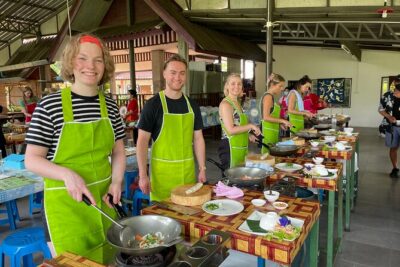
Half-Day Thai Cooking Class at Organic Farm in Chiang Mai
Read our review →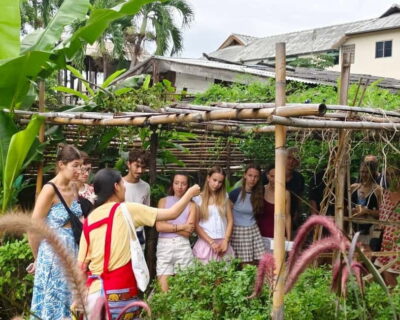
Cooking Class, Market & Thai Herbs Garden Tour
Read our review →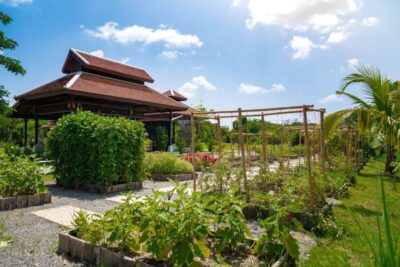
Authentic Cooking Class with Market & Farm Visit
Read our review →
Phuket Thai Cooking Class with Market Tour Option
Read our review →
Tingly Thai Cooking School Half-Day Cooking Class
Read our review →Browse the lists this tour appears in