Review · CHIANG MAI TOURS
Chiang Mai: Customizable Chiang Mai Surrounding Areas Tour
A day outside Chiang Mai feels like a reset button. This customizable 10-hour tour lets you choose 3 to 4 stops across the wider Chiang Mai area, with a guide to help you match spots by geography. You can lean nature, culture, or adrenaline depending on what you want most.
I especially like that it’s built around Wachirathan Waterfall and other real outdoor places, not just a string of quick photo stops. I also like the control you get, since you pick your must-sees and then the route is shaped to reduce backtracking.
One thing to plan for: entry fees are not included, and some activities can add costs once you decide on the final mix of sites.
In This Review
- Key highlights to know before you go
- How a customizable Chiang Mai day trip actually helps
- Pickup and the early start you’ll want
- Choosing your route: three styles of the Chiang Mai countryside
- The Doi Inthanon route: peak views and Royal Project touches
- The Mae Rim and Mae Taeng route: viewpoints, gardens, and adrenaline options
- The San Kamphaeng and Ban Mae Kampong route: hot springs, caves, crafts
- Wachirathan Waterfall: why it’s the anchor stop
- San Kamphaeng Hot Springs and Mae Kampong Village: slow down without getting bored
- Queen Sirikit Botanical Garden and Mon Jam: a lighter nature day
- Ziplining, Jungle Coaster, and sticky water fun: pick your intensity
- Elephant wood carvings, handicrafts, and the art side of Chiang Mai
- Caves and spring stops: good variety, more uneven walking
- Responsible tourism details that are easy to appreciate
- Price at $119: what you’re paying for, and what you still need to budget
- The guide can make or break the day
- Who should book this Chiang Mai surrounding areas tour
- When you should skip it
- What to pack and how to avoid common gotchas
- Should you book this Chiang Mai surrounding areas tour?
- FAQ
- How long is the Chiang Mai surrounding areas tour?
- How many people are in the group?
- What languages are available for the tour guide?
- Where does pickup happen in Chiang Mai?
- Can I customize which sights I visit?
- Are entry fees included in the price?
- Does the tour include water?
- What should I bring?
- Who is the tour not suitable for?
- What is the cancellation and payment flexibility?
Key highlights to know before you go
- You pick 3 to 4 sights, and the driver routes you to limit wasted time
- Small group size (up to 9) keeps things flexible
- Wachirathan Waterfall and other nature anchors give the day real shape
- GSTC-style responsible practices, including glass bottled water and carbon offsets
- Options for both quiet breaks (botanical garden, hot springs) and adrenaline (ziplining, coasters)
How a customizable Chiang Mai day trip actually helps
Chiang Mai is great, but the surrounding countryside is where the day gets interesting. This tour works because it’s not locked into one “standard” circuit. Instead, you choose 3 to 4 must-see stops when you book, and your guide helps build a route that makes sense based on where things are and what kind of day you want.
That matters more than it sounds. In this region, distances can add up quickly. When your stops are in the same general belt of the province, you spend more time moving through the experience and less time trapped in traffic. With a 10-hour day, that efficiency is the difference between “great day out” and “why are we still driving.”
Another underrated win is the guide’s role in pacing. You’re not just getting transport. You’re getting someone who can steer you toward options that fit your energy level and your interest mix, whether you want waterfalls plus a village, or botanical garden plus an art stop plus a cave.
A few more Chiang Mai days to weigh up
- Half-Day Thai Cooking Class at Organic Farm in Chiang Mai
★ 5.0 · 19,087 reviews - Chiang Mai: Elephant Sanctuary, Waterfall & Bamboo Rafting
★ 4.9 · 9,160 reviews - Chiang Mai: Doi Inthanon National Park Eco-Friendly Tour
★ 4.6 · 6,667 reviews
Pickup and the early start you’ll want
You get hotel pickup and drop-off in Chiang Mai, with pickup available from major downtown areas within about 10 km of Tha Pae Gate, plus zones around the Old City wall and roads like Chang Klan, Thapae, and Wualai (including markets in the Night Bazaar area). For safety and Thai traffic rules, pickup is only from hotels or registered accommodations, not from roadside spots or shopping malls.
Practically, this reduces stress. You’ll meet your guide in the lobby, and your guide will be holding a TripGuru sign. They confirm your exact time by email the evening before. Aim to be ready about 10 minutes early.
Also, you can choose a guide who speaks English, German, or Spanish (Chinese is also available). If you care about stories behind what you’re seeing, this is a big deal, because many “quick stop” tours turn into silent photo sessions. Here, you can ask questions and get context.
Choosing your route: three styles of the Chiang Mai countryside
At checkout, you list 3 to 4 attractions you want most. The provider then helps stitch them into a sensible schedule. You’ll generally want to pick stops from one route family to avoid long cross-province zigzags.
The Doi Inthanon route: peak views and Royal Project touches
If you’re aiming for cooler air, big scenery, and iconic waterfall potential, this is the classic path:
- Doi Inthanon National Park, including the summit and the Angka Nature Trail
- Wachirathan Waterfall
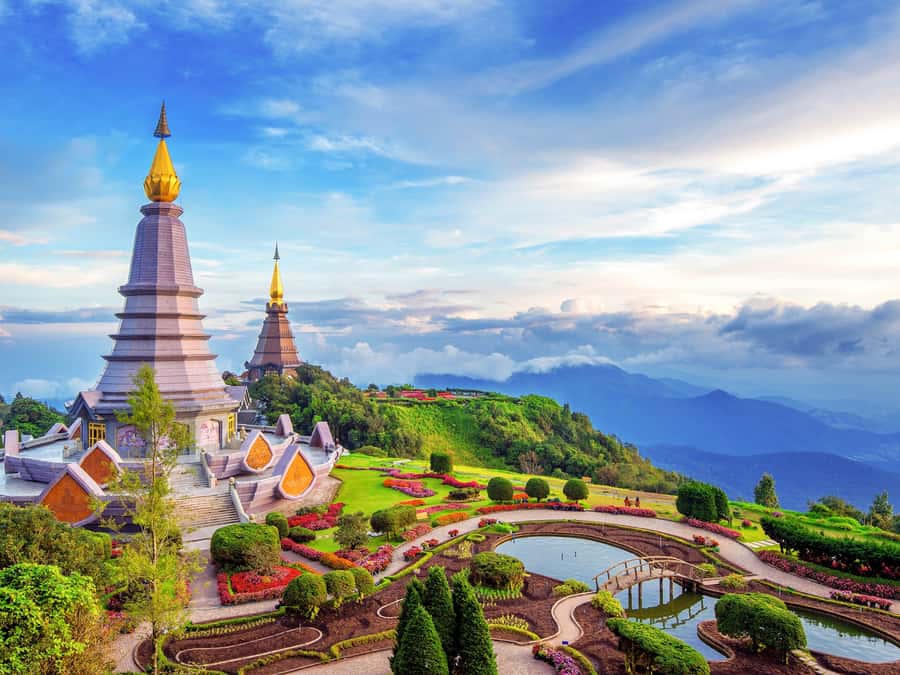
- Twin Royal Pagodas (Napamatanee Don and Napaphon Bhumisiri)
- Inthanon Royal Agricultural Station (Royal Project)
- Mae Klang Luang Village plus areas like Pha Chor Canyon and Wat Phra That Si Chom Thong
This route has a strong “Thailand outdoors” feel. You get a national park experience, religious viewpoints at the pagodas, and a hands-on agricultural theme with the Royal Project station.
The main consideration is that it’s a lot of stops in one direction. It can feel full, especially in heat. If you’re sensitive to stairs or uneven ground, plan for some walking even if your driver helps you get close.
Same stretch of coast, a different sort of day:
- Chiang Mai: Elephant Sanctuary & Waterfall Group Tour
★ 4.9 · 5,780 reviews - Chiang Mai: Chiang Rai Temples, Karen Tribe and Hot Springs
★ 4.7 · 5,401 reviews - Chiang Mai: Cooking Class, Market & Thai Herbs Garden Tour
★ 4.9 · 4,824 reviews - Chiang Mai: Authentic Cooking Class with Market & Farm Visit
★ 4.9 · 4,546 reviews
The Mae Rim and Mae Taeng route: viewpoints, gardens, and adrenaline options
This one is great if you want a mix of misty hills, hands-on activities, and optional thrills:
- Mon Jam Highlands
- Queen Sirikit Botanical Garden conservation center, with a canopy walkway
- Pongyang Zipline and Jungle Coaster
- Mae Sa Waterfall and Wat Pa Dara Phirom
- Nong Hoi Royal Project Development Center
- Plai Fa Strawberry Farm and Mae Taman Elephant Camp
- Baan Tong Luang Hill Tribes Village (long-necked Karen village)
- Wat Ban Den, Bua Tong Sticky Waterfalls
- Nam Phu Chet Si Spring
- Chiang Dao Cave
This is the “pick-your-own-adventure” route. You can go for family-friendly scenery, or you can build in ziplining and coasters.
My practical advice: choose carefully if you want variety. Some of these stops involve more active terrain (sticky waterfalls, caves, hill tribe village walks). If you’re pairing adrenaline with nature, give yourself at least one softer stop, like the botanical garden.
The San Kamphaeng and Ban Mae Kampong route: hot springs, caves, crafts
If your ideal day includes recovery time and local rhythms, this route fits well:
- San Kamphaeng Hot Springs
- Ban Mae Kampong Village (ziplining activity and cafes)
- Mae Kampong Waterfall
- Wat Mae Kampong
- MAIIAM Contemporary Art Museum
- Muang On Cave
- Museum of Elephant Wood Carvings (Baan Jang Nak)
- Bo-Sang Handicrafts Centre
- San Kamphaeng Saturday Walking Street (only on Saturdays)
This is the route I’d recommend if you like a balanced day: you get a hot soak, a waterfall, plus art and crafts. The elephant wood carving museum also adds a culture thread that doesn’t feel like another temple quickie.
The main downside is that your day quality depends on which day of the week you go. The Saturday walking street only runs on Saturdays, so plan your expectations around the calendar.
Wachirathan Waterfall: why it’s the anchor stop
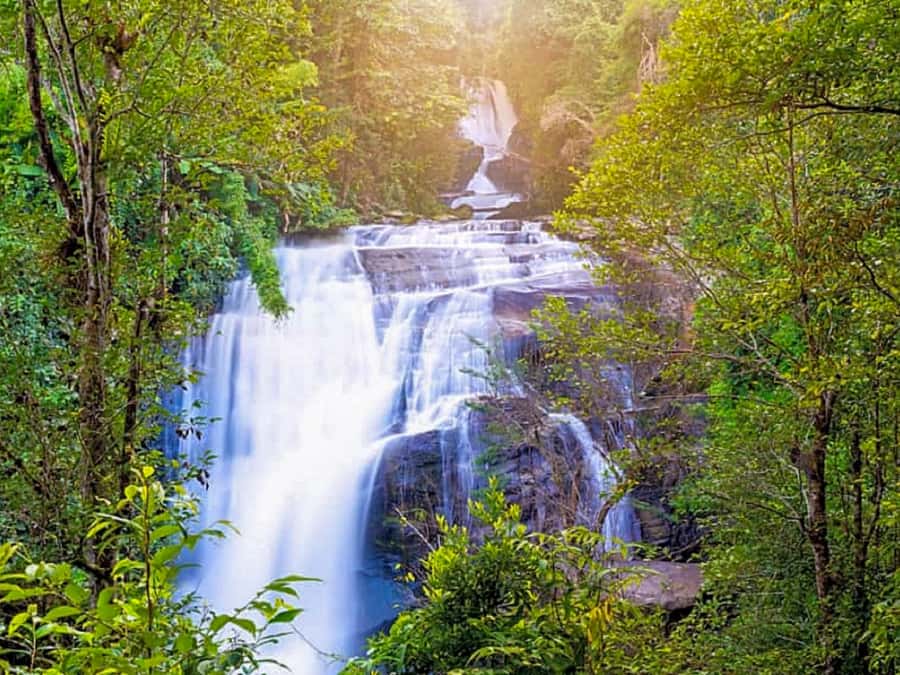
Wachirathan Waterfall is one of the clearest “this is why you came” experiences in the Chiang Mai region. It’s built into multiple route options, and it’s often the reason people structure their day around the north side of the province.
What you can expect is an outdoor hike feel, with time spent walking and standing in the area to view and photograph the falls. If you’re pairing it with a national park stop like Doi Inthanon, you’re basically stacking nature anchors, so the day will feel cohesive.
Two practical tips from how these area stops usually work:
- Bring comfortable shoes you don’t mind getting a bit muddy or dusty.
- Wear layers. Even in Chiang Mai, forest and waterfall areas can feel cooler, and weather can shift fast.
Also, a note worth taking seriously: one guide adjusted the plan during a rainy day and still got the group going. Weather happens here. If rain is in the forecast, expect your guide to make judgment calls on timing and which parts are worth doing.
San Kamphaeng Hot Springs and Mae Kampong Village: slow down without getting bored

If you want a day that doesn’t only run on adrenaline, San Kamphaeng Hot Springs is the built-in reset. Hot springs are a different kind of experience from temples or caves. They’re about comfort and time. This matters if you want to enjoy the countryside instead of just collecting stamps.
From there, pairing it with Ban Mae Kampong Village gives you variety. You can keep it relaxed at cafes, or you can add ziplining activity if you want to end the day with some speed. Either way, it’s a natural way to balance energy: soak first, then choose your level of activity.
Mae Kampong adds another nature hit, with a waterfall stop. And if you want to mix in “something indoors,” you can pair the countryside route with MAIIAM Contemporary Art Museum and still keep the day flowing.
My only caution is temperature and walking. Hot springs can mean more time off your feet, but villages and waterfall areas still involve some movement. If you’re not into uneven ground, tell your guide early so they can steer the route.
Queen Sirikit Botanical Garden and Mon Jam: a lighter nature day
Not everyone wants an all-day hike. If you want nature with calmer pacing, build your day around:
- Mon Jam Highlands, for hillside views and a viewpoint-style break
- Queen Sirikit Botanical Garden, including its conservation focus and a canopy walkway
This combination gives you two flavors of “outdoors.” Mon Jam tends to feel like a high vantage point, while the botanical garden leans into plants and structured walking. The canopy walkway is especially useful if you want something scenic without turning your day into a long trek.
Because this route can also include adrenaline options like ziplining, it’s smart to think of the botanical garden as your anchor stop for downtime. You can go hard later and still feel like you had a break.
Ziplining, Jungle Coaster, and sticky water fun: pick your intensity
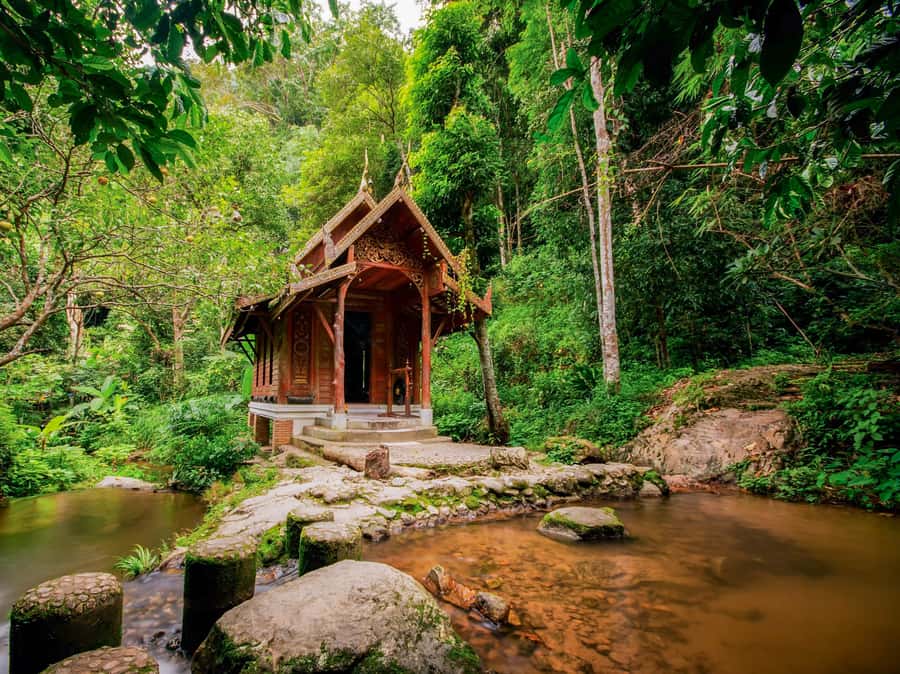
If you’re coming to Chiang Mai and you want to feel your heart rate, your options are clear:
- Pongyang Zipline and Jungle Coaster
- Bua Tong Sticky Waterfalls
And there are also other activity-style stops on different routes, like caves and village walks. The point: you can design this day to match your energy.
Here’s the practical way to do it. Pick one “big adrenaline” component and then keep the rest of the day grounded. If you add too many intense stops, the 10-hour limit can make the day feel like you never fully settle.
One important consideration: activity fees are not included, so if you plan to zipline or do a coaster, it’s worth budgeting extra money beyond the base price.
Elephant wood carvings, handicrafts, and the art side of Chiang Mai
Not all memorable Chiang Mai moments are outdoors. This tour includes a few stops that give you a “hands and craft” feel:
- Museum of Elephant Wood Carvings (Baan Jang Nak)
- Bo-Sang Handicrafts Centre
- MAIIAM Contemporary Art Museum
This is valuable because it balances the day. After a waterfall or cave, your brain needs something that slows down. Crafts and art do that. You also get a chance to see how different materials become objects people actually use or display.
There’s also a hill tribe option on one route, including Baan Tong Luang Hill Tribes Village (long-necked Karen village). If this is on your list, it’s a good idea to ask your guide what’s culturally sensitive and what to avoid. Having a local guide with the right language helps here.
Caves and spring stops: good variety, more uneven walking
Some of the options are more active than they look on a map:
- Muang On Cave (on the San Kamphaeng route)
- Chiang Dao Cave (on the Mae Rim and Mae Taeng route)
- Nam Phu Chet Si Spring (Mae Rim and Mae Taeng route)
Caves can involve stairs, uneven surfaces, and cooler air. Springs can mean more walking and time outside. If you pick these, wear shoes with solid grip and be ready for damp conditions.
Also, the tour isn’t suitable for mobility impairments, and it’s not suitable for people with heart problems or respiratory issues. That’s a real factor when caves and waterfalls are part of your chosen mix. If any of those apply, I’d choose routes and stops that involve minimal climbing and confirm details with your provider before booking.
Responsible tourism details that are easy to appreciate
This tour is described as GSTC-certified and positioned as a low-impact experience. Two specific things you’ll appreciate in real time:
- Water is provided in glass bottles
- Carbon emissions are offset for every tour
These may sound small, but they fit how you should travel in Thailand: reduce waste, stay mindful, and don’t treat the countryside like a disposable backdrop. And because this tour is customizable, you’re not forcing yourself into the one most crowded stop of the day just because it’s the “default.”
Price at $119: what you’re paying for, and what you still need to budget
The base price is $119 per person for a 10-hour day with hotel pickup and drop-off, an air-conditioned vehicle, a driver, and a tour guide. That’s the core value: transport plus a guide plus a route designed around your choices.
But the big budgeting catch is clear: entry fees are not included, and food and other drinks aren’t included either. In real terms, your final cost depends on what you select from the option list, especially activities like ziplining or coasters.
I’d handle it like this:
- Before you choose 3 to 4 stops, think about which ones likely charge entry or activity fees.
- Bring some cash just in case the site requires it.
- If a stop looks like it’s partly an activity experience, expect extra costs.
The guide can make or break the day
This tour lives or dies based on your guide, because you’re selecting your route and you want context at every stop. The good news: multiple guides stood out for doing more than just driving. Names like Jackie, Chareon Jackie, Peter, and Uncle Del were specifically praised for making the day smoother and more meaningful, with excellent English and practical cultural explanations.
You should still plan for variability. One experience noted a guide who was unprepared and didn’t explain much, plus surprises about extra fees at chosen activities. That’s not something you can control, but you can reduce risk: pick your must-sees carefully, ask direct questions early in the day, and confirm what costs are likely to come up.
Who should book this Chiang Mai surrounding areas tour
This tour fits best if you:
- Want flexibility and you like choosing your own “top priorities”
- Like nature stops plus at least one cultural or activity-based add-on
- Prefer a small group rather than a big bus situation
- Value having a local guide who can help with language and context
I’d also say it’s a good choice if you want to visit the north countryside areas without spending your own time building a route. The guide helps you avoid the classic mistake of “we’ll just go everywhere,” which is how you end up exhausted and underwhelmed.
When you should skip it
Avoid this tour if you fall into the listed categories:
- Pregnant women
- People with mobility impairments
- People with heart problems
- People with respiratory issues
Even if you choose gentler stops, this day still includes driving time, walking at multiple sites, and outdoor terrain. If you’re unsure, ask for a stop plan that minimizes stairs, uneven surfaces, and strenuous activities.
What to pack and how to avoid common gotchas
You’ll get the most out of the day with:
- Comfortable shoes
- Insect repellent
- Sunscreen and sunglasses
- A long-sleeved shirt
- A scarf, plus any cover-up you can use for temples
Some sites have strict dress codes, and you may need shoulders, underarms, back, and knees covered. Bring something light you can throw on quickly.
Also, keep cash handy for entry fees and food. Water is provided, but your personal snacks and drinks will still be up to you.
Should you book this Chiang Mai surrounding areas tour?
I’d book it if you want a flexible day outside the city and you like the idea of building a route around your tastes, with a guide handling the logistics. The value is strongest when you use the customization well, especially by clustering your 3 to 4 stops within one route family to reduce driving stress.
Skip or reconsider if you hate surprises in budgeting, since entry fees and activities cost extra. And if you have mobility, heart, or respiratory concerns, don’t gamble on your ability to handle caves, waterfalls, or uneven ground.
If you book, do two simple things: list your must-sees clearly at checkout, and ask your guide early how much walking each stop typically involves. With that, you’re far more likely to get the best version of this day trip, including standout nature time like Wachirathan Waterfall and the calmer breaks like hot springs or the botanical garden.
FAQ
How long is the Chiang Mai surrounding areas tour?
The tour lasts 10 hours.
How many people are in the group?
It’s a small group, limited to 9 participants.
What languages are available for the tour guide?
The tour guide languages include Chinese, English, and Spanish (with English, German, or Spanish also mentioned for guide choice).
Where does pickup happen in Chiang Mai?
Pickup is included from major downtown areas within about 10 km of Tha Pae Gate, including zones around the Old City Wall and nearby roads like Chang Klan Road, Thapae Road, and Wualai Road. Pickup is only from hotels or registered accommodations.
Can I customize which sights I visit?
Yes. At checkout, you choose 3 to 4 sights or attractions, and your guide helps craft the best schedule based on geography and diversity.
Are entry fees included in the price?
No. Entry fees are not included, and food and other drinks are also not included.
Does the tour include water?
Yes, water is included.
What should I bring?
Bring comfortable shoes, sunglasses, a camera, sunscreen, a long-sleeved shirt, insect repellent, cash, and a scarf.
Who is the tour not suitable for?
It’s not suitable for pregnant women, people with mobility impairments, people with heart problems, or people with respiratory issues.
What is the cancellation and payment flexibility?
You get free cancellation up to 24 hours in advance for a full refund, and there is a reserve now & pay later option.
Newest Chiang Mai reviews on the site
- Tour with Hike in Kiew Mae Pan Natural Trail from Chiang Mai★ 4.8 · 26 reviews
- Chiang Mai: 22 km XC Mountain Biking from Sticky Waterfall★ 4.7 · 13 reviews
- Sticky waterfalls- Elephants- Bamboo or White water rafting.★ 5.0 · 9 reviews
- Sticky Waterfall Half-day with Private Car★ 4.9 · 37 reviews
- Red, Blue, White Temples & Hot Spring Trip from Chiang Mai★ 4.4 · 143 reviews
- Private Tour Pha Chor Canyon & Doi Inthanon National Park★ 5.0 · 23 reviews
- Private Tour Doi Inthanon, Trekking Kew Mae Pan Nature Trail★ 5.0 · 11 reviews
- Private Doi Inthanon, Nature Trail, Wat Phra That Doi Kham★ 5.0 · 6 reviews
Chiang Mai Tours, compared.
Half-Day Thai Cooking Class at Organic Farm in Chiang Mai
Read our review →
Elephant Sanctuary, Waterfall & Bamboo Rafting
Read our review →

Chiang Rai Temples, Karen Tribe and Hot Springs
Read our review →
Cooking Class, Market & Thai Herbs Garden Tour
Read our review →
Authentic Cooking Class with Market & Farm Visit
Read our review →