
Review · ELEPHANT SANCTUARY VISITS
Chiang Mai: Elephant Sanctuary Feeding Program Half-Day Tour
Elephants, forest, and a surprisingly calm schedule. This half-day in Chiang Mai brings you to Pon Elephant Thailand, where you feed and observe well-cared-for elephants in a natural habitat and learn how the team prepares their treats.
I love the up-close feeding moments at multiple stations, where you hand over Napier grass, sugarcane, and bananas safely. I also like the human side of the program, with guides like Tuto and Pat (and an MC-style approach at stations) making elephant behavior, history, and daily routines easy to follow and genuinely engaging.
One thing to plan around: the day is not 100 percent fixed, especially the river section. Elephants choose whether to bathe, so activities can shift on the fly, and you should expect some muddy, water-soaked fun.
In This Review
- Key things I’d circle on your Chiang Mai map
- From Chiang Mai toward Mae Wang hills: how the day gets going
- The sanctuary flow: nature walk, stations, and why it feels organized
- Feeding Napier grass, sugarcane, and bananas the safe way
- Herbal treats: learning what elephants need, not just what they do
- River time: bathing and swimming when elephants decide
- Photos that actually capture the moment
- Price and value: why $27 can feel fair for a half-day
- What to bring so your half-day stays comfortable
- Who this tour fits best (and who should skip)
- Small-group feel and the power of good guiding
- Should you book the Chiang Mai elephant sanctuary feeding half-day?
Key things I’d circle on your Chiang Mai map
- Multiple feeding stations where you can interact in short, guided, safe bursts instead of one rushed stop
- Herbal treat prep learning tied to what elephants actually eat and how carers manage their health
- River bathing time, with elephants making the call on when and how they get in the water
- Clear focus on respectful behavior, including rules like no riding and no intoxication
- Small-group feel reported by many, which makes the experience feel more personal and less chaotic
From Chiang Mai toward Mae Wang hills: how the day gets going
This tour runs about 5 hours, and it starts with a drive that takes you south of Mae Wang. Expect roughly 1.5 hours on the road through hills, forest, and local farms before you reach Pon Elephant Thailand. It is a good pace for a half-day because you still get plenty of time in the sanctuary without losing the afternoon to travel.
If you choose hotel pickup, plan to be ready 5 to 10 minutes early. They will wait only a short window after the scheduled pickup time, so don’t treat it like a casual meet-and-greet. The transport is described as clean and comfortable, and most people seem happy with the ride.
Once you arrive, you get a briefing on how to behave around the elephants. That matters more than people expect. In a good sanctuary setup, the rules are there to protect both you and the elephants, and this briefing is part of why the interactions feel safe and calm.
More Elephant Sanctuary Visits in Chiang Mai
- Chiang Mai: Elephant Sanctuary, Waterfall & Bamboo Rafting
★ 4.9 · 9,160 reviews - Chiang Mai: Elephant Sanctuary & Waterfall Group Tour
★ 4.9 · 5,780 reviews - Chiang Mai: Elephant Sanctuary, Long Neck & Sticky Waterfall
★ 4.9 · 2,262 reviews
The sanctuary flow: nature walk, stations, and why it feels organized
After the introduction, you head out on a nature walk with rangers. This is not just scenery. It sets context for how the elephants move, rest, and feed, and it helps you understand what you are about to see instead of treating it like a quick photo stop.
Then the experience shifts into station-based interactions, which is why people often say it feels well run even when there are multiple groups. Some tours use a single guide voice throughout. Here, the day is organized into stations with an MC-style host at each, so you get breaks in between activities and more time at the key moments.
A small but real detail: there can be light walking between points. One review called out an example like a wobbly bridge, described as safe but still a bit nerve-racking. If you have balance issues, treat this as a “bring sturdy shoes” day, not a sandals-only outing.
Feeding Napier grass, sugarcane, and bananas the safe way

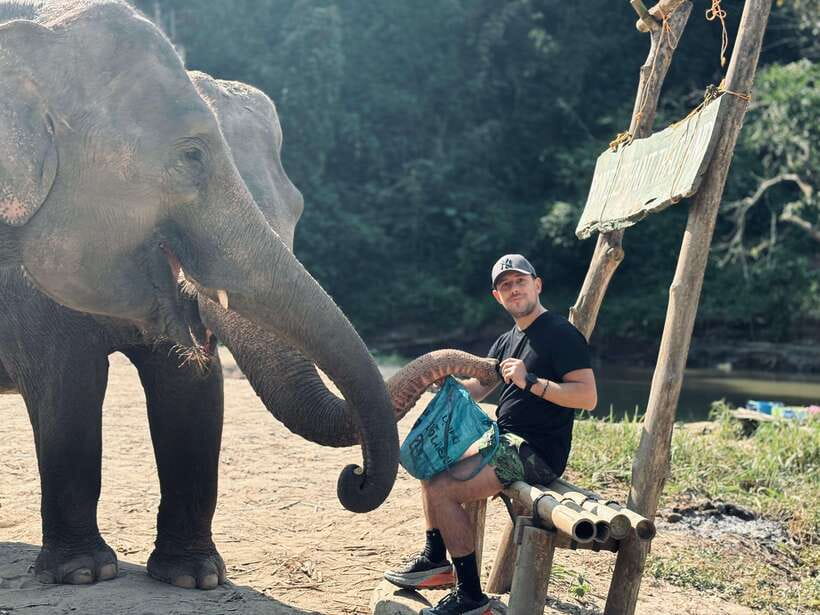
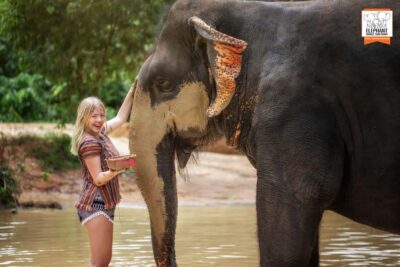
The heart of the program is the chance to feed elephants in a natural setting. You’ll hand over Napier grass, sugarcane, and bananas during guided moments. The carers control the flow so you are not crowding the animals, and you follow instructions for safe distance and movement.
What I like about this approach is that it turns your day into something active. You are not only watching. You are participating in a care routine that makes sense for what elephants eat and how they are managed. That’s also where the ethical framing becomes more than a marketing word.
You should still be ready for the practical side of feeding. Your hands and clothes can get sticky or wet, especially if you end up near river time later. Also, the elephants can move in their own patterns. When you watch them choose where to approach, it gives you a better sense of how the sanctuary works.
Herbal treats: learning what elephants need, not just what they do
This tour includes learning about the history of Asian elephants and how carers prepare herbal treats. You also get explanations about elephant habits and behavior, including how to interpret what you see while you’re near them.
In real life, most people leave an elephant experience remembering the moment, not the meaning. What makes this half-day worth your money is that it adds practical context. You learn why the treats are prepared a certain way, and you start noticing the difference between forced interaction and routine care.
Some people also mention making special items like vitamin balls as part of the interaction style. The exact form can vary by day, but the theme stays the same: you are learning the care process, not just handing over food like a vending machine.
Same stretch of coast, a different sort of day:
- Half-Day Thai Cooking Class at Organic Farm in Chiang Mai
★ 5.0 · 19,087 reviews - Chiang Mai: Doi Inthanon National Park Eco-Friendly Tour
★ 4.6 · 6,667 reviews - Chiang Mai: Chiang Rai Temples, Karen Tribe and Hot Springs
★ 4.7 · 5,401 reviews - Chiang Mai: Cooking Class, Market & Thai Herbs Garden Tour
★ 4.9 · 4,824 reviews
River time: bathing and swimming when elephants decide
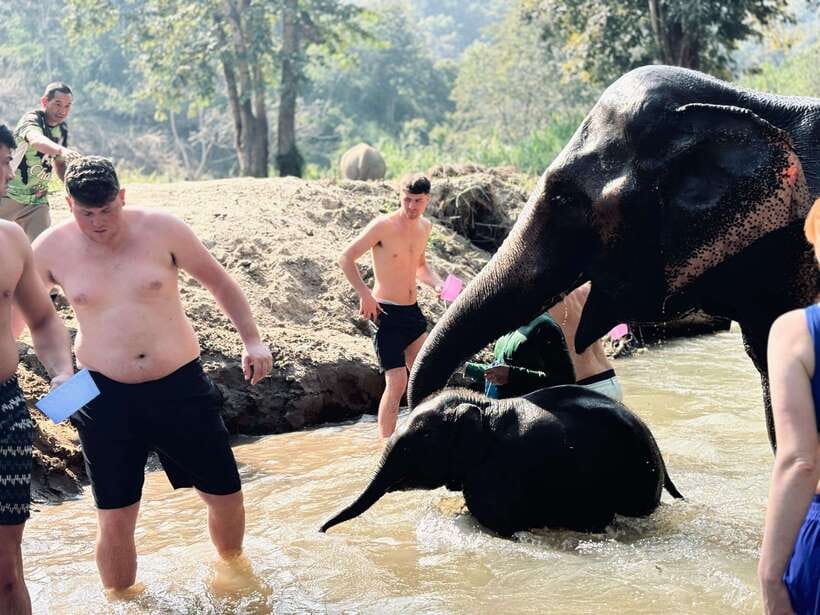
Here’s the part that surprises people, because it sounds like a fixed activity but it isn’t. The program takes the elephants to the river, and there is the chance to swim and bathe with them. But the key line to remember is simple: we do not force them. If the elephants choose not to bathe at that moment, the schedule can change at short notice.
If you are going on this tour for the water part, treat it as a bonus, not a guarantee. Most people still get that magical river session, and some describe ending with a playful water fight and getting soaked in the process. But your best mindset is flexible and calm.
This is also where “ethical” becomes visible. If the elephants are comfortable, they approach the water naturally. You then join the experience in a controlled, supervised way. That is very different from the idea of riders or animal tricks. On this tour, riding is specifically not allowed.
Photos that actually capture the moment
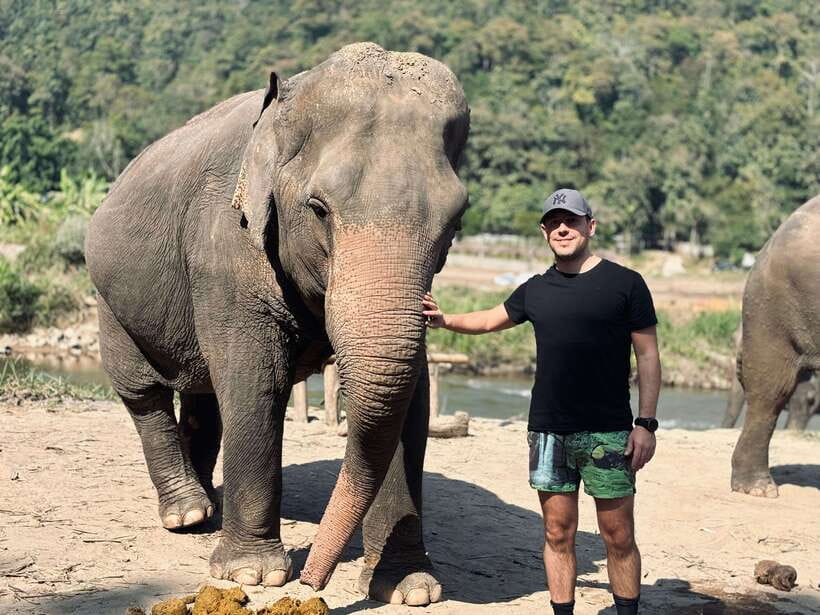
Yes, you will get photo opportunities. The elephants are close enough for meaningful pictures, and the river setting gives you dramatic backdrops. But the smartest approach is to treat photos like a byproduct, not the main goal.
The tour’s rules support that. You cannot feed animals beyond the designated elephant interaction moments, and you should avoid behaviors that would make the animals tense. When you follow the guidance, your photos tend to look better too, because the elephants behave like elephants, not like performers.
Also consider that you may be in water and mud. Bring a phone that can handle splashes, and keep it in a dry pocket when possible. People repeatedly mention getting soaked, so plan for water safety even if you are not trying to swim hard.
Price and value: why $27 can feel fair for a half-day
At about $27 per person for roughly 5 hours, this is priced in the “accessible” range for Chiang Mai. The value comes from what’s included. You get an English-speaking tour guide, insurance, drinking water, and fruit for the elephants. If you selected it, you also get hotel pickup and drop-off.
The big win is that the day is not only about seeing elephants. It is about seeing them cared for, learning why the care matters, and participating in safe feeding routines in a natural habitat. That combination is what makes a lower-cost tour still feel worthwhile, rather than feeling like a bargain version of the same thing.
One caution: towels and a change of clothes are not included. That’s a small extra cost, but it’s worth budgeting. If you show up unprepared, you might end your day feeling gross instead of happy. In other words, the tour is good value, but you still need to pack like you mean it.
What to bring so your half-day stays comfortable
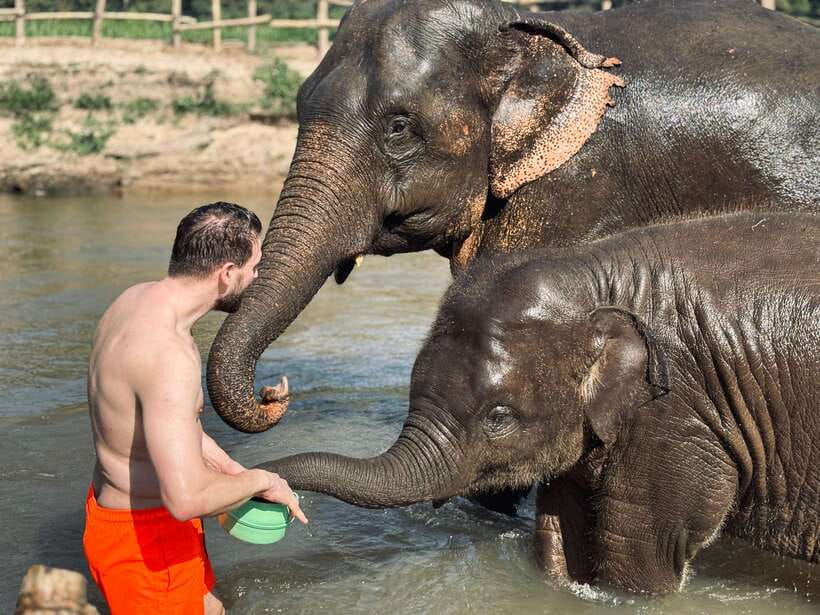
Pack for water and dirt. Even if the elephants do not fully commit to bathing, you can still end up wet. Bring:
- A change of clothes and something dry for afterward
- Beachwear or clothes you don’t mind getting dirty
- A camera or phone you can protect from splashes
- Biodegradable sunscreen and biodegradable insect repellent
- Charged smartphone so you don’t miss river-photo timing
Some people also suggest cash, and it’s listed as something you might bring. Also note the tour rules include no weapons or sharp objects, no drugs or alcohol, and no littering. Keep it simple: your normal-day backpack turns into a “field day” bag.
If you are sensitive to insects, plan carefully. This activity is listed as not suitable for people with insect allergies, and also not suitable for people with animal allergies. And if you have mobility limits or recent surgeries, this won’t be a gentle option because there’s walking between stations.
Who this tour fits best (and who should skip)
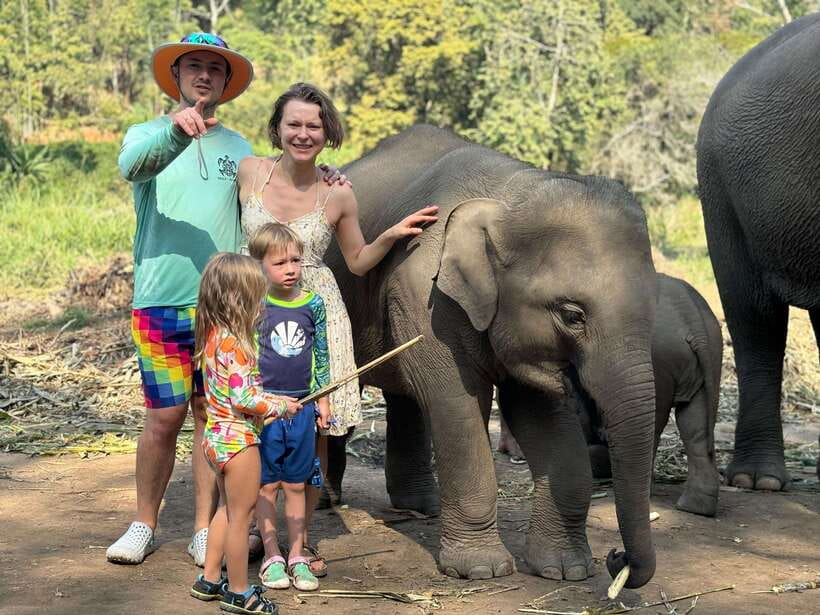
This half-day works best if you want gentle, supervised interaction in an ethical setting. It is a strong match for animal lovers who care about how elephants are treated, not just the wow factor. It’s also a good choice if you want a shorter time commitment, since some people mention half-day being enough even when they also had flights later.
It may not fit if you have back problems, mobility impairments, use a wheelchair, have epilepsy, are visually impaired, have low fitness, or have had recent surgeries. The walking and outdoor nature are part of the experience, and the sanctuary format is not built around a fully seated itinerary.
For families, there’s at least anecdotal support that guides handle young kids thoughtfully. One parent described their baby being looked after so they could enjoy the elephants. Still, I would not call it a stroller-friendly setup. Expect uneven terrain and plan accordingly.
Small-group feel and the power of good guiding
One reason this tour earns such high satisfaction is the way the guide team handles timing and explanation. People name guides like Oom and Jackie, mention humor and strong English, and highlight the care shown to both elephants and visitors.
A detailed briefing and station hosting help keep the day from feeling chaotic. Instead of one long speech, you get focused information right before a key moment. That is why the learning lands. You hear about behavior, then you notice it. You learn about habits, then you see how the elephants move through their space.
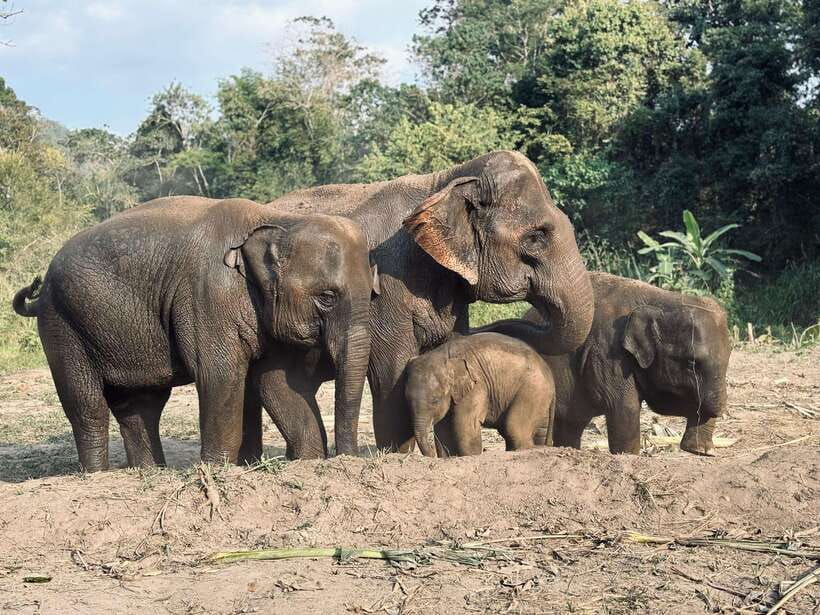
Also, people seem to notice individual elephant personalities. Some mention observing families like a mother with daughters, and others mention a rescued bull. When the carers explain elephants as individuals rather than a single attraction, you leave with a better emotional connection and more understanding.
Should you book the Chiang Mai elephant sanctuary feeding half-day?
Book this if you want a half-day format with meaningful elephant care moments: feeding at multiple stations, learning about herbal treats and behavior, and possibly getting river-bathing time. The price makes sense for what you get, especially if you pick hotel pickup and want the whole day handled for you.
Skip it if you need fully predictable scheduling, because river time depends on the elephants. Also skip if walking between stations, getting wet, or being in outdoor conditions would be difficult for you, especially with the listed mobility and allergy concerns.
If you go in prepared, flexible, and respectful of the rules, this is the kind of tour that can actually change how you think about elephants. You end the day with less noise and more substance, which is rare for an attraction that can otherwise turn into a photo factory.
Newest Chiang Mai reviews on the site
- Tour with Hike in Kiew Mae Pan Natural Trail from Chiang Mai★ 4.8 · 26 reviews
- Chiang Mai: 22 km XC Mountain Biking from Sticky Waterfall★ 4.7 · 13 reviews
- Sticky Waterfall Half-day with Private Car★ 4.9 · 37 reviews
- Sticky waterfalls- Elephants- Bamboo or White water rafting.★ 5.0 · 9 reviews
- Red, Blue, White Temples & Hot Spring Trip from Chiang Mai★ 4.4 · 143 reviews
- Private Tour Pha Chor Canyon & Doi Inthanon National Park★ 5.0 · 23 reviews
- Private Tour Doi Inthanon, Trekking Kew Mae Pan Nature Trail★ 5.0 · 11 reviews
- Private Doi Inthanon, Nature Trail, Wat Phra That Doi Kham★ 5.0 · 6 reviews
Elephant Sanctuary Visits, compared.

Elephant Sanctuary, Waterfall & Bamboo Rafting
Read our review →
Elephant Jungle Sanctuary Ethical Feeding Experience
Read our review →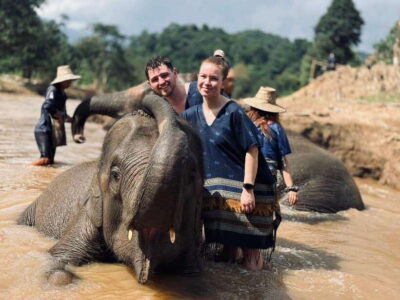
Elephant Sanctuary, Long Neck & Sticky Waterfall
Read our review →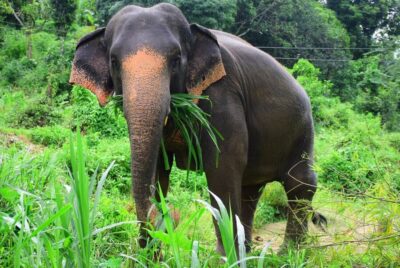
Elephant Jungle Sanctuary Half-Day Visit with Meal
Read our review →
Ethical Elephant Home Guided Tour with Transfers
Read our review →Browse the lists this tour appears in