
Review · ELEPHANT SANCTUARY VISITS
Krabi: Ao Nang Elephant Sanctuary Half-Day Tour
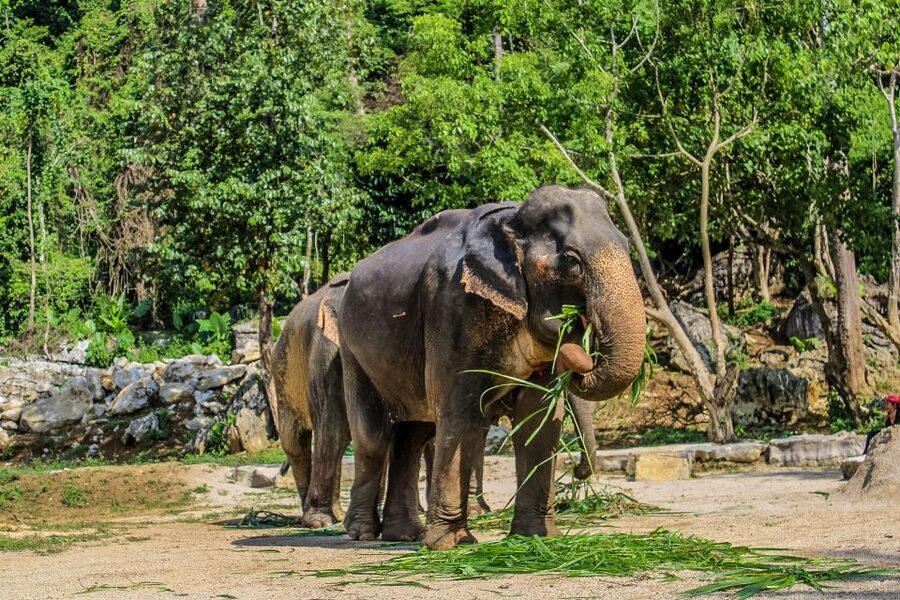
Krabi’s elephant spa day is equal parts education and mess. You’ll meet rescued elephants, learn their behavior and rescue background, then spend time feeding, mudding up, and cooling off together at an ethically-run sanctuary.
I especially love two things here. First, the hands-on coaching on how to approach, feed, and behave around the elephants makes the experience feel safe and respectful. Second, you get real care moments, from making natural dietary supplements to bathing and brushing them like part of their daily routine.
The main drawback to plan for is that this tour gets muddy. Mud spa time can be dirty, and you’ll want the right footwear and to accept that the elephants’ “clean” moment means rinse and scrub, not a tidy studio visit.
In This Review
- Key Things That Make This Tour Worth Your Half-Day
- From Krabi Hotel to Ao Nang Sanctuary: how the half-day flows
- The English-speaking guide and the rescue context you actually need
- Feeding free-roaming elephants the right way, with bananas and rules
- Making natural dietary supplements: the hands-on part beyond banana feeding
- Elephant mud spa day: natural sunscreen, muddy joy, and footwear reality
- Walking, bathing, and brushing: what the water time feels like
- Food, fruit, and coconut water at the end, plus the dry-clothes reset
- Price and value at about $70 per person: what you’re really paying for
- Who should book this Krabi elephant sanctuary half-day?
- Quick checklist so your day stays comfortable
- Should you book the Ao Nang Elephant Sanctuary half-day tour?
- FAQ
- How long is the Ao Nang Elephant Sanctuary half-day tour?
- Is hotel pickup included in this tour?
- What’s included in the ticket price?
- What do I need to bring?
- Do I need passport details before arriving?
- Is lunch included?
- Will I have a chance to bathe the elephants?
- Do I need to bring a towel?
Key Things That Make This Tour Worth Your Half-Day
- Hotel pickup plus a smooth transfer to Ao Nang Elephant Sanctuary, so you spend less time on logistics.
- Rescue stories and elephant behavior basics explained by the English-speaking guide, with practical rules for safe interaction.
- Preparing natural dietary supplements alongside the team, not just tossing bananas and calling it done.
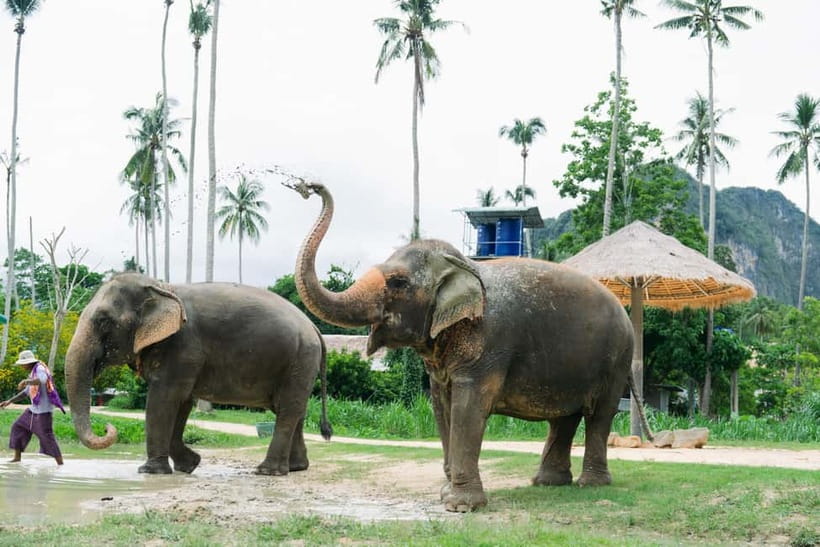
- Mud spa time as natural treatment, followed by walking, bathing, and brushing in their water area.
- Plenty of photo support, including staff taking lots of pictures (some guides are remembered by name, like Mahoud).
- Seasonal fruit and coconut water at the end, with dry clothes time built into the flow.
From Krabi Hotel to Ao Nang Sanctuary: how the half-day flows
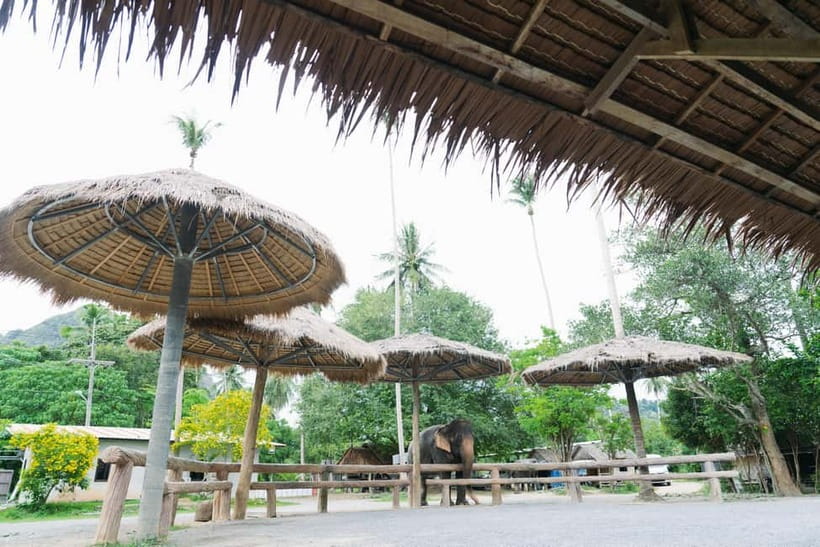
This is a half-day tour built around one simple idea, you should actually have time with the elephants, not just stand in line. You’ll be picked up from your accommodation in a comfortable air-conditioned vehicle and driven to the sanctuary in Ao Nang.
Once you arrive, you’ll meet an English-speaking guide and get a clear rundown of what to expect. The focus is on how elephants live, what they eat, and how they behave, so you understand what you’re seeing before you get close.
In your downtime, you’ll also have basic refreshment breaks. The tour includes a snack, seasonal fruit, and a drink during the day, plus drinking water, coffee, and tea.
One practical note, the included transfer mentions Ao Nam Mao pier too. If you’re coming via a plan that uses the pier, this is reassuring, but if you’re doing standard hotel pickup, the important part is that your transport to and from the sanctuary is handled.
More Elephant Sanctuary Visits in Krabi
- Krabi: Elephant Sanctuary (near Ao Nang) Visit
★ 4.9 · 1,036 reviews - Krabi: Elephant Care House Guided Tour with Hotel Transfers
★ 4.7 · 543 reviews - Krabi: Love Elephant Sanctuary Tour
★ 4.9 · 368 reviews
The English-speaking guide and the rescue context you actually need
What makes this tour feel more meaningful is the way the guide explains elephant life in Thailand. You won’t just get a few facts and a handshake, you’ll get a guided lesson that covers behavior, what they eat, and what to look for in how the elephants respond to people.
A recurring theme in the experience is rescue context, specifically the stories of elephants that ended up doing hard work such as logging or carrying people. You’ll hear how these elephants are rescued and cared for now, and the guide shares what it means for their daily routine at the sanctuary.
I like that the instruction includes how to behave, not just what to feel. A good moment here is when you’re taught the do’s and don’ts before you enter elephant space, so interaction stays calmer for both you and the elephants.
If you’re lucky enough to get a guide like Mahoud, you’ll recognize the vibe from the reviews, funny, friendly, and focused on safety and care. Even when staff members are joking around, they still keep attention on animal wellbeing.
Feeding free-roaming elephants the right way, with bananas and rules
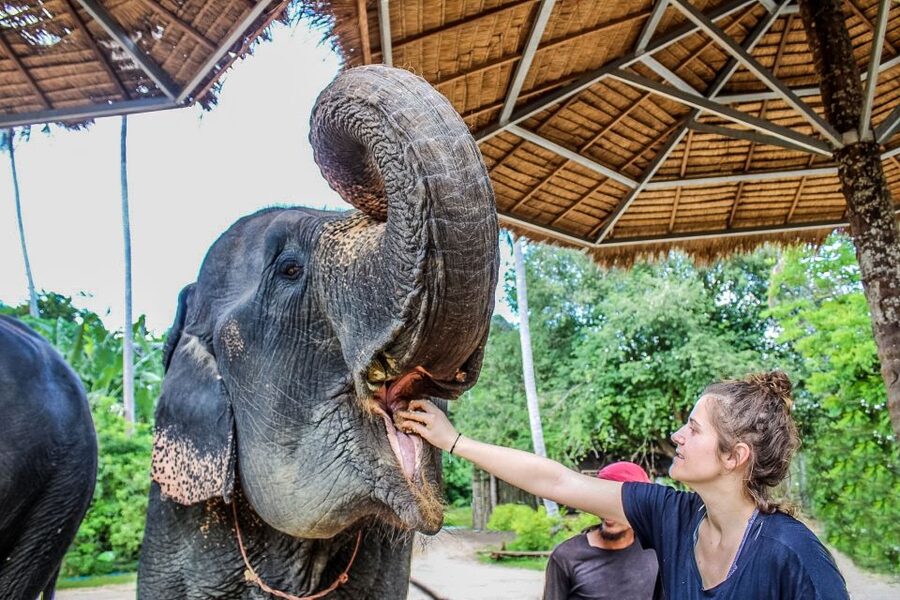
Feeding is the part most people imagine, and it’s also where good guidance matters the most. You’ll receive bananas to feed to elephants and learn how to do it safely while they roam in their area.
This is not a grab-and-go moment. You’ll be coached on how to approach, what signals to pay attention to, and how to keep the interaction steady. The goal is that the elephants stay comfortable, and you avoid common mistakes like moving too fast or crowding.
You also get time to touch and interact at your leisure, with your guide narrating what you’re seeing. That combination is the magic formula here: guidance first, then slow, respectful closeness.
A tip that saves headaches, wear swimwear and plan on getting wet sooner than you think. Even if you start with feeding, the mud and wash steps follow quickly, so you’ll be grateful you’re not changing in and out of dry clothes all day.
Making natural dietary supplements: the hands-on part beyond banana feeding
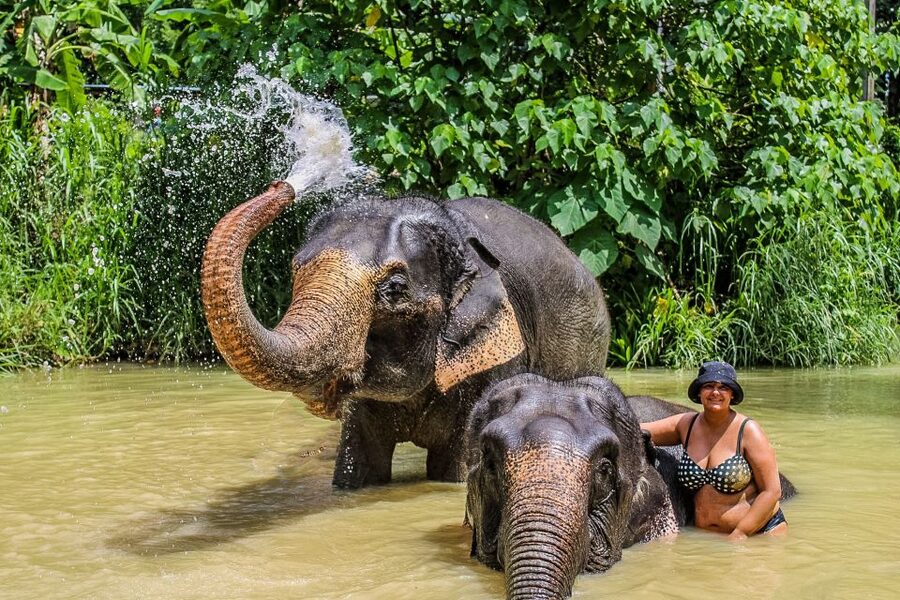
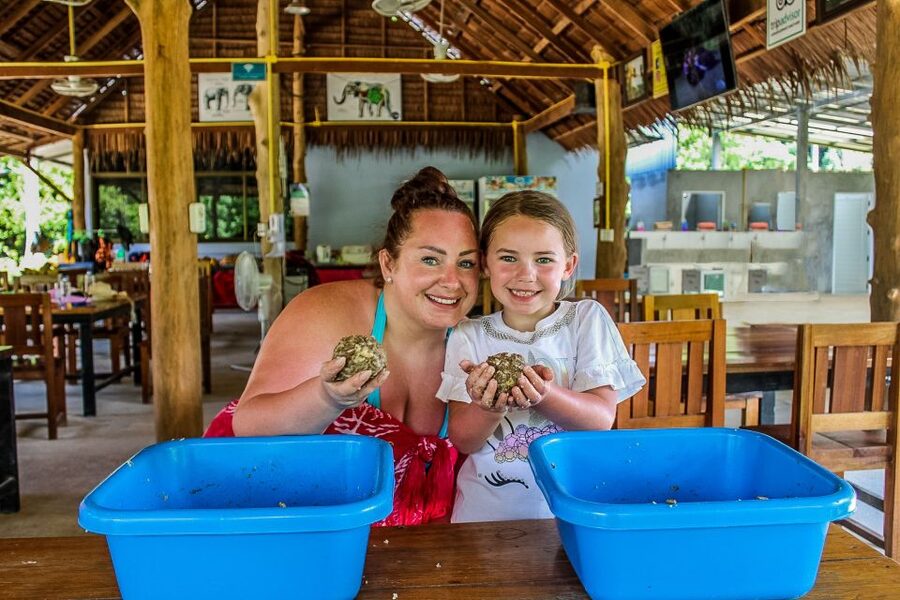
One of the best surprises is that you don’t just feed, you also help prepare food as part of the elephants’ care. The tour includes assisting with the preparation of natural dietary supplements for the elephants.
In practice, this turns into a hands-on food-prep session where you can see how the sanctuary supports the elephants with more than simple snacks. It also gives you something to do besides pose for photos, which makes the experience feel more like contributing.
This matters for two reasons. First, it adds structure to the time with the elephants, so you build familiarity with their routine. Second, it helps you understand that care is daily work, not a one-time attraction.
If you enjoy cooking-style activities and getting your hands involved, this is the section you’ll remember most because it’s interactive in a practical way.
Same stretch of coast, a different sort of day:
- Krabi: Premium 4-Island Day Trip by Longtail Boat with Lunch
★ 4.5 · 4,812 reviews - Krabi: Hong Islands Day Trip by Speedboat with Lunch
★ 4.5 · 3,952 reviews - Krabi: Tiger Cave Temple, Emerald Pool and Hot Springs Tour
★ 4.8 · 3,616 reviews - Krabi: 7 Islands Sunset Tour with Buffet Dinner & Snorkeling
★ 4.3 · 2,916 reviews
Elephant mud spa day: natural sunscreen, muddy joy, and footwear reality
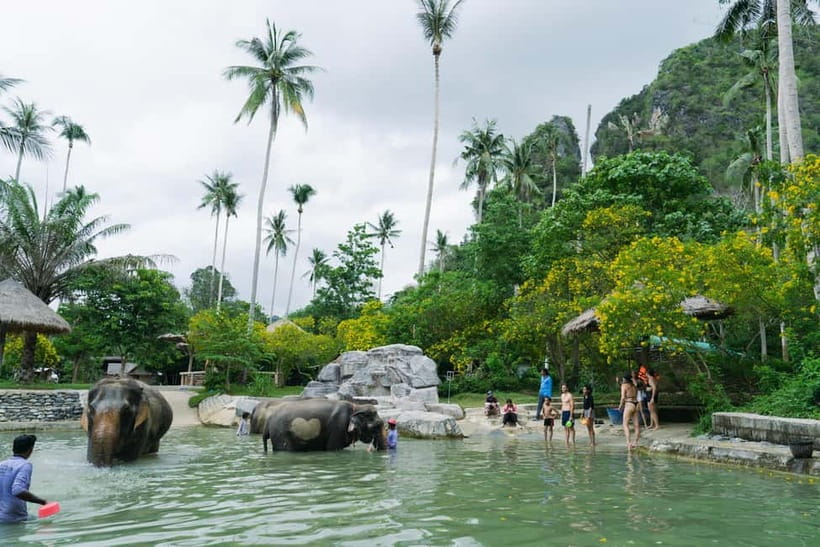
Then comes the mud, and yes, it’s as fun as it sounds. After meeting the elephants, you join them in applying mud to their skin as a healthy sunscreen and mud treatment.
The idea is simple and smart. Mud helps protect the elephants from sun, and the sanctuary uses the process as part of their care routine.
But plan for the mess. Mud spa time can feel grimy because it’s real mud in an elephant area, and at least one reviewer noted it’s the same place where elephants use the bathroom. You don’t need to be grossed out, but you do need to be prepared for the kind of muddy rinse that takes a few minutes.
Footwear is key. The tour guidance says to bring your own water shoes for walking on the ground, or you can purchase them on site. If you’ve ever slipped on wet mud, you already know why this matters.
My practical takeaway for you is to treat this like a beach day mixed with a garden project. Bring insect repellent, and expect that your legs, shoes, and bag may get splattered. Nothing ruins the mood like insisting on delicate footwear.
Walking, bathing, and brushing: what the water time feels like
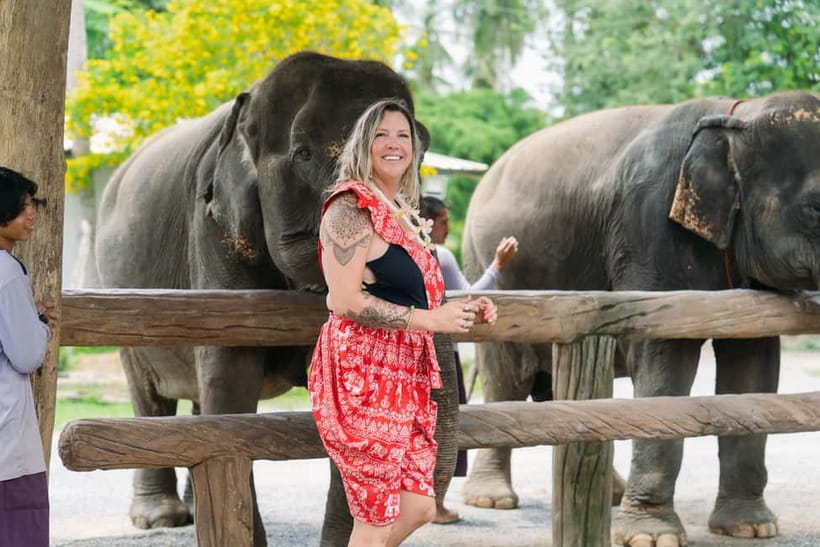
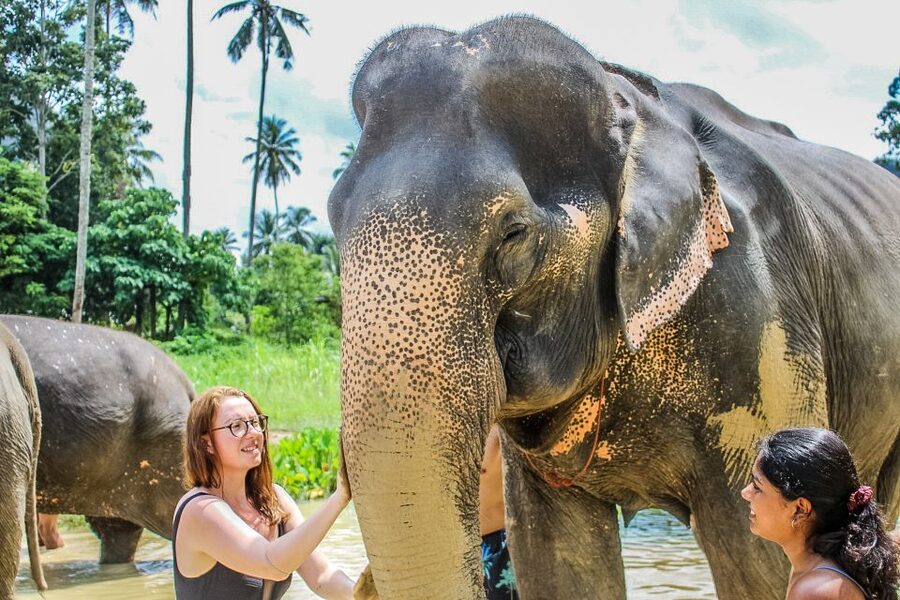
After the mud stage, you’ll walk with the elephants, bathe them, and join them in the water for a refreshing cool-off. This is where the tour shifts from hands-on care to full-body elephant spa energy.
You’ll also brush the elephants while they frolic and play in the water. The brushing step is one of those quiet “wow” moments, because you see how much patience and calm the elephants show during cleaning.
A good sign that the sanctuary setup is working is how the whole process stays guided. You’re not left to guess. Staff tell you what to do and when to step back, and that rhythm keeps the elephants comfortable.
One more practical detail, don’t assume you’ll instantly feel clean after mud day. The wash-off stage matters, but you may still want to bring a plan for rinsing yourself after. Reviews mention soap and shower availability, and it sounds like having your own small container can help you control what you use.
Food, fruit, and coconut water at the end, plus the dry-clothes reset
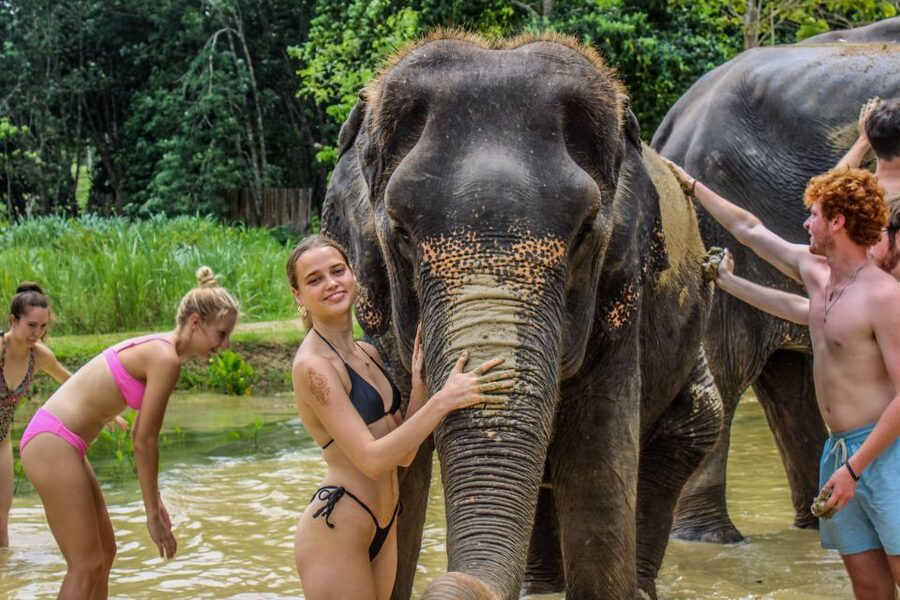
Once the elephants are clean, you can take final photos and then it’s time to change into dry clothes. That built-in reset is a smart piece of trip design for a half-day tour, because you’ll likely still be damp otherwise.
The tour includes seasonal fresh fruits and coconut water before you transfer back to your hotel. It’s a nice, simple finish, especially after a tour that focuses so heavily on water and mud.
You’ll also have had snacks earlier, plus drinking water, coffee, and tea. This keeps you from feeling wiped out, and it also means you don’t have to hunt for a meal during the tour window.
Lunch or dinner is not included, so plan to eat after. If you’re the kind of person who gets hungry fast, a pre- or post-tour meal strategy helps.
Price and value at about $70 per person: what you’re really paying for
At around $70 per person, this tour isn’t a budget impulse buy, and that’s fair to say. But it’s also not just for a photo. You’re paying for guided elephant interaction, safety coaching, feeding supplies, and the sanctuary routine that makes these encounters possible.
Here’s what helps justify the value based on what’s included:
- A tour guide and English-language instruction
- Snacks, seasonal fruit, juice, plus coffee and tea
- Food to feed the elephants
- Transfers to and from the sanctuary area, with Ao Nam Mao pier transfer included as part of the package
- Accident insurance
What’s not included matters too. Lunch or dinner is on you, and towel is not included. The towel part sounds small until you realize mud and water steps are the main event, so forgetting a towel can turn a great morning into a rushed scramble.
If you want an elephant experience that feels like hands-on care rather than entertainment, this price can look reasonable quickly. The guide focus and the time spent in multiple elephant care steps push this beyond a quick feeding stop.
Who should book this Krabi elephant sanctuary half-day?
This is a great fit if you want a structured, rules-based interaction. If you like knowing what you’re doing and why you’re doing it, the teaching sections will help.
It also suits you if your priority is ethical, practical elephant care moments, not just selfies. The tour’s flow is built around feeding, mud treatment, bathing, and brushing, with the staff coaching interaction.
If you hate getting wet and muddy, you’ll still have fun if you choose the right gear, but it won’t feel like a “relaxing spa” day. It feels like work you get to do with animals, and it’s a bit messy by design.
If you’re traveling with kids, it may be a good option if everyone is ready for water and listening to instructions. One review mentions staff going above and beyond for a child’s birthday, so there’s a sense that the team can handle families well, as long as you follow safety guidance.
Quick checklist so your day stays comfortable
Bring the essentials the tour requests:
- Passport or ID card (passport number is needed for an accident insurance form)
- Swimwear
- Towel
- Sunscreen
- Flip-flops
- Insect repellent
- Water shoes (recommended, or purchase on site)
If you forget water shoes, you might still be able to buy them at the location. But you’ll waste time and lose comfort, so I’d rather you plan ahead.
Also pack a small bag plan. Mud tends to travel. Even if you keep your phone wrapped, your towel, strap, and shoes can take on the scent and texture of the day.
Should you book the Ao Nang Elephant Sanctuary half-day tour?
Book it if you want a guided experience with safe interaction, multiple care steps, and a clear explanation of rescue and behavior. The strongest draw is the combination of feeding and hands-on mud and wash moments, supported by coaching and a team that keeps attention on the elephants.
Skip it or think twice if you’re not comfortable with getting muddy, or if you want a clean, dry, low-effort activity. This is water time and mud time, and you should treat it like that.
If you’re on the fence, here’s my simple decision rule. If you would happily spend a morning outdoors in swimwear doing caring tasks, you’ll likely feel you got good value at $70. If you want a mostly seated sightseeing experience, you’ll be happier choosing something else in Krabi.
FAQ
How long is the Ao Nang Elephant Sanctuary half-day tour?
It’s a half-day tour experience. The schedule includes pickup, time with the elephants (feeding, mud spa, bathing, brushing), and an end-of-tour fruit and coconut water stop before transfer back.
Is hotel pickup included in this tour?
Yes. You’ll be picked up from your accommodation and transferred to Ao Nang Elephant Sanctuary, and you’ll also be transferred back afterward.
What’s included in the ticket price?
The tour includes a guide, snack, seasonal fruit, juice, drinking water, coffee, and tea, food to feed the elephants, transfers to and from Ao Nam Mao pier, and accident insurance.
What do I need to bring?
Bring your passport or ID card, swimwear, a towel, sunscreen, flip-flops, insect repellent, and water shoes.
Do I need passport details before arriving?
Yes. You’ll need your passport number to fill in the accident insurance form at the sanctuary.
Is lunch included?
No. Lunch or dinner is not included.
Will I have a chance to bathe the elephants?
Yes. After the mud treatment, you’ll join the elephants in bathing and in their water area, and you can also brush the elephants.
Do I need to bring a towel?
Yes. Towel is not included, so you should pack one.
Newest Krabi reviews on the site
- Krabi: South Kayak Klong Root Kayaking Tour★ 5.0 · 7 reviews
- Railay: Illuminated Clear Kayak Night Tour Bioluminescence★ 4.3 · 54 reviews
- Krabi: Railay Beach Bioluminescent Plankton Ferry Cruise★ 3.7 · 60 reviews
- Railay: Hands-On Thai Cooking Class at Railay Beach★ 4.9 · 30 reviews
- Krabi Private Gondola Cruise with Lunch and Picnic★ 4.8 · 17 reviews
- Phuket:Phi Phi, Bamboo, Maiton, Maya Speed Catamaran Tour★ 4.0 · 121 reviews
- Phuket: 4 Islands Krabi Adventure & Snorkeling Day Tour★ 4.3 · 37 reviews
- Phranang Cave Sunset with BBQ dinner & Plankton Tour★ 3.2 · 53 reviews
Elephant Sanctuary Visits, compared.

Elephant Sanctuary, Waterfall & Bamboo Rafting
Read our review →
Elephant Sanctuary Feeding Program Half-Day Tour
Read our review →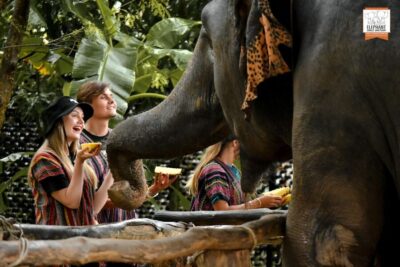
Elephant Jungle Sanctuary Ethical Feeding Experience
Read our review →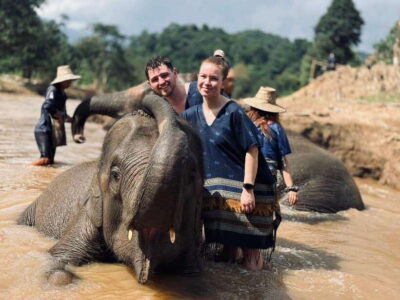
Elephant Sanctuary, Long Neck & Sticky Waterfall
Read our review →
Elephant Jungle Sanctuary Half-Day Visit with Meal
Read our review →
Ethical Elephant Home Guided Tour with Transfers
Read our review →Browse the lists this tour appears in