
Review · COOKING CLASSES
Chiang Mai: Local Northern Thai Cooking Class at Grandma’s
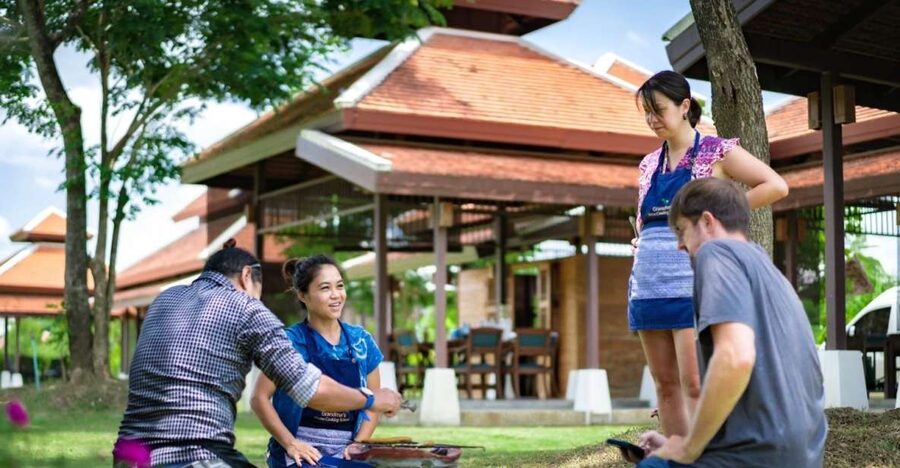
Charcoal and a mortar make Thai food real. This Chiang Mai class mixes a market visit with hands-on cooking of Northern Lanna dishes. One small catch is the early start, so plan the rest of your day with some breathing room.
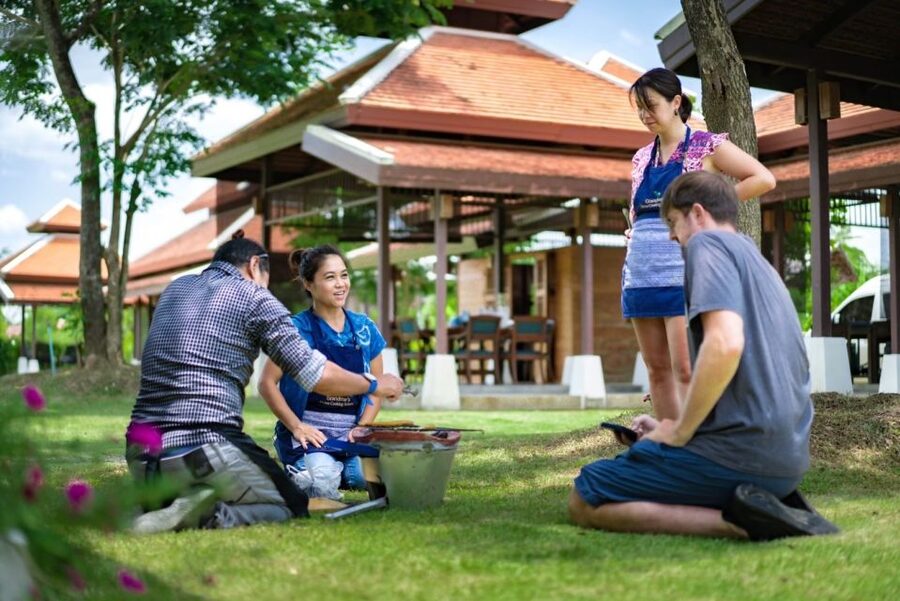
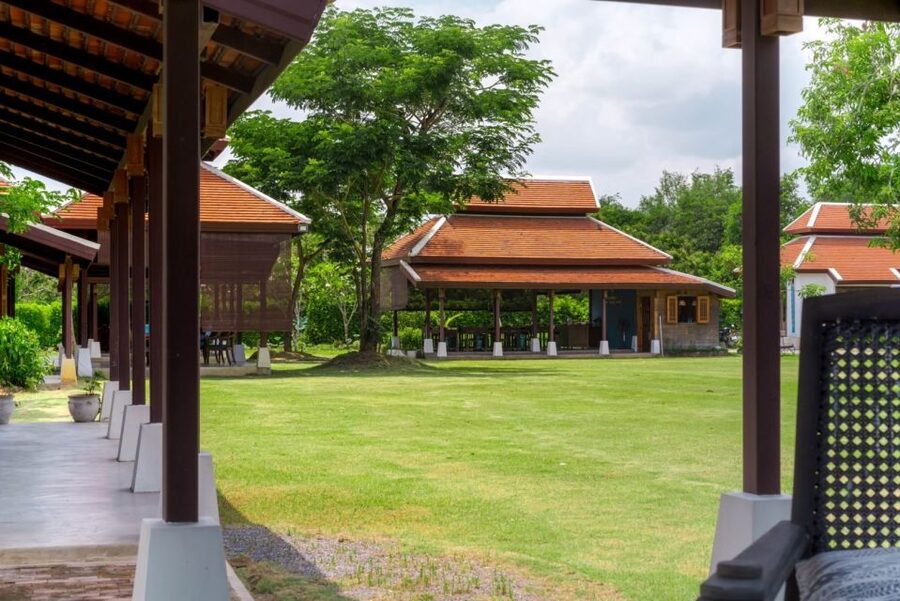
I like that the setup feels spacious but you still cook in a way that stays personal. In practice, you are not battling a huge crowd, and the grounds are kept very clean, including the bathrooms.
The English-speaking guide can be funny and very hands-on, and one name that comes up often is Best. You can also take home leftovers in provided containers, which is a smart bonus for a long day.
In This Review
- Key things I’d watch for
- Why This Chiang Mai Cooking Class Feels More Like a Day With a Local
- Pickup Around 8:30 to 9:00am, Then Welcome Snacks
- The Market Walk: Where Northern Thai Seasoning Gets Specific
- The Organic Farm Tour, Herb Picking, and Egg Collection
- Kitchen Skills You Actually Use: Charcoal, Washing, Milling, and Coconut
- The Dishes: Northern Classics and What Makes Them Feel Lanna
- How the banana leaf grilled egg fits in (and why it’s useful)
- Lunch and the Value of Being Able to Taste What You Made
- Desserts and Refreshments: The Sweet Northern Finish
- Price and Logistics: Is $48 Worth It for 6 Hours?
- Who This Cooking Class Is Best For
- A Balanced Take: One or Two Things to Plan For
- Should You Book This Chiang Mai Cooking Class?
- FAQ
- What is the duration of the Chiang Mai Northern Thai cooking class at Grandma’s?
- How much does it cost?
- What dishes will I learn to cook?
- Do I visit a market during the class?
- Is lunch included?
- Are dessert and refreshments included?
- Is hotel pickup included?
- Is the instruction in English?
- Can special dietary requirements be accommodated?
- What should I bring, and what is not allowed?
Key things I’d watch for
- A real Northern Thai ingredient lesson, starting with what you choose at the market
- Practice-first cooking, including lighting a charcoal grill and doing kitchen tasks by hand
- Hands-on traditional prep, like using a millstone for flour and a coconut grater
- Farm to plate herbs and eggs, with time spent picking Thai vegetables and seasonings
- Small-group energy, based on how the class size has worked for others
- A sweet ending, with dessert and refreshments included
Why This Chiang Mai Cooking Class Feels More Like a Day With a Local
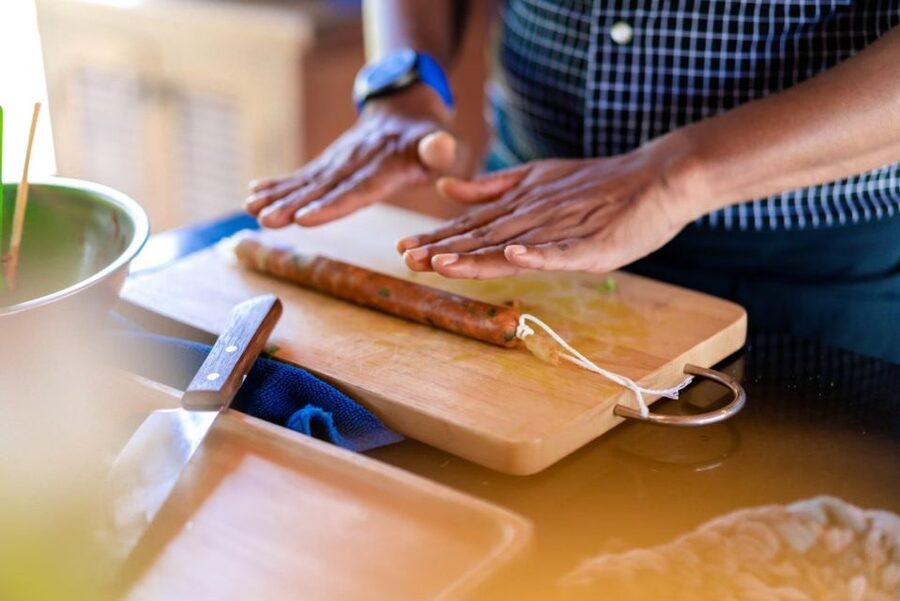
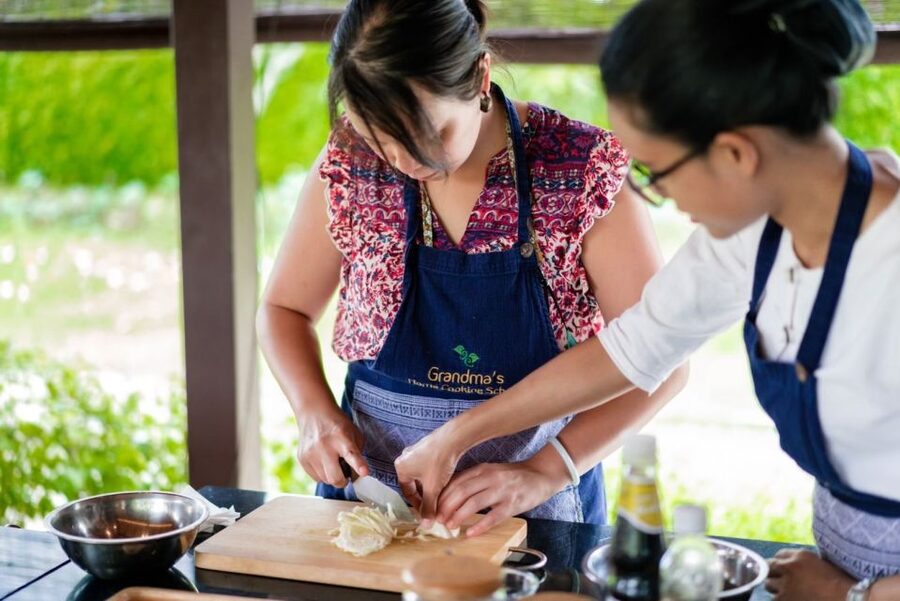
This is not the kind of class where you stand at the back and watch someone else do all the work. The day is built around you doing the steps, from washing and chopping to the more old-school kitchen tasks like grating coconut and milling flour.
The vibe is also practical. The property has lots of room, but you are not lost in a crowd. You cook your own portions and the instructors pay close attention to that, which matters because Northern Thai dishes rely on correct balances and technique. If you like the idea of eating what you make, that hands-on structure is a big win.
And yes, the cleanliness level really stands out. You do spend hours on your feet, so good bathroom access is not a small detail. I also like that leftovers are handled thoughtfully, with disposable containers offered so you can keep what you cannot finish.
More Cooking Classes in Chiang Mai
- Half-Day Thai Cooking Class at Organic Farm in Chiang Mai
★ 5.0 · 19,087 reviews - Chiang Mai: Cooking Class, Market & Thai Herbs Garden Tour
★ 4.9 · 4,824 reviews - Chiang Mai: Authentic Cooking Class with Market & Farm Visit
★ 4.9 · 4,546 reviews
Pickup Around 8:30 to 9:00am, Then Welcome Snacks
Your morning begins with hotel pickup, usually around 8:30 to 9:00am. The timing is perfect if you want to get your Chiang Mai day started early, but it means you should avoid planning anything late the night before. You also will be walking at the market and moving around the grounds, so comfortable shoes are not optional.
When you arrive, you get welcome snacks and a refreshing drink. It is a nice buffer because you are about to do a lot of learning by sight, smell, and taste, not just hearing explanations.
This class runs for about 6 hours. That is a solid stretch. You should expect the day to feel full, but not rushed, because you are working through multiple dishes and building skills along the way.
The Market Walk: Where Northern Thai Seasoning Gets Specific
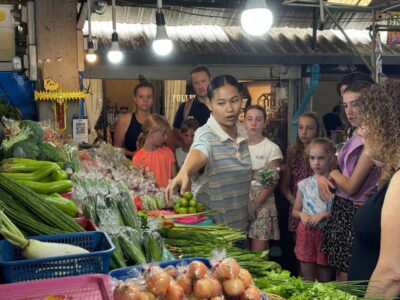
One of the best parts of this tour is the market component. You start with a local market visit, where the instructors introduce key ingredients and seasonings used in Northern Thai cooking.
Why that matters: Northern Thai food can taste different from what most people expect from Thai cuisine. The region leans into its own flavors, often using ingredients and pastes that do not show up the same way in more tourist-heavy Thai menus. When you see the ingredients in person, you start to understand what each dish is built on.
You are not just collecting random items. The point is learning how the pieces fit together. That makes the later cooking steps easier because you know what you are holding and why it is there.
Also, a market walk gives you a reality check on scale. Some ingredients are concentrated, some are fresh, and some are used as texture or aroma. When you get that perspective early, you are less likely to treat the recipe like a checklist and more likely to treat it like cooking.
The Organic Farm Tour, Herb Picking, and Egg Collection
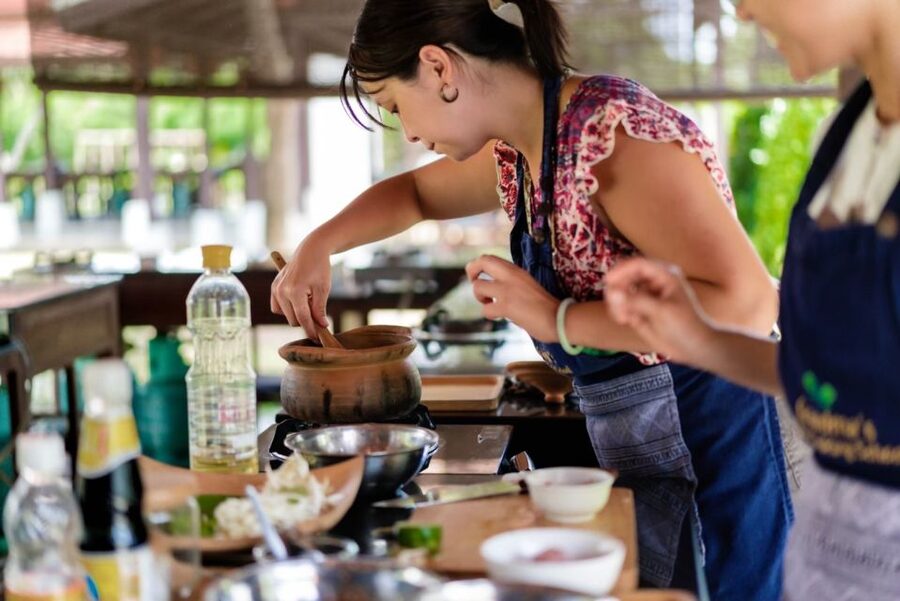
After the market, you move to an organic farm setting. This is where the day starts to feel more agricultural and less classroom-like.
You walk around and learn about Thai herbs and vegetables used in your dishes. You also get hands-on time picking what you need, which is a big deal if you care about flavor. Herbs in Northern Thai cooking are not just garnish. They can be part of the aroma base and the finishing balance.
If you want to cook beyond the usual Thai basil and lime routine, this farm portion helps. It gives you a chance to identify plants and understand how they get used in the actual dishes you will make later.
There is also time to visit the chicken coop and collect eggs. That might sound small, but it reinforces the farm-to-table idea in a very tangible way. Plus, eggs show up in Northern-style cooking in practical ways, and it is helpful to connect that ingredient to the environment it comes from.
Same stretch of coast, a different sort of day:
- Chiang Mai: Elephant Sanctuary, Waterfall & Bamboo Rafting
★ 4.9 · 9,160 reviews - Chiang Mai: Doi Inthanon National Park Eco-Friendly Tour
★ 4.6 · 6,667 reviews - Chiang Mai: Elephant Sanctuary & Waterfall Group Tour
★ 4.9 · 5,780 reviews - Chiang Mai: Chiang Rai Temples, Karen Tribe and Hot Springs
★ 4.7 · 5,401 reviews
Kitchen Skills You Actually Use: Charcoal, Washing, Milling, and Coconut
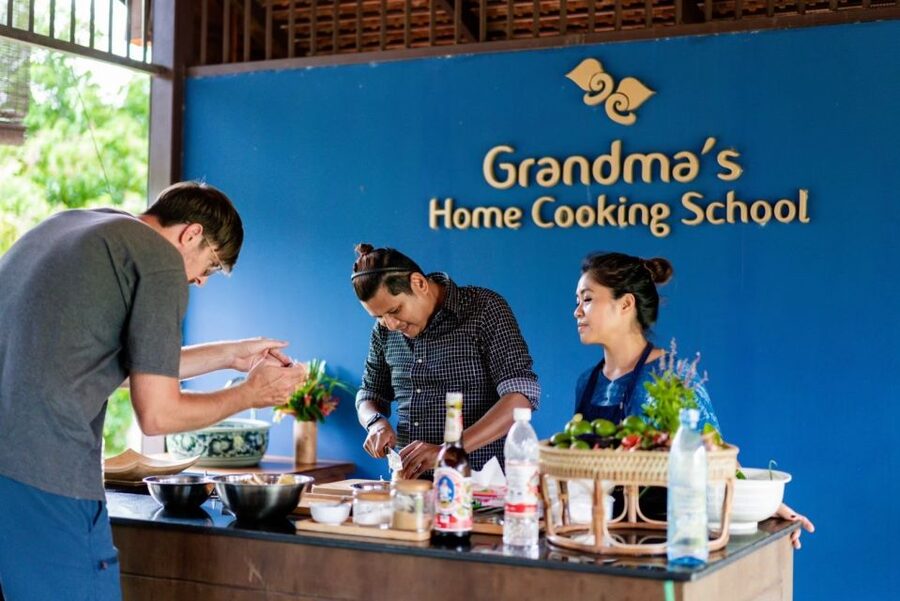
This class builds skills you can use again, even after you leave Thailand. You learn to light a charcoal grill, wash vegetables properly, and work with traditional prep tools.
You also do traditional flour work using a millstone, and you grate coconut using a coconut grater. These are physical tasks. That is part of the value. The instructors show you how, but you are the one doing the work.
Why I think this matters for you: a cooking class can be fun while still being shallow, if it is mostly step-by-step watching. Here, the repetitive, hands-on tasks force you to pay attention to texture and consistency. That is the difference between knowing recipes and understanding cooking.
You will also work together with other participants, but the class structure keeps your portions aligned so you are not constantly guessing what belongs to whom. In short, you get the social part of cooking, without turning the kitchen into a traffic jam.
The Dishes: Northern Classics and What Makes Them Feel Lanna
You cook a set of traditional Northern Thai dishes. Depending on the flow of the day, the emphasis includes learning to cook the core items and also preparing Thai coconut pancakes using traditional methods.
The main dishes you learn include:
- Northern Thai Sausage
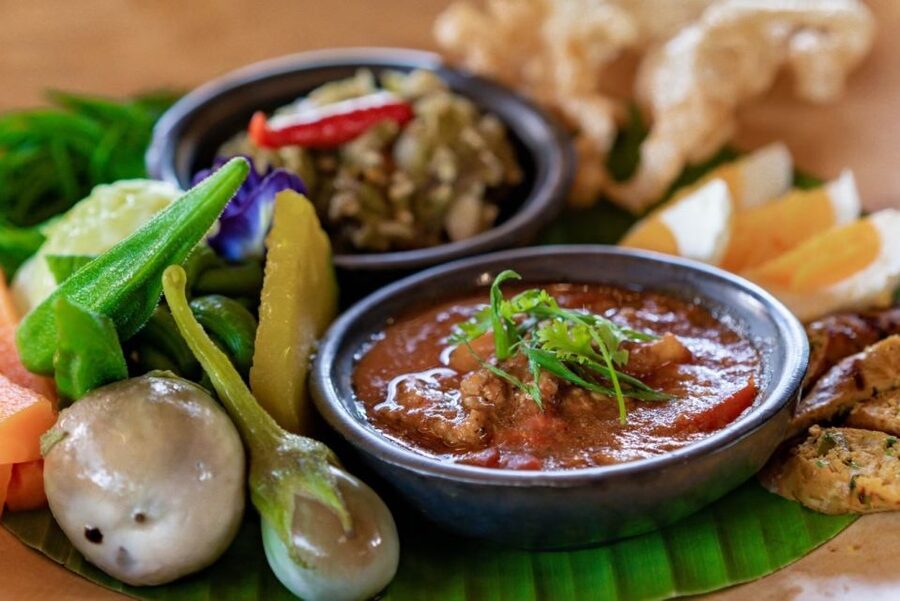
- Nam Prik Ong (spicy Northern Thai pork and tomato), or Nam Prik Num (Northern Thai green chili dip)
- Northern Pork Belly Curry (Hang Lay Curry)
- Curry Young Jackfruit (Kraeng Khanun-on)
- Stuffed Dough Pyramid (Ka Nhom Tian or Kanomjok)
In addition, you practice Thai coconut pancake making as part of the day’s traditional prep and dessert/tasting flow.
What I like about this dish lineup is the range. You get:
- A bold paste or dip (Nam Prik Ong or Nam Prik Num)
- A rich, slow-feeling curry style (Hang Lay Curry)
- A dish built around fruit texture and spice (young jackfruit curry)
- A regional snack or savory item (stuffed dough pyramid)
- A sausage component that teaches you how Northern flavors get layered
Northern Thai cuisine can be less about the same set of Thai staples you see everywhere and more about its own balancing act. This menu helps you feel that difference in your hands, not just on your tongue.
How the banana leaf grilled egg fits in (and why it’s useful)
The class description also references a grilled egg dish in banana leaf as part of the broader teaching focus. Even if the exact number of dishes you personally produce in your station feels like a mix of core items and seasonal extras, the banana leaf element usually reinforces a key lesson: aroma comes from more than sauces. It comes from the cooking vessel and technique too.
If you want a class that goes beyond curry and pad Thai thinking, that style of cooking is a big part of the appeal.
Lunch and the Value of Being Able to Taste What You Made
Lunch is included, and it is built from the food you prepare. That might sound obvious, but it changes the class experience. You are not just learning technique in theory. You eat the results while the flavors are fresh and the steps are still clear in your mind.
There is also time for a dessert and refreshments session later in the day, so the meal structure feels like a full cycle rather than one rushed lunch break.
One practical bonus: if you cannot finish everything, you can take leftovers home. You receive disposable containers, which makes it easy to share later or pack for the next meal without worrying about glassware.
Desserts and Refreshments: The Sweet Northern Finish
This day ends with a dessert and refreshments session where you taste traditional Thai desserts and drinks.
I like dessert sessions that are not treated like a random add-on. Here, the cooking day already trains your palate toward Northern Thai ingredients, and then the dessert portion lets you continue that flavor education.
Given that coconut prep is a highlighted skill in the class, you can also expect coconut to show up in the sweet side of the day. The Thai coconut pancakes you practice in the traditional way help connect the savory prep skills to the sweet finale.
Price and Logistics: Is $48 Worth It for 6 Hours?
At $48 per person for a 6-hour class, you are paying for more than a recipe sheet. You are paying for:
- Market instruction on ingredients and seasonings
- An organic farm walk with herb and vegetable picking
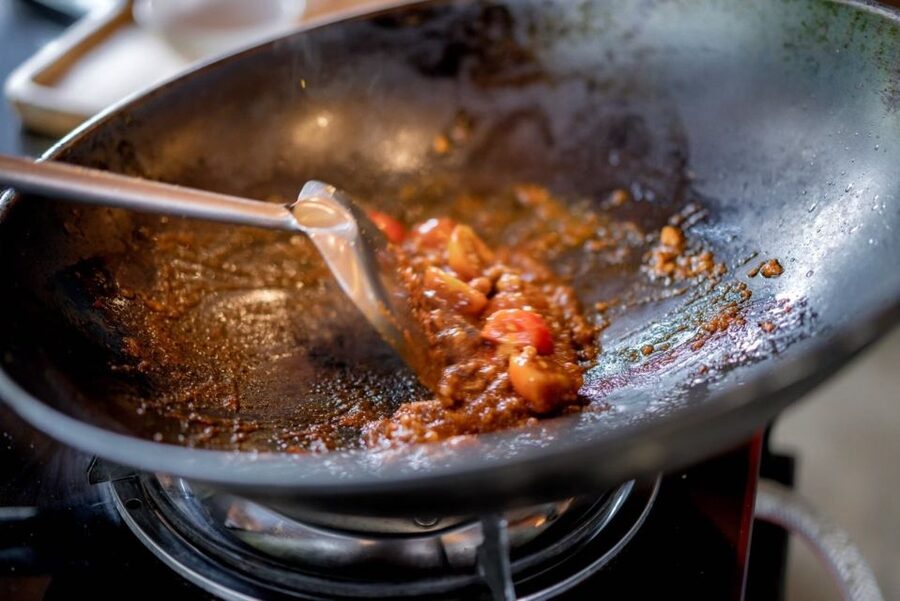
- Hands-on cooking, including charcoal grilling and traditional tools
- Lunch made from your own work
- Dessert and refreshments tasting
- Round-trip transfers from your hotel
- An e-recipe book you can download
That is a lot of structured time, and it is not just kitchen time. Transport plus the market and farm segments are what typically raise the real-world value of a cooking class, because they teach you what you are actually cooking with.
The other value driver is group size and attention. Reviews point to small groups like 5 people or 8 people, and instructors keeping participants in their own portioning space. When the class is small, you get more feedback during technique and plating. That often matters more than the ingredients list.
So is it a deal? For many people in Chiang Mai, yes, because you are basically buying a guided food education day, plus meals, plus skills.
Who This Cooking Class Is Best For
I think this works best if you:
- Want hands-on practice, not passive watching
- Like Northern Thai flavors and want to cook the region’s dishes specifically
- Enjoy traditional techniques like grinding and grating, even if they feel a little physical
- Prefer a class with English-speaking instruction and active participation
- Would like a day that includes both city market learning and farm sourcing
It can also be a good family option because children age 0-10 can join as observers. That means younger kids can be part of the day in a watching role, rather than being expected to handle cooking tasks.
Wheelchair access is listed, so if you need accessibility support, this is a class worth asking about directly when you book.
A Balanced Take: One or Two Things to Plan For
Here is the honest part. This is a hands-on day, and some of the tasks are physical. If you dislike manual prep work, like grating coconut or milling flour, you might find it tiring.
Second, there is an early pickup. If you like late mornings on vacation, you may feel the schedule pressure.
And one more practical note: the activity says valuables are not allowed. That means you should travel light and keep personal items simple.
If you show up with comfortable shoes and accept that you will work for your lunch, the day tends to feel smooth.
Should You Book This Chiang Mai Cooking Class?
I would book it if you want Northern Thai cooking that starts with real ingredients and ends with real meals you made yourself. The market and farm segments give you context, and the kitchen skills give you confidence. The small-group feel and the attention to portioning also make it more satisfying than the big, crowded cooking-class style.
Skip it only if you know you prefer a mostly seated, low-effort activity, or you cannot handle an early start and a 6-hour schedule.
If you want a memorable, practical cooking day in Chiang Mai, Grandma’s Home Cooking School is a strong choice.
FAQ
What is the duration of the Chiang Mai Northern Thai cooking class at Grandma’s?
The class runs for 6 hours.
How much does it cost?
It is priced at $48 per person.
What dishes will I learn to cook?
The class includes hands-on cooking for Northern Thai Sausage, Nam Prik Ong or Nam Prik Num, Northern Pork Belly Curry (Hang Lay Curry), Curry Young Jackfruit (Kraeng Khanun-on), and Stuffed Dough Pyramid (Ka Nhom Tian or Kanomjok). Thai coconut pancakes are also included as part of the traditional making and tasting flow.
Do I visit a market during the class?
Yes. You visit a local market to learn about the ingredients and seasonings used in Northern Thai cuisine.
Is lunch included?
Yes. Lunch is included, and you eat what you cook.
Are dessert and refreshments included?
Yes. There is a dessert and refreshments session with tasting.
Is hotel pickup included?
Yes. Round-trip transfers to and from your hotel are included, with pickup typically around 8:30 to 9:00am.
Is the instruction in English?
Yes. The instructor is English-speaking.
Can special dietary requirements be accommodated?
Yes, the activity is able to accommodate special dietary requirements.
What should I bring, and what is not allowed?
Bring comfortable shoes and sunglasses. Valuables are not allowed.
More Workshops in Chiang Mai
- Chiang Mai: Evening Cooking Class and Local Market Visit
★ 4.9 · 648 reviews - Cooking Class with Organic Farm in Chiang Mai at Mama Noi
★ 5.0 · 502 reviews - Evening Cooking Class in Organic Farm with Local Market Tour
★ 5.0 · 394 reviews - Half-Day Cooking Class with Market Tour
★ 5.0 · 163 reviews
Newest Chiang Mai reviews on the site
- Pa Pong Piang Rice Terraces & Doi Inthanon National Park★ 4.8 · 32 reviews
- Chiang Mai:ATV 2-3 hrs. & Elephant Feeding&Rafting&Waterfall★ 4.8 · 6 reviews
- Meditation & Yoga Retreat in Nature★ 5.0 · 16 reviews
- From Chiang Mai: Mae Taeng Valley and Waterfalls Cycle Tour★ 4.9 · 159 reviews
- Lanna Heritage Walking Tour: A Journey Through History★ 4.5 · 7 reviews
- Chiang Mai: Khum Khantoke Northern Thai Cuisine and Show★ 4.3 · 38 reviews
- Private : Sticky Waterfall & Secret Temple & Karen Village.★ 5.0 · 9 reviews
- Meditation Retreat and Self-Care in Nature★ 5.0 · 46 reviews
Cooking Classes, compared.
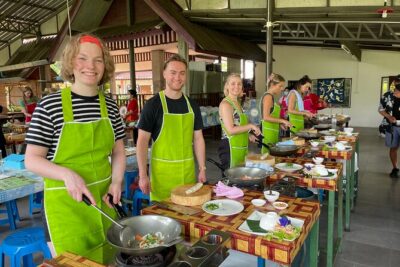
Half-Day Thai Cooking Class at Organic Farm in Chiang Mai
Read our review →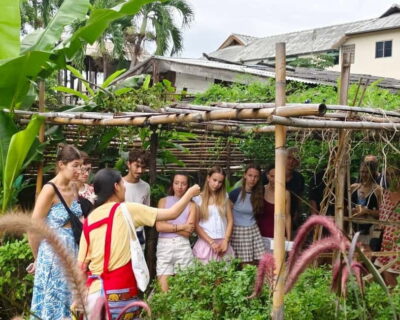
Cooking Class, Market & Thai Herbs Garden Tour
Read our review →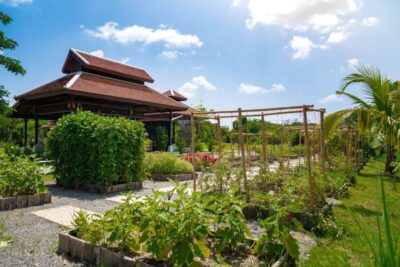
Authentic Cooking Class with Market & Farm Visit
Read our review →
Phuket Thai Cooking Class with Market Tour Option
Read our review →
Tingly Thai Cooking School Half-Day Cooking Class
Read our review →Browse the lists this tour appears in