
Review · COOKING CLASSES
Choose 5 Dishes: Half-Day Cooking Class in Sukhumvit with Market Tour
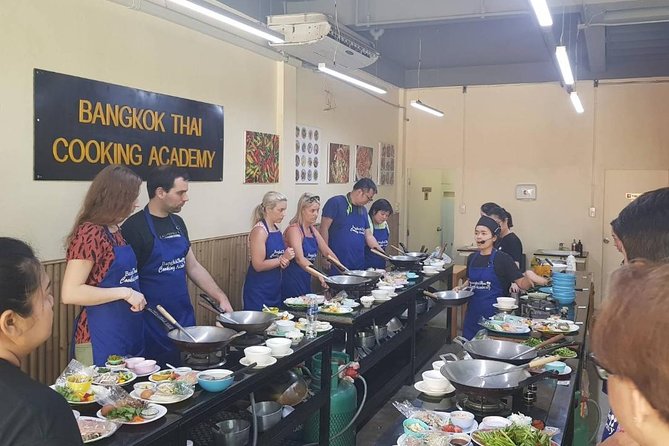
Thai flavors begin with a quick market walk, and you get to shop, cook, and eat five dishes without boiling in the kitchen. I love the hands-on menu where you pick your own 5 dishes, and I like that everything happens in a fully air-conditioned space. The only caution is that time is tight, so some ingredients may feel prepped or portioned already, which can leave less room for advanced technique talk.
If you want Thai food that makes sense, not just tasty bites, this class is built for you. You start at a large fresh market, learn what goes into Thai curries, salads, and noodles, then return to the kitchen to cook your selections from scratch as a small group. You’ll finish with what you made, plus dessert and fruit.
In This Review
- Why this cooking class is worth your time
- Market tour near Sukhumvit: ingredients you can actually name
- Picking your 5 dishes: the smartest part for picky eaters
- A small but important tip for choosing
- Curry paste day: the technique you’ll remember
- Soup, salad, noodles, and stir-fry: different skills, same logic
- Soup and salad: balancing sour, salty, and heat
- Appetizer, rice, and noodles: wok skills without chaos
- Stir-fry: quick cooking, real seasoning
- Clean, cool, and organized: why the kitchen setup matters
- About guide and teaching style
- What you end up eating: a complete Thai meal you can repeat
- Price and value: why $42.39 can feel like a steal
- Logistics that make the class easy to fit into Bangkok plans
- Who should book this half-day class (and who might want a different option)
- Should you book this cooking class in Sukhumvit?
- FAQ
- How long is the cooking class?
- Where do I meet and how do I get there?
- How many dishes do I cook?
- Can I choose the class time and menu options?
- Is there a vegetarian option?
- Do they cook with MSG?
- Can I cancel for a full refund?
Why this cooking class is worth your time
- Choose-your-own 5-dish meal: curries, soup/salad, rice/noodles, stir-fry, and dessert, all from options (20-plus choices).
- Market tour that teaches the why: you see the ingredients used in Thai cooking before you touch the woks.
- Comfortable cooking in Bangkok: frying, prepping, and eating happen in air conditioning, near BTS On Nut.
- No MSG promise: the school specifically says it does not cook with monosodium glutamate.
- Small group feel: capped at 16 travelers, with lots of staff help along the way.
- You get recipes to take home: internet access to recipes and videos, not just vague tips.
Market tour near Sukhumvit: ingredients you can actually name
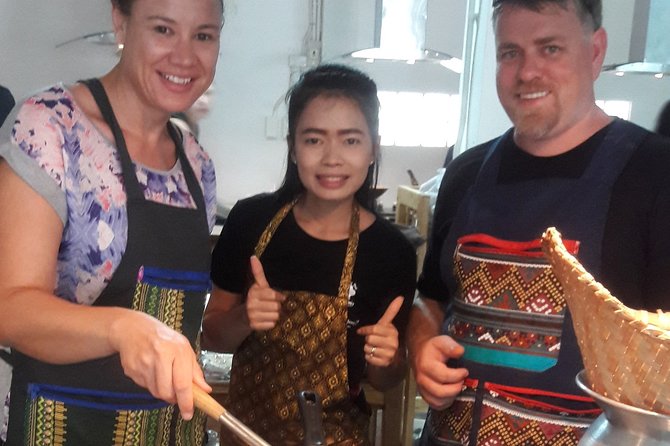
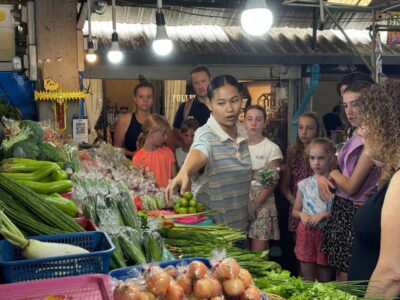
Most cooking classes teach you how to cook. This one starts earlier, with what you’re cooking with. You meet at On Nut BTS Station, then go for a walk to a large fresh market. The point is simple: Thai food is built on a handful of key flavors and aromatics, and once you can recognize them, cooking back home becomes way less intimidating.
In the market, you’ll see typical ingredients used across the dishes you can choose. That matters because Thai recipes often hinge on combinations, not one magic ingredient. You’re looking at herbs, aromatics, and produce that show up again and again in curry pastes, salads, and noodle sauces.
I also like the pace. The walk is short, and it sets you up for action in the kitchen. You’re not stuck staring at ingredients like a tourist. You’re learning what each one is for, so when you start chopping, it clicks faster.
There’s also a practical upside: meeting near BTS means you can show up without a taxi hunt, even if you’re juggling plans in Sukhumvit. If you’ve ever had cooking class logistics eat your energy in Bangkok, you’ll appreciate this setup.
More Cooking Classes in Bangkok
- Bangkok: Hands-on Thai Cooking Class and Market Tour
★ 4.9 · 1,614 reviews - Bangkok: Tingly Thai Cooking School Half-Day Cooking Class
★ 4.9 · 1,191 reviews - Bangkok: Maliwan Thai Cooking Class with Market Tour
★ 4.9 · 1,133 reviews
Picking your 5 dishes: the smartest part for picky eaters
One of the best value features here is control. You pick 5 dishes from a menu of more than 20 options. That transforms the class from a generic Thai cooking demo into something that feels customized to your tastes.
Here’s the structure, and why it works:
You choose a curry base + chicken option (one of these):
- Green curry
- Panang
- Massaman
- Khao Soy
Then you choose one soup or salad (one of these):
- Tom Yum Goong
- Tom Kha Gai
- Som Tam
Next you choose one appetizer plus rice/noodles (pick one):
- Pad Thai
- Pineapple Fried Rice
- Pad See Ew
Then you choose one stir-fry (pick one):
- Chicken with Cashews
- Black Pepper Beef
- Minced Chicken with Spicy Basil
Finally, everyone gets dessert:
- Mango with Sticky Rice
If you’re the type who wants variety on the plate, this lineup is great. It covers sweet, sour, spicy, herby, creamy, and smoky flavors in one sitting. If you’re cooking in a group with different preferences, it also makes choosing easier. You can steer the meal toward what you know you’ll like.
Vegetarian options are available too. The class is built around choices, so it’s a better fit than rigid menus for people who don’t eat meat.
A small but important tip for choosing
If you’re unsure where to start, go with one curry and one noodle dish that you actually want to eat again later. The curry paste and flavor base you learn tends to be the hardest concept. Make it one you care about, because you’ll be able to use it.
Curry paste day: the technique you’ll remember
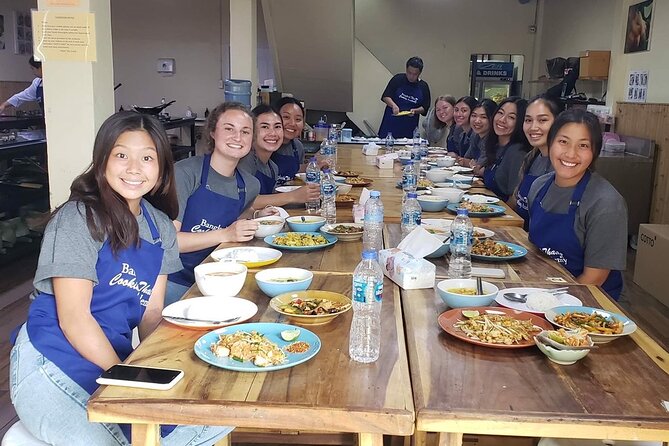
This is the heart of the lesson. You’ll prepare curry paste and then cook your curry with chicken (depending on your curry choice). Thai curry isn’t just heat. It’s balance.
The class is very structured around that idea. You’re guided through what goes into the paste, how it behaves in the pan, and how flavor develops as it cooks. You also get to see how different curries shift the profile even though the general method overlaps.
You might choose green curry and get a sharper herbal, bright profile. Panang tends to feel richer and more aromatic. Massaman usually reads warmer and more grounded. Khao Soy often brings a unique mix of creamy and tangy notes. Even if you’re not memorizing flavor charts, this is where the market tour pays off.
And yes, the instruction is hands-on. You’re not just watching someone else do the key steps. The class is designed for you to do the cooking.
One detail I really like: the school explicitly says it does not cook with monosodium glutamate. That matters if you’re trying to understand flavors without the shortcut of MSG. The menu still uses lots of standard Thai seasonings, but the No MSG promise gives you confidence the taste should come from the ingredients and method.
More Market Tours in Bangkok
- Bangkok: Damnoen Saduak Market and Maeklong Railway Market
★ 4.5 · 26,723 reviews - The Old Siam: Damnoen Saduak and Maeklong Railway Market
★ 4.5 · 10,992 reviews - Bangkok: Train Market & Floating Market with Boat Ride
★ 4.7 · 9,547 reviews - Bangkok: City Highlights Temple and Market Walking Tour
★ 4.5 · 3,990 reviews
Soup, salad, noodles, and stir-fry: different skills, same logic
The second half of the cooking lesson is about variety, and that variety builds skills. Each dish teaches a different kind of timing.
Soup and salad: balancing sour, salty, and heat
If you choose Tom Yum Goong or Tom Kha Gai, you’re working with soups where aromatics and citrusy sour notes matter. If you choose Som Tam, you’re in the realm of crunchy, punchy, spicy-sour salad flavors. The big takeaway is that Thai sourness and heat aren’t one-note. They show up in layers, not just chili flakes.
The class also supports spice control. One review notes you can control the spice level on every dish, which is a huge practical win if you’re traveling with someone who worries about spice or if you want flavor without the burn.
Appetizer, rice, and noodles: wok skills without chaos
Your noodle or rice choice could be Pad Thai, Pineapple Fried Rice, or Pad See Ew. Fried rice and noodles sound easy until you’re managing heat, timing, and sauce ratios. This class keeps it manageable. You get clear instructions and guided steps so you can finish with food that looks like Thai home cooking, not a kitchen experiment.
Stir-fry: quick cooking, real seasoning
Your final savory choice might be Chicken with Cashews, Black Pepper Beef, or Minced Chicken with Spicy Basil. Stir-fries are where Thai food shows its speed. You’ll learn how to keep ingredients moving, how to avoid soggy results, and how seasoning lands in hot oil.
Also, because you’re making multiple dishes, you get a sense of how Thai dishes can share flavor DNA while still being distinct.
Clean, cool, and organized: why the kitchen setup matters
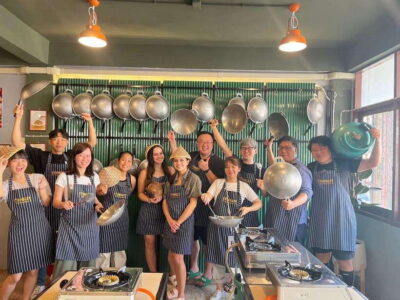
In Bangkok, cooking can get sweaty fast. This class is designed to avoid that. The kitchen is fully air conditioned, and that changes everything. You can focus on chopping, stirring, tasting, and adjusting without being drained.
Organization also shows up in how your meal gets assembled. People describe the class as efficient and very organized. One thing you’ll notice is that the kitchen time is used for cooking, not long lectures. That’s a good thing if you want to eat and learn in the same afternoon.
The school also runs with a small group size, maximum 16 travelers. Smaller groups often mean you get more hands-on time and more ability to ask questions without feeling rushed.
About guide and teaching style
I like that the class has a team setup. In feedback, chefs and sous chefs show up by name in a couple of stories, including Chef R and Chef Liki. Even if you don’t meet the same teacher, that naming pattern usually signals consistent teaching quality.
What you end up eating: a complete Thai meal you can repeat
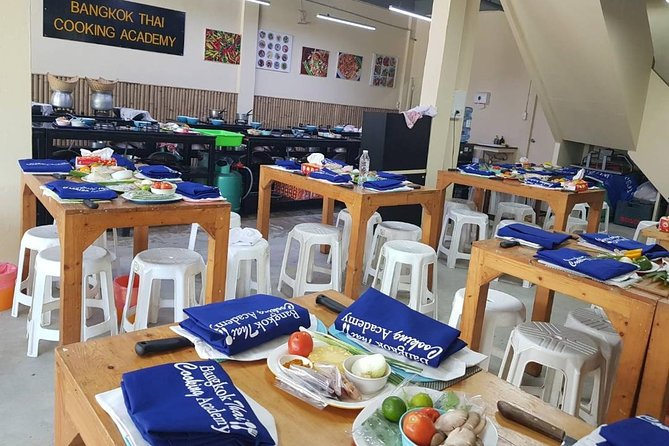
Your meal is the point. At the end, you eat what you cooked, plus there’s complimentary dessert and fruit.
You’ll likely leave with more food than you expected. The menu structure also helps: curry plus soup or salad plus noodles or rice plus stir-fry means you don’t end up with one lonely dish. You get a spread that makes sense together, like a proper Thai meal rather than random plates.
Dessert is Mango with Sticky Rice. If you’ve had sticky rice before and it was too plain, you’ll like this one more. It’s a classic pairing with Thai mango flavor, and it finishes the meal on a sweet note.
There’s also mention of take-home options, like a takeaway bag. That’s a smart move in a city where you’ll want to keep exploring right after. Even if you don’t take food home, plan to pace yourself. Cooking five dishes is work, and the portions are generous.
Price and value: why $42.39 can feel like a steal
$42.39 for about 3 hours 30 minutes might sound like a casual activity. It’s not. You’re paying for real cooking instruction, ingredient handling, kitchen time, and a full meal you actually eat.
Here’s where the value comes from:
- Hands-on cooking across multiple dish categories, not one recipe.
- Market tour included, so you’re learning ingredients before you cook.
- Recipes and videos via internet access, which helps you recreate food later.
- Air-conditioned kitchen time, which is a luxury in Bangkok.
- No MSG promise, which matters for people who care about ingredient choices.
You’re also getting something that many cheap cooking classes don’t provide: choice. When you can pick your dishes, you’re more likely to learn techniques that match what you want to eat. That improves the odds you’ll cook again at home.
If you’re comparing costs in Bangkok, think of this as a meal plus skill-building workshop, not just a souvenir class.
Logistics that make the class easy to fit into Bangkok plans
This class earns points for practical logistics.
You meet at On Nut BTS Station, which is a good anchor point in Sukhumvit. The school is described as convenient and easy to find, near BTS, so you can skip taxi stress. A mobile ticket is used, which is helpful when you’re juggling Thai transit and short time windows.
There’s a choice of morning or afternoon class. That matters because Bangkok is hot in the middle of the day, and some people prefer cooking earlier when energy is higher.
Also, the class ends back at the meeting point. That makes it simple to continue your day without inventing new transport plans.
Who should book this half-day class (and who might want a different option)
This is a great fit if you:
- want a hands-on cooking experience, not a spectator class
- like Thai variety and want to cook a full meal
- care about ingredient choices and flavor balance
- value comfort in a Bangkok kitchen, air conditioning included
- are cooking with someone with spice preferences, because spice level can be controlled
It might be less perfect for you if you’re:
- looking for advanced, theory-heavy technique lessons (some ingredients may already be portioned to keep timing smooth)
- expecting a super in-depth chemistry or lecture-style approach, since the focus is on cooking and getting you fed
That drawback isn’t a deal-breaker. It just helps you set expectations. This is built to get results, not to run a culinary school seminar.
Should you book this cooking class in Sukhumvit?
I’d book it if you want Thai food skills you can use quickly, with a meal that actually tastes like Thailand, not generic tourist recipes.
The biggest reasons are the choice of dishes, the market tour that gives context, and the fact that you cook in air conditioning near BTS On Nut. For the price, you’re getting a complete Thai meal plus structured instruction across curries, soups or salads, noodles or rice, and stir-fry.
If you want one Thai cooking class that fits into a busy Bangkok itinerary without turning your day into logistics, this is a strong pick.
FAQ
How long is the cooking class?
The experience runs about 3 hours 30 minutes.
Where do I meet and how do I get there?
You start at On Nut BTS Station. The class is near a BTS station, so you typically do not need a taxi.
How many dishes do I cook?
You pick 5 dishes to learn and cook.
Can I choose the class time and menu options?
Yes. You can choose either a morning or afternoon class, and you choose your dishes from the available options.
Is there a vegetarian option?
Vegetarian options are available.
Do they cook with MSG?
The school states they do not cook with monosodium glutamate.
Can I cancel for a full refund?
Yes, you can cancel for a full refund if you cancel at least 24 hours before the experience’s start time.
More Markets in Bangkok
- Day Trip to Bangkok Floating Market & Maeklong Railway
★ 5.0 · 1,528 reviews - From Bangkok: Floating Market and Ayutthaya Guided Day Tour
★ 4.6 · 1,398 reviews - Bangkok: Railway and Floating Market Tour with Dragon Temple
★ 4.6 · 1,225 reviews - Floating & Railway Market and Coconut Farm Tour [Optional Luxury]
★ 5.0 · 835 reviews
More Shopping Tours in Bangkok
- Half-Day Railway Market and Floating Market Tour in Thailand
★ 4.5 · 3,924 reviews - Bangkok: Damnoen Saduak, Train Market & Mahanakhon Day Trip
★ 4.7 · 2,162 reviews - From Bangkok: Damnoen Saduak Floating Market Guided Tour
★ 4.4 · 2,020 reviews - Damnoen Saduak Floating Market and Maeklong Railway Market Tour
★ 4.5 · 1,588 reviews
Newest Bangkok reviews on the site
- Bangkok Dinner Cruise with Intl Buffet, Live Music & Hotel Pickup★ 4.5 · 12 reviews
- Half-Day Tour : PRIVATE Grand Palace & Temples★ 5.0 · 14 reviews
- Maeklong Railway and Damnoen Saduak Floating Market Tour★ 5.0 · 11 reviews
- The Luxury White Cruise Experience★ 3.5 · 34 reviews
- Luxury Dinner Cruise with Guide and Transfer (Opt. Executive Van)★ 5.0 · 9 reviews
- Bangkok Luggage Storage★ 4.5 · 37 reviews
- Bangkok Luggage Delivery from Hotel to Airport★ 5.0 · 25 reviews
- Baiyoke Sky Dinner Experience with Observation Deck Access★ 3.5 · 57 reviews
Cooking Classes, compared.
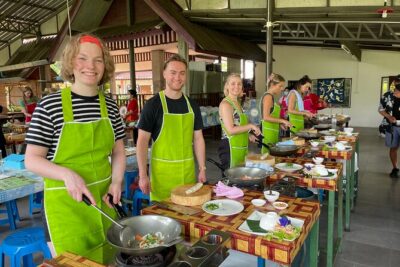
Half-Day Thai Cooking Class at Organic Farm in Chiang Mai
Read our review →
Cooking Class, Market & Thai Herbs Garden Tour
Read our review →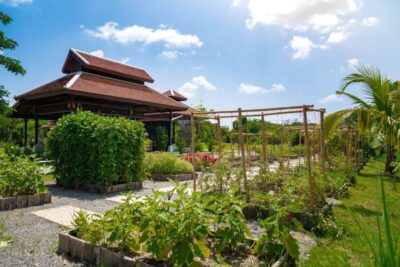
Authentic Cooking Class with Market & Farm Visit
Read our review →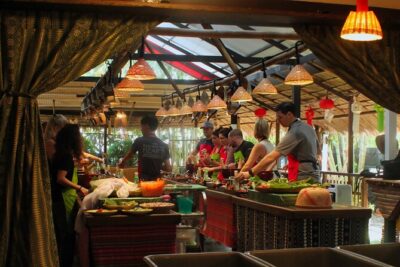
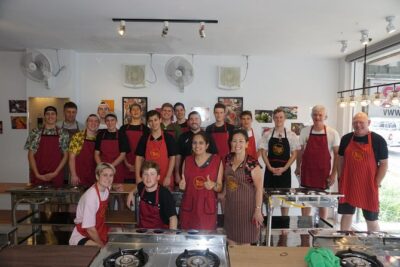
Phuket Thai Cooking Class with Market Tour Option
Read our review →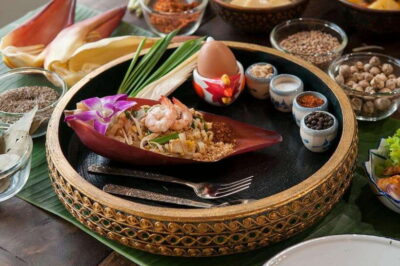
Tingly Thai Cooking School Half-Day Cooking Class
Read our review →Browse the lists this tour appears in