
Review · HIKING & TREKKING
1 Day Trekking in Chiang Rai forest (walk only)
A forest trek with real village life feels different. This 1-day walk blends Lahu and Akha hill tribe visits with bamboo cooking and time outside by waterfalls and hot springs. I especially like the hands-on bamboo lunch and the way the guides connect the trail to how people live nearby. One thing to plan for, the walk is hilly and can get slippery, so you’ll want solid shoes and a steady pace.
You’ll start near the hot springs, move through bamboo forest and community farmland, and then work your way toward Huai Kaew Waterfall for a swim and a proper break. I also really like that the day is led by energetic guides like Addie/Thor and June depending on your group, so the vibe stays upbeat even when the trail turns steep.
If your idea of a relaxing day means flat, easy paths, this may not be it. And the final hot springs stop can be more of a warm, simple basin than a full spa setup, so keep your expectations casual.
In This Review
- Key highlights worth waking up for
- The day starts at warm springs, then goes straight into the wild
- The jeep ride is short, the walking is the point
- Bamboo forest and community farmland: the in-between world
- Meeting the Lahu and Akha communities along the trail
- Huai Kaew Waterfall: swim time and a real break
- Bamboo cooking lunch: hands-on food, not just a meal
- Tea plantation and a Chinese village stop before heading back
- Pace and fitness reality check (so you’re not surprised)
- Who will love this trek most
- Price and value: what $57 includes (and why it matters)
- The hot springs ending: nice to cool off, not a luxury finish
- Should you book this Chiang Rai forest walk?
- FAQ
- How long is the walking portion?
- Where does the trek start?
- What language is the guide?
- What does the price include?
- What should I bring?
- Are there items I’m not allowed to bring?
- Who is this tour not suitable for?
- Will I be able to swim?
- What is the best way to handle bugs?
Key highlights worth waking up for
- Lahu and Akha hill tribe village visits that show everyday routines, not just a quick photo stop
- Bamboo cooking lunch served from handmade bamboo containers, plus cooking over an open fire
- Huai Kaew Waterfall (a big Chiang Rai drop) where swimming and cooling off are the point
- Forest trekking for about 5 hours on foot with rest breaks and built-in scenic stops
- Tea plantations and a Chinese village walk-through for extra variety beyond the jungle
- Guides who keep the day moving with plant spotting and lots of trail stories, often with hands-on bamboo work
The day starts at warm springs, then goes straight into the wild
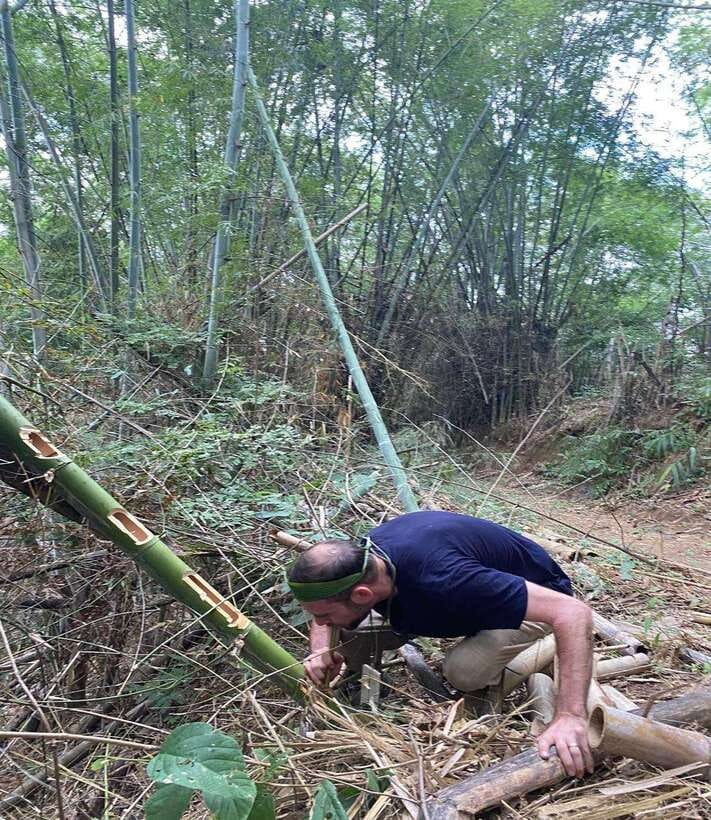
Most day trips in Chiang Rai begin with a temple, a market, or a viewpoint. This one begins at the hot springs area, so the day has a gentle start, then quickly turns into a real hike through forest. From there, your route pushes into bamboo forests and passes community farmland, so you’re not only walking through scenery. You’re walking through working land that supports the villages you’ll visit later.
That first stretch matters because it sets the rhythm. You get moving early, you see how the trail threads between bamboo and fields, and you learn what the guide expects from you on uneven ground. It also helps you arrive at the village portion feeling like part of the walk, not like you got shuffled from one stop to another by van.
More Hiking Tours in Chiang Rai
- Chiang Rai: Jungle Adventure-Group Trekking & Bamboo Cooking
★ 4.9 · 166 reviews - Authentic trek only walk in Chiang Rai jungle
★ 5.0 · 90 reviews - Chiang Rai: 1-Day Trekking and Longtail Boat Trip
★ 4.9 · 53 reviews
The jeep ride is short, the walking is the point
You’ll ride in a Jeep or SUV for about 40 minutes before you’re back in Chiang Rai at the end of the day. The transport part is meant to connect you to the trail, but the experience is clearly built around walking only. The total walking time is about 5 hours, which is long enough to feel like a trek, but not so long that you’re out all day in pain.
Why that balance is good: you get a full sense of Chiang Rai’s green side without needing extreme endurance training. It’s also a big deal for comfort, because the day includes a lot of stops where you can regroup, drink water, and reset your legs.
One consideration: some slopes are steep or rocky, and a few areas can be slippery. If you have motion issues, shaky ankles, or you hate scrambling, you’ll feel it. One practical move is to treat this like a nature hike, not a casual stroll, and pick hiking shoes you can trust.
Bamboo forest and community farmland: the in-between world
After the start, the route moves through bamboo forests and then into community farmland areas. This part of the walk often gets overlooked because people wait for the village or waterfall. But I think it’s one of the best parts, because it shows how the ecosystem and people connect.
Bamboo is more than a pretty jungle material. On this trek, it’s part of how people live and cook later in the day. If your guide has time to point things out, you may hear about local plants and how bamboo can be used to find water or build simple tools. Even if you just watch and listen, this in-between section helps you understand what you’ll see later: villages are not in a different world from the forest. They’re tied to it.
Also, the farmland moments add texture. Instead of only shade and trunks, you get open patches, different ground conditions, and a more varied walking experience.
Meeting the Lahu and Akha communities along the trail
The heart of this day is the walk to Lahu and Akha hill tribe villages to see daily life up close. This isn’t a theme-park performance. You’re passing through the real setting where households, routines, and local knowledge exist alongside the trek.
You should be respectful, quiet when appropriate, and ready for a slower pace while you’re inside village spaces. It helps to remember that you are the visitor. The trail is moving, but the village is someone’s home.
What I like about this part of the day is that it changes the meaning of your hiking. The trek stops being only a workout. It becomes a cultural and environmental walk at the same time. You can also pick up context from your guide, especially if they’re sharing how people use the forest and nearby resources.
A few more Chiang Rai days to weigh up
- Akha & Lahu village trekking 1 day
★ 4.8 · 18 reviews - 1 Day trekking : Chiang Rai popular activity,Fun in Nature.
★ 4.8 · 18 reviews - Chiang Rai: 2-Day Jungle Trek only walk with Waterfall
★ 4.8 · 17 reviews - Chiang Rai Trek: 4 Hilltribes Villages & Waterfall Only Walk
★ 4.8 · 8 reviews
Huai Kaew Waterfall: swim time and a real break
After the villages, you head toward Huai Kaew Waterfall, described as the second largest waterfall in Chiang Rai Province. This is where the day shifts into pure fun, because swimming and relaxing are part of the plan.
Waterfall time is a smart inclusion for a walk like this. It breaks up the effort when your legs start to feel it, and it gives you a reason to slow down without feeling like the tour is dragging. The waterfall stop also works as a reset for photos, snacks, and just drying off in the sun or shade depending on conditions.
One practical note: conditions can vary with weather, and water can be slippery around rocks. Treat it like a natural area you approach carefully. If you’re unsure about your swimming comfort, just cool your feet and hang around the edge. There’s still plenty to enjoy.
Bamboo cooking lunch: hands-on food, not just a meal
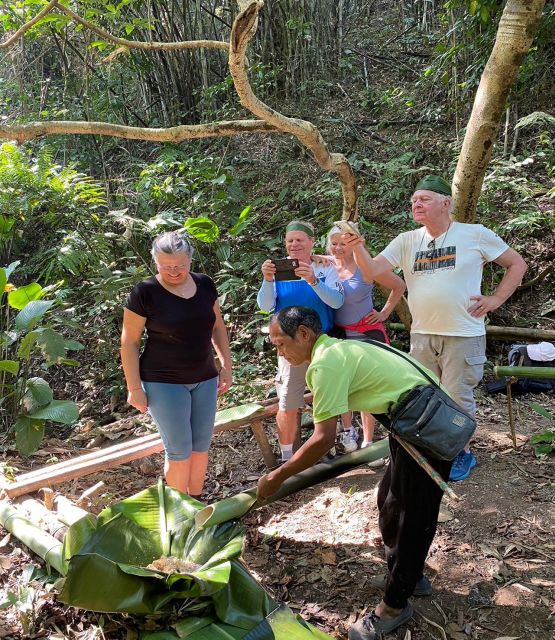
The lunch is one of the strongest reasons this trek is worth your money. After the waterfall playtime, you make bamboo lunch using handmade bamboo containers. You’re not only eating. You’re seeing how the cooking works, and that makes the food feel more connected to the day.
Bamboo cooking can sound like a gimmick if you only hear the name. But on this trek it’s tied to the forest itself. You’re carrying the story in your mind from the bamboo forest earlier in the day, then you’re literally cooking with it later. That link is the whole point.
What you might eat can vary, but one review described roasted pork cooked on a spit plus soup and an egg dish. Other parts of the cooking experience are consistent: open-fire cooking, bamboo preparation, and plenty of chance to watch how it all comes together.
For me, this is the difference between a “walk and eat” tour and a real outdoor experience. You go home with the memory of how you built the meal, not just a full stomach.
Tea plantation and a Chinese village stop before heading back
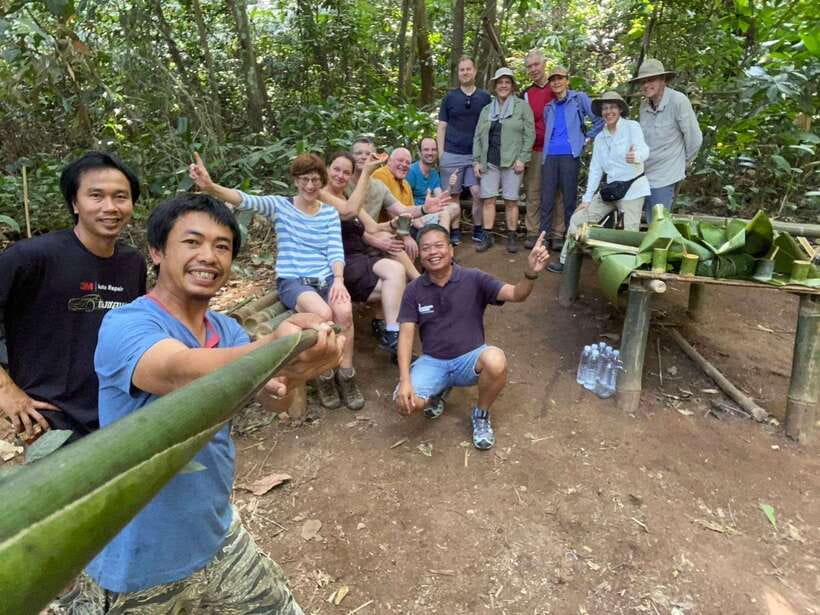
After lunch, the day continues with additional variety. You may walk through tea plantations, which helps you trade the thick jungle feel for a more open, agricultural landscape. Then there’s time to walk to a Chinese village area before returning to the hotel.
These stops matter because they reduce the risk of the day blending together. Your brain can rest when the scenery changes. It also adds a layer beyond the tribes and waterfalls, since you get to see different kinds of rural life.
It’s still a walking day, so keep your energy steady. If you’re someone who gets frustrated with constant movement, this is where you’ll want to focus on the small wins: the views, the shade breaks, and the fact that the terrain is slowly shaping your day, not just draining it.
Pace and fitness reality check (so you’re not surprised)
This trek is about balance: strenuous enough to feel like an achievement, but structured enough that most people can manage with the right attitude. One person at an average fitness level in their late 40s handled the walking fine, and others said the trekking felt strenuous but not impossible with rest spots along the way.
That said, the trail includes steep and rocky sections. Some paths may be slippery, especially in wet conditions. If you deal with mobility limits, you might feel uncomfortable here. If you’re comfortable walking downhill on uneven ground, you’ll likely enjoy the challenge.
My practical advice:
- Wear hiking shoes with grip, not thin sneakers
- Bring swimwear for the waterfall portion
- Pack a plan for insects, using biodegradable insect repellent since that’s what’s recommended
- Expect about 5 hours of walking, and treat it like a workout with breaks, not a gentle stroll
Who will love this trek most
This tour fits best if you want a day that’s hands-on and outdoorsy. You’ll likely enjoy it if:
- you like nature and don’t mind hiking in bamboo and forest shade
- you’re curious about Lahu and Akha village life and how communities connect to the land
- you want more than scenery, and you care about learning through a guide’s explanation
- you enjoy food experiences that involve making something, not just receiving it
It may not be the right match if you want mostly flat walking, or if you’re very sensitive to uneven ground. The walk is also not suited for babies under 1 year, and it’s listed as not for people over 95 years.
Price and value: what $57 includes (and why it matters)
At $57 per person, the value comes from what’s bundled into that price. You get:
- hotel pickup and drop-off in the Chiang Rai city area
- transportation (about a 40-minute Jeep or SUV ride)
- a live English and Thai tour guide
- bamboo cooking
- water
- insurance
For a 1-day experience, that combination is a big deal. You’re not paying extra for guide time, transport to the trail access point, or the food-cooking activity. The bamboo lunch experience is also a meaningful part of the day, not an add-on.
Could it be cheaper if you DIY it? Maybe, but DIY won’t replicate the guide-led village access, the cooking setup, and the practical knowledge that helps you move safely on the trail. In short, you’re paying for a full-day experience that ties culture, jungle, and food into one flow.
The hot springs ending: nice to cool off, not a luxury finish
The tour ends back near the Chiang Rai area with a hot springs stop. For many people, it’s a perfect final moment. After hours of walking, your legs appreciate warm water and a chance to sit.
Still, temper expectations. One experience described the hot springs as more like warm springs in a cement basin. Another note said the hot pool was under construction during that visit. So think of this as a practical cooldown, not a spa day with big facilities.
If you go in with that mindset, you’ll feel satisfied rather than disappointed.
Should you book this Chiang Rai forest walk?
I’d book it if you want an active day that mixes forest trekking, hill tribe village visits, and bamboo cooking, with a real chance to swim at Huai Kaew Waterfall. The guides seem to be a major strength, often bringing energy, humor, and hands-on skills like bamboo work and plant or survival-style explanations.
Skip it or reconsider if you strongly prefer flat ground, if you have difficulty on steep or slippery trails, or if you expect the hot springs to be a major, resort-style attraction. This is outdoors first, comfort second.
If you’re a good walker and you enjoy learning while moving, it’s a smart way to see rural Chiang Rai in one day.
FAQ
How long is the walking portion?
Total walking time is about 5 hours for the full day experience.
Where does the trek start?
The walk starts from the hot springs area.
What language is the guide?
The live tour guide speaks English and Thai.
What does the price include?
Included items are hotel pickup and drop-off in Chiang Rai city, transportation, a tour guide, bamboo cooking, water, and insurance.
What should I bring?
Bring swimwear, hiking shoes, and biodegradable insect repellent.
Are there items I’m not allowed to bring?
Baby carriages and electric wheelchairs are not allowed.
Who is this tour not suitable for?
It is not suitable for babies under 1 year and people over 95 years.
Will I be able to swim?
Yes, at Huai Kaew Waterfall you can swim and relax.
What is the best way to handle bugs?
Use biodegradable insect repellent, which is specifically recommended for this trip. Energy drinks are not included, so plan water or other needs accordingly.
More Walking Tours in Chiang Rai
- Bangkok: City Highlights Temple and Market Walking Tour
★ 4.5 · 3,990 reviews - Bangkok: Grand Palace and Wat Phra Kaew Guided Walking Tour
★ 4.4 · 2,417 reviews - Bangkok: Wat Pho and Wat Arun Guided Walking Tour
★ 4.6 · 1,720 reviews - Chiang Mai: 3 Hour Old City and Temples Guided Walking Tour
★ 4.6 · 1,568 reviews
Newest Chiang Rai reviews on the site
- Private trip Chiang Rai Day trip, White Temple, Blue temple★ 4.8 · 13 reviews
- JOIN TOUR 1 day trip around Chiang Rai included lunch buffet★ 5.0 · 6 reviews
- From Chiang Rai: The best of Chiang Rai with Spanish Guide★ 4.8 · 15 reviews
- From Chiangrai: Slow Baot to Loas (Luangprabang) 2-Day Tour★ 4.4 · 56 reviews
- From Chiang Mai : 3 Temples & Golden Triangle with Lunch★ 4.5 · 17 reviews
- Explorer Border road and Nature ( Tea and Coffee )★ 4.7 · 21 reviews
- Explore the Chiang Rai and the Golden Triangle★ 4.6 · 18 reviews
- Chiang Rai: Full-Day Customizable Private Tour★ 4.8 · 104 reviews
Hiking & Trekking, compared.
3-in-1: Doi Inthanon Tour, Elephant Sanctuary, and Trekking Trail
Read our review →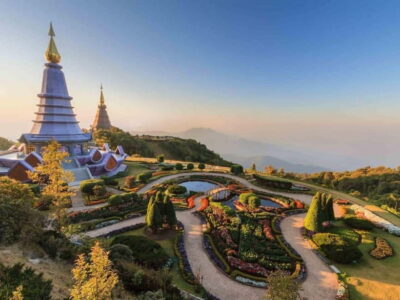
Doi Inthanon Trip with Pha Dok Siew Guided Trek
Read our review →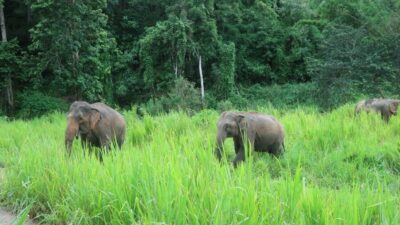
2-Day Jungle Trek with Elephant Farm & Raft Ride
Read our review →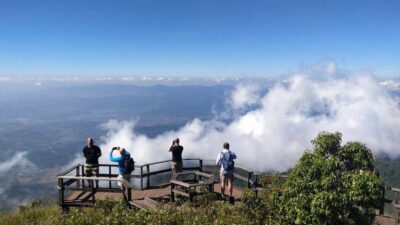
Doi Inthanon Park with Kew Mae Pan Hike Day Trip
Read our review →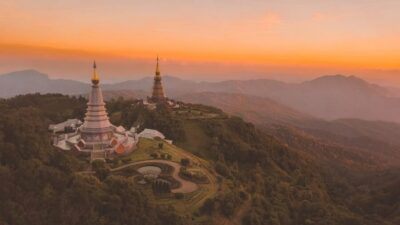

Browse the lists this tour appears in