
Review · HIKING & TREKKING
Chiang Rai: 2-Day Jungle Trek only walk with Waterfall
Jungle lessons, then a swim. This Chiang Rai jungle trek puts you in the trees with a guide and hands-on survival skills, including the carry-and-use feel of a traditional jungle knife. You are not stuck watching from the sidelines, you learn by doing.
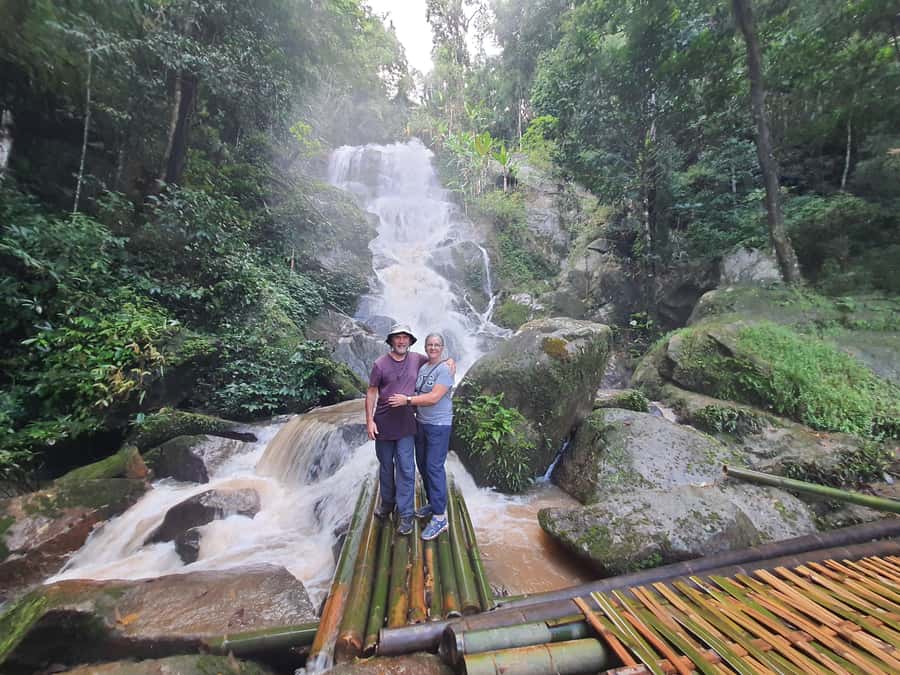
What I like most is the combo of waterfall time plus a mountain-style overnight in the Akha village, then another trek day toward a hot spring soak. One thing to consider: this is moderate trekking with about 10 km each day, and the waterfall swim can depend on conditions and effort level.
In This Review
- Key highlights worth marking on your map
- From pickup to boots on the trail: how this 2-day trek really works
- Jungle knife skills, bamboo cups, and chopsticks you make yourself
- Day 1: hot spring start, Lesu village lunch, tea plantation waterfall swim, Akha homestay
- Day 2: bamboo cooking lunch, Lahu village, and the Pasoet hot spring pool
- Waterfall and hot spring time: what to expect, and how to plan your gear
- Meals in the jungle: 4 included meals that teach you how people eat
- Sleep in the Akha village: simple comfort and what to do about it
- The guide experience, and why Mo and R U kept coming up
- Price, included value, and what costs extra in Chiang Rai
- Who should book this trek, and who should skip it
- Should you book? My practical take on the value
- FAQ
- How long is the Chiang Rai jungle trek?
- What is the group size and language?
- About how much do I walk each day?
- What meals are included?
- Is the hot spring swimming included, and what does it cost?
- Where do I stay overnight?
- What should I bring for the trek?
- Is the tour refundable if I need to cancel?
Key highlights worth marking on your map
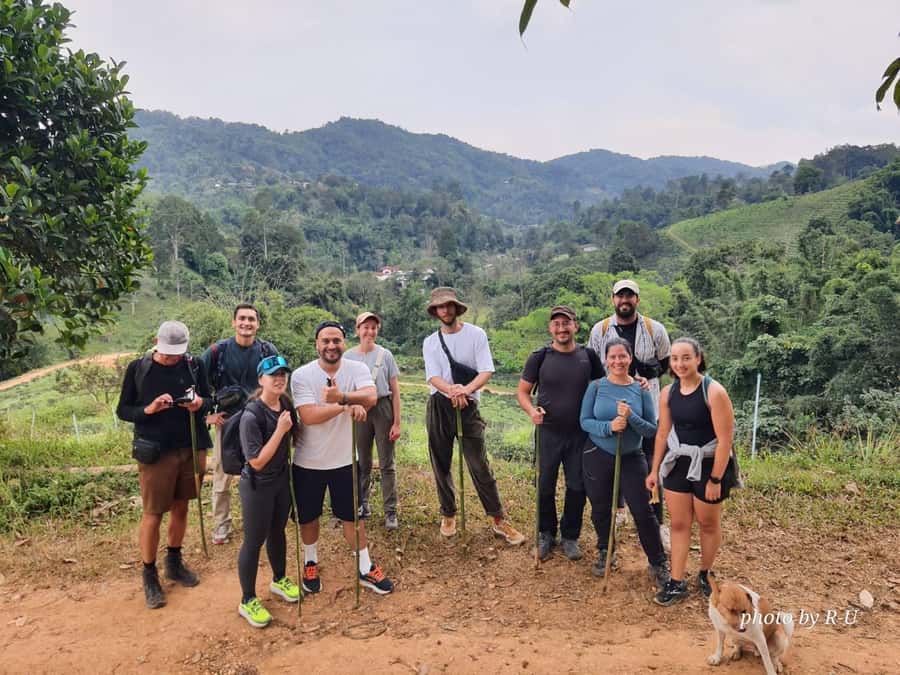
- Hands-on jungle survival with a traditional long-bladed jungle knife, plus bamboo cups and chopsticks
- Water breaks built in, including a waterfall swim and a hot spring pool on Day 2
- Hill-tribe village visits across Lesu, Chinese, Akha, and Lahu communities
- Bamboo cooking lunch prepared using natural resources, not lots of gear
- Small-group pace limited to 10 people, with an English-speaking guide
- Village-style overnight in the Akha area, with simple sleeping setups
From pickup to boots on the trail: how this 2-day trek really works
The tour runs for 2 days, and the day-by-day rhythm matters. You get hotel pickup and drop-off from downtown Chiang Rai within about 3 km, and you meet between 9:00 and 9:30 a.m. so you can get moving early enough to enjoy the jungle daylight.
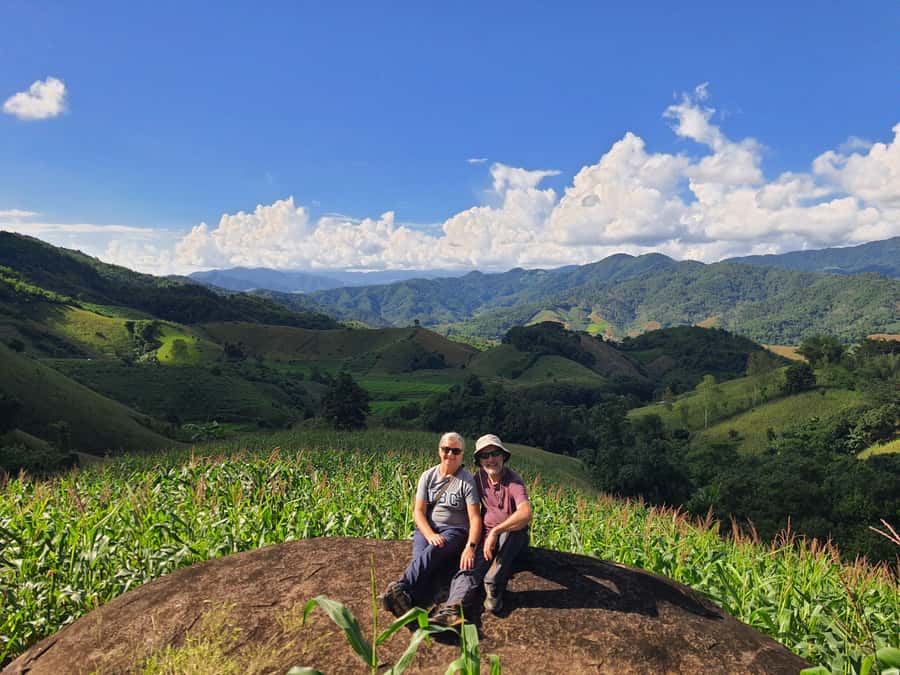
Then it is trekking, village life, and food made with local methods. You will walk roughly 10 km each day. That is not a “stroll in the forest” number. Expect some incline, uneven ground, and the steady work of moving through mountain jungle paths. A small group helps here. With a maximum of 10 participants, the guide can slow down for questions, rest breaks, and group spacing when the trail gets tricky.
This is also a culture-and-nature day, not just “pretty scenery.” You visit multiple hill-tribe villages, learn how people use plants and natural tools, and get a practical understanding of how meals and simple items happen in the jungle. If you like your travel hands-on, this kind of trip tends to stick with you.
Quick reality check on comfort: wear comfortable trekking shoes and bring the basics listed for the trip, especially insect repellent, sunscreen, and a swimwear + towel combo. When the itinerary says swim, you want to be ready without rushing.
More Hiking Tours in Chiang Rai
- Chiang Rai: Jungle Adventure-Group Trekking & Bamboo Cooking
★ 4.9 · 166 reviews - 1 Day Trekking in Chiang Rai forest (walk only)
★ 4.9 · 95 reviews - Authentic trek only walk in Chiang Rai jungle
★ 5.0 · 90 reviews
Jungle knife skills, bamboo cups, and chopsticks you make yourself
The core magic of this trek is that you learn jungle survival using everyday tools. Instead of treating the jungle like a museum, the guide shows how people make use of what they find. One of the most memorable parts is carrying a traditional long-bladed jungle knife (machete) and learning how it fits into tasks like cutting and shaping.
On Day 2 you get another hands-on moment: you cut bamboo cups and chopsticks and then cook lunch using bamboo. That matters because bamboo is not just a prop here. It is practical, flexible, and used the way people actually need it in the field. If you have ever wondered how meals work when you do not have a kitchen, this answers that question in a very tactile way.
You will also hear survival facts tied to what you see: plant uses, how people find resources, and why certain skills matter when you have limited tools. In the reviews, guides were praised for knowing the jungle and explaining it in a way that feels real, not like a script. Names that came up include Mo and R U, both described as relaxed, funny, and expert at jungle cooking and bamboo carving.
One practical tip: handle your items carefully and follow guide instructions. The tour rules include no touching plants, no littering, and no making fire. That is not just for etiquette, it keeps the experience safe and respectful.
Day 1: hot spring start, Lesu village lunch, tea plantation waterfall swim, Akha homestay
Day 1 begins with a drive to the hot spring. This is a nice warm-up because you get your first moment of relief before the trekking work starts. Then you move into the jungle with your guide sharing facts about the flora and fauna. You are walking and learning at the same time, so it does not feel like a museum walk. It feels like a guided field lesson.
Next comes the Lesu village where lunch is served. Village lunch is part of why this trek is worth more than a basic nature hike. You get a cultural pause instead of only climbing and descending. After lunch, the trek continues toward the Chinese village, where you can see a large tea plantation and a waterfall.
Tea plantation views are a big reason this route feels different from “generic jungle.” You also get your first waterfall swim break. The best way to think about this: it is not a spa outing in a resort setting, it is a refreshing reset built into the walk.
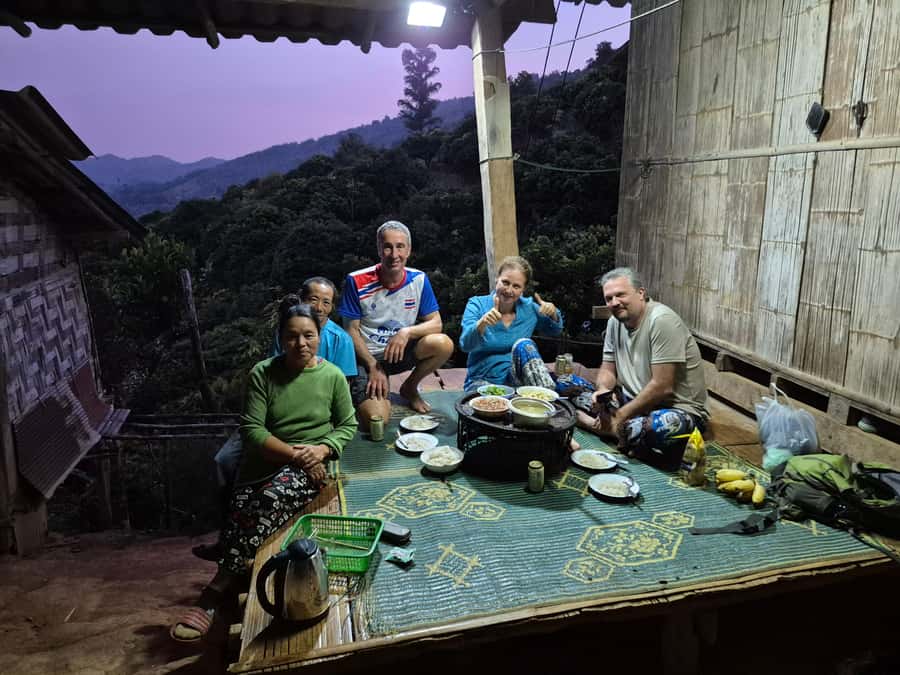
From there you trek on to the Akha village for an overnight stay. This is a homestay style experience, meaning sleeping and daily life follow the village rhythm. A review described the bed situation as more like thin padding on a bamboo floor, so you should mentally prepare for simple comfort, not hotel bedding.
Day 2: bamboo cooking lunch, Lahu village, and the Pasoet hot spring pool
Day 2 starts with leaving the village and heading back into the mountains. You keep trekking through the jungle, and you get another round of “how do they do this?” learning. Cutting bamboo cups and chopsticks and cooking lunch in bamboo is the star here, because you carry the process in your hands from shaping to eating.
After lunch, the route continues toward the Lahu Village in the high mountains. This is another cultural shift in the itinerary, not just scenic hopping. You get more chances to learn how different communities live and use their environment.
Then comes the Pasoet Hot Spring, where you can swim in a hot spa pool. This is where the trek pays you back. After two walking-heavy days, you end with water that loosens you up and lets the day feel like a full story instead of a half-day hike.
One small budgeting detail: the hot spring swimming pool has a ticket cost listed as 100 Baht, and it is not included. Bring cash so you do not have to scramble at the end of a tiring day.
A few more Chiang Rai days to weigh up
- Chiang Rai: 1-Day Trekking and Longtail Boat Trip
★ 4.9 · 53 reviews - Akha & Lahu village trekking 1 day
★ 4.8 · 18 reviews - 1 Day trekking : Chiang Rai popular activity,Fun in Nature.
★ 4.8 · 18 reviews - Chiang Rai Trek: 4 Hilltribes Villages & Waterfall Only Walk
★ 4.8 · 8 reviews
Waterfall and hot spring time: what to expect, and how to plan your gear
This trek is built around water, but it is not a guarantee that everything feels identical on every day. The program includes a waterfall swim on Day 1 and a hot spring pool swim on Day 2. You should pack for both, because the tour specifically asks you to bring swimwear and a towel.
The hot spring pool part has two practical angles:
- The ticket fee is 100 Baht, and it is not included.
- You will likely want a quick rinse routine, so plan a change of clothes after swimming.
For the waterfall: in one rating, a person felt the waterfall and swim were not as good as expected and even could not swim due to conditions. That is one reason I suggest you treat the waterfall as a bonus, not the only reason to choose this trek. The best value comes from the mix of jungle skills, village time, and the overall walking route through tea, bamboo areas, and mountain trails.
Gear list that helps you enjoy the water without stress:
- Swimwear, towel, and change of clothes
- Sunscreen and a hat, because you can still get sun while the group is walking
- Reusable water bottle, since drinking water is included but you will want to sip steadily
Meals in the jungle: 4 included meals that teach you how people eat
Food is a big part of what makes this trek feel authentic, not staged. The tour includes 4 meals across the two days:
- Lunch Day 1
- Dinner Day 1
- Breakfast Day 2
- Lunch Day 2
On Day 2, the lunch connects directly to the hands-on bamboo work. You cut bamboo items and cook lunch using bamboo and natural resources. That is a fun shift from typical tours where you only watch the cooking. Here, you are part of the process.
Dinner Day 1 also matters because it is part of the homestay atmosphere. Some reviews mention very welcoming families and a dinner that can turn into laughter with local children, including song and dance. You should not expect a guaranteed performance every night, but it tells you the vibe can be warm and participatory.
One more point I appreciate: the tour includes drinking water and a guide, which helps meals feel connected to the day instead of becoming another logistical task.
You still should consider bringing snacks if you like extra calories between meals. The tour lists snacks as something to bring, and at 10 km walking days, a little buffer makes the trek more pleasant.
Sleep in the Akha village: simple comfort and what to do about it
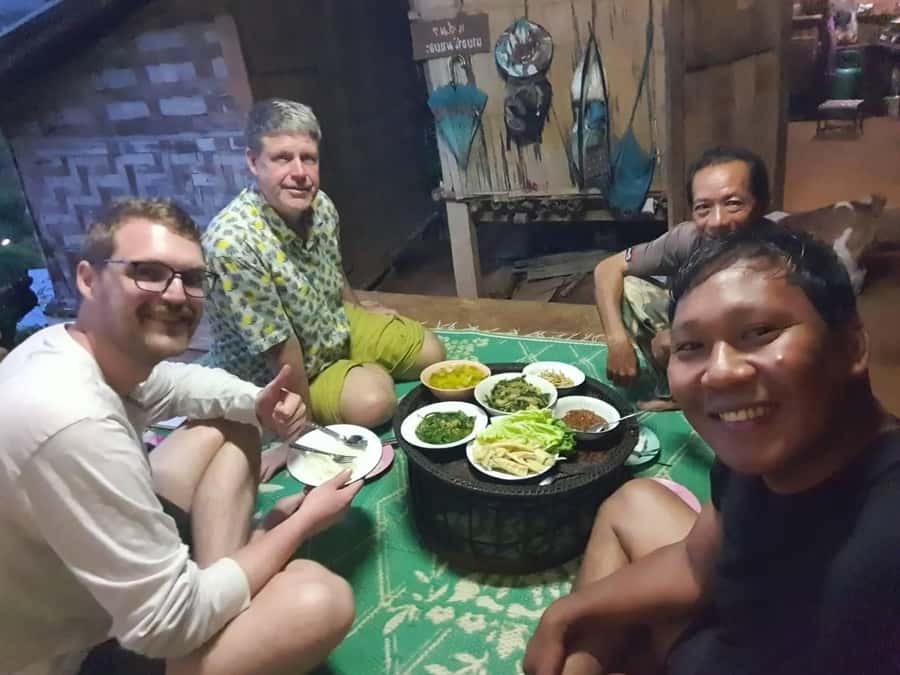
The overnight accommodation is in the Akha village. That is a cultural highlight, but it also affects comfort. One review described the sleeping setup as thin mat padding on a bamboo floor. That means you will want to approach the night like an outdoor homestay, not a standard bed-and-bath stop.
What you can do to make it easier:
- Pack a small layer you can use for warmth, since village nights can feel cooler in the mountains.
- Keep your sleep expectations realistic. The value is the setting and the host family time, not luxury.
- If you are sensitive to hard surfaces, consider bringing a small cushion. The tour does not list one, so keep it light and practical.
Also follow the village etiquette the tour asks for. That includes respecting local customs during visits and following guide instructions. In these settings, small behavior choices matter.
This is one of those tours where the “sleep” part becomes part of the memory. People write that the homestay was a highlight, especially when families share an authentic meal and the night turns social.
The guide experience, and why Mo and R U kept coming up
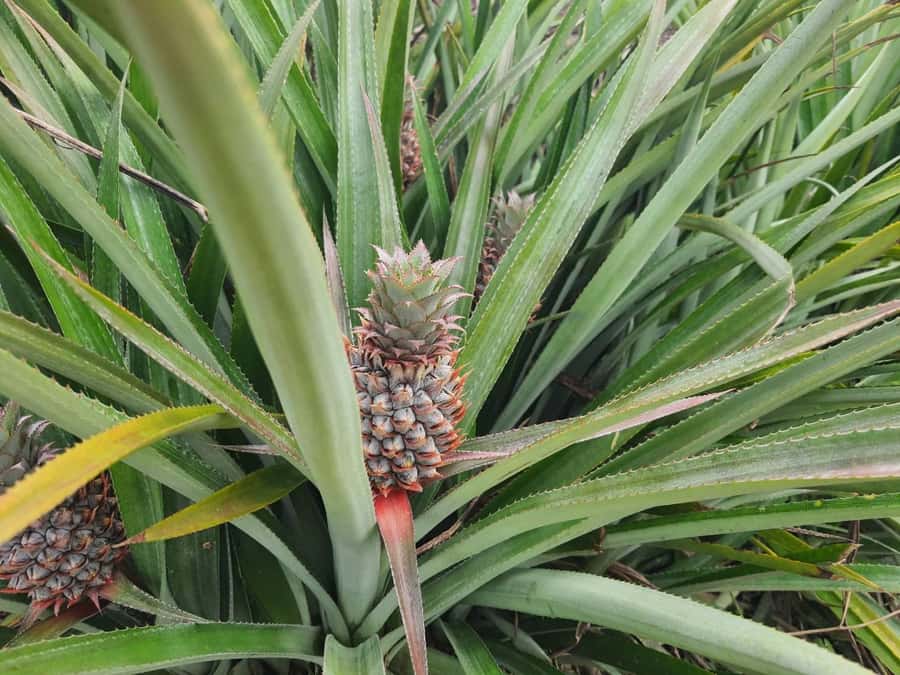
A good jungle guide makes the difference between tired hiking and meaningful learning. In reviews, guides like Mo and R U were repeatedly praised for being relaxed, funny, and easy to talk to, while also knowing the jungle deeply.
What that translates to for you:
- You get explanations while you walk, so stops feel purposeful.
- You can ask questions about plants, survival, and how local people use resources.
- The guide can adjust walking pace for the group, based on fitness level.
One review specifically mentioned adjusting walking to fitness level. Another described a guide who could handle individual route needs if someone had injuries, and also asked about dietary preferences like vegetarian or vegan. Not every group will have the same needs, but it signals that the guide skill set includes flexibility.
If you are choosing this trek because you want it to feel local, prioritize the guide quality. This tour’s small-group limit to 10 participants is another quiet advantage: less crowding, more time for questions, and fewer “everyone rushes to the next photo” moments.
Price, included value, and what costs extra in Chiang Rai
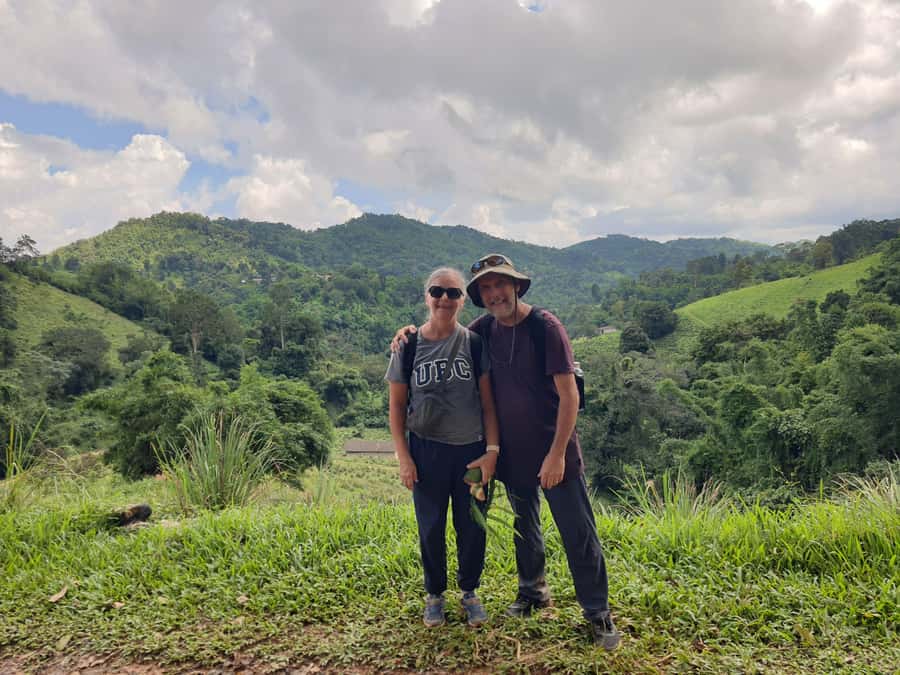
At $122 per person for a 2-day trek, the price looks reasonable when you break down what is covered. You get:
- Hotel pickup and drop-off
- English live guide
- 4 included meals
- Overnight accommodation in the Akha village
- Trekking guide
- Drinking water
- Insurance
- Small group capped at 10 participants
That package matters because you are paying for logistics and labor, not just scenery. Two full trekking days, multiple village visits, hands-on bamboo and knife activities, plus an overnight in a mountain community is not the same cost structure as a casual day hike.
What is not included is also worth noting:
- Soft drinks and alcohol
- Personal expenses
- Hot spring swimming pool ticket (100 Baht)
If you budget for the 100 Baht hot spring add-on and any snacks or extras you want, you can keep the rest of the trip smooth.
Who should book this trek, and who should skip it
This trek fits best if you enjoy active travel with real learning built in. It is labeled moderate, with about 10 km walking each day, and it includes trekking through jungle and mountains plus village visits.
It is not suitable for:
- Pregnant women
- People with back problems
- People with heart problems
- Wheelchair users
- Babies under 1 year
- People over 70 years
So be honest about your body and choose accordingly. If you want a mostly flat walk, this is not that. If you are okay with uneven ground and some climbing, you will likely appreciate it more.
This also suits you if you like hands-on cultural experiences. You will practice bamboo carving, prepare meals in jungle style, and visit multiple communities including Lesu, Chinese, Akha, and Lahu.
Should you book? My practical take on the value
If you want a nature trip that teaches you practical jungle skills, plus culture you can reach on foot, I think this is an easy yes. The strongest reasons to book are the hands-on bamboo and jungle knife activities, the water moments (waterfall and hot spring), and the overnight in the Akha village where the day feels lived-in rather than staged.
I would pause before booking if:
- You are very sensitive to hard sleeping surfaces.
- You expect a high-effort hike with an easy payoff waterfall every time.
- You know you need barrier-free access or have health limits that conflict with moderate trekking.
If you do book, pack for the reality of the trek: comfortable shoes, hat, insect repellent, swimwear, towel, and a change of clothes. Do that, and you are set up for the kind of trip where you come away remembering the skills and the people, not just the photos.
FAQ
How long is the Chiang Rai jungle trek?
The tour lasts 2 days, with trekking and village visits across both days.
What is the group size and language?
It is a small group limited to 10 participants, with a live English-speaking guide.
About how much do I walk each day?
The tour involves moderate physical activity with approximately 10 kilometers of walking each day.
What meals are included?
Four meals are included: lunch on Day 1, dinner on Day 1, breakfast on Day 2, and lunch on Day 2.
Is the hot spring swimming included, and what does it cost?
Hot spring swimming pool tickets are not included. The ticket cost is listed as 100 Baht.
Where do I stay overnight?
You stay overnight in the Akha village.
What should I bring for the trek?
Bring comfortable shoes, a hat, swimwear, a change of clothes, a towel, sunscreen, insect repellent, water, snacks, and a camera.
Is the tour refundable if I need to cancel?
Yes. Free cancellation is available up to 24 hours in advance for a full refund.
More Walking Tours in Chiang Rai
- Bangkok: City Highlights Temple and Market Walking Tour
★ 4.5 · 3,990 reviews - Bangkok: Grand Palace and Wat Phra Kaew Guided Walking Tour
★ 4.4 · 2,417 reviews - Bangkok: Wat Pho and Wat Arun Guided Walking Tour
★ 4.6 · 1,720 reviews - Chiang Mai: 3 Hour Old City and Temples Guided Walking Tour
★ 4.6 · 1,568 reviews
Newest Chiang Rai reviews on the site
- JOIN TOUR 1 day trip around Chiang Rai included lunch buffet★ 5.0 · 6 reviews
- From Chiang Rai: The best of Chiang Rai with Spanish Guide★ 4.8 · 15 reviews
- From Chiangrai: Slow Baot to Loas (Luangprabang) 2-Day Tour★ 4.4 · 56 reviews
- From Chiang Mai : 3 Temples & Golden Triangle with Lunch★ 4.5 · 17 reviews
- Explorer Border road and Nature ( Tea and Coffee )★ 4.7 · 21 reviews
- Explore the Chiang Rai and the Golden Triangle★ 4.6 · 18 reviews
- Chiang Rai: Full-Day Customizable Private Tour★ 4.8 · 104 reviews
- Chiang Rai: Discover 7 Must-See Spots & Lunch Included★ 4.7 · 26 reviews
Hiking & Trekking, compared.
3-in-1: Doi Inthanon Tour, Elephant Sanctuary, and Trekking Trail
Read our review →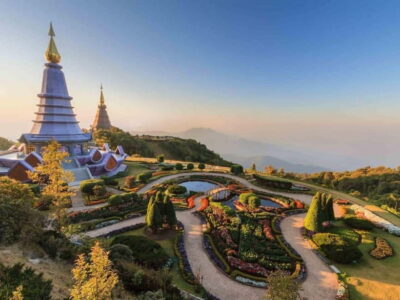
Doi Inthanon Trip with Pha Dok Siew Guided Trek
Read our review →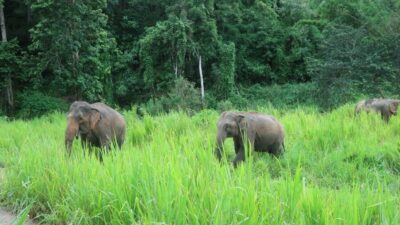
2-Day Jungle Trek with Elephant Farm & Raft Ride
Read our review →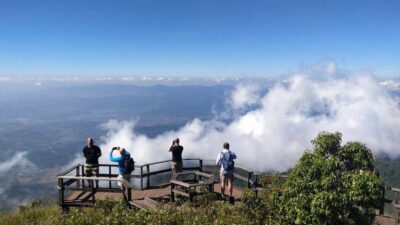
Doi Inthanon Park with Kew Mae Pan Hike Day Trip
Read our review →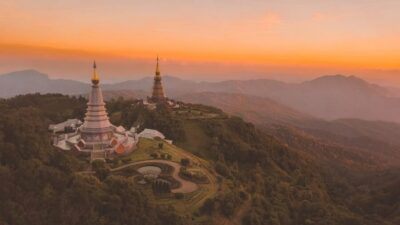

Browse the lists this tour appears in