
Review · HIKING & TREKKING
Chiang Rai Trek: 4 Hilltribes Villages & Waterfall Only Walk
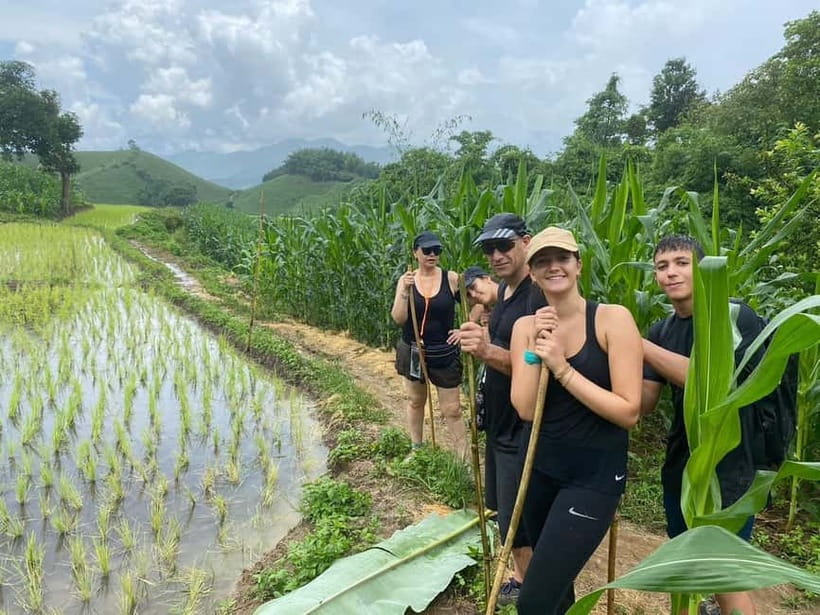
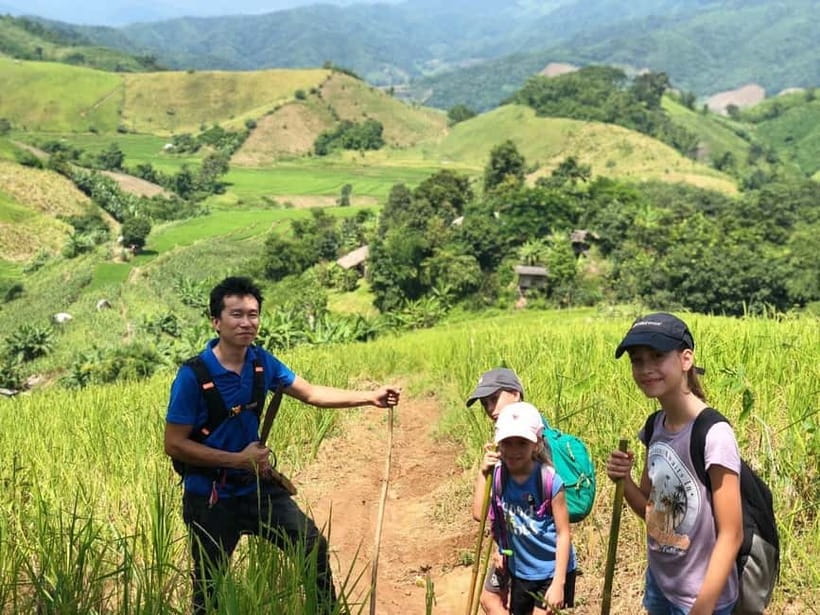
Jungle footpaths beat temple crowds. I love the small-group feel and the real rhythm of day-to-day hilltribe life, especially the bamboo hut lunch cooked over firewood. The main thing to consider is the hiking, with some steep uphill and very little flat walking.
By the end, you get more than scenery. You walk between hilltribe villages, stop at a tea plantation in the Chinese village, swim at Huay Kaew Waterfall, then finish with a mineral hot spring bath in Chiang Rai. If you’re traveling with kids under 10, or you need wheelchair-friendly routes, this is not the right fit.
In This Review
- Key highlights worth planning around
- From Chiang Rai to Lam Nam Kok: how the day starts
- What you’ll notice early
- Lisu village first: forest steps and bamboo shade
- Why the bamboo forest time is more than scenery
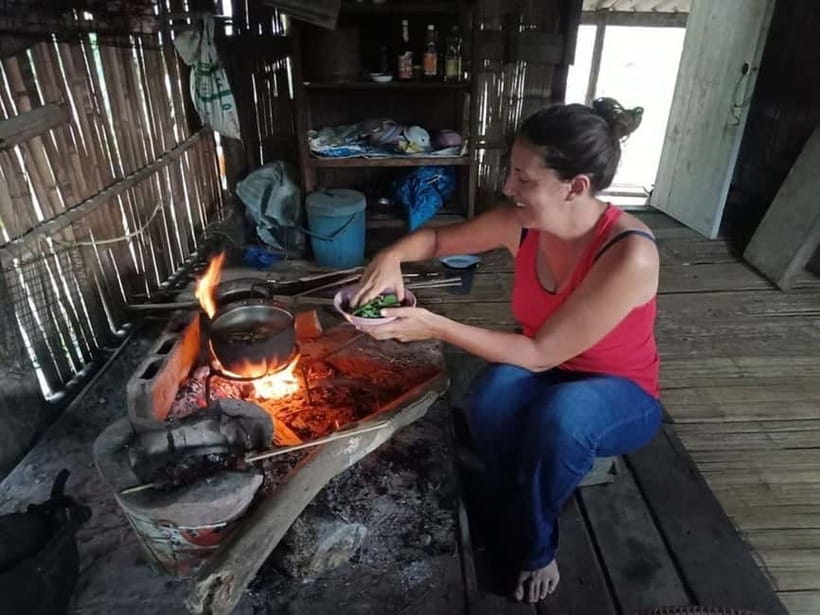
- Bamboo hut lunch: cooking with firewood, then eating what you helped make
- What to expect during cooking and lunch
- Practical tip
- Chinese village and tea plantation: learning through a farming route
- What makes this walk feel authentic
- Huay Kaew Waterfall: swim time at Chiang Rai’s big dip spot
- What I’d plan for
- Akha and Lahu village walk: farms, views, and village culture
- What you’ll likely experience
- Final reset: hot spring mineral bath back in Chiang Rai
- Who this ending is perfect for
- How tough is it, and what you should pack
- What to bring (use this list)
- What not to do
- Not a fit for everyone
- Price and value: what $82 buys you in a real way
- A fair comparison
- Who should book this Chiang Rai hilltribe trek
- Should you book it or keep looking?
- FAQ
- How long is the walk on this trek?
- Where does the tour start and end?
- What is the waterfall stop called?
- Is lunch included, and what is it like?
- Do I need to bring swimwear?
- What should I pack for the day?
- What languages are offered?
- What’s included in the price?
- Is it suitable for children, wheelchairs, or older adults?
- Are pets or alcohol allowed?
Key highlights worth planning around
- Four hilltribe villages in one day: Lisu, Chinese, Akha, and Lahu village areas along the walk
- Bamboo cooking with firewood in a traditional hut, plus lunch with the guide and locals
- Huay Kaew Waterfall swim at the second-largest waterfall in Chiang Rai
- Tea plantation time connected to the Chinese village setting
- Hot spring mineral soak to reset your legs before returning to your hotel
- A manageable active hike around 5 hours on foot, roughly 10 km with uphill sections
From Chiang Rai to Lam Nam Kok: how the day starts
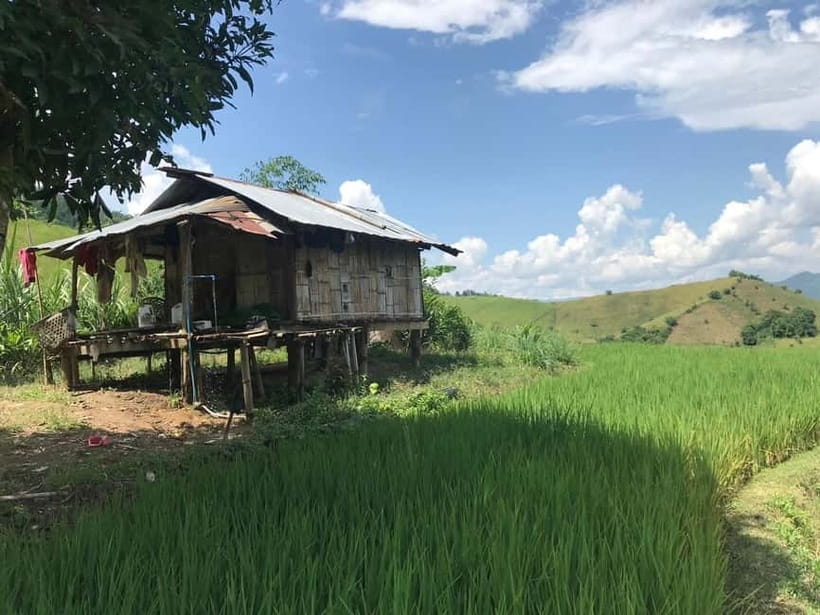
This tour is built around one simple idea: you start and finish in Chiang Rai, and the hiking does the connecting. After pickup from your hotel, you ride by car to the trekking area at Lam Nam Kok National Park. Then the walking starts right away, moving through forest and bamboo forest toward the first village.
The format matters. This is not a drive-through tour where you hop out for quick photos. You’re on foot for hours, so the day feels like a slow, shared walk between community areas, farms, and water stops. You also get travel insurance included in the price, which is a nice comfort feature when you’re spending the day outdoors.
More Hiking Tours in Chiang Rai
- Chiang Rai: Jungle Adventure-Group Trekking & Bamboo Cooking
★ 4.9 · 166 reviews - 1 Day Trekking in Chiang Rai forest (walk only)
★ 4.9 · 95 reviews - Authentic trek only walk in Chiang Rai jungle
★ 5.0 · 90 reviews
What you’ll notice early
- The pace is steady, not rushed.
- The path is active enough that you’ll feel it by the afternoon.
- You’ll be walking in a mix of forest trails and village paths, not flat sidewalks.
If you’re the type who likes to understand what you’re seeing, this tour has a strong “learn while you walk” rhythm. Your guide points out plants and daily practices as you move, including herbs and edible plants.
Lisu village first: forest steps and bamboo shade
The trek begins with a walk from the hot spring area through the forest and bamboo forest, then on to the Lisu village stop. It’s a good opening sequence because it shifts you from park greenery into human-scale life. You go from shade and sound of the bamboo forest to a village setting where daily routines make sense quickly.
What I like about this start is that it sets your expectations. Instead of dropping you at the first village and moving on, the route gives you a “warm-up” into the environment. You’re not just arriving, you’re traveling through it.
Why the bamboo forest time is more than scenery
Even if you’re not trying to be a plant photographer, bamboo forest walking has a way of lowering your mental noise. You slow down, you notice sounds, and you get ready for the village parts. And later, when you’re back in a bamboo hut cooking lunch, that bamboo route makes the day feel connected.
A few more Chiang Rai days to weigh up
- Chiang Rai: 1-Day Trekking and Longtail Boat Trip
★ 4.9 · 53 reviews - Akha & Lahu village trekking 1 day
★ 4.8 · 18 reviews - 1 Day trekking : Chiang Rai popular activity,Fun in Nature.
★ 4.8 · 18 reviews - Chiang Rai: 2-Day Jungle Trek only walk with Waterfall
★ 4.8 · 17 reviews
Bamboo hut lunch: cooking with firewood, then eating what you helped make
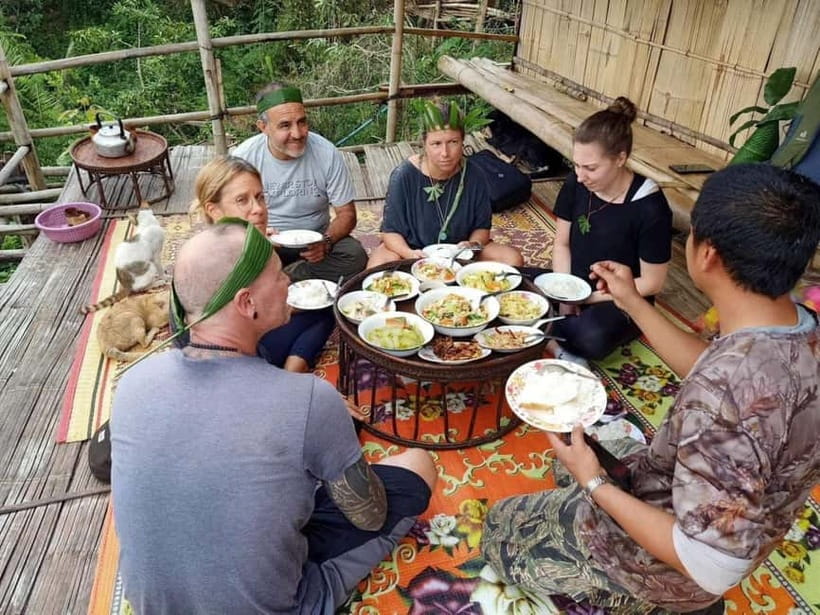
The standout moment for most people is lunch in the hilltribe bamboo hut. After reaching the Lisu village area, you cook and eat in a traditional setting with your guide. The kitchen uses firewood, not LPG, so the whole meal process feels practical and old-school.
This is the kind of activity that turns a tour into a memory. You get to see how food is prepared using local methods, and you get the chance to understand ingredients in a way you usually skip on vacation.
What to expect during cooking and lunch
You’ll spend time with the guide in the traditional kitchen setup. Then you enjoy lunch served directly in the village setting. You’ll also likely taste a variety of local foods and plants as the day moves along, including fruits and spices picked from the region.
One review highlight you can plan on: the guide tends to explain what you’re eating and where it comes from, including edible plants. That turns lunch from just fuel into a mini lesson you can carry with you.
Practical tip
Bring a change of clothes. Not because lunch is messy by default, but because you’ll be in the outdoors, and later you’ll have waterfall time and a hot spring.
Chinese village and tea plantation: learning through a farming route
After bamboo hut lunch, you continue walking to the Chinese village area. Here, you’ll visit a tea plantation and spend time in that agricultural landscape.
This stop is valuable because it shows another side of hilltribe life beyond village structures. Tea growing connects to land use, seasonal work, and everyday routines. You’re not just learning village customs, you’re seeing how livelihoods are tied to crops and careful cultivation.
What makes this walk feel authentic
The route keeps you moving. Instead of a single tea photo moment, you walk through surrounding farmland and plantation areas as part of the day. That’s why the tour doesn’t feel like it’s stitched together from separate attractions.
And if you’re the kind of person who likes to taste as well as look, you may find opportunities during the day to sample local fruits and ingredients described by the guide.
Huay Kaew Waterfall: swim time at Chiang Rai’s big dip spot
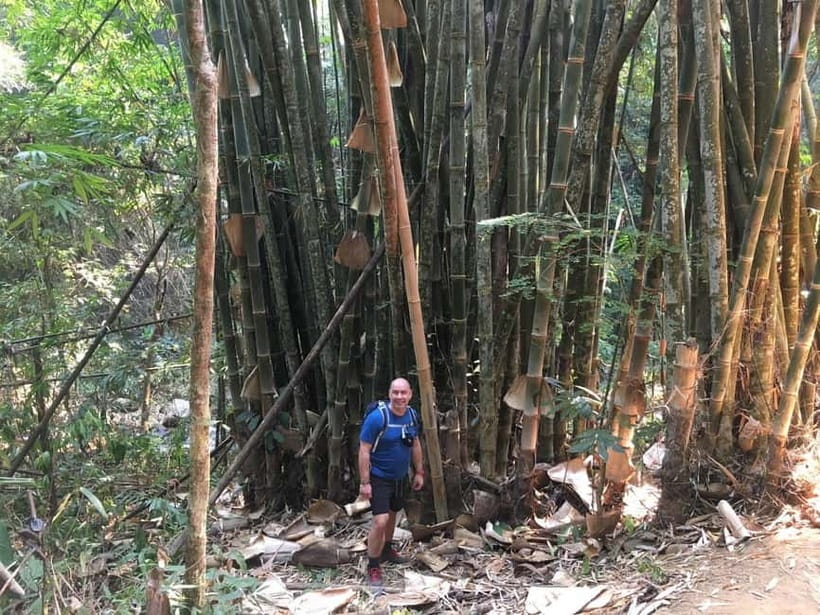
Next comes Huay Kaew Waterfall, described as the second-largest waterfall in Chiang Rai. You keep walking to reach it, then you get time to cool off with a swim.
This is the point where the day changes mood. Hiking asks for effort. Water asks for recovery. It’s also a great chance to wash off the outdoor day before the later hot spring bath.
What I’d plan for
- Bring swimwear so you’re not stuck in wet clothes afterward.
- Expect the waterfall time to be one of your best refresh breaks.
- If you want photos, do them quickly before you get into the water, because once you’re swimming, time moves fast.
One review detail worth taking seriously: many people get waterfall time without feeling crowded. Your guide often structures the day so you can enjoy the waterfall with a calmer vibe.
Akha and Lahu village walk: farms, views, and village culture
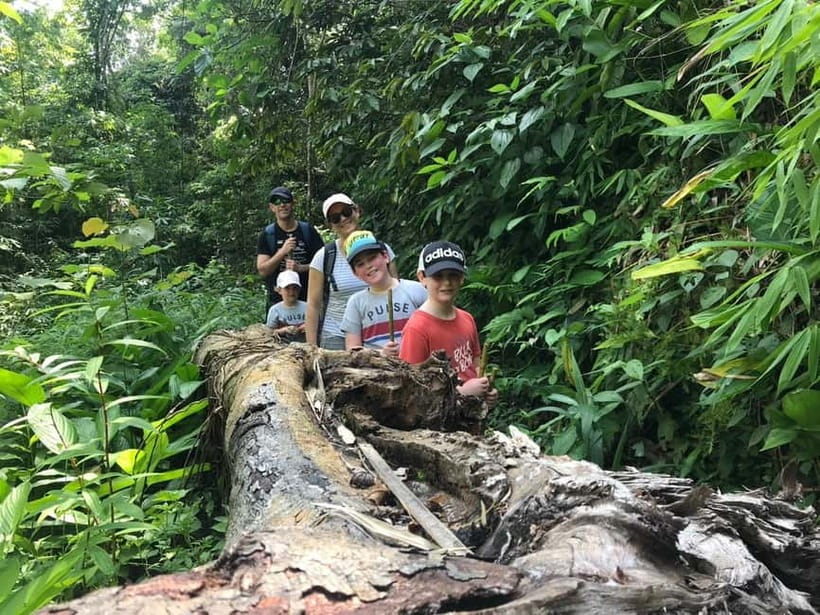
After the waterfall, the trek continues to the Akha village area and passes through farm land and surrounding countryside. Then you walk onward to the Lahu hilltribe village area.
This section is where the “four villages in one day” idea becomes real. You’re moving through distinct community zones, and the guide connects what you see to daily life. Based on what’s emphasized during the walk, you’re not only looking at houses and fields. You’re hearing explanations about customs and the ways people use land and plants.
What you’ll likely experience
You spend more than a quick glance at each area. The tour structure keeps you walking through the farming parts, so the villages feel like part of a working region rather than separate stops.
And yes, you’ll probably see and hear about plants used for food and everyday life. Some guides focus on edible plants and how to spot useful varieties. That’s one of the reasons people come back saying the guide made the day.
Final reset: hot spring mineral bath back in Chiang Rai
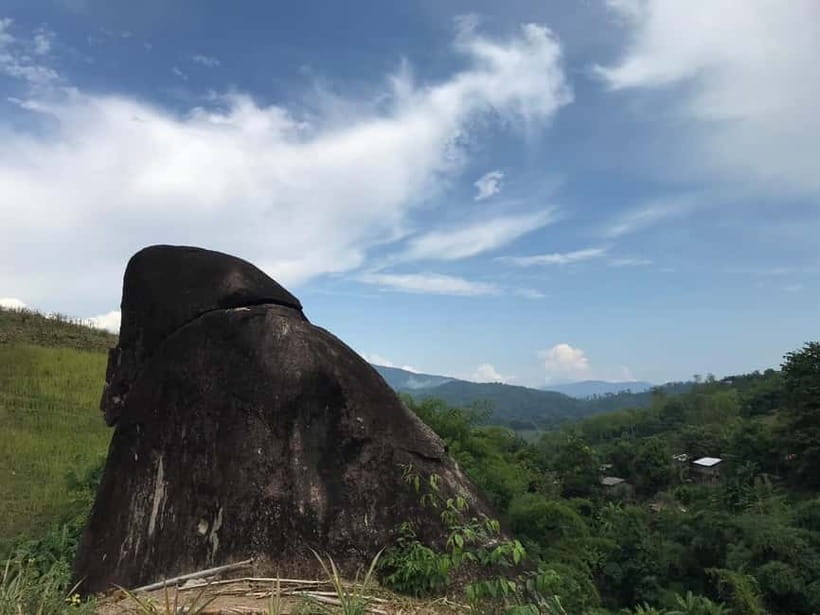
After walking through Akha and Lahu village areas, the day ends with a return to the hot spring for a mineral hot bath. This is a smart finish for a hiking day. Your legs get a real recovery moment before the ride back to your hotel in Chiang Rai.
The overall route even starts near a hot spring area and ends with another hot-spring soak. That symmetry makes the day feel purposeful. You’re not just pushing through to the finish. You’re built in time to unwind.
Who this ending is perfect for
If you like calm, slow finishing moments after physical effort, you’ll appreciate this part. It’s also a good place to rinse off and get comfortable before the car ride.
How tough is it, and what you should pack
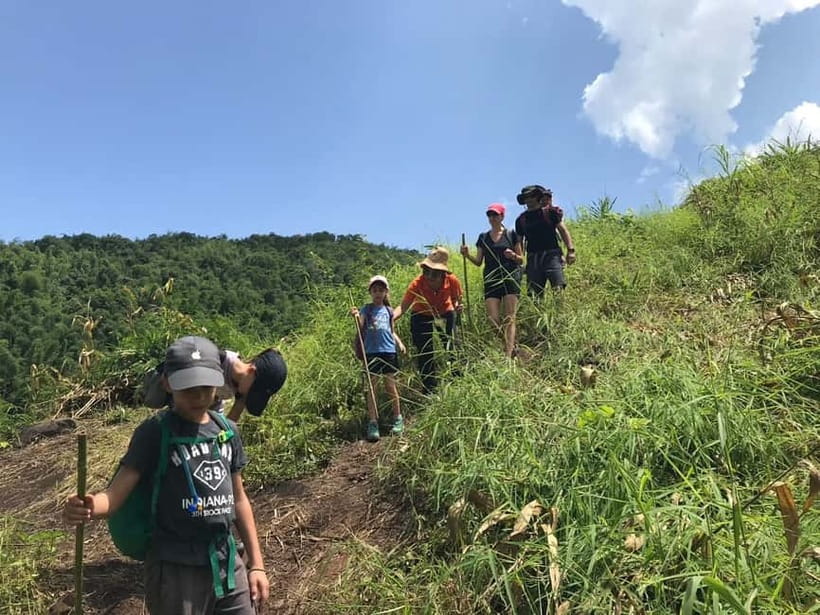
Let’s be honest: this is not a sit-on-a-bus day. The total walking time is around 5 hours. One review also notes the hike is about 10 km, with some steep uphill and very little flat path.
What to bring (use this list)
The tour asks you to bring:
- Hat
- Swimwear
- Change of clothes
- Water
- Insect repellent
This list is practical and it fits the day’s flow. You hike in humid conditions, you swim, then you shift into hot spring time. Insect repellent is a must for any forest and village walking day.
What not to do
- Pets are not allowed.
- Alcohol and drugs are not allowed.
Those rules keep the day respectful and safer for everyone in the group.
Not a fit for everyone
This tour is not suitable for:
- Children under 10
- Wheelchair users
- People over 70
If you’re close to the edge on mobility, tell yourself the trail includes uphill walking. The tour is described as manageable for active people, but it is still a hike.
Price and value: what $82 buys you in a real way
At $82 per person, the price looks reasonable once you see what’s included. You get:
- Transportation
- Tour guide
- Lunch
- Drinking water
- Travel insurance
What makes this good value is that the included items match the day you actually do. You spend hours walking to multiple village areas and to Huay Kaew Waterfall. Transport isn’t just a transfer, it’s part of getting you into the trekking zone. Lunch is not a generic restaurant stop, it’s the bamboo hut cooking experience.
Also, the guide’s teaching style shows up repeatedly in how people describe the day: plants, herbs, edible items, and customs. That kind of guidance takes time and effort behind the scenes, so it’s not something you’d get from a self-guided walk unless you already know the area.
A fair comparison
If you’ve seen pricier tours in Thailand that mostly feel like checklists, this one tends to feel more grounded. You walk, you eat locally, you swim, and you end with a hot spring recovery moment.
Who should book this Chiang Rai hilltribe trek
I’d say this tour fits best if you:
- Want an active day outdoors without extreme trekking
- Like learning through real food, village life, and what grows locally
- Enjoy walking enough to earn your waterfall swim and hot-spring soak
- Prefer a smaller-group feel over large crowds
You might want to skip it if you:
- Don’t want uphill hiking
- Need wheelchair accessibility
- Are traveling with very young kids or older travelers who may struggle with the walking time
Should you book it or keep looking?
Book this tour if you want a day that connects hilltribe villages, a bamboo cooking lunch, a tea plantation stop, and a proper waterfall swim, then wraps up with a mineral hot spring. The day has a clear flow and a strong focus on how people live and eat, not just what they wear.
Keep looking if you want a mostly flat, easy stroll or if your schedule is too tight for a half-day hiking plan. Also, if you’re sensitive to insects and humidity, pack the repellent and plan for outdoor conditions.
If you’re an active traveler who enjoys food, nature, and respectful community-based experiences, this Chiang Rai trek is one of the more practical, memorable ways to spend your day.
FAQ
How long is the walk on this trek?
The total walking time is around 5 hours. One description also notes the route is about 10 km with some steep uphill and no flat paths.
Where does the tour start and end?
The tour starts in Chiang Rai, and it ends back in Chiang Rai. You’re picked up from your hotel, driven to the trekking area, and returned to your hotel by car.
What is the waterfall stop called?
The tour includes Huay Kaew Waterfall, described as the second-largest waterfall in Chiang Rai. You can enjoy a swim there.
Is lunch included, and what is it like?
Yes, lunch is included. You cook and enjoy lunch in a hilltribe bamboo hut using firewood, with the lunch prepared with the guide in the village setting.
Do I need to bring swimwear?
Yes. The itinerary includes waterfall swimming, so swimwear is recommended. Bring a change of clothes afterward.
What should I pack for the day?
Bring a hat, swimwear, a change of clothes, water, and insect repellent.
What languages are offered?
The tour is offered in English.
What’s included in the price?
The price includes transportation, a tour guide, lunch, drinking water, and travel insurance.
Is it suitable for children, wheelchairs, or older adults?
It is not suitable for children under 10, wheelchair users, or people over 70. It’s described as manageable for active people.
Are pets or alcohol allowed?
No. Pets are not allowed, and alcohol and drugs are not allowed.
More Walking Tours in Chiang Rai
- Bangkok: City Highlights Temple and Market Walking Tour
★ 4.5 · 3,990 reviews - Bangkok: Grand Palace and Wat Phra Kaew Guided Walking Tour
★ 4.4 · 2,417 reviews - Bangkok: Wat Pho and Wat Arun Guided Walking Tour
★ 4.6 · 1,720 reviews - Chiang Mai: 3 Hour Old City and Temples Guided Walking Tour
★ 4.6 · 1,568 reviews
Newest Chiang Rai reviews on the site
- JOIN TOUR 1 day trip around Chiang Rai included lunch buffet★ 5.0 · 6 reviews
- From Chiang Rai: The best of Chiang Rai with Spanish Guide★ 4.8 · 15 reviews
- From Chiangrai: Slow Baot to Loas (Luangprabang) 2-Day Tour★ 4.4 · 56 reviews
- From Chiang Mai : 3 Temples & Golden Triangle with Lunch★ 4.5 · 17 reviews
- Explorer Border road and Nature ( Tea and Coffee )★ 4.7 · 21 reviews
- Explore the Chiang Rai and the Golden Triangle★ 4.6 · 18 reviews
- Chiang Rai: Full-Day Customizable Private Tour★ 4.8 · 104 reviews
- Chiang Rai: Discover 7 Must-See Spots & Lunch Included★ 4.7 · 26 reviews
Hiking & Trekking, compared.
3-in-1: Doi Inthanon Tour, Elephant Sanctuary, and Trekking Trail
Read our review →
Doi Inthanon Trip with Pha Dok Siew Guided Trek
Read our review →
2-Day Jungle Trek with Elephant Farm & Raft Ride
Read our review →
Doi Inthanon Park with Kew Mae Pan Hike Day Trip
Read our review →

Browse the lists this tour appears in