
Review · ELEPHANT SANCTUARY VISITS
Ethical Elephant Sanctuary Experience in Khao Lak
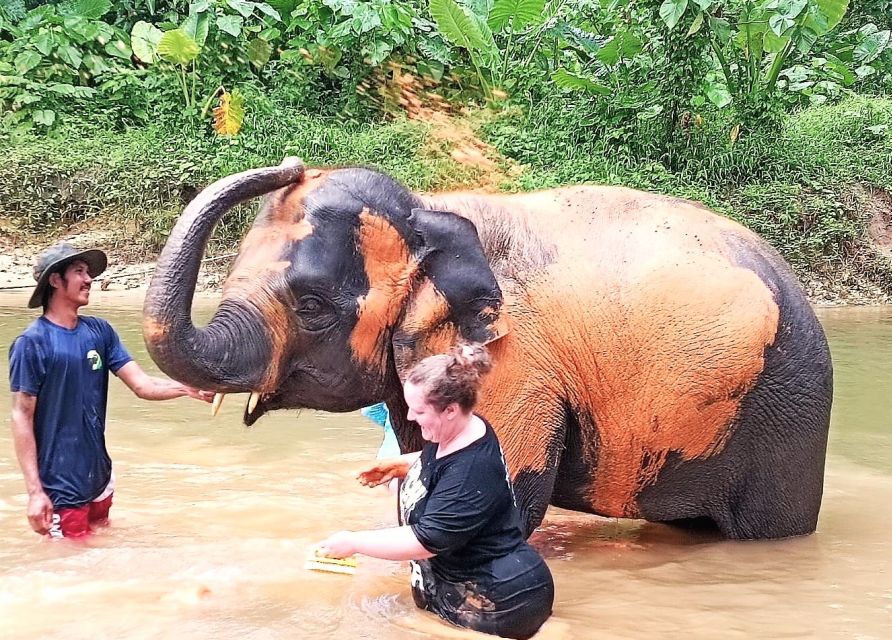
Elephants choose the pace here. This Khao Lak experience keeps things calm, with mahout-led observation instead of tricks, queues, or forced poses. Even the intro gets you thinking about why domestic elephants need different care than the old tourism model, and guides like Di Di and Winnie make it easy to follow along.
What I like most is the combination of elephant-led mud-bath watching plus real Thai culture stuff you actually use, like making a Thai herbal inhaler (Ya Dom) and cooking Khanom Krok. The second big win is how the day is paced, roughly three hours end to end, so you get meaningful time without feeling rushed.
One drawback to flag early: this is not a hands-on, grab-a-banana, swim-with-elephants type of outing. The policy is no touching, no riding, and no forced interaction, so if you came hoping for that kind of close-contact thrill, you may feel it is more observant than action-packed.
In This Review
- Key things to know before you go
- Arriving for a calmer kind of elephant day
- The drive from Khao Lak, and why timing matters
- The sanctuary intro: culture, welfare, and why the rules exist
- Herbal preparation for elephants: a hands-on cultural moment
- Meeting the elephants: elephant-by-elephant stories with mahouts
- Walking to the creek: watching mud play without turning it into a show
- Ya Dom herbal inhaler workshop: Thai daily wellness, made by you
- Khanom Krok: the street snack break you will remember
- Facilities and comfort: basic, practical, and manageable
- Who this tour is best for (and who should skip)
- Price and value: what $56 really buys you
- Should you book Love Khao Lak Holiday’s ethical elephant sanctuary experience?
- FAQ
- How long is the elephant sanctuary experience?
- What is included in the price?
- Is elephant riding, touching, or bathing allowed?
- Is there a meal included?
- What should I bring for the day?
- What language is the live tour?
- Is the experience suitable for everyone?
- What happens if the weather is bad?
Key things to know before you go
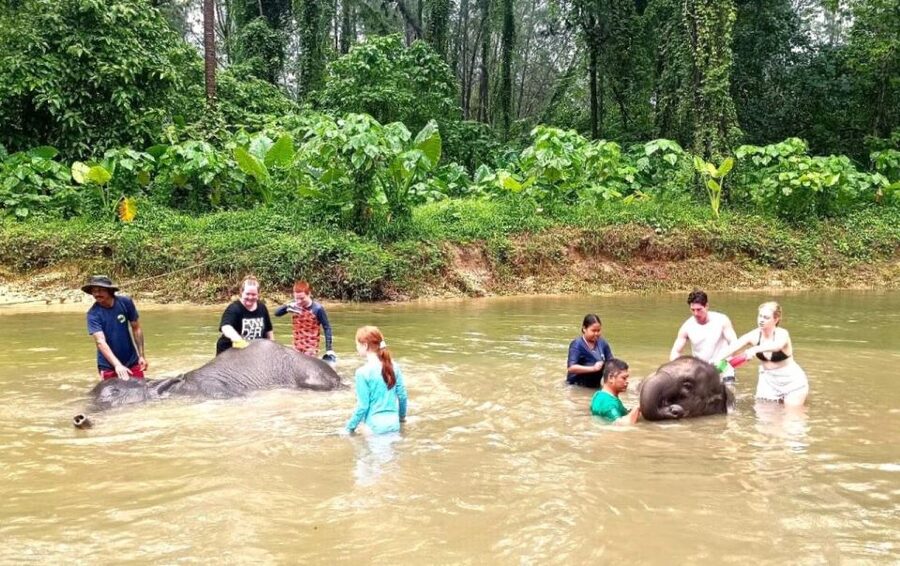
- Elephant-led behavior sets the schedule, including mud play near a creek
- Observation-first rules mean you stay at a respectful distance, no leading or controlling
- Mahouts guide what you see, with elephant-by-elephant stories and care routines
- Thai cultural workshops go beyond elephants, including Ya Dom making and Khanom Krok
- Herbal-elephant care activity connects local wellness knowledge to responsible feeding practices
- Small, guided format works well for a short break from beach chaos in Khao Lak
Arriving for a calmer kind of elephant day
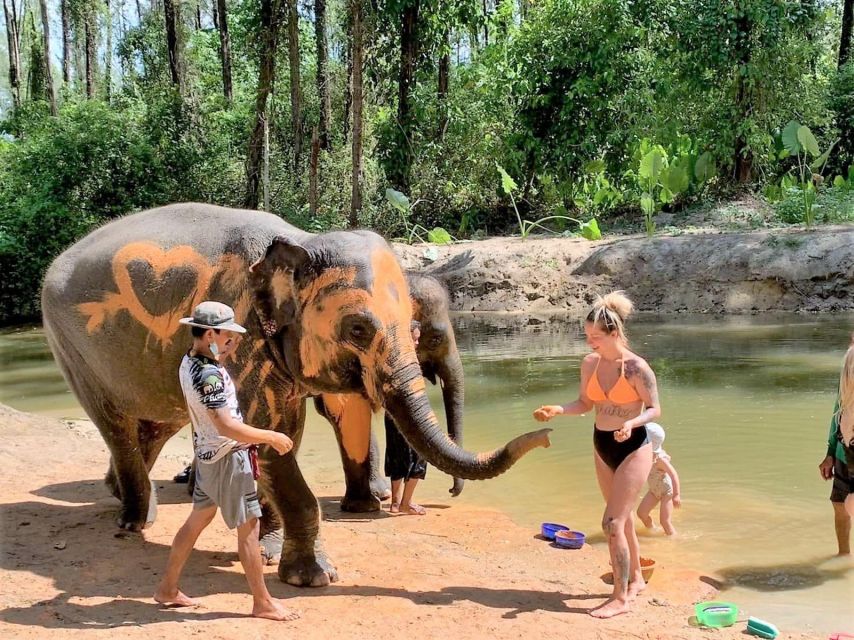
Khao Lak is famous for sun, sea, and fast itineraries. This tour is different. You start with a hotel pick-up and an air-conditioned van ride that feels like a quick reset, trading crowds for a more quiet, sanctuary-focused pace.
When you reach Khao Lak Elephant Conservation, the tone is already set. Before elephants come into view, you get a clear visual and audio introduction about Asian elephants in Thailand, the reality of modern welfare challenges, and what responsible tourism looks like today. The best part is that this is not just a lecture. It is built to help you understand what you are about to see and why the rules matter, with media available in 40 languages.
I also like that the day is designed for attention span reality. You are not spending hours doing one thing, then waiting in line for the next. The total time is about three hours, which makes it easier to fit into a beach vacation without losing your whole day.
More Elephant Sanctuary Visits in Khao Lak
- Khao Lak: 2-Hour Elephant Sanctuary Eco-Walk with Guided
★ 4.7 · 206 reviews - Khao Lak: 1-Hour Elephant Sanctuary Eco-Journey with Shuttle
★ 4.8 · 141 reviews - Khao Lak: Ethical Elephant Sanctuary Experience
★ 4.9 · 112 reviews
The drive from Khao Lak, and why timing matters
The van ride is about 30 minutes each way from Khao Lak, plus time at the sanctuary. That adds up to a half-day feel, but without the chaos of long transfers across the region.
This matters because elephant experiences can go two ways. They can feel rushed, or they can feel like you actually watch and learn. Here, the pacing supports the second option. You get time for orientation, elephant observation, and then the extra cultural activities, including Ya Dom and Khanom Krok.
Also, the tour runs as scheduled even if the weather is not perfect. In Thailand, showers can pop up fast, so I appreciate knowing you are not stuck in a constant reschedule loop. You will still want sunscreen and bug spray, but at least you can plan your day.
The sanctuary intro: culture, welfare, and why the rules exist
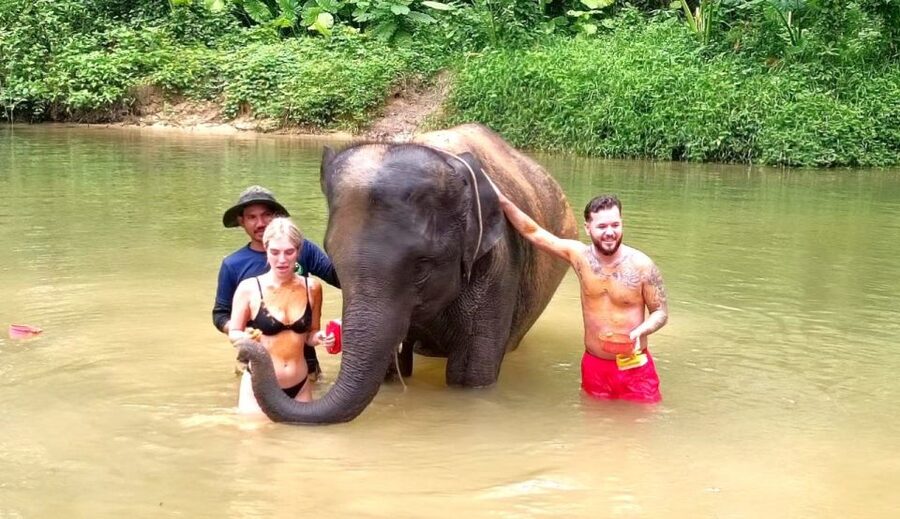
The pre-visit intro is not filler. It is the key to making sense of what you see afterward. You learn how elephants are woven into Thai life and how the modern welfare situation differs from the older entertainment model.
You also get the sanctuary’s commitments explained clearly. The big theme is that ethical elephant tourism is about elephants setting their own pace, with trained mahouts supervising, not performing. That framework helps you interpret behaviors later, like whether an elephant chooses to move toward water, stay in shade, or simply take time.
One practical plus: the presentation is available in 40 languages. Even if you are traveling in English, you know the message is meant to be understood, not just delivered.
Herbal preparation for elephants: a hands-on cultural moment
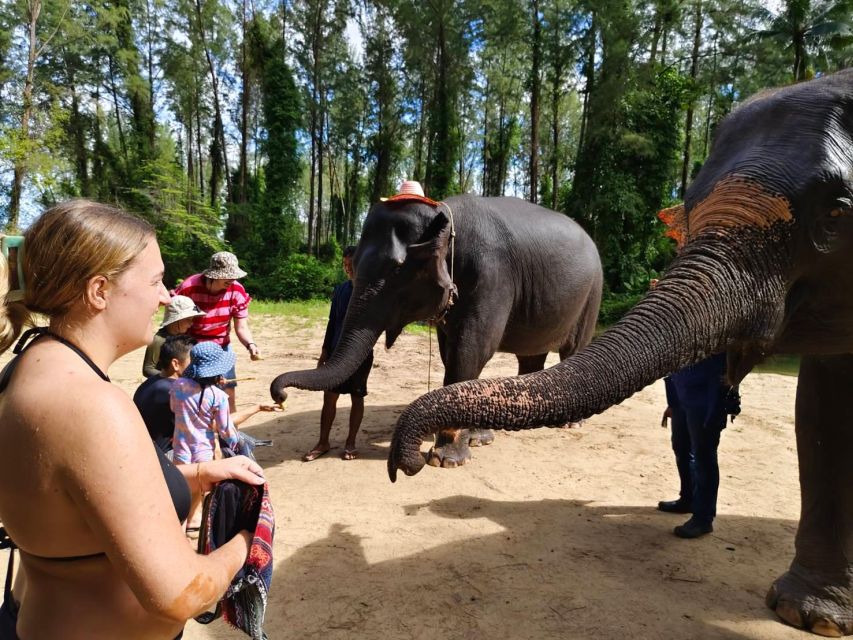
After the intro, you shift into a calm, hands-on activity focused on Thai herbal knowledge for elephant care. You help prepare a traditional herbal health supplement. It reflects local understanding of how caretakers support elephant wellbeing, and it is designed around responsible feeding practices.
Here is why this part is more valuable than it sounds. It puts you in the role of learner, not spectator. You see that care is not random treats. It is routine, thoughtful, and connected to knowledge passed along in Thai caretaking culture.
Then, later on, this supplement is offered to the elephants by caretakers. That detail matters. It keeps you from turning the day into a grab-and-go feeding session, and it reinforces that caretakers still run the care work.
Same stretch of coast, a different sort of day:
- Khao Lak: Rafting, Elephant Bathing & Sea Turtle Center Tour
★ 4.7 · 2,519 reviews - Khao Lak: Phang Nga Bay & James Bond Island by Longtail Boat
★ 4.7 · 2,142 reviews - From Phuket Or Khao Lak: Phi Phi Islands Early Bird Tour
★ 4.6 · 1,734 reviews - Khao Lak: Khao Sok Bamboo Rafting and Elephant Bathing Trip
★ 4.8 · 719 reviews
Meeting the elephants: elephant-by-elephant stories with mahouts
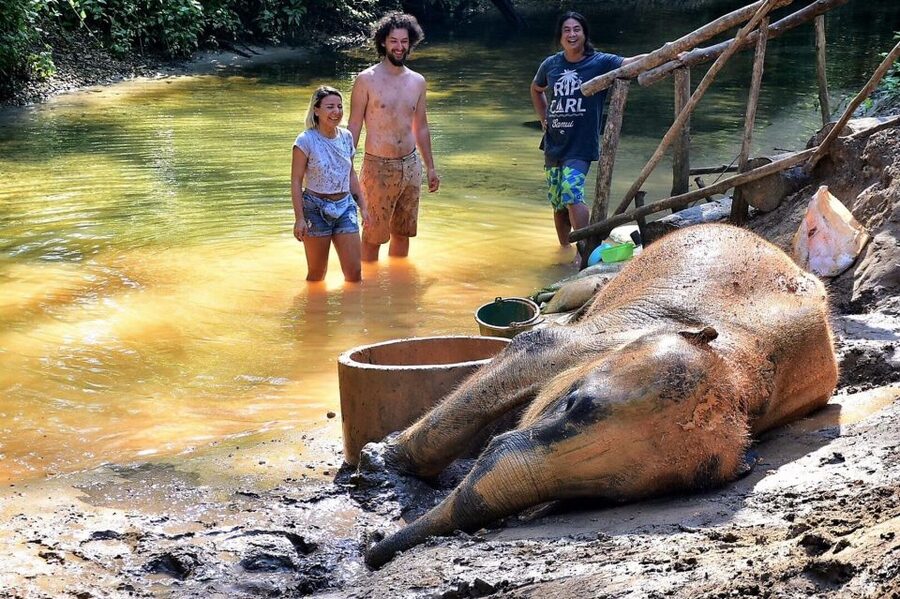
Once you step into the grounds, you meet the elephants as individuals. Each one has a background and a role in sanctuary life, and your guide and mahouts share what that means in plain language.
You join a guided observation walk following behind the elephants at a respectful distance as they move naturally within the defined area. You do not touch them. You do not lead them. You do not control direction or pace. The elephants choose what they do, and your job is to watch and listen.
This is where guide quality really shows. The experience gets better when your guide is tying behavior to welfare. People have had great days with guides like Lala, Shenr, Bond, Tin, Otto, and Shane, and you can expect staff to explain what you are seeing: how mahouts work with their elephants, and what care looks like beyond show schedules.
If you are the type who feels uneasy around animal tourism, this approach should help you feel steadier. It is structured, supervised, and centered on behavior, not performance.
Walking to the creek: watching mud play without turning it into a show
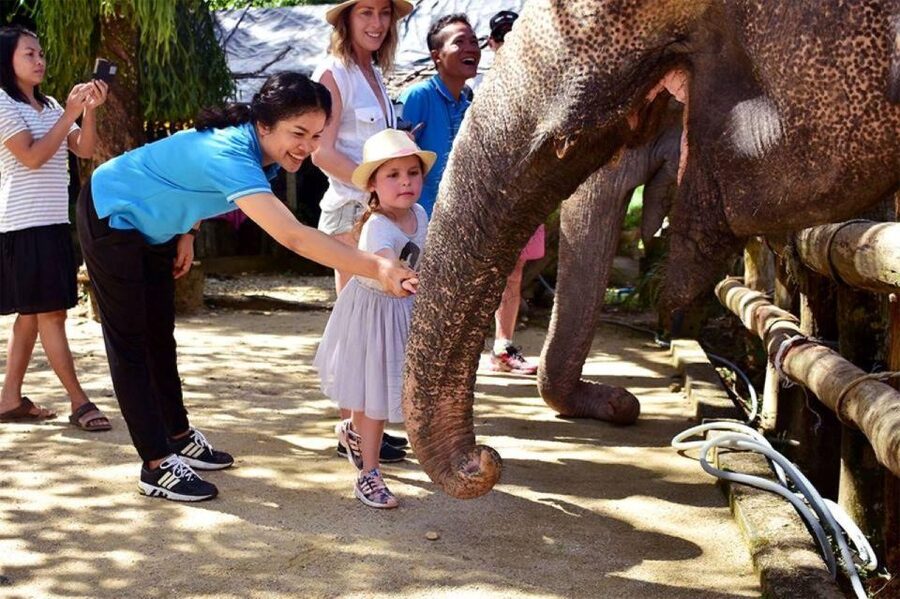
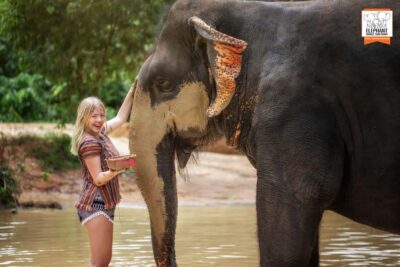
One highlight in the program is the pause at a designated viewing platform near a natural creek. This is your chance to watch elephants decide whether to bathe, splash, or play in mud.
And yes, this is still a big “elephant moment,” but it is different from the usual entertainment model. There is no fixed expectation like everyone does a synchronized mud bath at the same time. If an elephant wants to go near the creek, you get to watch. If it does not, you wait, and you learn to read the day through their choices.
This is also why this tour works even for families and first-time elephant visitors. The tone is calm. You are not yelling to capture a photo before the next trick. You can actually notice details, like how elephants interact, rest, or move when they feel comfortable.
The viewing platform means you stay positioned safely. You will still want to bring a towel and change of clothes, because splashy moments can happen and people tend to get wet in the surrounding fun. That is not “you swim with elephants,” it is simply that elephants are elephants, and mud is part of their natural routine.
Ya Dom herbal inhaler workshop: Thai daily wellness, made by you
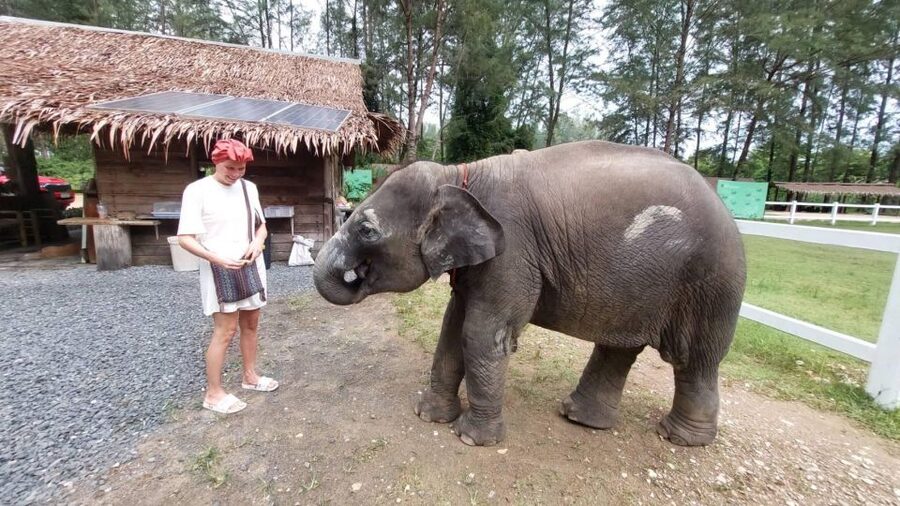
Then the day shifts gears in a good way. After elephants and observation, you make a Thai herbal inhaler called Ya Dom.
If you have ever smelled menthol in Thailand and wondered what it was, this is the explanation you can hold. You create your own inhaler using Thai herbal ingredients and learn how it fits into everyday Thai wellness culture.
I like this stop because it gives you a souvenir that is tied to something you did, not just bought. Also, it is a change of pace when your head is still buzzing with elephant facts and questions.
Menthol-based herbal products show up in many Thai contexts, so this workshop helps you make a quick cultural connection that lasts longer than the elephant visit itself.
Khanom Krok: the street snack break you will remember
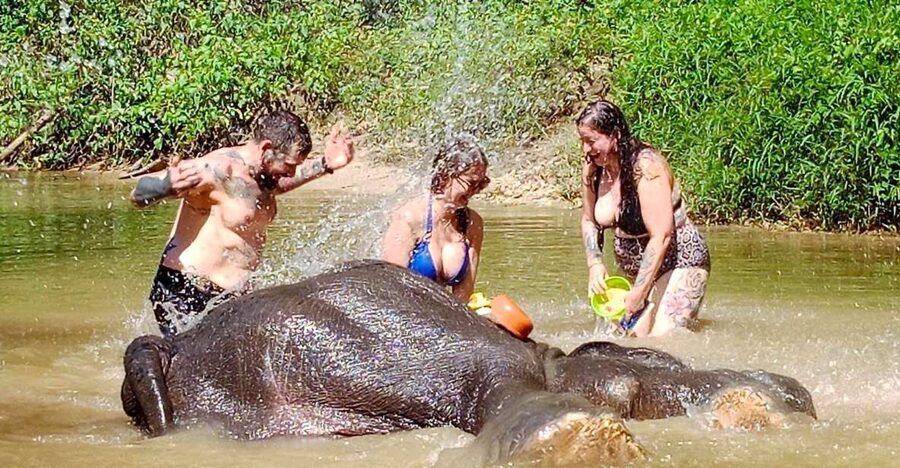
To round out the experience, you make Khanom Krok, one of Thailand’s most loved street snacks. Think Thai coconut pancakes cooked in small molds, with a sweet, rich coconut aroma and a satisfying texture.
This part is not only about eating. It is also about the relaxed rhythm. You get drinks like water and cola, and you spend time cooking in an unhurried way. People often describe it as a friendly, easy snack-making session, and it works well because it is a “normal” activity after an animal-focused day.
You might also see additional small tastings and local snacks during the sanctuary time. So if you are expecting just one snack at the end, plan for a couple of light food moments throughout the visit.
One heads-up: the tour does not include a meal. After the session, you will still want to grab lunch or dinner on your own, ideally before or after based on your hotel location.
Facilities and comfort: basic, practical, and manageable
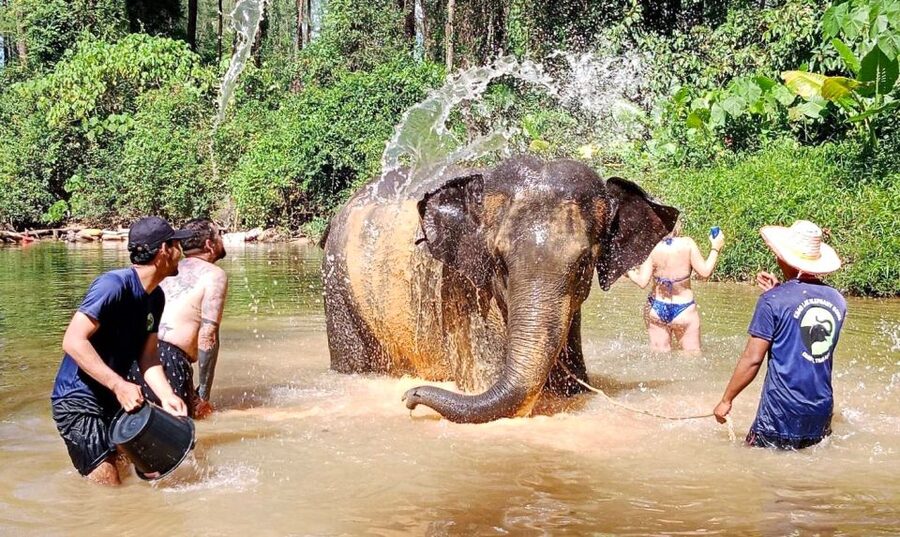
Sanctuary facilities are typically practical, not resort-level. Some visitors have noted that showers and toilets are basic but clean. That is useful to know if you plan to bring a towel and potentially change after creek time.
If you want the smoothest experience, come prepared for sun and wet surprises:
- sun hat, sunscreen
- insect repellent
- towel and a change of clothes
Also, it helps if you wear footwear you can handle on uneven ground. You will be walking and standing, and it is better to be comfortable than to baby your shoes all day.
Who this tour is best for (and who should skip)
This experience is a strong fit if you want an elephant day that prioritizes welfare through observation, with clear rules like no riding, no touching, and no forced interaction.
It is also a good fit for travelers who like culture as much as animals. The day is not only elephants. You get Thai wellness knowledge through Ya Dom and you learn how to make Khanom Krok, which is a real taste of everyday Thailand.
It is not suitable for pregnant women or people with mobility impairments, based on the tour’s own guidance. The walk and time outdoors make those restrictions understandable.
If you are someone who feels disappointed by observation-style encounters, be honest with yourself before booking. This is designed for watching and learning, not for controlling an animal or chasing constant physical interaction.
Price and value: what $56 really buys you
At $56 per person for about three hours, you are paying for a full package, not just elephant access. Your price includes hotel pick-up and drop-off within the Khao Lak area, air-conditioned transport, admission, and an English-speaking staff experience.
You also get structured content: the pre-recorded intro about elephants, the guided observation walk with mahouts, the herbal supplement preparation activity, Ya Dom making, and Khanom Krok cooking. You will have drinks included, typically water and cola, plus snacks during the sanctuary time.
For many visitors, the biggest value is the ethical structure. You are not paying for a performance. You are paying to support long-term care of rescued domestic elephants and to spend time under supervision that keeps elephants in charge of their own behavior.
The only financial catch is simple: no meal is included. So budget for food afterward, and you will feel like the day was well worth it.
Should you book Love Khao Lak Holiday’s ethical elephant sanctuary experience?
I would book this if your priority is elephant welfare and you want a calm, respectful day in Khao Lak. The mix of mahout-guided observation plus Thai workshops like Ya Dom and Khanom Krok makes it feel like more than a single animal stop. It also helps you leave with knowledge you can explain to friends, not just photos.
I would skip it if you want guaranteed hands-on interaction, riding, or anything that requires you to control the elephants. This tour’s rules are clear, and the creek mud moments are meant to happen because the elephants choose them, not because you request a photo scene.
If you are flexible, curious, and okay with the elephants setting the pace, this is one of the better ways to spend a short day in Khao Lak.
FAQ
How long is the elephant sanctuary experience?
It runs for about 3 hours total.
What is included in the price?
Hotel pick-up and drop-off in the Khao Lak area, air-conditioned transportation, admission, an observation-only elephant experience, English-speaking staff assistance, drinks (water and cola), insurance (accident), and several included activities like the elephant introduction, observation walk with mahouts, herbal supplement preparation, Ya Dom inhaler making, and Khanom Krok snack cooking.
Is elephant riding, touching, or bathing allowed?
The experience is observation-only with a no riding, no touching, and no forced interaction approach. Elephant bathing, if it happens, is observed from a designated viewing platform.
Is there a meal included?
No. There is no meal included, though drinks and snacks are part of the experience.
What should I bring for the day?
Bring a sun hat, change of clothes, towel, sunscreen, insect repellent, and your passport or ID card (a copy is accepted).
What language is the live tour?
The live tour guide is English.
Is the experience suitable for everyone?
It is not suitable for pregnant women or people with mobility impairments.
What happens if the weather is bad?
The tour is conducted as scheduled irrespective of weather conditions.
Newest Khao Lak reviews on the site
- Khao Lak: Sri Phang Nga Canoe and Tam Nang Waterfall Tour★ 4.8 · 77 reviews
- Similan Island Snorkeling Crystal Waters & Marine Life★ 3.7 · 7 reviews
- Full-Day Khaolak Highlights & Spa★ 4.8 · 8 reviews
- Khao Lak: Private Long-Tail Boat Trip to James Bond Island★ 4.2 · 9 reviews
- Phuket: Do it Your Way★ 4.5 · 29 reviews
- Phang Nga Bay: Private or Small-Group Day Trip★ 4.8 · 85 reviews
- 3 hours Khao Lak Cooking Class and Market Visit★ 5.0 · 15 reviews
- Khaolak: Elephant Sanctuary Guided Tour with Hotel Transfers★ 4.8 · 56 reviews
Elephant Sanctuary Visits, compared.
Elephant Sanctuary, Waterfall & Bamboo Rafting
Read our review →
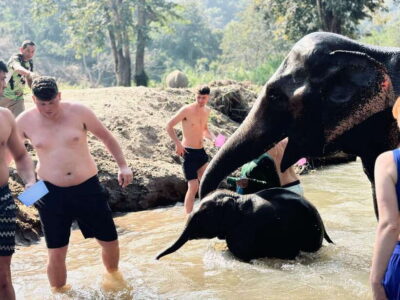
Elephant Sanctuary Feeding Program Half-Day Tour
Read our review →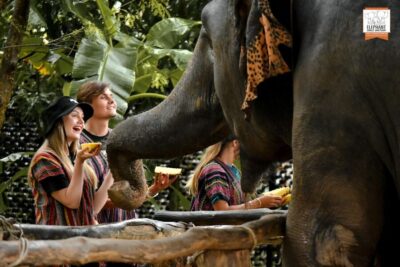
Elephant Jungle Sanctuary Ethical Feeding Experience
Read our review →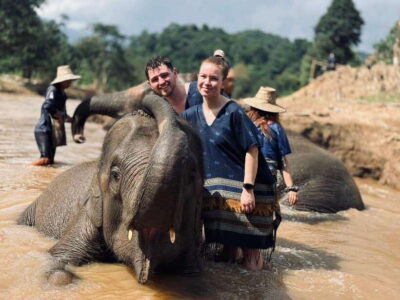
Elephant Sanctuary, Long Neck & Sticky Waterfall
Read our review →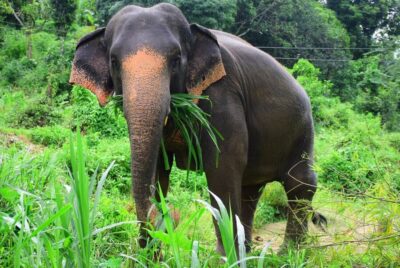
Elephant Jungle Sanctuary Half-Day Visit with Meal
Read our review →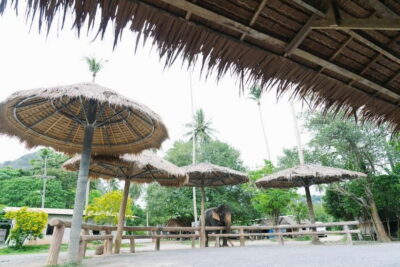
Browse the lists this tour appears in