
Review · ELEPHANT SANCTUARY VISITS
Krabi: Ethical Elephant Care Experience with Hotel Transfer
Elephants get a full spa day. In Krabi Elephant Care House, I love the chance to do feeding and help with the mud bath in a rescue-focused setting, plus learn the basics of elephant care. The main catch is that the day is tightly scheduled and, depending on the group mood, you may feel a bit of time pressure in the most tourist-friendly moments.
I also like how the experience blends hands-on activities with quiet observing. You’re not just watching from a distance, and your English guide shares the elephants’ stories and the sanctuary mission before you start helping. Still, do keep one eye on how elephants are managed, since the line between care and show can be blurry in this type of attraction.
In This Review
- Key points to know before you go
- Getting to the Elephant Care House, and why the 4-hour block matters
- Arrival at the sanctuary: mission first, then elephant stories
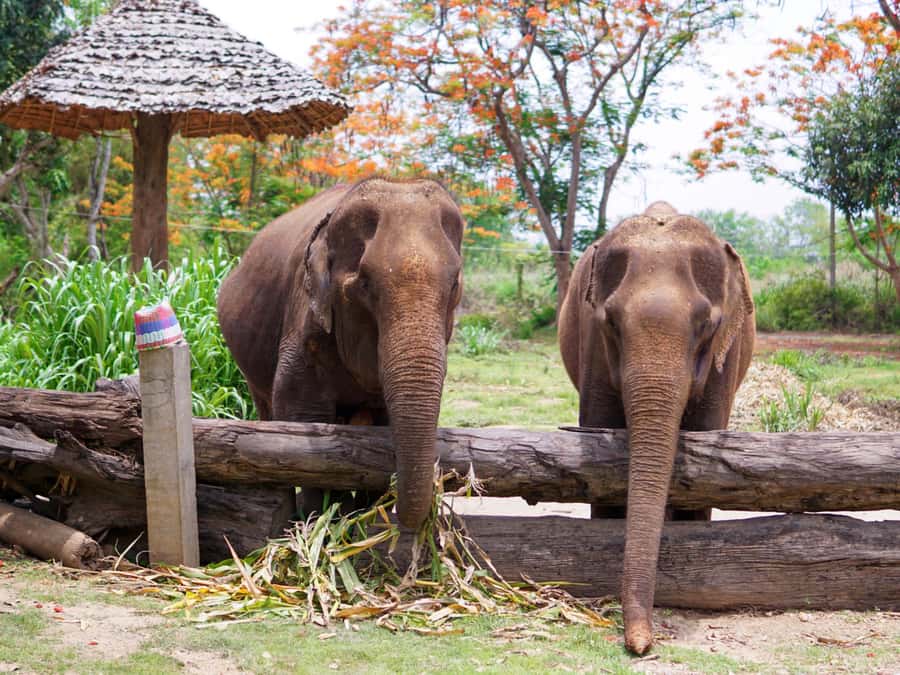
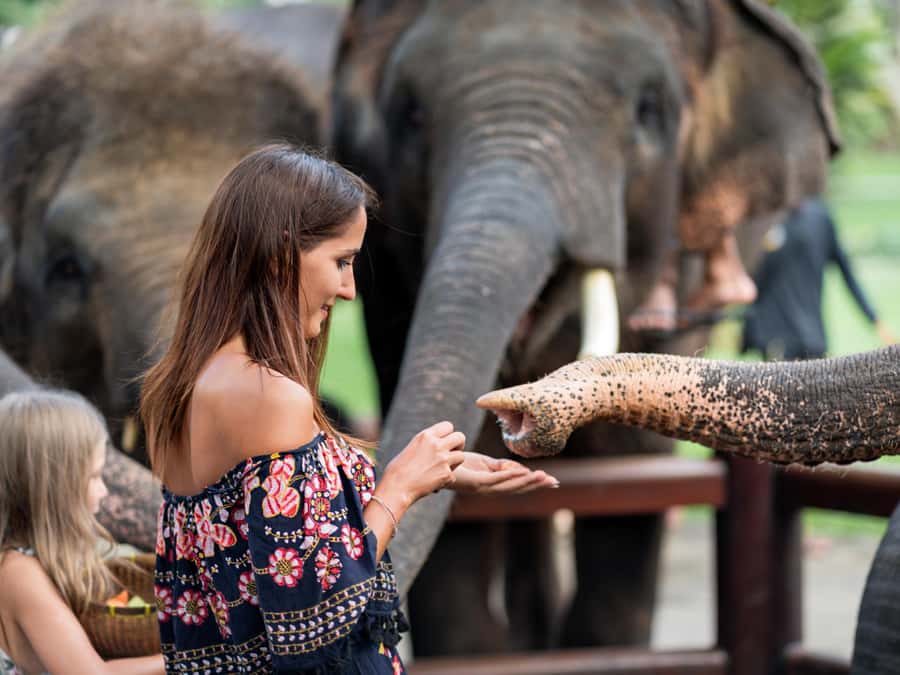
- Feeding time: close enough to care, not far enough to be reckless
- Mud bath help: the skin-care angle that makes this more than play
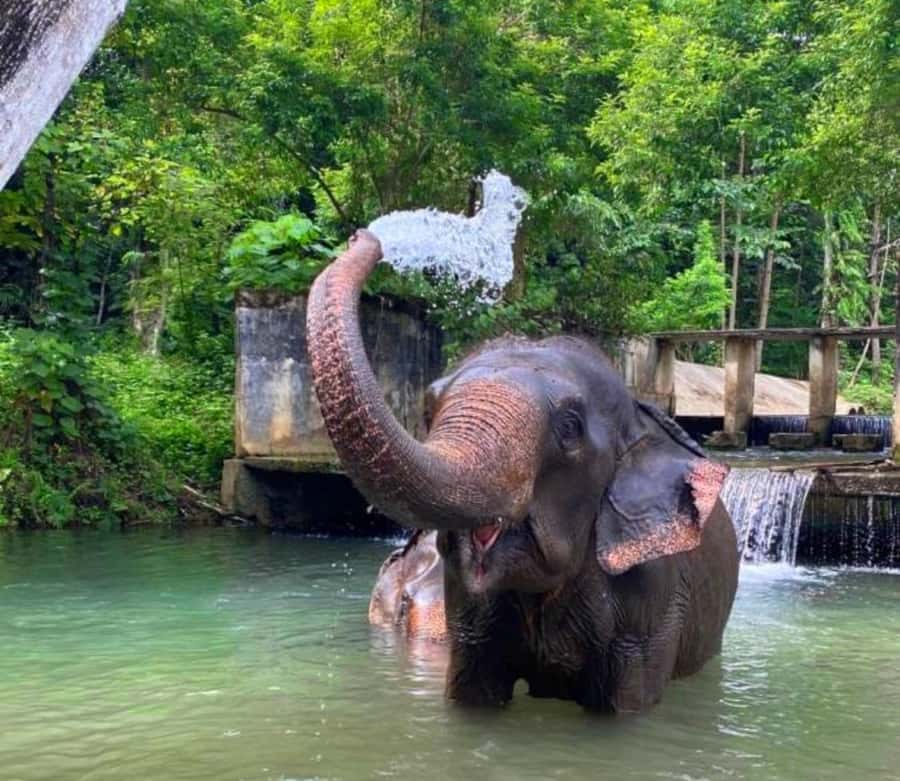
- The elephants’ water bath: splashing with limits
- Watching elephants play, then taking the lessons home
- Price and value in Krabi: what $67 buys (and what it depends on)
- Ethical elephant care checklist you can actually use on site
- Who this tour fits best in Krabi
- Should you book this Krabi elephant care experience?
- FAQ
- FAQ
- How long is the Krabi elephant care experience?
- Is hotel pickup and drop-off included?
- What should I bring with me?
- What activities are included with the elephants?
- How big is the group?
- What language is the guide?
- What is included in the price?
- Can I cancel for a full refund?
Key points to know before you go
- Small group of up to 10 helps keep the elephant moments less chaotic than larger tours
- Hotel pickup and drop-off covers the hardest part, getting to and from the sanctuary
- Rescue stories, in English set the context before you start feeding and assisting
- Mud bath support focuses on skin care, with mud described as natural sunscreen and insect repellent
- Feeding plus bathing moments means you get a real feel for day-to-day elephant routines
Getting to the Elephant Care House, and why the 4-hour block matters
This is a half-day experience built around one place and a clear sequence. You’re picked up from your hotel in the Krabi area and then brought to the sanctuary for about 4 hours total, including the time you’ll spend at the site and the ride back. That structure is good for planning, especially if you want something animal-focused without committing a full day.
The trade-off is that a 4-hour window moves fast. If you’re hoping for a slow, quiet, no-rush nature day, the schedule can feel a bit packed. The upside is that you get multiple activities, not just one moment. I’d think of it as a “care and observation sampler,” where feeding, mud bathing, and water bathing all happen in one morning-style block.
Also note the practical timing detail: you’ll be asked to wait in the hotel lobby about 10 minutes before your scheduled pickup time. That helps your driver find you quickly, and it reduces the chance of you getting stranded while the group loads. One useful mindset here is to keep your broader day flexible. Even when transfers are organized, roads and timing in Krabi can be unpredictable.
More Elephant Sanctuary Visits in Krabi
- Krabi: Ao Nang Elephant Sanctuary Half-Day Tour
★ 4.8 · 1,796 reviews - Krabi: Elephant Sanctuary (near Ao Nang) Visit
★ 4.9 · 1,036 reviews - Krabi: Elephant Care House Guided Tour with Hotel Transfers
★ 4.7 · 543 reviews
Arrival at the sanctuary: mission first, then elephant stories
Once you reach the Krabi Elephant Care House, the day starts with orientation. Your English guide introduces the sanctuary’s mission and then shares individual stories of the elephants you’ll meet. I like this part because it’s not just cute animal facts. You get a reason for what you’re about to do, and it frames the experience as rescue and rehabilitation, not entertainment.
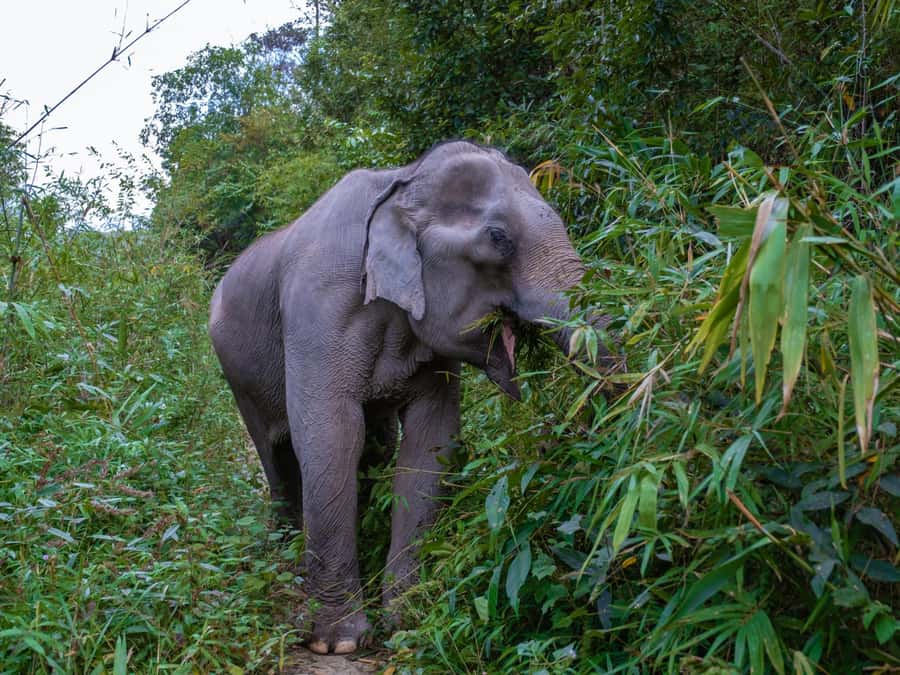
You’ll also spend time observing elephants roaming in a natural setting. That roaming time matters because it gives you a baseline. Before you start helping, you can watch how the elephants move, rest, and interact with one another. It’s one of those things that helps you spot stress cues later, like whether an elephant seems relaxed around people or is trying to create distance.
One thing to watch for here is the balance between guide-led instructions and elephant autonomy. The experience is presented as ethical elephant care, but the reality of how attractions operate can vary. If you see elephants being closely directed into behaviors that don’t look like their own choice, take that seriously. You can still participate in the care moments, but I’d adjust your expectations and your emotional comfort level accordingly.
Feeding time: close enough to care, not far enough to be reckless
Feeding is usually the star activity. You’ll be given snacks for the elephants, and you’ll help distribute them during the time the elephants are calm and accessible. I like feeding because it’s practical. You aren’t just photographing fur and trunks. You’re doing something that supports the caretaking routine the sanctuary uses every day.
That said, feeding with elephants also asks for self-control. When there are people around, it’s easy to crowd forward. The better experience is the one where you keep a respectful distance, move when your guide tells you, and avoid sudden gestures. Your goal is simple: let the elephant decide what happens next.
If your group is larger, feeding moments can become fast and crowded. One of the most praised parts of this tour is that staff try to manage the group so people can get photos, but that also means you might see a higher level of human traffic than you’d want. I’d rather you think of photos as a bonus, not the mission. The best vibe is when you focus on the elephants, then capture a few frames without blocking anyone or pushing closer.
Mud bath help: the skin-care angle that makes this more than play
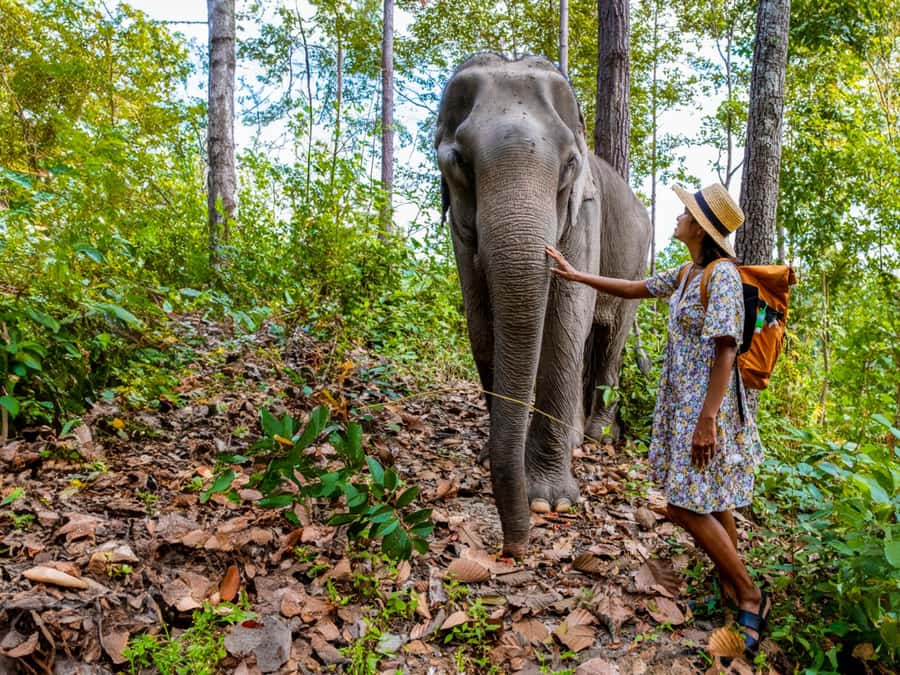
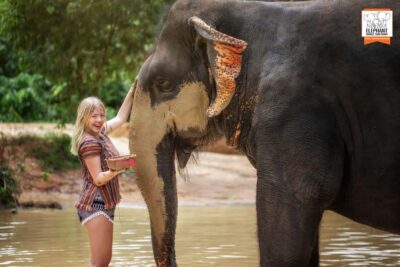
Next comes the mud bath. This is one of the most distinctive parts of the experience, and it’s not just for laughs. You’ll help the elephants during a mud-bathing moment where mud is described as acting like a natural sunscreen and insect repellent. That explanation gives you a reason that feels grounded, not gimmicky.
When elephants roll, slap mud onto their bodies, or stand in the mixture, you’re seeing behavior tied to comfort and protection. I like that this tour doesn’t just call it bathing, it ties it to skin care. Even if you’re not an animal expert, it helps you understand why the elephants might seek out mud in the first place.
A key consideration is how the activity is managed. When too many people line up at once, it can turn a health routine into a timed show. The mud bath can still be an enjoyable hands-on moment, but you should pay attention to whether the elephant’s pacing looks natural. If an elephant seems to spend more time enduring crowd attention than moving freely, you’ll feel that tension immediately.
Practical tip: bring sunscreen and insect repellent like the tour suggests. Even if the elephants are protected, you are not. Also, plan for the fact that mud and water exposure can happen. You’re expected to wear swimwear and bring a towel, so treat this as a wet morning, not a dry photo outing.
Same stretch of coast, a different sort of day:
- Krabi: Premium 4-Island Day Trip by Longtail Boat with Lunch
★ 4.5 · 4,812 reviews - Krabi: Hong Islands Day Trip by Speedboat with Lunch
★ 4.5 · 3,952 reviews - Krabi: Tiger Cave Temple, Emerald Pool and Hot Springs Tour
★ 4.8 · 3,616 reviews - Krabi: 7 Islands Sunset Tour with Buffet Dinner & Snorkeling
★ 4.3 · 2,916 reviews
The elephants’ water bath: splashing with limits

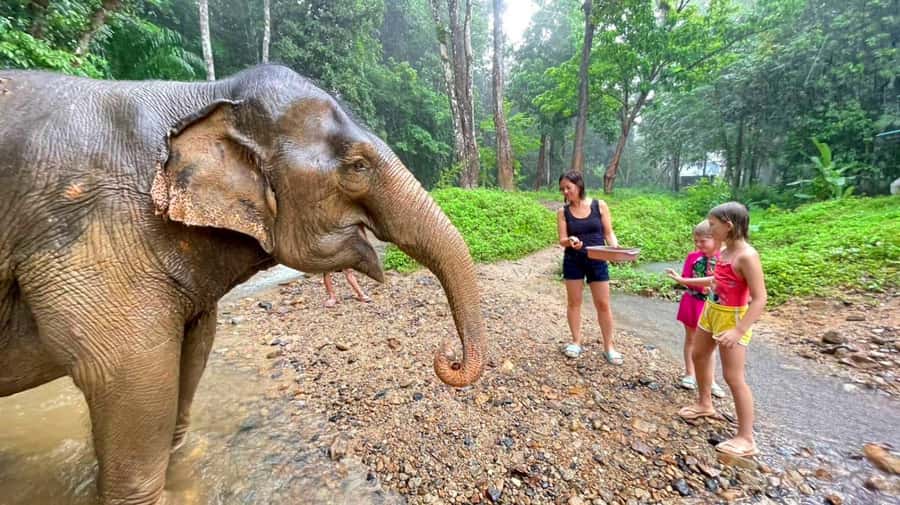
After the mud bath, you’ll assist in bathing the elephants by splashing water over them. This is a refreshing part of the day, and it’s also a behavioral checkpoint. Elephants may move differently in water, and you can watch whether they seem relaxed in the presence of people at close range.
Your guide shares insights into elephant behavior and the importance of proper skin care, so this segment is more than just a wet activity. The goal is that you’re learning while you help. I like when a tour connects the fun part to the care part. If the bathing moment is handled well, it can feel like you’re supporting an everyday routine rather than forcing a performance.
A balancing thought: water bathing can look joyful, and it may be. But happiness can be complicated in animal care settings. If an elephant only seems comfortable when humans feed them, that can be a sign the environment is operating for people more than for the elephants. You can’t diagnose everything in one tour, but you can notice the pattern.
Group size also affects this moment. The tour runs with small group limits of 10, which usually helps you avoid the worst crowd crush. Still, even with a small group, this is a popular attraction, and the key to a better experience is calm participation. Wait your turn, listen closely, and don’t rush into the elephant’s personal space.
Watching elephants play, then taking the lessons home
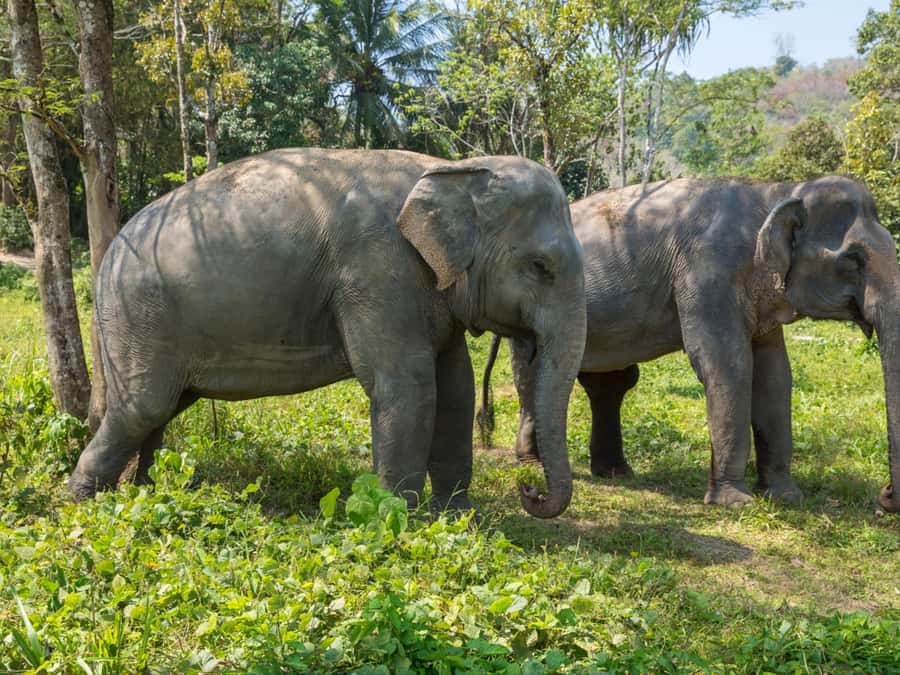
The final stretch is calmer. You’ll enjoy peaceful time observing the elephants playing and interacting. This part is valuable because it shifts the focus away from you doing something and back to you learning how elephants live with one another.
One of the best parts of this tour experience is that it blends multiple interaction types: feeding, mud bath support, water bathing, then quiet watching. For you, that sequence builds a more complete picture of care. You’re not only seeing the result. You’re also seeing why caretakers do what they do.
If you’re worried about ethics, this is where you can confirm your impression. Watch whether elephants move toward other elephants on their own terms. Do they seem engaged and social, or do they look boxed in by human activity? Even if people are friendly, elephants still need room to choose.
When it’s time to go, you’ll ride back to your hotel with the same convenience that brought you out here. That matters because it turns a potentially stressful “logistics day” into a simple add-on to your Krabi vacation.
Price and value in Krabi: what $67 buys (and what it depends on)
At about $67 per person for a 4-hour experience, the price includes more than the elephant time. You’re getting hotel pickup and drop-off, a professional English guide, seasonal fruit, food for feeding, drinking water, and even travel insurance as part of the package. That’s a lot bundled into a short window.
So is it good value? It can be. You’re not paying just for an attraction entrance. You’re paying for guided translation of the sanctuary mission, the guided hands-on care activities, and the logistics that save your energy in Krabi.
But here’s the honest angle: value also depends on what kind of ethical experience you encounter. If the sanctuary environment feels calm and care-centered, the price starts to feel fair for a half-day with real interaction. If the experience feels overly theatrical, you may feel the money is buying more entertainment than rehabilitation.
My advice is to treat this as a decision point, not a default yes. Your best bargain is the experience where the elephants seem comfortable, unhurried, and free to move.
Ethical elephant care checklist you can actually use on site
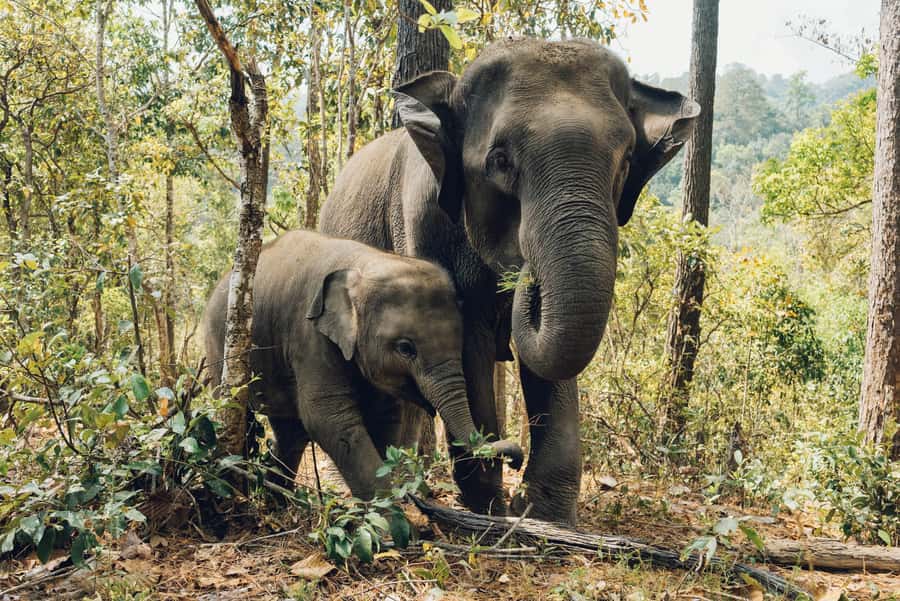
You’re looking for signs that care is the priority. Here are things you can watch for during the day, using what the experience describes and what ethical concerns typically hinge on.
Look for these signals:
- Elephants moving freely in the natural setting, not being constantly steered
- Humans approaching without crowding pressure, with clear space between people and elephants
- Less “command-focused” behavior, more normal routine like feeding, mud use, and bathing
- Quiet group management, where the pace feels controlled rather than chaotic
- Respectful boundaries during feeding and water splashing, so participation doesn’t stress the animals
If you notice trainers or handlers are directing elephants into repeated behaviors primarily for visitor satisfaction, pause and adjust. You can still participate where it feels aligned with care, but you can also decide to step back and watch rather than engage.
That approach protects your expectations and keeps the experience grounded in what you came for: ethical elephant care and education, not forced entertainment.
Who this tour fits best in Krabi
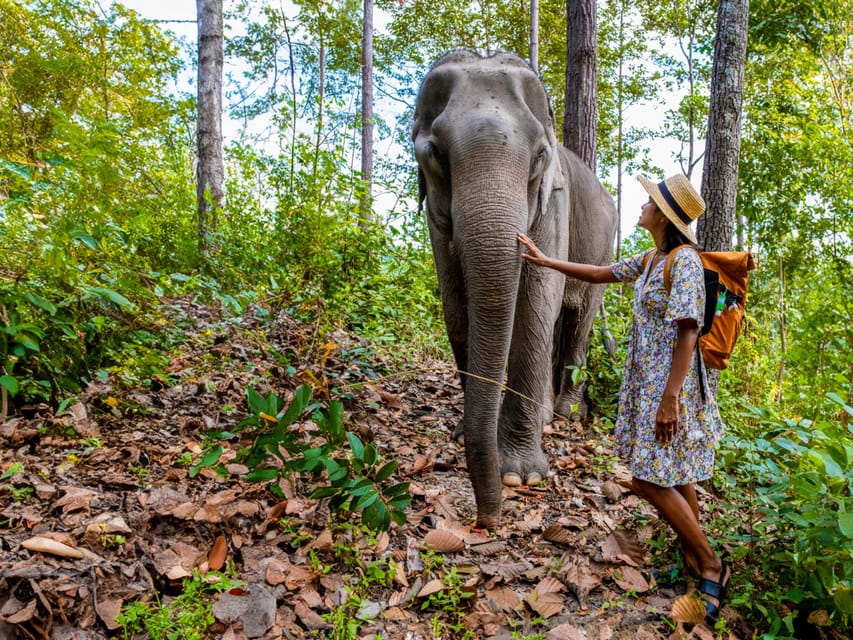
This tour is a strong match if you want a short, structured animal experience with real responsibilities. Feeding and bathing can feel memorable in a way that a viewing-only visit rarely does, especially for families, animal lovers, and anyone who likes learning while participating.
It also fits well if you’re staying in the Krabi area and don’t want to deal with transport. The pickup and drop-off make it simple, and the small group format helps keep things manageable.
If you’re extremely sensitive about animal ethics and you strongly prefer minimal human involvement, you might want to think twice or at least go in with a watchful mindset. The experience is marketed as ethical, but no single visit tells you everything about how elephants are handled elsewhere in the industry. Your on-site observations matter.
Should you book this Krabi elephant care experience?
Book if you want a half-day with feeding, mud bath support, and water bathing, plus an English guide explaining the sanctuary mission and elephant care basics. The included fruit, water, and hotel transfer add real convenience value for a $67 price tag, and the small group limit helps.
Don’t book on autopilot if you need a guarantee that elephants are never directed or pressured into visitor-focused behavior. Instead, go with eyes open. During feeding and bathing, pay attention to whether elephants seem relaxed and free to choose distance. If you see a heavy emphasis on performance-like commands or crowd pressure, it may not match your ethics.
FAQ
FAQ
How long is the Krabi elephant care experience?
The experience is listed as 4 hours.
Is hotel pickup and drop-off included?
Yes. Pickup and drop-off are included from any hotel in the Krabi area.
What should I bring with me?
Bring swimwear, a towel, sunscreen, and insect repellent.
What activities are included with the elephants?
You’ll observe rescued elephants in a natural setting, help with feeding, assist in a mud bath, help with bathing by splashing water, and enjoy time watching elephants play and interact.
How big is the group?
It’s a small group, limited to 10 participants.
What language is the guide?
The tour includes a live English guide.
What is included in the price?
Included items are hotel pickup and drop-off, a professional English guide, seasonal fruit, food for feeding the elephants, drinking water, and travel insurance.
Can I cancel for a full refund?
Yes. Free cancellation is available up to 24 hours in advance for a full refund.
More Private Drivers in Krabi
- From Ao Nang: Similan Islands Boat Trip with Transfer & Food
★ 4.5 · 35 reviews - Krabi ATV Extreme Experience with Transfer and Adventure
★ 4.5 · 24 reviews - Klong Rud Kayaking with Hotel Transfer
★ 4.2 · 16 reviews - Krabi: Full-Day Car and Driver Charter
★ 4.7 · 8 reviews
Newest Krabi reviews on the site
- Krabi: South Kayak Klong Root Kayaking Tour★ 5.0 · 7 reviews
- Railay: Illuminated Clear Kayak Night Tour Bioluminescence★ 4.3 · 54 reviews
- Krabi: Railay Beach Bioluminescent Plankton Ferry Cruise★ 3.7 · 60 reviews
- Railay: Hands-On Thai Cooking Class at Railay Beach★ 4.9 · 30 reviews
- Krabi Private Gondola Cruise with Lunch and Picnic★ 4.8 · 17 reviews
- Phuket:Phi Phi, Bamboo, Maiton, Maya Speed Catamaran Tour★ 4.0 · 121 reviews
- Phuket: 4 Islands Krabi Adventure & Snorkeling Day Tour★ 4.3 · 37 reviews
- Phranang Cave Sunset with BBQ dinner & Plankton Tour★ 3.2 · 53 reviews
Elephant Sanctuary Visits, compared.
Elephant Sanctuary, Waterfall & Bamboo Rafting
Read our review →
Elephant Sanctuary Feeding Program Half-Day Tour
Read our review →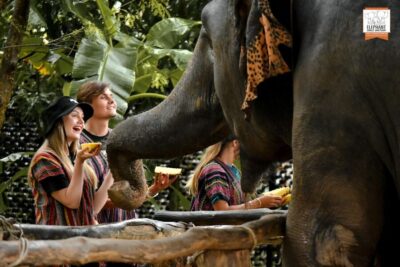
Elephant Jungle Sanctuary Ethical Feeding Experience
Read our review →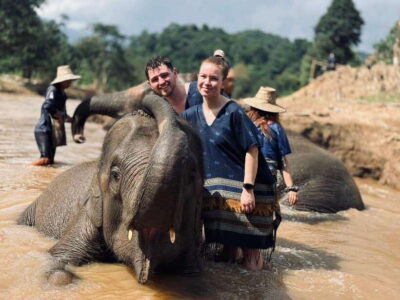
Elephant Sanctuary, Long Neck & Sticky Waterfall
Read our review →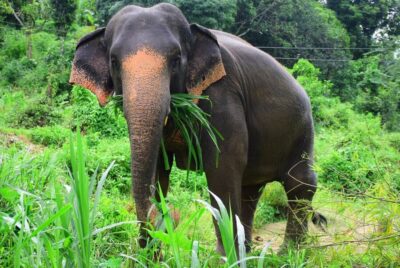
Elephant Jungle Sanctuary Half-Day Visit with Meal
Read our review →
Browse the lists this tour appears in