
Review · ELEPHANT SANCTUARY VISITS
Samui:Elephant Jungle experience & The First Elephant Museum
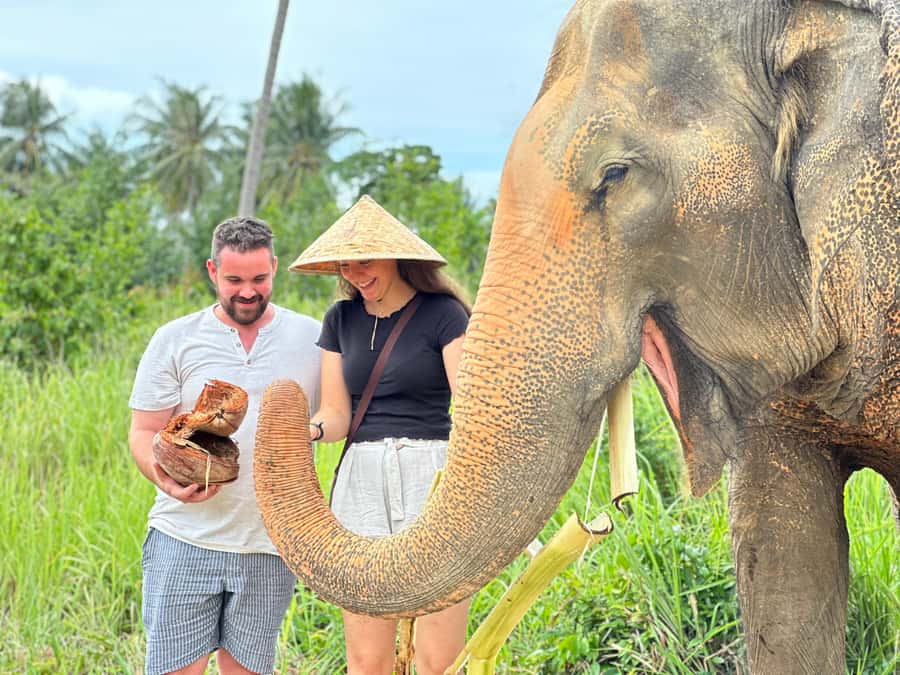
Elephants in the jungle, with clear rules. This 3 hour Samui Elephant Jungle experience mixes Thai elephant heritage in the museum with a jungle walk where rescued elephants roam in their habitat. It is a good pick if you want learning, not a show, and you like the idea of supporting care that puts wellbeing first.
Two things I really like: the day focuses on natural behavior, like foraging and social dynamics, and the guides clearly explain what you are seeing. Names you may hear from the team include Angie, Noot, Kathy, Katie, and Katy, and they get praised for making elephant care and conservation feel understandable, not preachy.
One possible drawback: part of your time is spent in the museum and classroom setting before the field time. If your idea of the perfect elephant day is mostly outside watching elephants at length, you might feel the schedule is a bit classroom-heavy.
In This Review
- Key highlights worth showing up for
- Samui Elephant Home in 3 Hours: What You’ll Really Do
- The First Elephant Museum: Thai Elephant Heritage You Can Use
- Museum to Jungle: How the Walk Stays Respectful
- What You Learn About Mahouts and Everyday Elephant Care
- Seed Bomb Conservation: A Hands-On Way to Support the Forest
- Price and Logistics on Koh Samui: Is This Worth It?
- Who This Experience Fits Best (and Who Might Want a Different Option)
- Practical Tips: Shoes, Heat, Insects, and Camera Rules
- Should You Book Samui Elephant Jungle and the First Elephant Museum?
- FAQ
- How long is the Samui Elephant Jungle experience?
- Where do you get picked up?
- Is the tour guided, and in which language?
- What does the experience include?
- What should I bring, and what is not allowed?
- Can I get a refund if my plans change?
Key highlights worth showing up for
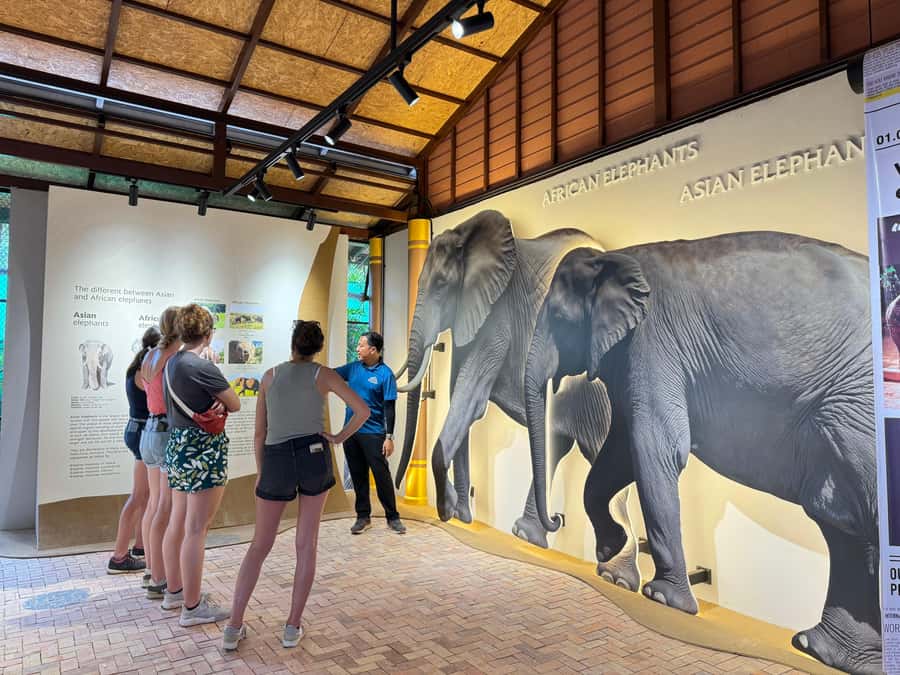
- Samui’s first Elephant Museum focused on Thai elephant history, role, and care
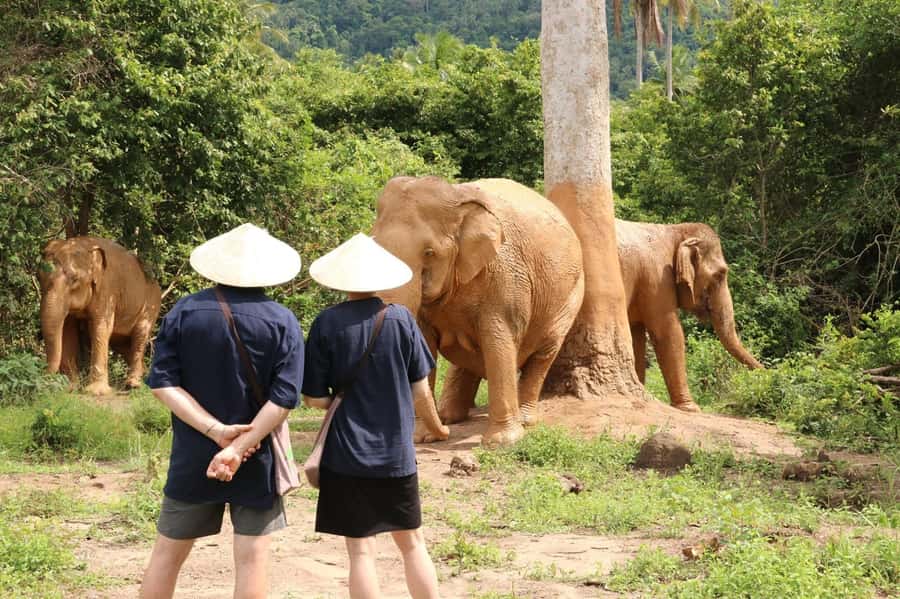
- Rescued elephants roaming freely in a jungle setting at a respectful distance
- Cooling down after the walk, explained through shade, water, and calm routines
- Mahout demonstrations on organic food prep and elephant nutrition
- Seed bomb conservation activity using clay, native plant seeds, and a slingshot
- English live guide with strong communication, including guides like Angie and Noot
Samui Elephant Home in 3 Hours: What You’ll Really Do
This is a compact half-day style program. You get hotel pickup on Koh Samui, then you head to Samui Elephant Home for museum time, a guided walk with the elephants, and a hands-on conservation activity.
The whole plan is built around education plus respectful viewing. You are not pushed into loud, risky interactions. You walk with the group, you learn what elephants need, and you see how mahouts support daily comfort in hot tropical conditions.
The big question for you is whether 3 hours is enough. For most people, it is a solid taste of the place: museum context, then the main event outside, then a meaningful way to give back with the seed bombs.
More Elephant Sanctuary Visits in Koh Samui
- Koh Samui: Ethical Elephant Home Guided Tour with Transfers
★ 4.9 · 1,737 reviews - Koh Samui: Elephant Sanctuary Entry and Feeding Experience
★ 4.7 · 1,446 reviews - Koh Samui: Half-Day Ethical Elephant Sanctuary with Mud Spa
★ 4.8 · 574 reviews
The First Elephant Museum: Thai Elephant Heritage You Can Use
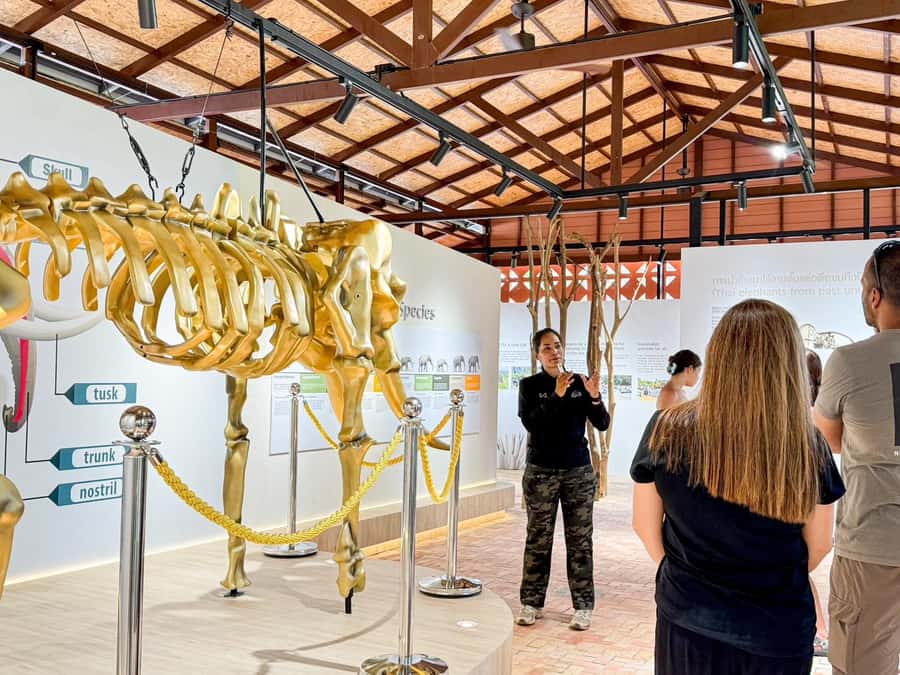
The museum portion is more than a quick photo stop. You get a guided visit that connects elephants to Thailand’s culture and daily life, including themes like heritage, spirituality, and how Thai communities historically related to elephants.
What I like here is the tone. The exhibits are meant to explain elephants as animals with needs, not props for big tourist stunts. During this time you also get a safety briefing, which matters because elephants are wild-minded, powerful animals even when they are under care.
You will likely notice how the museum sets up the jungle walk. When you know what to watch for, like natural social behavior and foraging patterns, the outside time becomes more than just seeing big gray animals. It becomes a real observational experience.
Museum to Jungle: How the Walk Stays Respectful
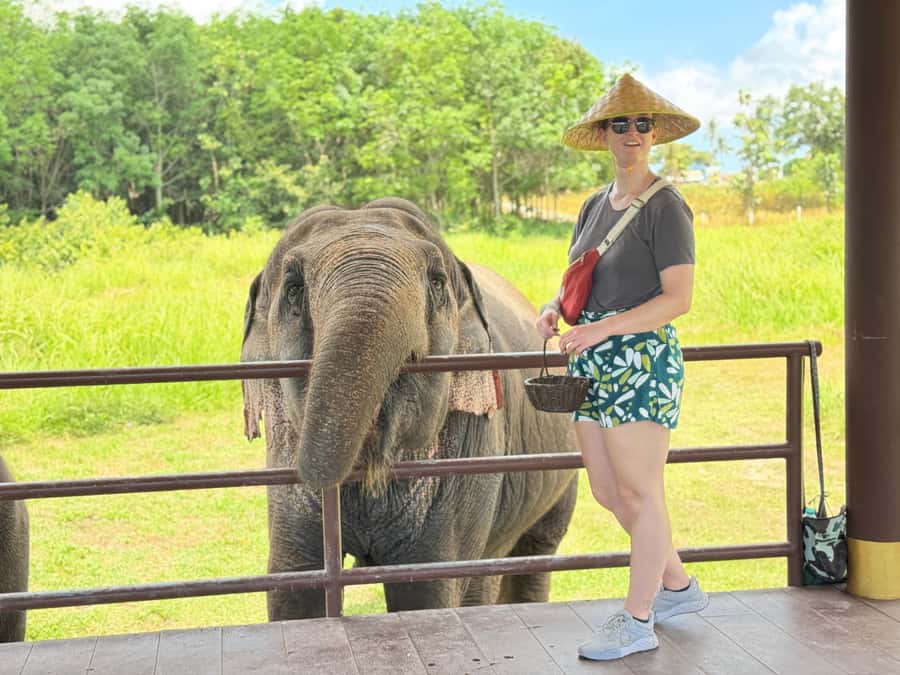
After the museum, you move into the jungle area where the elephants roam. Your guide keeps you at a respectful distance as the animals forage, explore, and do normal elephant stuff.
A practical way to think about this: you are there to observe, not to crowd. Many of the experiences at less ethical places push for close contact. Here, you are guided to stay safe and calm so the elephants can keep behaving like elephants.
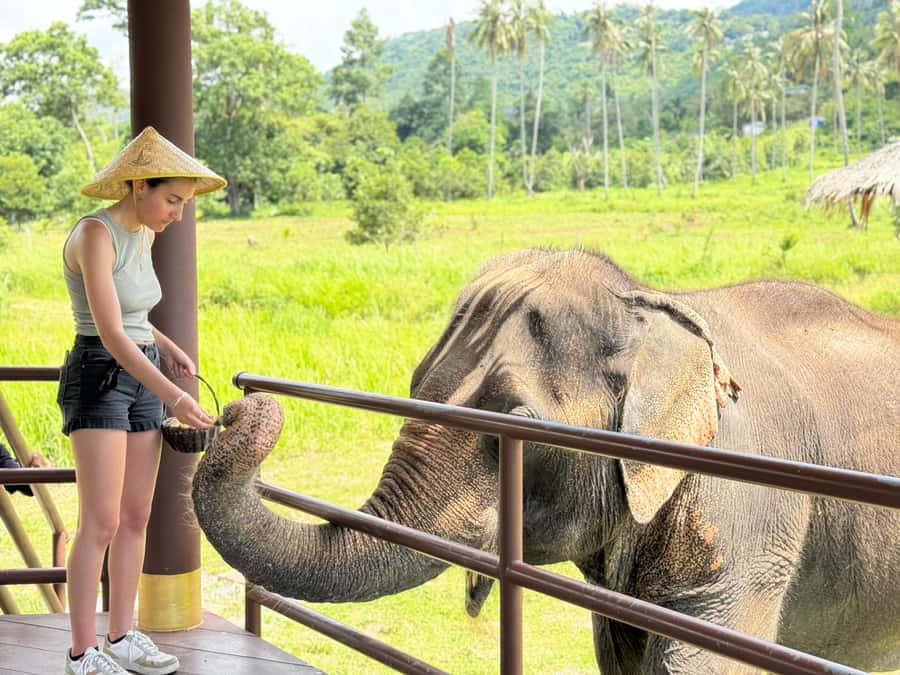
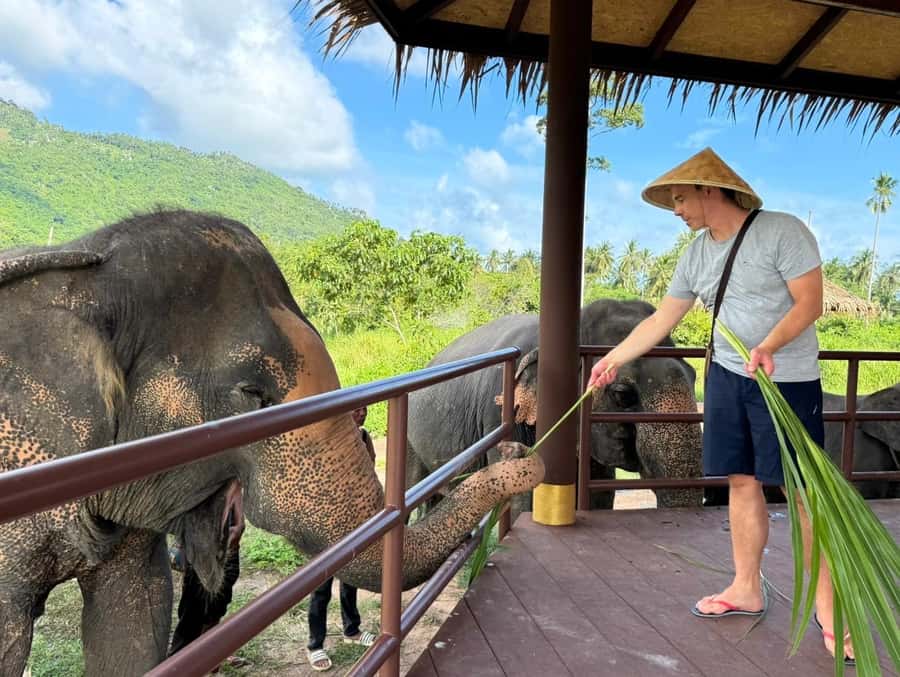
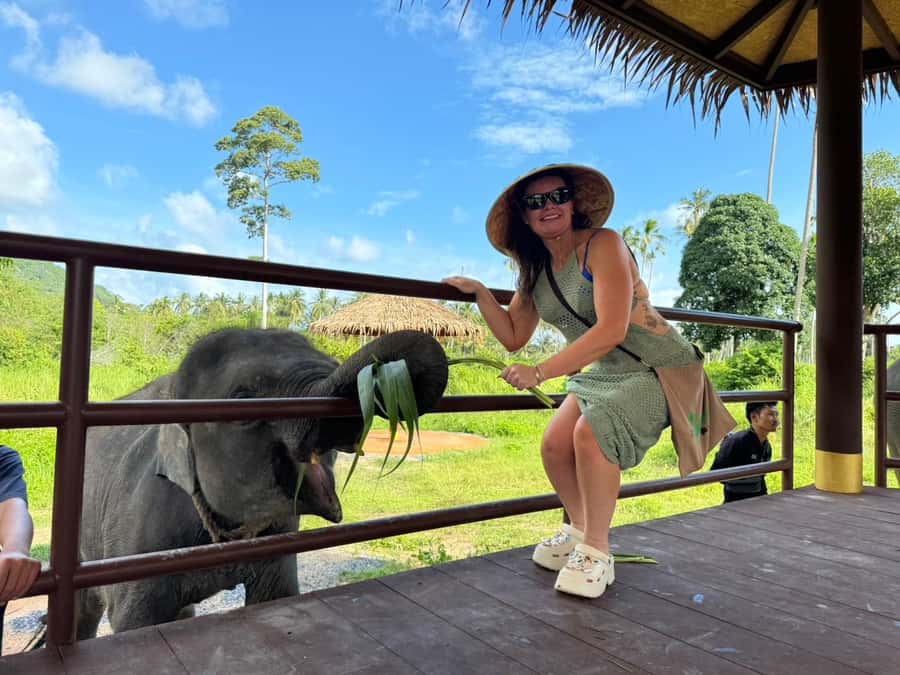
You may also get a short window to feed elephants, and some people report the opportunity to do brief feeding and even light touching in a controlled way. At the same time, the emphasis is still on space and respect, and there is even a comment in the feedback about the hands-off approach feeling like a positive choice.
If you care about ethical behavior, this is one of the most reassuring parts. You will still get the closeness that makes you feel the scale of these animals, but you are doing it without turning their day into a circus.
What You Learn About Mahouts and Everyday Elephant Care
You are not just watching elephants. You are learning how they are cared for, including diet and daily routines.
During the visit, mahouts demonstrate how organic food is prepared as part of the elephants’ daily nutrition. Your guide explains why diet matters and how health considerations link to what elephants eat, including the idea that needs can change with life stage.
This is where the day becomes useful even after you leave. It is easy to assume elephant care is simple, like you just give fruit and call it a day. The demonstrations help you understand that nutrition is planned, prepared, and tied to wellbeing.
Then there is the part many people seem to remember most: after the jungle walk, you observe mahouts supporting the elephants as they cool down. You learn how shade, water, and calm routines help elephants handle tropical heat while still respecting their natural preferences.
One extra detail that shows up in the feedback: you may be told about certain activities that this program avoids, like mud bathing, because it can be dangerous. Whether you already knew about that risk or not, it is a helpful context point for thinking critically about what counts as safe elephant interaction.
More elephant sanctuary visits in Ko Samui:
- Koh Samui: Elephant Jungle Sanctuary Half-Day Tour
★ 4.7 · 430 reviews - Koh Samui: Ethical Elephant Sanctuary Tour with Buffet Lunch
★ 4.8 · 308 reviews - Chiang Mai: Elephant Sanctuary, Waterfall & Bamboo Rafting
★ 4.9 · 9,160 reviews - Chiang Mai: Elephant Sanctuary & Waterfall Group Tour
★ 4.9 · 5,780 reviews
Seed Bomb Conservation: A Hands-On Way to Support the Forest
After the main viewing, you get to do something you can take home as a story. You craft seed bombs using clay and native plant seeds.
Then you launch them in the forest using a traditional slingshot style tool. The purpose is simple: help restore forest areas and support future growth that benefits elephants and their environment.
Is a seed bomb one tiny speck next to a big conservation picture? Yes. But the value here is twofold.
First, you physically participate, so the idea of supporting elephants becomes less abstract. Second, native plants are part of a bigger system that supports habitat, food sources, and long-term resilience.
If you like activities that feel active but not destructive, you will probably enjoy this part. It is hands-on, creative, and it keeps the day grounded in conservation instead of only “look at the elephants.”
Price and Logistics on Koh Samui: Is This Worth It?
At about $64 per person for a 3 hour experience, this costs more than a basic zoo-style outing, and that is the point. You are paying for guided education, roundtrip hotel transfer around Koh Samui, full insurance, a welcome drink, the guided museum tour, a jungle walk, plus the seed bomb activity.
When I judge value, I look for what is actually included. Here, the day is packaged, not piecemeal. Transfers and insurance reduce hassle. The museum plus field time reduces the chance you just end up with a rushed look. And the conservation component gives you a tangible action.
You also get an English live tour guide, which matters on an island where not all elephant experiences provide good communication. In the feedback, guides like Angie and Noot get strong credit for clear explanations.
The one cost to consider is your own energy. Comfort matters because it is a walking day. If you show up in flip-flops and no sun protection, the tropical heat will do the unpleasant work.
Who This Experience Fits Best (and Who Might Want a Different Option)
This program is a strong match if you want:
- Ethical, educational elephant care focused on observation
- A balance of museum context and time in the jungle
- A small, guided setting where you can ask questions
- A conservation activity that connects you to habitat restoration
It may be less ideal if your top priority is maximum field time. One person noted they wanted less time in the classroom and more time following and observing elephants. If that is your style, plan your expectations for the schedule.
It also fits travelers who want to learn. The museum portion and mahout demonstrations make this better than a purely scenic visit.
If you travel as a family, there is feedback praising the experience for teens too, as long as everyone is comfortable with walking and following staff directions.
Practical Tips: Shoes, Heat, Insects, and Camera Rules

This is not a complicated packing list, but it is a real one.
Bring:
- Comfortable shoes for walking
- A hat, plus sunscreen
- Insect repellent
- A camera for personal photos
Wear:
- Clothing you can move in without worrying about sun exposure
- Light layers if you handle humidity well
Know the rules:
- Alcohol and drugs are not allowed
- You can use a camera for personal use, but you should respect the animals’ space
One more tip: even if you love elephants, listen to the staff. This is a program where safety and calm behavior are part of the ethics. If you keep that in mind, the day will feel smoother and more respectful.
Should You Book Samui Elephant Jungle and the First Elephant Museum?
I would book this if you want a responsible elephant experience on Koh Samui that combines Thai context, real elephant viewing in the jungle, and conservation action via seed bombs. The strongest selling points are the care focus, the guidance from English-speaking staff like Angie and Noot, and the way the day explains everyday nutrition and heat-coping routines.
Skip it or reconsider if you hate anything that feels classroom-heavy, because a portion of your time is spent in the museum area before the jungle walk. Also, if you are unable to walk comfortably, you should double-check your own mobility needs since the day includes a guided walk and some hiking-style movement.
FAQ
How long is the Samui Elephant Jungle experience?
The experience lasts about 3 hours total.
Where do you get picked up?
You are picked up from your hotel on Koh Samui.
Is the tour guided, and in which language?
Yes, there is a live tour guide in English.
What does the experience include?
It includes roundtrip hotel transfer, full insurance, a welcome drink, a guided tour of the Elephant Museum, a walk with elephants in their natural habitat, and a seed bomb crafting activity.
What should I bring, and what is not allowed?
Bring comfortable shoes, a hat, a camera, sunscreen, and insect repellent. Alcohol and drugs are not allowed.
Can I get a refund if my plans change?
Free cancellation is available up to 24 hours in advance for a full refund.
More Museums in Ko Samui
- Samut Prakan: The Erawan Museum Admission Ticket (NON THAI)
★ 4.8 · 89 reviews - Chiang Mai: Art in Paradise Illusion Museum Entry Ticket
★ 4.4 · 82 reviews - Skip the Line: Patpong Museum Guided Tour
★ 5.0 · 80 reviews - Pattaya: Art in Paradise 3D Museum Discounted Ticket
★ 4.6 · 75 reviews
Newest Ko Samui reviews on the site
- From Koh Samui: Half-Day Private Yacht Charter★ 4.9 · 19 reviews
- Samui X Quad 4WD Buggy Tour with lunch★ 4.8 · 143 reviews
- Private Group Half-Day City Tour Around Koh Samui★ 4.1 · 20 reviews
- Pig Island(Koh Mudsum) and Koh Tan Half Day Snorkeling Tour★ 4.2 · 11 reviews
- Koh Samui: Koh Tan and Koh Madsum Half-Day Tour by Catamaran★ 4.1 · 147 reviews
- Koh Samui: Zipline Experience of Lamai Viewpoint★ 4.1 · 31 reviews
- Koh Samui: Pig Island & Koh Tan Speedboat Tour with Lunch★ 4.2 · 120 reviews
- Koh Samui: The Page Afternoon Tea at The Library★ 4.8 · 7 reviews
Elephant Sanctuary Visits, compared.

Elephant Sanctuary, Waterfall & Bamboo Rafting
Read our review →
Elephant Sanctuary Feeding Program Half-Day Tour
Read our review →
Elephant Jungle Sanctuary Ethical Feeding Experience
Read our review →
Elephant Sanctuary, Long Neck & Sticky Waterfall
Read our review →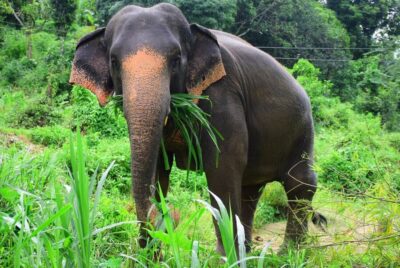

Elephant Jungle Sanctuary Half-Day Visit with Meal
Read our review →
Browse the lists this tour appears in