
Review · COOKING CLASSES
Chiang Mai: Traditional Thai Cooking Class with Market Tour
Cooking curry paste changes how you taste Thai food. In this 4-hour class in a traditional Lanna home near Chiang Mai Gate Market, you learn by doing, starting with Thai herbs and spices and ending at the stove with curry paste from scratch. I especially like how the market visit sets up what you cook, and how English-speaking chefs such as Tu and Wave make the steps feel clear and fun. One watch-out, some dishes can be spicy, and if you expect a heavy dinner, you might still want something afterward.
You’ll get hotel pickup, a local market tour, and a full meal made from the dishes you prepare, plus a recipe book to take home for repeats. For $32, this feels like solid value because you’re not just watching, you’re actively cooking six dishes with ingredients provided and real guidance at your station.
In This Review
- Key highlights to look for
- Why the Chiang Mai Gate Market stop matters for real Thai cooking
- Hotel pickup and the 4-hour schedule that keeps your day simple
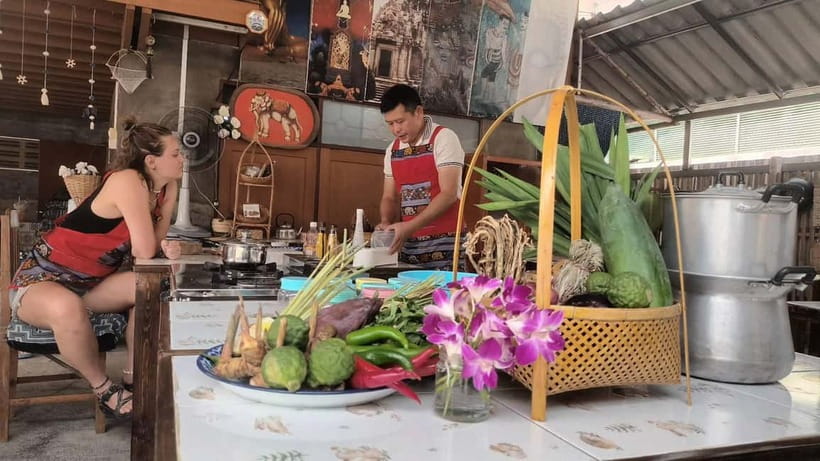
- A traditional Lanna home kitchen, with stations built for hands-on learning
- Curry paste from scratch: the technique that makes the rest easier
- Sticky rice with mango: balancing sweet, salty, and fragrant notes
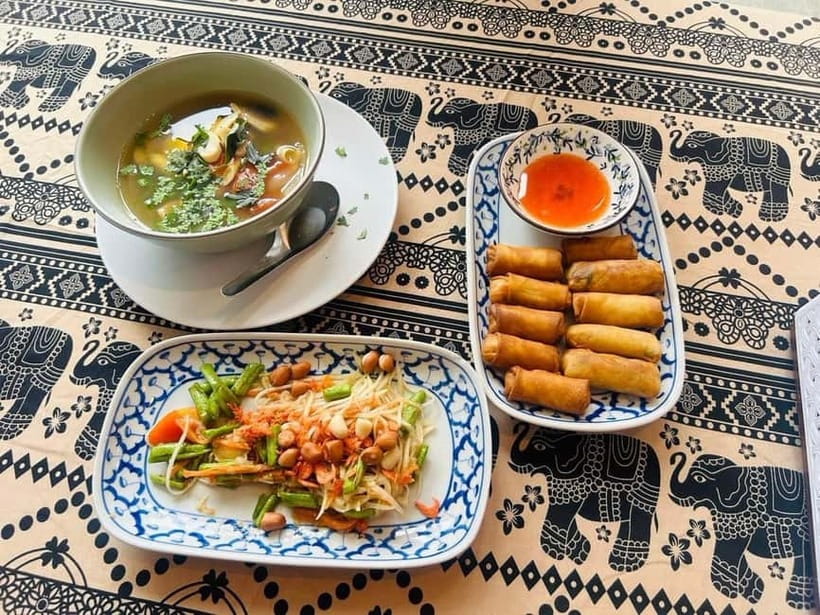
- The six-dish meal: what you’ll likely cook and how to handle spice
- What you take home: ingredients, recipe book, and repeatable skills
- English instruction and teacher personalities that keep you engaged
- Price and value: why $32 works for this kind of half-day
- Who this cooking class fits best in your Chiang Mai itinerary
- Final call: should you book Chiang Mai Smart Cook?
- FAQ
- What dishes will I learn to cook?
- How long is the cooking class in Chiang Mai?
- Is hotel pickup included?
- Do I need to bring anything?
- Is alcohol included or allowed?
- Is the class suitable for young children?
Key highlights to look for
- Market-first Thai ingredient education right in Chiang Mai’s old city, focused on herbs, spices, and vegetables
- Hands-on cooking of 6 traditional dishes, including curry paste from scratch and sticky rice with mango
- Small-group attention with guides such as Tu, Flook, Wave, Balloon, Mew, and Kat, known for step-by-step help and humor
- You eat what you make, so the meal feels like a reward, not an afterthought
- Lanna-home cooking setup with stations prepared for you, plus food handled during cleanup in many cases
- Transport can be bumpy, sometimes involving a jeep, so think “short ride, not luxury”
Why the Chiang Mai Gate Market stop matters for real Thai cooking
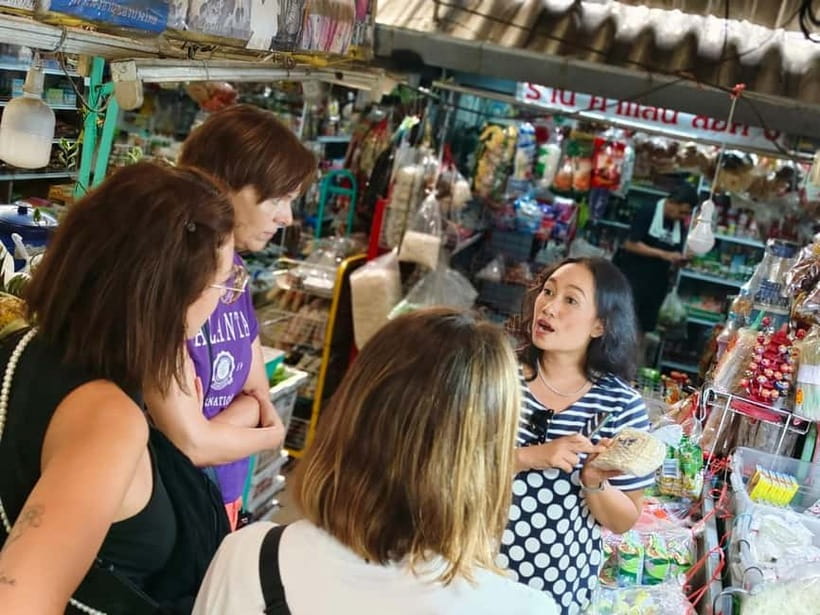
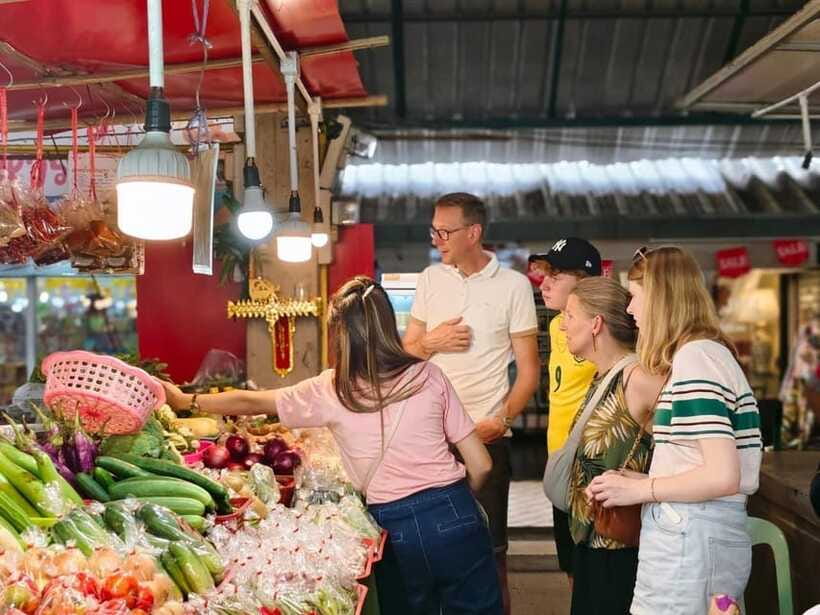
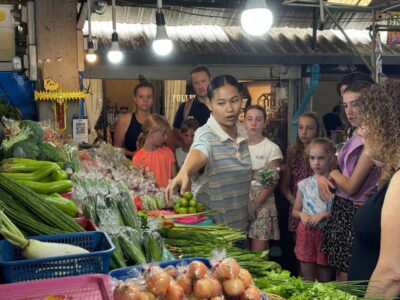
The experience starts in the old city area, near Chiang Mai Gate Market, where you walk through the kinds of stalls that locals actually use. This is not a quick look-and-go market stop. The goal is practical: you learn what Thai ingredients are, what they smell like, and how they fit into the flavor system you’ll cook with later.
Here’s what I find useful for you at home. When you understand the ingredient logic, you stop relying on guesswork. Thai cooking often comes down to balance, aroma, and building flavor in layers, and the market is where you first “see” that.
You’ll get introduced to Thai herbs, spices, and vegetables, and that matters most for two big moments later in the class:
- Making curry paste from scratch
- Getting sticky rice with mango right, since sweet, salty, and fragrant notes all need to line up
Also, the market pace tends to feel upbeat, and guides tend to keep it interactive. Some guides are more talkative than others, but the best ones turn the market into a flavor lesson, not just a walk.
One realistic consideration: the market segment can be short, so if you’re hoping for lots of side-stories about every stall, you might wish for a bit more guidance. Still, you’re there to cook, and it usually sets you up well.
More Cooking Classes in Chiang Mai
- Half-Day Thai Cooking Class at Organic Farm in Chiang Mai
★ 5.0 · 19,087 reviews - Chiang Mai: Cooking Class, Market & Thai Herbs Garden Tour
★ 4.9 · 4,824 reviews - Chiang Mai: Authentic Cooking Class with Market & Farm Visit
★ 4.9 · 4,546 reviews
Hotel pickup and the 4-hour schedule that keeps your day simple
This tour runs about 4 hours, with starting times that can vary based on availability. They also include pickup from your hotel area. Plan to wait in the lobby about 15 to 30 minutes before pickup so you’re not left scrambling.
One detail that affects your whole day: the meal timing can change. Your brunch, lunch, or dinner depends on the time schedule you attend. That means the class can work well whether you want an earlier food adventure or you’d rather fit cooking into your day after other sightseeing.
Transportation is included, but don’t assume it’s ultra-smooth. A couple of notes mention a jeep ride that felt hot and bumpy, and one person noted the vehicle was late. If you’re sensitive to rough roads or heat, bring a light layer you can adjust.
Good news for planning: you’re not asked to bring extra supplies beyond comfortable clothes. You’re also not expected to juggle dinner plans around the class, since you’ll eat what you cook by the end.
A traditional Lanna home kitchen, with stations built for hands-on learning
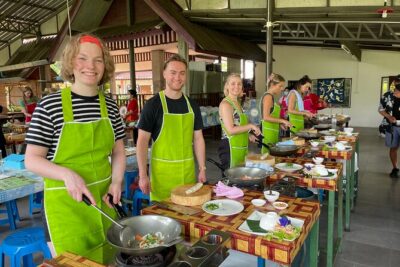
Most cooking classes either teach theory or let you “help” without really learning. This one leans hard into hands-on. You cook in a traditional Lanna home setting, and the workflow is designed around individual stations so you can actually do the steps, not just watch.
What I like here is the teaching style. The class is run by English-speaking instructors who actively guide you while you cook. In reviews, people repeatedly mention teachers who were funny, patient, and step-by-step focused, including Tu, Flook, Wave, Balloon, Mew, and Kat. That kind of support helps a lot if Thai cooking is brand new for you.
Another small but meaningful detail: many people mention that stations feel set up for you in advance, and in some cases, dishes are taken away for washing. That saves time and keeps the class from turning into a sink-and-scrub exercise.
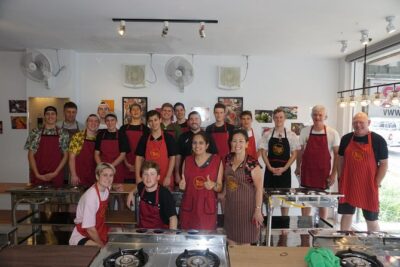
Group size also tends to be small enough that you get attention. One person specifically noted that small class size helps the teacher support each student better. If you hate being ignored while you try to chop or stir, that’s a real plus.
Curry paste from scratch: the technique that makes the rest easier
Curry paste is the big headline here, and for good reason. It’s the flavor engine of many Thai dishes, and learning it firsthand changes how you cook everything else. In this class, you make curry paste from scratch, using ingredients introduced during the market portion.
Even if you’ve eaten Thai curry many times, making paste yourself helps you connect taste to process. You learn that Thai curry flavors don’t come from one magic ingredient, they come from how multiple ingredients combine. Grinding, mixing, and tasting along the way gives you a feel for the right consistency and balance.
For you at home, this is the part worth focusing on. You can’t always replicate a restaurant’s curry perfectly, but you can replicate your paste method. Once you’ve done it once, you’ll understand what to look for in the texture, aroma, and flavor intensity.
Also, this is one of the moments where good instructors really matter. Reviews mention guides explaining ingredients and steps clearly, and helping you through each part. That support is crucial with curry paste, because the paste is where most people either succeed fast or get stuck.
More Market Tours in Chiang Mai
- Chiang Mai: Cooking Class with Market and Pickup
★ 4.9 · 1,365 reviews - Chiang Mai: Evening Cooking Class and Local Market Visit
★ 4.9 · 648 reviews - Chiang Mai: Evening Local Street Food Market Tour
★ 4.8 · 604 reviews - Chiang Mai: Kalare Night Bazaar Boxing Stadium Muay Thai
★ 4.7 · 507 reviews
Sticky rice with mango: balancing sweet, salty, and fragrant notes
You also make sticky rice with mango. This isn’t just dessert. It’s a classic Thai sweet that depends on timing and flavor balance, and it’s also a great way to see Thai cooking’s broader theme: not everything is spicy or savory.
In the class flow, sticky rice with mango is one of the dishes that you prepare yourself. That means you’re not leaving the kitchen without practicing something different from curries and stir-fries.
What makes it valuable is that the dish trains your palate for how Thai sweets should taste. Mango sweetness needs counterpoint, and sticky rice texture matters. Learning it here gives you a baseline for future attempts at home, instead of relying on packaged shortcuts.
The six-dish meal: what you’ll likely cook and how to handle spice
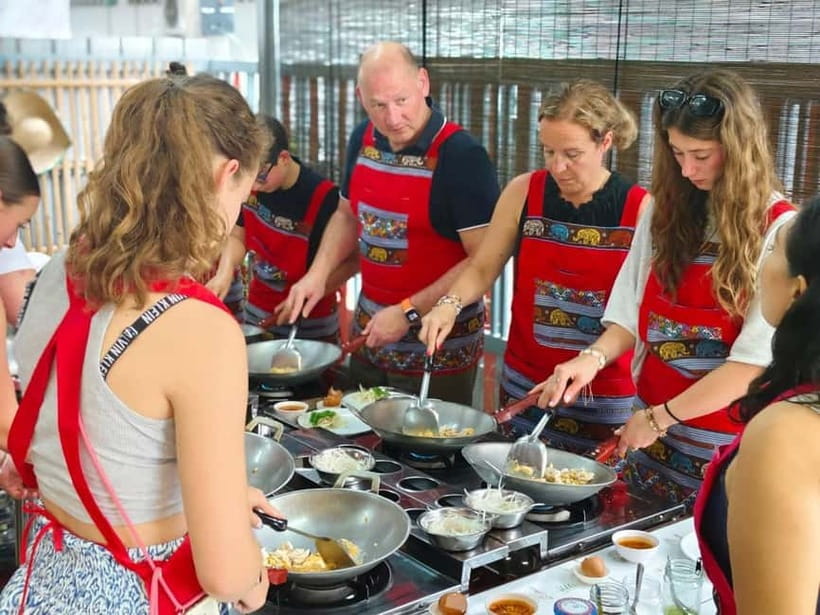
You’ll cook six traditional Thai dishes in total. The exact list isn’t provided here, but the class clearly includes curry paste from scratch and sticky rice with mango, plus a very local Thai meal. Many people also mention there are options to choose from, and not all dishes are spicy.
That’s a big comfort point. Thai cooking often gets marketed as one-note heat, but real Thai meals mix mild, medium, and spicy dishes depending on what you’re eating. One review specifically mentioned that not all options were spicy, and another praised the range of dish choices.
If you’re spice-sensitive, this is where you should speak up early. Tell your instructor your comfort level so they can guide you on what to choose and how to adjust the dish to your taste. Most of the instructors mentioned in reviews were friendly and flexible while teaching.
And remember: portion size is not guaranteed to be “dinner-sized.” One person said they left a little hungry and expected more to eat. You’ll definitely eat your meal at the end, but if you’re the type who needs a lot of calories, consider pairing the experience with a light snack earlier in the day or planning an additional post-class bite.
What you take home: ingredients, recipe book, and repeatable skills
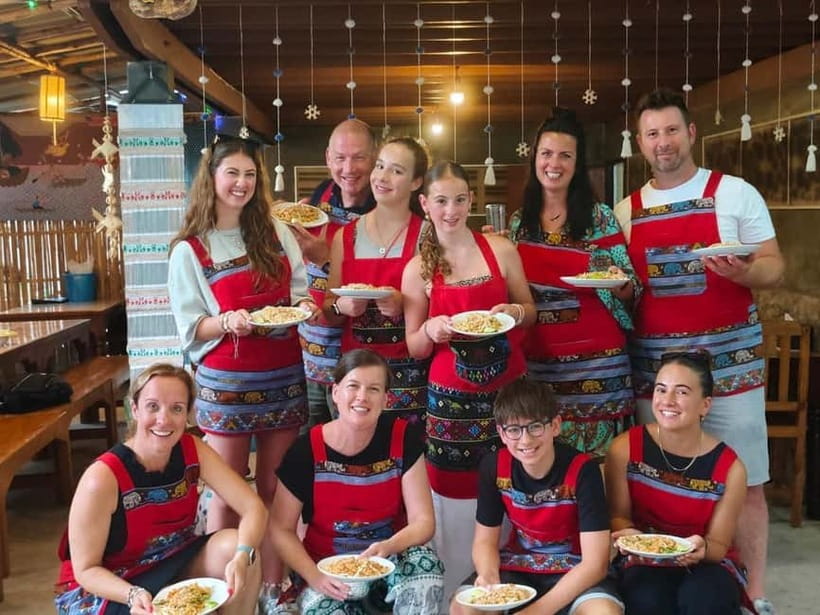
You get ingredients for cooking and a recipe book. That’s one of the easiest ways to judge value, because it turns your class from a one-time experience into something you can repeat.
Some reviews mention a PDF recipe book and photos, which can be useful if you like having step references. Even without that, the provided recipe book is typically enough to recreate at least the key techniques you learn, especially curry paste.
If you’re wondering what parts become repeatable fastest, focus on:
- Curry paste method and ingredient combinations
- Basic curry flavor building logic
- Sticky rice with mango approach and timing
The market stop also “teaches you what to buy,” which is a skill. When you know what you’re looking for, your grocery shopping becomes easier, and you waste less time chasing the wrong substitute.
English instruction and teacher personalities that keep you engaged
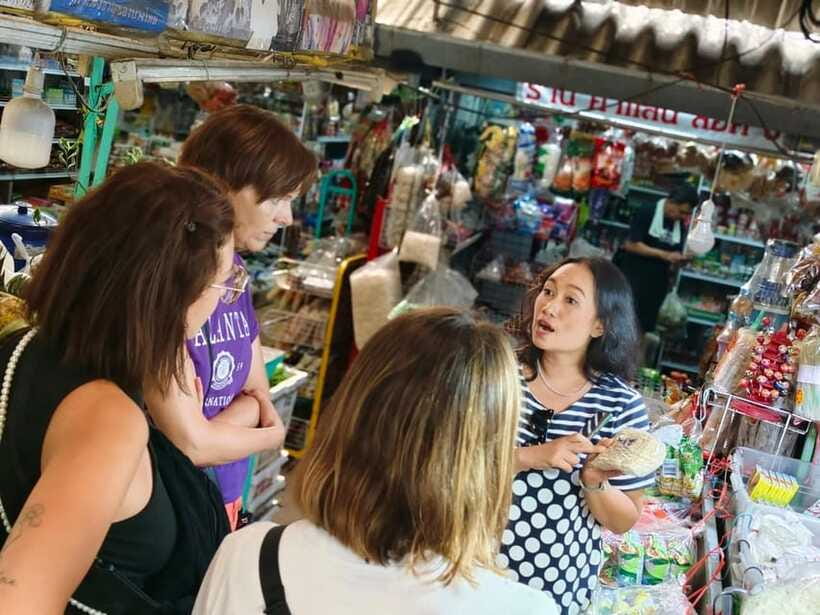
This class is taught in English. That matters because you’ll be cooking actively the whole time, and small misunderstandings can become big problems at the stove.
In reviews, teachers stand out again and again for clarity and humor. People mention teachers who were funny, patient, and very helpful, with examples including Tu, Flook, Wave, Balloon, Mew, Kat, and Ton. That variety is a good sign, because it suggests the program is built around interactive coaching, not just a lecture with a recipe card.
If you like learning through doing, you’ll likely enjoy this. If you prefer silence while cooking, you may find the group energy more lively than expected. Most people seemed to love that tone, though.
Price and value: why $32 works for this kind of half-day
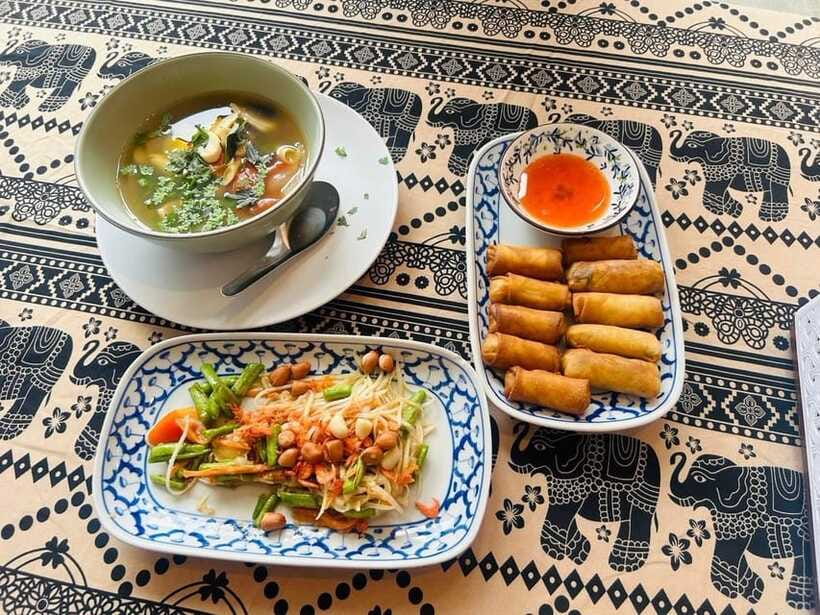
At $32 per person for about 4 hours, hotel pickup, a market tour, ingredients, and cooking six dishes with English guidance, this is priced in a “you get your money back in skill” zone.
Here’s the value math as I see it:
- You’re paying for market education plus hands-on cooking time.
- You’re not bringing your own ingredients.
- You get a recipe book to keep learning after you leave.
Alcohol isn’t included, and alcohol is not allowed. That keeps the experience more focused on food, and it also means the cost is concentrated on the ingredients and instruction you actually use.
The only real value warning is the food satisfaction point. A small number of notes mention leaving still a bit hungry or that portions might feel small. This doesn’t ruin the class, but it’s useful to plan around it if you need a hearty meal.
Who this cooking class fits best in your Chiang Mai itinerary
I think this is a great match for:
- Food lovers who want a practical Thai cooking skill, not just a restaurant meal
- Travelers who like culture, but want culture that you can taste and cook
- Anyone staying near the old city, since the market start and hotel pickup make it easy
It may not be the best match if:
- You want an alcohol-included experience. The class doesn’t include beer or alcohol, and alcohol is not allowed.
- You’re bringing very young kids. It’s not suitable for children under 5 years.
- You dislike any heat at all. The menu includes options that aren’t all spicy, but Thai ingredients can still taste intense.
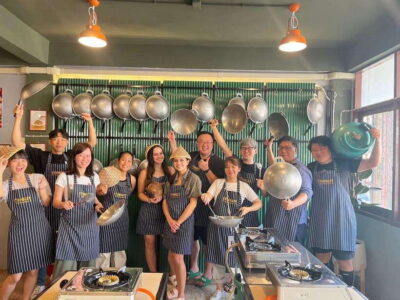
For couples and friends, this is also a fun shared activity. Reviews mention laughter and a good vibe, and small-group teaching helps everyone feel included at the station.
Final call: should you book Chiang Mai Smart Cook?
If you want a half-day that actually teaches you how Thai food works, I’d book this. The combination of market learning, curry paste from scratch, sticky rice with mango, and cooking six dishes makes it more than a one-note cooking show.
Book it if you:
- Want hotel pickup plus a clear food-focused plan
- Prefer hands-on instruction with English-speaking teachers
- Like taking home a recipe book and re-making dishes later
Consider passing or adjusting expectations if:
- You need big, heavy meal portions. Plan a snack or later bite if you tend to get hungry.
- You’re very heat-sensitive about transport. A jeep ride can feel hot and bumpy.
If you go in with a flexible mindset, this is one of those Chiang Mai activities that gives you a real skill you’ll still be using weeks later.
FAQ
What dishes will I learn to cook?
You’ll cook 6 traditional Thai dishes. The class specifically includes making curry paste from scratch and cooking sticky rice with mango, plus other local Thai dishes.
How long is the cooking class in Chiang Mai?
The duration is 4 hours.
Is hotel pickup included?
Yes, hotel pickup is included. You should wait in the hotel lobby 15 to 30 minutes before your scheduled pickup time.
Do I need to bring anything?
Wear comfortable clothes. No other items are listed as required.
Is alcohol included or allowed?
Alcohol is not included, and alcohol is not allowed during the activity.
Is the class suitable for young children?
No. It is not suitable for children under 5 years old.
More Markets in Chiang Mai
- Chiang Mai: Thai Cooking and Market Tour with Lanna Smile
★ 5.0 · 44 reviews - Chiang Mai: Sticky Waterfall by Local Truck with Market Stop
★ 4.8 · 26 reviews - Chiang Mai: Traditional Thai-Akha Cooking Class& Market Tour
★ 5.0 · 25 reviews - Chiang Mai: Half Day Evening Cooking Class with Market Tour
★ 4.9 · 19 reviews
More Shopping Tours in Chiang Mai
- Evening Cooking Class in Organic Farm with Local Market Tour
★ 5.0 · 394 reviews - Chiang Mai: Elephants, Sticky Waterfalls, Market and Temple
★ 4.9 · 227 reviews - Half-Day Cooking Class with Market Tour
★ 5.0 · 163 reviews - Chiang Mai: Morning Cooking Class with Market Visit
★ 4.9 · 81 reviews
Newest Chiang Mai reviews on the site
- Pa Pong Piang Rice Terraces & Doi Inthanon National Park★ 4.8 · 32 reviews
- Chiang Mai:ATV 2-3 hrs. & Elephant Feeding&Rafting&Waterfall★ 4.8 · 6 reviews
- Meditation & Yoga Retreat in Nature★ 5.0 · 16 reviews
- From Chiang Mai: Mae Taeng Valley and Waterfalls Cycle Tour★ 4.9 · 159 reviews
- Chiang Mai: Local Northern Thai Cooking Class at Grandma’s★ 5.0 · 33 reviews
- Lanna Heritage Walking Tour: A Journey Through History★ 4.5 · 7 reviews
- Chiang Mai: Khum Khantoke Northern Thai Cuisine and Show★ 4.3 · 38 reviews
- Private : Sticky Waterfall & Secret Temple & Karen Village.★ 5.0 · 9 reviews
Cooking Classes, compared.
Half-Day Thai Cooking Class at Organic Farm in Chiang Mai
Read our review →
Cooking Class, Market & Thai Herbs Garden Tour
Read our review →
Authentic Cooking Class with Market & Farm Visit
Read our review →
Phuket Thai Cooking Class with Market Tour Option
Read our review →
Tingly Thai Cooking School Half-Day Cooking Class
Read our review →Browse the lists this tour appears in